All About Passiflora x alato-caerulea (Passion Flower)
Passiflora x alato-caerulea, commonly known as Passion Flower, is a stunning and versatile plant that belongs to the Passifloraceae family. Native to South America, this tropical beauty is cherished for its exotic appearance and various uses. In this comprehensive guide, we will delve into the fascinating world of Passiflora x alato-caerulea, exploring its culture, uses, care requirements, and much more.
What is Passiflora x alato-caerulea (Passion Flower)?
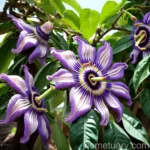
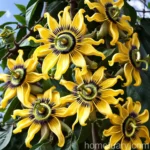
Passiflora x alato-caerulea, also known as Blue Passion Flower, is a captivating flowering plant renowned for its intricate blossoms and vigorous climbing vines. It is a hybrid of Passiflora alata (Passion Flower) and Passiflora caerulea (Blue Passion Flower), combining the best characteristics of both species to create a magnificent ornamental plant.
The plant features showy, multi-colored flowers that bloom abundantly, exuding a sweet fragrance and attracting various pollinators, such as butterflies and hummingbirds. With its lush green foliage and striking blooms, Passiflora x alato-caerulea makes a stunning addition to gardens, landscapes, and indoor spaces.
Key Takeaways – Passiflora x alato-caerulea (Passion Flower)
As we delve deeper into understanding Passiflora x alato-caerulea, it’s essential to highlight some key takeaways to provide a comprehensive overview of this captivating plant.
- Common Names:
- Passiflora alata (Passion Flower)
- Passiflora caerulea (Blue Passion Flower)
- Blue Passion Vine
- Passion Flower plant
- Cultural Significance:
- Symbolism in various cultures
- Traditional medicinal uses
- Culinary applications
- Growth Habits:
- Climbing vine
- Trailing growth
- Indoor and outdoor cultivation
- Attracts Wildlife:
- Butterflies
- Hummingbirds
- Pollinators
- Diverse Uses:
- Ornamental beauty
- Herbal remedies
- Landscaping element
Now, let’s delve into each aspect of Passiflora x alato-caerulea in detail to gain a comprehensive understanding of its culture, uses, care requirements, and significance in various settings.
Culture
Water
Passion Flowers, like most plants, require adequate water to thrive but are sensitive to overwatering. Finding the right balance in watering is crucial for the plant’s health. During the growing season, it is recommended to water the plant regularly, keeping the soil consistently moist but not waterlogged. In contrast, during the dormant phase, which typically occurs in winter, the plant should be watered sparingly to avoid water stress.
Sunlight
Passiflora x alato-caerulea thrives in full sun to partial shade conditions. In regions with intense heat, providing some afternoon shade can prevent the plant from getting scorched while promoting healthy growth. When grown indoors, it is essential to place the plant in a bright location, ensuring it receives sufficient sunlight to support flowering and overall vitality.
Fertilizer
Fertilizing Passion Flowers is crucial for promoting blooming and vigorous growth. During the growing season, a balanced, slow-release fertilizer can be applied every 4-6 weeks to provide essential nutrients. It is advisable to use a fertilizer specifically formulated for flowering plants to support prolific blooming and overall plant health.
Soil
Passiflora x alato-caerulea thrives in well-draining, fertile soil. A rich, loamy mix with good aeration and moisture retention is ideal for promoting healthy growth and abundant blooming. When cultivating the plant in containers, using a high-quality potting mix designed for flowering plants can provide the necessary support for optimal growth and development.
Pruning
Pruning is essential for maintaining the shape, health, and longevity of Passion Flowers. Regularly pruning the plant helps manage its size, promotes new growth, and enhances flowering. Pruning should be done after the blooming season to remove spent flowers, encourage branching, and shape the plant according to the desired form. Additionally, removing weak or damaged growth can improve the plant’s overall appearance and vitality.
Propagation
Passion Flowers can be propagated through various methods, including seeds, cuttings, and layering. Each propagation method offers unique advantages and requirements, allowing enthusiasts to propagate the plant according to their preference and expertise. While seeds are ideal for growing new plants from scratch, stem cuttings and layering are suitable for propagating specific varieties or ensuring genetic consistency in the offspring.
Container Popularity
Passiflora x alato-caerulea is a popular choice for container gardening due to its manageable size, attractive appearance, and versatility. Cultivating the plant in containers provides the flexibility to create stunning arrangements, utilize limited space, and easily move the plant indoors during unfavorable weather conditions. Additionally, the vibrant blooms and trailing vines of Passion Flowers make them a delightful addition to patios, balconies, and indoor spaces.
Common Diseases
Passion Flowers are relatively resilient but can be susceptible to certain diseases and pests. Being aware of common diseases and their symptoms can help in timely intervention and effective management. Some of the common diseases that Passion Flowers may encounter include:
- Fungal Diseases:
- Powdery mildew
- Leaf spot
-
Root rot
-
Viral Diseases:
- Passion Fruit Woodiness Virus
-
Cucumber Mosaic Virus
-
Bacterial Diseases:
- Bacterial wilt
Disease Diagnosis
Diagnosing and addressing plant diseases promptly is crucial for preventing widespread damage and ensuring the plant’s health and vitality. When encountering unusual symptoms or signs of distress in Passion Flowers, conducting a thorough diagnosis can aid in identifying the underlying issue and implementing appropriate remedies. Engaging in regular plant inspections, monitoring growth patterns, and seeking professional advice can contribute to effective disease diagnosis and management.
Common Pests
Passion Flowers can attract a variety of pests, including aphids, spider mites, caterpillars, and whiteflies. These pests can affect the plant’s growth, compromise flowering, and diminish its overall appeal. Implementing integrated pest management strategies, such as beneficial insect release, regular monitoring, and natural remedies, can help mitigate pest infestations and preserve the plant’s health without resorting to harsh chemical treatments.
Botanist’s Tips
To optimize the growth and blooming of Passiflora x alato-caerulea, consider the following tips and best practices:
- Support Structure:
- Providing a sturdy trellis or support for climbing varieties can promote healthy growth and prevent tangling of vines.
- Mulching:
- Applying a layer of organic mulch around the plant can help conserve moisture, regulate soil temperature, and suppress weed growth.
- Pollinator-Friendly Garden:
- Cultivating Passion Flowers alongside other nectar-rich, flowering plants can create a vibrant habitat for pollinators and enhance ecological diversity.
Fun Facts
Discover some intriguing facts about Passiflora x alato-caerulea:
- The unique, intricate structure of Passion Flower blossoms has symbolic significance in various cultures, representing elements of the Christian faith and spiritual symbolism.
- Passion Flowers produce edible fruits known as passion fruit or maracuyá, which are popular for their delicious flavor and culinary versatility.
- The distinctive appearance and vibrant colors of Passion Flower blooms make them a sought-after subject for botanical art and photography, capturing the plant’s beauty in various artistic expressions.
Links to External Resources
For further exploration and in-depth information about Passion Flowers, refer to the following external resources:
- Passion Flower Society
- Royal Horticultural Society – Growing Passion Flowers
- University of Florida – Passiflora spp.
Dive into the captivating world of Passiflora x alato-caerulea and unlock the secrets of this enchanting plant, from its rich cultural symbolism to its diverse uses and unparalleled beauty. Whether adorning gardens, attracting wildlife, or adding a touch of exotic elegance to indoor spaces, Passion Flowers continue to captivate enthusiasts and serve as a testament to the remarkable beauty and resilience of the plant kingdom.