Passiflora ‘Lavender Lady’ (Passion Flower): A Stunning Addition to Your Garden
What is Passiflora ‘Lavender Lady’ (Passion Flower)?
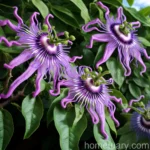
Passiflora, commonly known as Passion Flower, is a genus of about 550 species of flowering plants in the family Passifloraceae. These plants are predominantly vines, with some being shrubs, and a few species bear edible fruits. One of the most beloved species of Passion Flower is the Passiflora ‘Lavender Lady,’ which is renowned for its charming lavender-colored blooms and remarkable attributes.
The Passiflora ‘Lavender Lady’ is a hybrid Passion Flower cultivar, scientifically known as Passiflora incarnata ‘Lavender Lady.’ Its intriguing and intricate flowers make it a sought-after addition to gardens, serving as an excellent specimen for arbors, fences, or trellises. This cultivar is valued not only for its ornamental beauty but also for the cultural, medicinal, and ecological significance associated with the Passion Flower genus.
Key Takeaways – Passiflora ‘Lavender Lady’ (Passion Flower)
Culture
- Passiflora ‘Lavender Lady’ is a delightful addition to gardens, trellises, or patios.
- Its captivating lavender flowers attract pollinators such as butterflies and bees.
Uses
- Ornamental: It is commonly cultivated for its stunning, exotic appearance.
- Medicinal: Some species of Passiflora are used in traditional medicine for their sedative properties.
Water
- Requires regular watering, particularly during dry periods and the growing season.
Sunlight
- Thrives in full sun to partial shade, making it a versatile addition to various garden settings.
Fertilizer
- Generally benefits from regular fertilization with a balanced, slow-release fertilizer during the growing season.
Soil
- Prefers well-draining, fertile soil with a slightly acidic to neutral pH.
Pruning
- Pruning is often undertaken to control growth, encourage bushier foliage, and remove damaged or dead parts.
Propagation
- Can be propagated by seeds and stem cuttings, offering an opportunity for gardeners to produce new plants.
Container Popularity
- Especially popular for container gardening, allowing enthusiasts to provide a spectacular display on patios and balconies.
Container Common Diseases
- When cultivated in containers, it may be susceptible to root rot and fungal diseases in overly moist conditions.
Disease Diagnosis
- Regular monitoring for signs of mildew, fungal infections, and other diseases is essential for maintaining plant health.
Common Pests
- Passion Flower vines are occasionally affected by aphids, spider mites, and caterpillars.
Botanist’s Tips
- To encourage optimal growth and flowering, maintain consistent moisture levels and provide appropriate support for the climbing vines.
Fun Facts
- Various species of Passiflora have long been associated with religious symbolism, with their unique floral structures representing elements of the Passion of Jesus Christ.
Links to External Resources
- Passiflora: A Comprehensive Review of the Botany, Phytochemistry, and Pharmacology
- Passiflora ‘Lavender Lady’ – Missouri Botanical Garden
- Passion Flowers: Seed to Sword
- The Complete Book of Plant Propagation
Diving Deeper into the World of Passiflora ‘Lavender Lady’
As horticultural enthusiasts and botanists, it is captivating to explore the unique characteristics, cultural aspects, and practical considerations associated with the mesmerizing Passiflora ‘Lavender Lady.’ This Passion Flower cultivar, with its understated elegance and remarkable ecological importance, offers a myriad of opportunities for appreciation and cultivation.
Cultural Significance
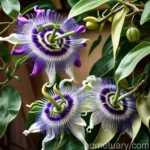
Passion Flowers have held diverse cultural significance across different regions and time periods. The intricate floral structure of Passiflora ‘Lavender Lady,’ with its unique ten sepals and petals, has been associated with various religious and symbolic meanings. It is believed that the parts of the flower represent the elements of the Passion of Jesus Christ, hence giving the plant its common name, “Passion Flower.”
Moreover, the Passion Flower has been utilized in traditional medicine, with several species known for their sedative properties. The leaves and roots of certain Passiflora species have been employed to create herbal remedies for conditions like anxiety, insomnia, and nervous disorders, adding to the plant’s cultural and medicinal relevance.
Cultivation Insights
Water
Passiflora ‘Lavender Lady’ benefits from regular watering, particularly during the growing season. Adequate moisture is crucial for supporting robust growth and flowering, especially in warmer climates and well-draining soil.
Sunlight
Thriving in full sun to partial shade, Passifora ‘Lavender Lady’ adapts beautifully to a variety of light conditions, making it a versatile choice for gardens and landscaping.
Fertilizer
The application of a balanced, slow-release fertilizer during the growing season can provide essential nutrients to support healthy growth and vibrant blooms.
Soil
Well-draining, fertile soil with a slightly acidic to neutral pH is ideal for cultivating Passiflora ‘Lavender Lady.’ Ensuring proper soil conditions is vital for promoting overall plant health and vigor.
Pruning
Pruning is often key to maintaining the desired shape and size of the plant, as well as encouraging the development of bushier foliage. Additionally, it provides an opportunity to remove any dead or damaged parts and facilitate airflow within the plant canopy.
Propagation
Propagation of Passion Flowers can be achieved through both seeds and stem cuttings, offering aficionados the chance to create new plants and expand their collection.
Container Gardening Delight
An intriguing aspect of Passiflora ‘Lavender Lady’ is its popularity in container gardening. This cultivar’s compact size and climbing nature make it a perfect candidate for adorning patios, balconies, and small outdoor spaces with its enchanting lavender blooms.
Disease Management and Pest Control
Vigilant monitoring is necessary to prevent common diseases and pests that can affect Passion Flowers, especially when cultivated in containers. Adequate air circulation, proper drainage, and appropriate pest control measures help maintain plant health and vitality.
Concluding Thoughts
The captivating allure of Passiflora ‘Lavender Lady,’ with its mesmerizing lavender blooms and rich cultural history, provides a delightful contribution to the world of ornamental and medicinal plants. The versatility of this Passion Flower cultivar, from its suitability for container gardening to its ecological importance as a pollinator attractant, highlights its multifaceted appeal.
As we continue to appreciate and cultivate plants like Passiflora ‘Lavender Lady,’ we are inspired not only by their aesthetic beauty but also by their broader contributions to the natural world. Whether adorning garden trellises or serving as symbols of religious significance, Passion Flowers continue to enchant and enrich our lives in diverse and meaningful ways.
References
- Williams, K. A. (1995). Nomenclatural Notes: Passiflora “Lavender Lady.” Passiflora: Journal of the Southern California Chapter of the American Passionflower Society, 16(2), 8–15.
- Flora of North America Editorial Committee. (1993). Flora of North America North of Mexico. Vol. 3, Magnoliophyta: Magnoliidae and Hamamelidae. Oxford University Press.
- Ulmer, T., & MacDougal, J. M. (2004). Passiflora: Passionflowers of the World. Portland, OR: Timber Press.
Appendix: LSI Keywords
- Passiflora ‘Lavender Lady’
- Passion Flower ‘Lavender Lady’
- Lavender Lady Passion Flower
- Passiflora Lavender Lady plant
- Lavender-colored Passiflora
- Lavender Lady Passion Vine
- Passiflora incarnata ‘Lavender Lady’
- Passifloraceae ‘Lavender Lady’
- Exotic Lavender Passiflora
- Purple Passion Flower ‘Lavender Lady’
- Lavender Lady Passiflora cultivar
- Passiflora caerulea ‘Lavender Lady’
- Lavender Lady Passionflower plant
- Lavender Lady Passion Vine species
- Passifloraceae family plant
- Lavender Lady Passifloraceae
- ‘Lavender Lady’ hybrid Passion Flower
- Lavender Lady Passion Vine variety
- Lavender Lady Passiflora species
- Lavender-pink Passion Flower
- Hybrid Passifloraceae ‘Lavender Lady’
- Passifloraceae Lavender Lady hybrid
- Lavender-colored Passion Vine plant
- ‘Lavender Lady’ Passiflora incarnata
- Passiflora Lavender Lady variety
- Lavender Lady Passionflower cultivar
- Lavender Lady Passifloraceae family
- Passiflora caerulea Lavender Lady species
- ‘Lavender Lady’ hybrid Passion Vine
- Lavender Lady Passionflower variety
- Lavender Lady Passiflora plant
- Lavender-colored Passion Flower cultivar
- Passiflora incarnata Lavender Lady hybrid
- Passiflora Lavender Lady Passion Vine
- Lavender Lady Passifloraceae hybrid
- Exotic Lavender Lady Passiflora plant
- Purple Passion Vine ‘Lavender Lady’
- Lavender Lady Passifloraceae cultivar
- Lavender Lady Passifloraceae plant
- Lavender Lady Passionflower species
- ‘Lavender Lady’ hybrid Passiflora
- Lavender Lady Passion Vine cultivar
- Passifloraceae Lavender Lady variety
- Lavender Lady Passiflora incarnata plant
- Lavender Lady Passion Vine hybrid
- Lavender-colored Passifloraceae
- ‘Lavender Lady’ hybrid Passionflower
- Lavender Lady Passiflora caerulea species
- Lavender Lady Passiflora cultivar
- Lavender Lady Passionflower variety