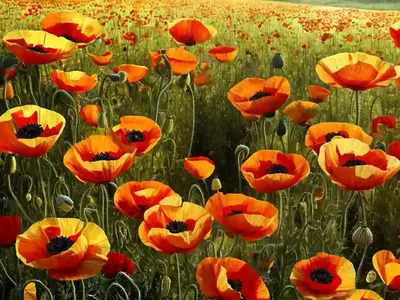
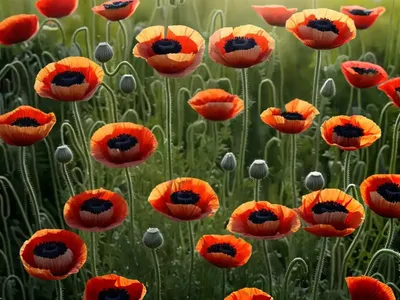
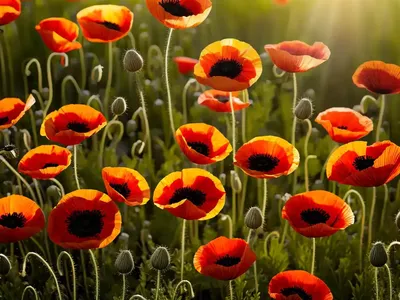
Papaver Orientale ‘Picotxe’ (Oriental Poppy)
The Papaver orientale ‘Picotxe’, commonly known as the Oriental Poppy, is a striking perennial plant that belongs to the Papaveraceae family. This.
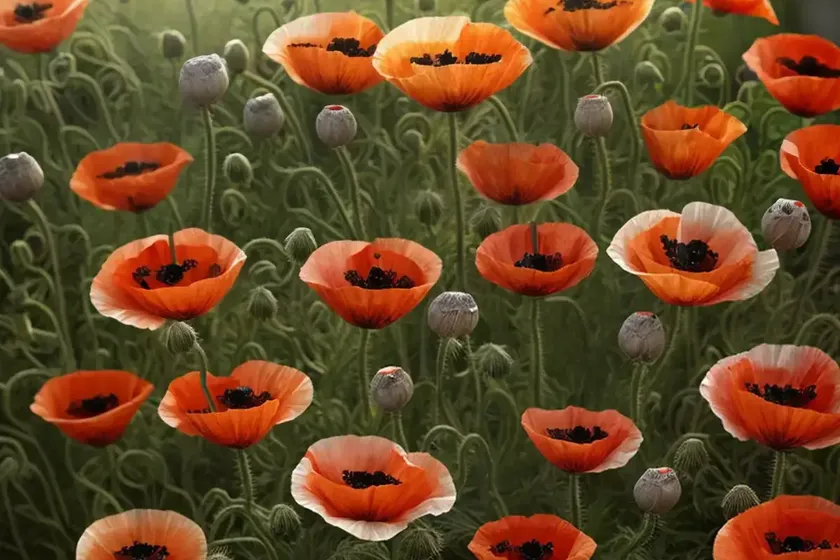
What is Papaver orientale ‘Picotxe’ (Oriental Poppy)?
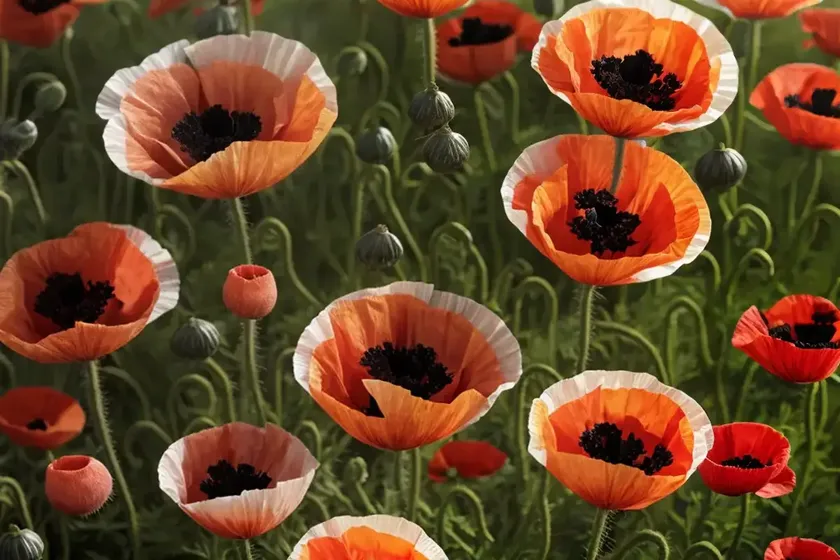
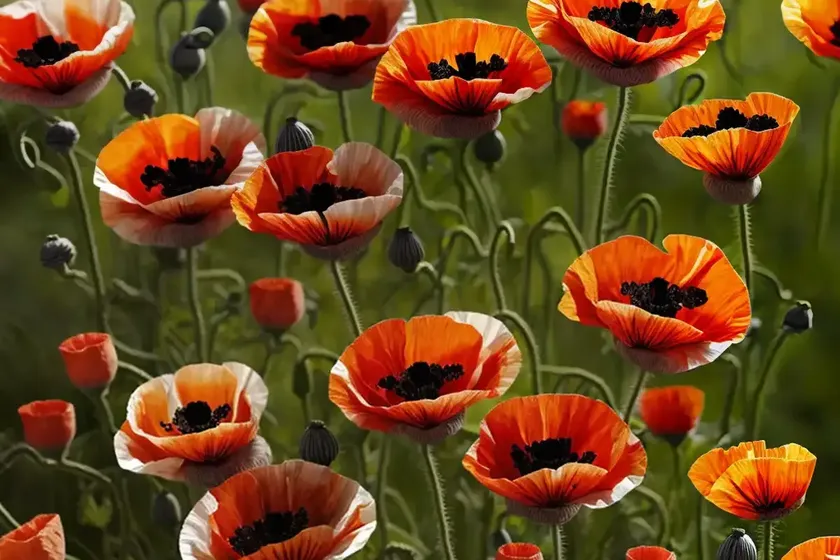
The Papaver orientale ‘Picotxe’, commonly known as the Oriental Poppy, is a striking perennial plant that belongs to the Papaveraceae family. This herbaceous plant is native to the Caucasus, northeastern Turkey, and northern Iran, and is celebrated for its vibrant, cup-shaped flowers that come in an array of stunning colors, including red, orange, pink, and salmon. The ‘Picotxe’ variety of the Oriental Poppy is particularly prized for its compact nature and bold, showy blooms.
Key Takeaways – Papaver orientale ‘Picotxe’ (Oriental Poppy)
- Scientific Name: Papaver orientale ‘Picotxe’
- Common Name: Oriental Poppy
- Family: Papaveraceae
- Native Range: Caucasus, northeastern Turkey, northern Iran
- Features: Vibrant cup-shaped flowers in various shades
- Variety: ‘Picotxe’ – known for compact growth and bold blooms
Culture of Papaver orientale ‘Picotxe’
Uses
The Papaver orientale ‘Picotxe’ is highly sought after for its aesthetic appeal. It is often utilized in garden landscapes, borders, and cottage gardens to add a burst of color and visual interest. Additionally, the Oriental Poppy can be cultivated for cut flower arrangements, bringing its radiant blossoms indoors to brighten up any space.
Water
Oriental Poppies, including the ‘Picotxe’ variety, prefer well-drained soil and moderate watering. Overly soggy conditions may lead to root rot, so it is important to strike a balance and not over-water the plant.
Sunlight
These plants thrive in full sun, requiring at least six to eight hours of direct sunlight daily to promote optimal blooming and overall growth.
Fertilizer
A balanced fertilizer can be applied in early spring to support the plant’s growth and flowering. Be cautious not to over-fertilize, as this can result in excessive foliage at the expense of flower production.
Soil
The Papaver orientale ‘Picotxe’ thrives in well-draining, fertile soil with a slightly alkaline pH. Amending the soil with organic matter can enhance its quality, ensuring that the plant receives the nutrients it needs to flourish.
Pruning
Once the flowers have faded, deadheading the Oriental Poppy can encourage a prolonged flowering period and prevent self-seeding. Additionally, regular deadheading can help maintain the plant’s overall appearance.
Propagation
The ‘Picotxe’ variety of the Oriental Poppy can be propagated through division. This process involves carefully separating the plant’s rhizomes in early spring, facilitating the creation of new, independent plants.
Container Popularity
While the Oriental Poppy is often grown in garden settings, it can also thrive in containers, making it a versatile option for those with limited outdoor space. The ‘Picotxe’ variety, with its compact growth habit, is particularly well-suited for container cultivation.
Common Diseases
The Oriental Poppy, including the ‘Picotxe’ variety, is generally resistant to most common plant diseases. However, it may be susceptible to issues such as powdery mildew or rust in conditions of high humidity.
Disease Diagnosis
Diseases such as powdery mildew can be identified by the presence of a white, powdery substance on the leaves, whereas rust manifests as small, orange pustules on the plant’s foliage. Prompt treatment and preventive measures, such as providing adequate air circulation, can help address and mitigate these concerns.
Common Pests
While the Oriental Poppy is relatively resilient, it can attract pests such as aphids and thrips, particularly during warm weather. Regular inspection and the implementation of natural pest control methods can help manage these issues without the need for harsh chemical treatments.
Botanist’s Tips
As a plant biologist, I recommend providing the ‘Picotxe’ variety of Papaver orientale with ample space and avoiding excessive disturbance to its root system, as this can disrupt its growth and flowering. Additionally, consistent moisture management and the prevention of waterlogging are crucial for the overall well-being of this stunning perennial.
Fun Facts
- The Oriental Poppy holds cultural significance, often symbolizing remembrance and imagination in various contexts.
- The ‘Picotxe’ variety is prized for its rich, intense colors and its ability to thrive in a wide range of climates.
Links to External Resources
For individuals interested in learning more about the Papaver orientale ‘Picotxe’ and cultivating this captivating plant, the following resources provide valuable information and insights:
- Royal Horticultural Society – Papaver orientale
- Missouri Botanical Garden – Oriental Poppy
- The Spruce – Growing Oriental Poppies
In conclusion, the Papaver orientale ‘Picotxe’, with its dazzling blooms and adaptability, stands as an enchanting addition to any garden or landscape. By understanding its specific care requirements and leveraging best practices for cultivation, individuals can experience the enduring beauty and allure of this remarkable perennial. Whether grown in gardens, containers, or used for cut flower arrangements, the ‘Picotxe’ variety of the Oriental Poppy is sure to captivate and inspire with its vibrant presence.