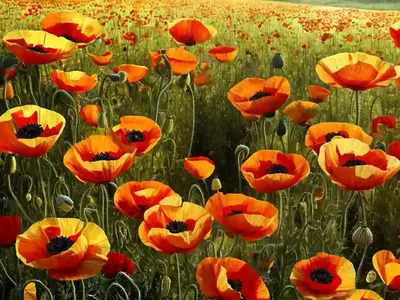
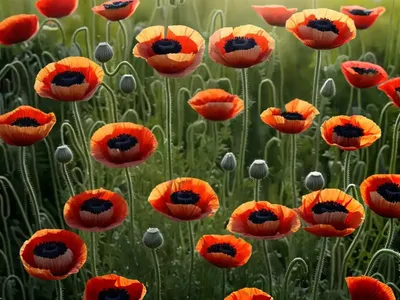
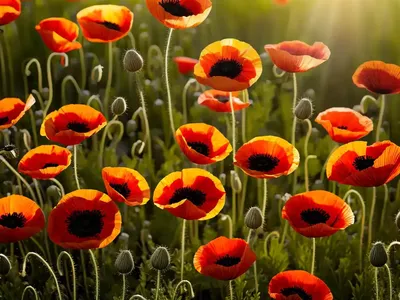
Papaver Orientale ‘Patty’s Plum’ (Oriental Poppy)
Papaver orientale ‘Patty’s Plum’, also known as Oriental Poppy ‘Patty’s Plum’, is a stunning perennial plant that has captured the hearts of many gardening.
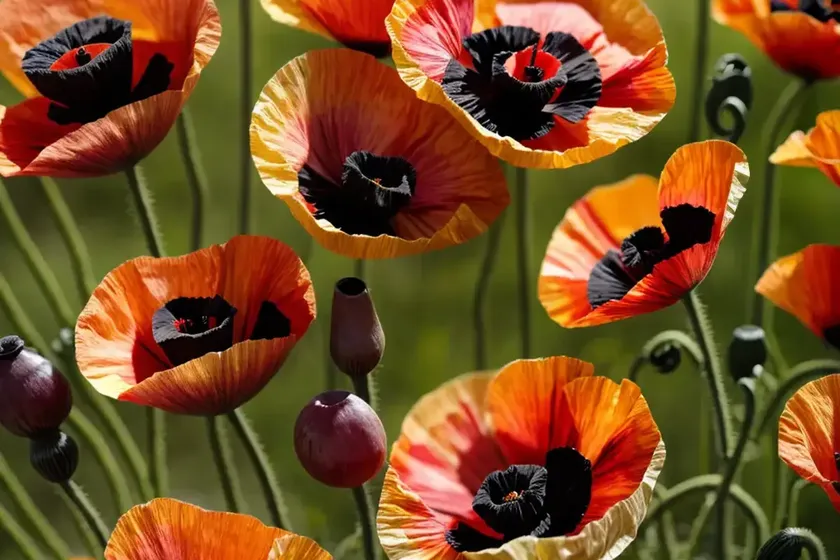
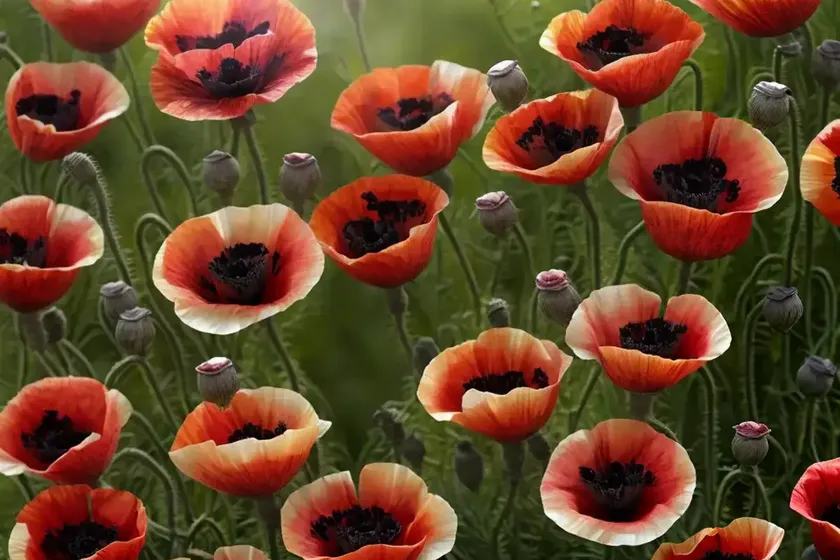
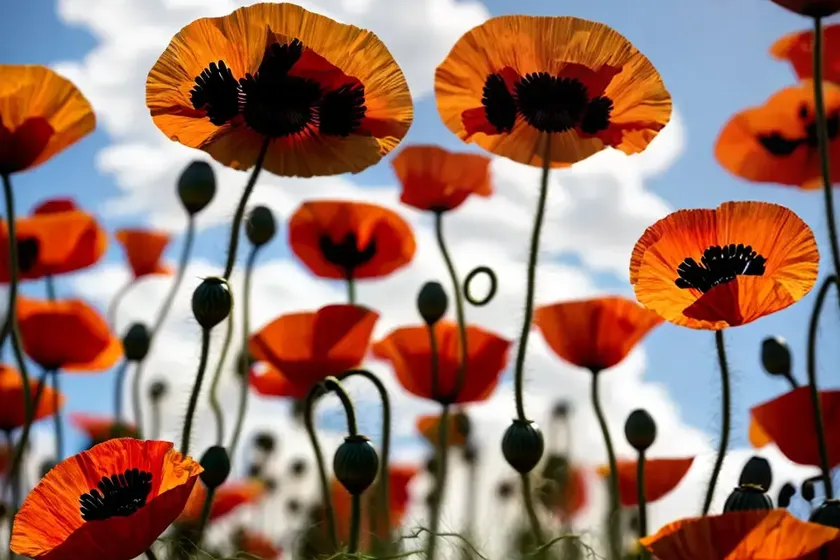
Papaver orientale ‘Patty’s Plum’, also known as Oriental Poppy ‘Patty’s Plum’, is a stunning perennial plant that has captured the hearts of many gardening enthusiasts. Its vibrant, plum-colored flowers and ease of care make it a popular choice for adding a pop of color to gardens, borders, and containers. In this comprehensive guide, we will delve into the characteristics, cultivation, and maintenance of Papaver orientale ‘Patty’s Plum’, providing valuable insights into its culture, uses, common diseases, and much more.
What is Papaver orientale ‘Patty’s Plum’?
Papaver orientale ‘Patty’s Plum’ is a herbaceous perennial plant that belongs to the Papaveraceae family. It is a cultivar of the Oriental Poppy, known for its large, dramatic flowers and attractive foliage. This particular variety is celebrated for its striking plum-colored blooms, which bring a touch of elegance and charm to any garden landscape.
Key Takeaways – Papaver orientale ‘Patty’s Plum’ (Oriental Poppy):
- Scientific Name: Papaver orientale ‘Patty’s Plum’
- Common Name: Oriental Poppy ‘Patty’s Plum’
- Plant Type: Herbaceous Perennial
- Flower Color: Plum
- Foliage: Blue-green, Lobed
- Bloom Time: Late Spring to Early Summer
- Mature Height: 24-36 inches
- USDA Hardiness Zones: 3-7
Now that we have a basic understanding of this captivating plant, let’s explore the elements crucial for its cultivation and care.
Culture of Papaver orientale ‘Patty’s Plum’
Cultivating Papaver orientale ‘Patty’s Plum’ successfully involves understanding its specific cultural requirements. From soil and sunlight to watering and pruning, each aspect plays a vital role in nurturing this exceptional plant.
Uses
Papaver orientale ‘Patty’s Plum’ finds versatile uses in the garden and landscape, including:
- Flower Borders: Its vibrant blooms add a splash of color to flower borders, creating visually appealing displays.
- Cut Flowers: The eye-catching flowers of ‘Patty’s Plum’ make stunning additions to floral arrangements, adding a touch of elegance to indoor spaces.
- Container Gardening: This poppy variety thrives in containers, making it an excellent choice for patio or balcony gardens.
- Pollinator Gardens: The nectar-rich blooms attract pollinators such as bees and butterflies, contributing to the ecological balance of the garden.
- Focal Points: With its bold color and striking appearance, ‘Patty’s Plum’ serves as an excellent focal point in garden designs.
Water
Proper watering is essential for the health and vitality of Papaver orientale ‘Patty’s Plum’. Here are some crucial points to consider:
- Watering Schedule: During the active growing season, provide regular water to keep the soil consistently moist but not waterlogged.
- Avoid Overhead Watering: To prevent fungal diseases, water the base of the plant or use a soaker hose to deliver water directly to the soil.
Sunlight
Adequate sunlight is critical for the growth and flowering of ‘Patty’s Plum’. Here’s what you need to know about its sunlight requirements:
- Full Sun: Plant in a location that receives at least 6-8 hours of direct sunlight per day for abundant flowering and healthy foliage.
- Partial Shade: In regions with intense summer heat, some afternoon shade can be beneficial to protect the plant from scorching.
Fertilizer
Feeding Papaver orientale ‘Patty’s Plum’ with the right nutrients supports its overall development and flowering potential. Consider the following fertilizer guidelines:
- Balanced Fertilizer: Apply a balanced, slow-release fertilizer in early spring to promote healthy growth and prolific flowering.
- Avoid Excess Nitrogen: Overly rich soils can lead to excessively lush foliage at the expense of flower production, so choose a fertilizer with a balanced nutrient profile.
Soil
Understanding the soil preferences of Papaver orientale ‘Patty’s Plum’ is crucial for providing an optimal growing environment. Here’s what you need to know about its soil requirements:
- Well-Drained Soil: Plant ‘Patty’s Plum’ in well-draining, loamy soil to prevent waterlogging and root rot.
- pH Level: The ideal soil pH for Oriental Poppy ‘Patty’s Plum’ is slightly acidic to neutral (pH 6.0-7.0).
Pruning
Proper pruning helps maintain the health and vigor of Papaver orientale ‘Patty’s Plum’ while enhancing its aesthetic appeal. Consider the following pruning techniques:
- Deadheading: Remove spent flowers promptly to promote continuous blooming and prevent self-seeding.
- Cutting Back: After the plant’s foliage turns yellow and dies back in late summer, trim it to ground level to rejuvenate the plant for the next growing season.
Propagation
Expanding your collection of ‘Patty’s Plum’ Oriental Poppies through propagation can be an exciting endeavor. Here are some methods for propagating this stunning variety:
- Division: Divide mature clumps in early spring or early fall to create new plants and rejuvenate older ones.
- Seeds: Collect and sow seeds for new plantings, ensuring a mix of warmth, moisture, and light for successful germination.
Container Popularity
The compact habit and striking blooms of ‘Patty’s Plum’ make it a popular choice for container gardening. When growing in containers, consider the following tips for success:
- Container Size: Select a spacious container with adequate drainage holes to accommodate the plant’s root system and provide room for growth.
- Well-Draining Media: Use a quality potting mix that offers excellent drainage to prevent waterlogging of the roots.
Common Diseases and Pest Management
Despite its resilience, Papaver orientale ‘Patty’s Plum’ may be susceptible to certain diseases and pests. Being aware of these potential issues is crucial for proactive management and maintaining the plant’s health.
Common Diseases
‘Oriental Poppy ‘Patty’s Plum’ may face the following common diseases:
-
Powdery Mildew: A fungal disease that appears as a powdery white residue on the leaves, affecting overall plant health and aesthetics.
Disease Management: Apply fungicidal sprays or neem oil at the first signs of powdery mildew to prevent its spread and protect new growth.
-
Root Rot: Excessive moisture or poorly drained soil can lead to root rot, causing yellowing, wilting, and decline of the plant.
Disease Management: Improve soil drainage and avoid overwatering to prevent the development of root rot in ‘Patty’s Plum’.
Disease Diagnosis
To accurately diagnose and address potential diseases, it’s essential to monitor the plant closely and look out for the following symptoms:
- Discolored or Wilting Foliage
- Unusual Spots or Growths on Leaves
- Stunted Growth or Decline in Overall Health
- Abnormal Flowering Patterns
Common Pests
‘Oriental Poppy ‘Patty’s Plum’ may attract certain pests that can affect its growth and flowering potential:
-
Aphids: These small, soft-bodied insects may gather on the new growth and buds, sucking plant sap and causing distortion of leaves and flowers.
Pest Management: Use insecticidal soap or neem oil to control aphid infestations and protect the plant from damage.
-
Slugs and Snails: These pests can feed on the foliage and young shoots, leaving behind characteristic holes and damage.
Pest Management: Employ physical barriers or organic slug and snail baits to deter and eliminate these pests.
Botanist’s Tips for Growing Papaver orientale ‘Patty’s Plum’
To ensure the successful growth and longevity of ‘Patty’s Plum’ Oriental Poppy, consider the following expert tips:
- Air Circulation: Plant ‘Patty’s Plum’ in locations with good air circulation to prevent fungal diseases and promote healthy foliage.
- Mulching: Apply a layer of organic mulch around the base of the plant to conserve soil moisture and suppress weed growth.
- Companion Planting: Pair ‘Patty’s Plum’ with companions such as Salvia, Alliums, and Catmint to create visually striking and ecologically beneficial plant combinations.
Fun Facts about Papaver orientale ‘Patty’s Plum’
- The specific epithet “orientale” in the scientific name of this poppy, Papaver orientale ‘Patty’s Plum’, refers to its native range in the eastern regions of Europe and Asia.
- ‘Patty’s Plum’ Oriental Poppy is renowned for its significant drought tolerance, making it a resilient and low-maintenance garden plant.
- The large, showy flowers of ‘Patty’s Plum’ Oriental Poppy serve as excellent landing pads for visiting pollinators, enhancing the ecological value of the garden.
- The stunning plum-colored blooms of this poppy variety make it a sought-after choice for adding depth and elegance to garden compositions.
Now that we’ve explored the cultural aspects and unique attributes of Papaver orientale ‘Patty’s Plum’, let’s delve into some valuable external resources for further information and inspiration.
Links to External Resources
- Royal Horticultural Society – Oriental Poppies
- Missouri Botanical Garden – Papaver orientale ‘Patty’s Plum’
- University of California – Integrated Pest Management for Ornamental Poppy
- Garden Design Magazine – Oriental Poppy’s Bold Blooms
- American Society for the Prevention of Cruelty to Animals – Toxic and Non-Toxic Plants: Oriental Poppy
These resources offer a wealth of information on Oriental Poppies, including specific care guidelines, design ideas, and insights into disease and pest management.
In conclusion, Papaver orientale ‘Patty’s Plum’ (Oriental Poppy) stands as a captivating and esteemed plant variety that enriches gardens with its resplendent flowers and graceful presence. By understanding its culture, uses, and maintenance requirements, plant enthusiasts can cultivate and enjoy the beauty of ‘Patty’s Plum’ while contributing to the diversity and allure of their garden landscapes.
Remember, each cultivar and plant species has its own unique care requirements, and the more we understand about them, the better equipped we are to create flourishing and vibrant garden spaces.
Whether you’re a seasoned gardener or a novice enthusiast, the journey of nurturing Papaver orientale ‘Patty’s Plum’ is filled with opportunities for learning, appreciation, and the joy of witnessing nature at its most splendid.
Now, go forth and cultivate the beauty of ‘Patty’s Plum’ Oriental Poppy in your own garden, and let its resplendent blooms bring a touch of elegance and allure to your outdoor oasis.