Passion Flower (Passiflora ‘Violet Ray’)
Passiflora ‘Violet Ray’, commonly known as the passion flower, is a vibrant and enchanting plant that has captivated gardeners and botanists alike for.
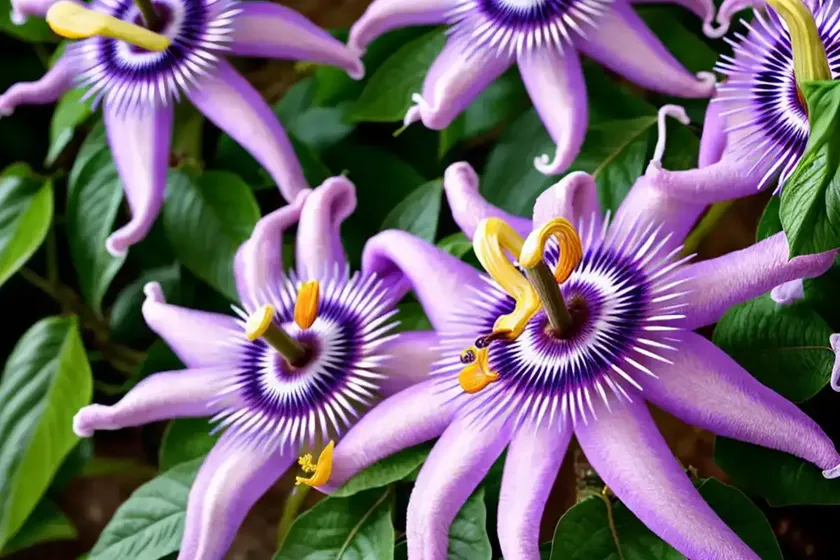
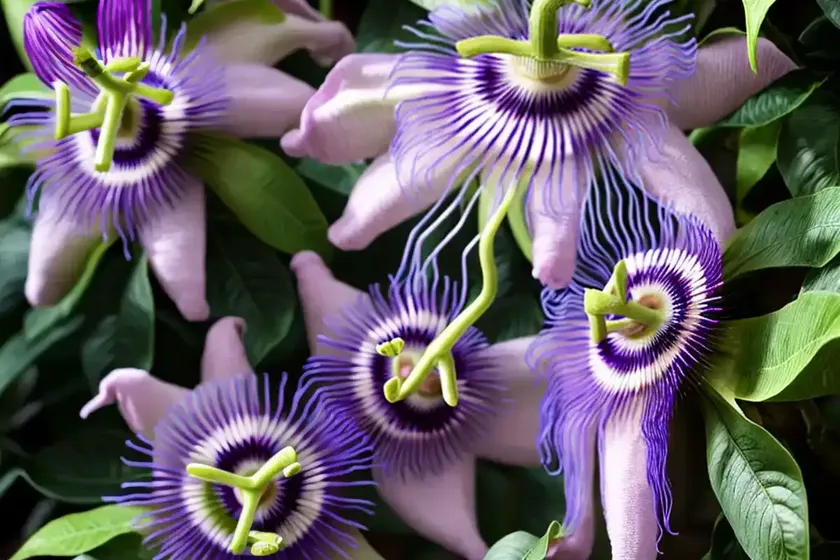
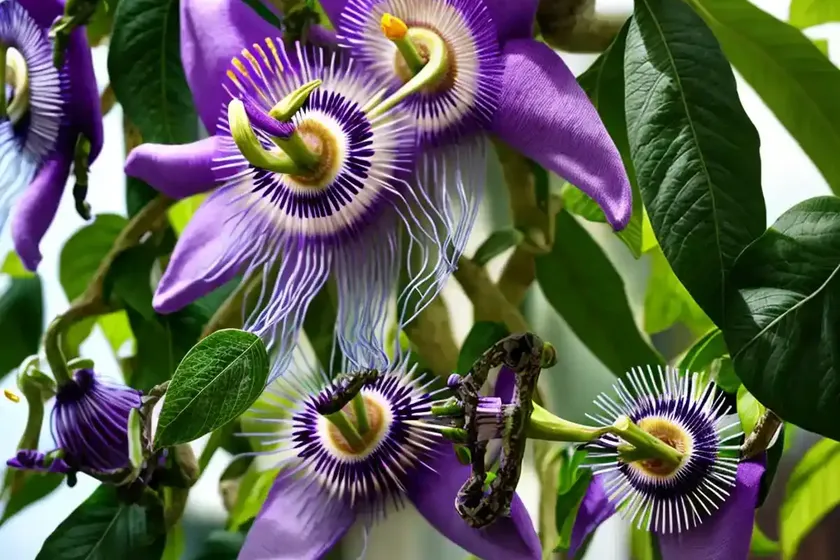
Passiflora ‘Violet Ray’, commonly known as the passion flower, is a vibrant and enchanting plant that has captivated gardeners and botanists alike for centuries. This exquisite vine boasts stunning purple flowers and holds immense cultural, medicinal, and ornamental significance. In this comprehensive guide, we will delve into the intricate details of Passion Flower (Passiflora ‘Violet Ray’), including its cultural significance, uses, optimal growing conditions, maintenance, common diseases and pests, propagation methods, and much more. Let’s embark on a fascinating journey to explore the world of Passiflora ‘Violet Ray’.
What is Plant: Passion Flower (Passiflora ‘Violet Ray’)?
Passiflora ‘Violet Ray’ is a member of the Passifloraceae family, renowned for its unique and visually striking flowers. This perennial vine is native to Central and South America, where it thrives in warm and tropical climates. The distinct blooms of Passiflora ‘Violet Ray’ have earned it numerous admirers, from horticulturists to artists, due to their intricate structure and vibrant hues.
The name “passion flower” holds historical and religious significance, as it has been associated with the Passion of Christ. The intricate floral parts of the plant were seen as symbolic representations of elements of the Passion, leading to the plant’s widespread adoption within Christian iconography. Beyond its symbolic significance, Passiflora ‘Violet Ray’ has also been utilized in traditional medicine for its purported calming and sedative properties.
Key Takeaways – Passion Flower (Passiflora ‘Violet Ray’)
To provide a comprehensive understanding of Passion Flower (Passiflora ‘Violet Ray’), let’s explore the key takeaways related to its cultivation, care, and uses.
-
Cultural Significance: Passion Flower (Passiflora ‘Violet Ray’) holds historical and religious significance, being associated with the Passion of Christ and utilized within Christian iconography.
-
Medicinal Uses: This plant has been traditionally used for its calming and sedative properties in herbal remedies.
-
Ornamental Appeal: Passiflora ‘Violet Ray’ is highly valued for its visually captivating and vibrant flowers, making it a popular choice for ornamental gardening and landscaping.
-
Native Habitat: Originating from Central and South America, this perennial vine thrives in warm and tropical climates.
With these key takeaways in mind, let’s dive deeper into the essential aspects of cultivating and caring for Passion Flower (Passiflora ‘Violet Ray’).
Culture
Understanding the cultural significance and uses of Passion Flower (Passiflora ‘Violet Ray’) provides valuable insights into the historical and practical aspects of this captivating plant.
Uses
Passion Flower (Passiflora ‘Violet Ray’) serves various purposes, combining ornamental, cultural, and medicinal applications.
-
Ornamental Usage: The vibrant and intricate flowers of Passiflora ‘Violet Ray’ make it a sought-after addition to gardens, where it adds a touch of allure and vibrancy.
-
Medicinal Applications: In traditional medicine, passion flower has been used for its potential calming and sedative properties, often incorporated into herbal remedies and preparations.
-
Cultural and Religious Symbolism: Due to its association with the Passion of Christ, the passion flower holds profound significance in Christian symbolism and art.
The diverse uses of Passion Flower (Passiflora ‘Violet Ray’) underscore its multifaceted appeal and historical relevance.
Water
Proper watering is crucial for the health and vigor of Passion Flower (Passiflora ‘Violet Ray’). While the specific watering requirements may vary based on environmental conditions, the following general guidelines should be considered:
-
Establishment Phase: During the initial establishment phase, maintain consistently moist soil to promote root development and ensure the plant’s successful acclimatization.
-
Mature Plants: Once established, passion flower typically thrives with moderate and regular watering, especially during periods of extended dryness or high temperatures.
It is important to monitor the soil moisture levels and adjust the watering frequency to prevent waterlogging or drought stress, both of which can adversely impact the plant’s health.
Sunlight
Passiflora ‘Violet Ray’ exhibits a preference for ample sunlight, thriving in locations with full to partial sun exposure. When selecting the ideal placement for cultivating this captivating vine, consider the following sunlight-related factors:
-
Optimal Sun Exposure: Provide passion flower with at least 6 to 8 hours of direct sunlight daily to promote robust growth and prolific flowering.
-
Shelter from Intense Heat: In regions characterized by exceptionally high temperatures, partial shading during the hottest part of the day can help protect the plant from heat stress.
Striking a balance between sufficient sunlight and mitigating potential heat-related issues is essential for maintaining the health and vitality of Passiflora ‘Violet Ray’.
Fertilizer
A well-balanced and nutrient-rich soil environment is pivotal for sustaining the vigor and blooming capacity of Passion Flower (Passiflora ‘Violet Ray’). When supplementing the soil with fertilizers, it is important to adhere to the following considerations:
-
Fertilization Frequency: Apply a balanced, slow-release fertilizer to passion flower during the growing season, typically every 4 to 6 weeks, to provide essential nutrients for sustained growth and flowering.
-
Nutrient Composition: Utilize a fertilizer formulation that is relatively balanced, encompassing essential macronutrients such as nitrogen, phosphorus, and potassium, alongside micronutrients vital for overall plant health.
By implementing a strategic fertilization regimen, gardeners can promote the continuous vigor and floral abundance of Passiflora ‘Violet Ray’, contributing to its ornamental allure.
Soil
The selection of an appropriate soil type is paramount in facilitating the optimal growth and development of Passion Flower (Passiflora ‘Violet Ray’). The following soil-related aspects should be taken into consideration:
-
Well-Draining Medium: Passion flower thrives in well-draining soil, necessitating proper aeration and moisture regulation to mitigate the risk of waterlogging and root rot.
-
Nutrient-Rich Composition: Utilize a fertile soil medium supplemented with organic matter to provide essential nutrients and support robust growth.
-
pH Range: Passion flower generally favors slightly acidic to neutral soil pH, typically within the range of 6.1 to 7.0, ensuring favorable nutrient uptake and physiological processes.
By addressing these soil-specific parameters, gardeners can establish an optimal growing environment for Passion Flower (Passiflora ‘Violet Ray’), setting the stage for flourishing and abundant blooms.
Pruning
Pruning plays a pivotal role in enhancing the aesthetic appeal, controlling growth, and promoting overall plant health in Passion Flower (Passiflora ‘Violet Ray’). The following pruning guidelines can aid in the maintenance and cultivation of this captivating vine:
-
Deadheading: Remove spent flowers regularly to stimulate continuous blooming and maintain a tidy and visually appealing appearance.
-
Training and Shaping: Employ trellises or supports to guide the growth of passion flower, facilitating a well-defined and desirable growth pattern within the garden or landscape.
-
Winter Pruning: Conduct selective pruning during late winter or early spring, removing any damaged or overgrown foliage to encourage rejuvenated growth in the upcoming season.
Prudent and regular pruning practices can contribute to the longevity and ornamental allure of Passion Flower (Passiflora ‘Violet Ray’), ensuring its continued vibrancy and visual impact.
Propagation
The propagation of Passion Flower (Passiflora ‘Violet Ray’) enables enthusiasts and horticulturists to expand their plant collections and share the beauty of this captivating vine. Several propagation methods can be explored to propagate Passiflora ‘Violet Ray’, including:
-
Stem Cuttings: Obtain stem cuttings from healthy and mature passion flower plants and propagate them in a well-draining and moist propagation medium to initiate root development.
-
Layering: Encourage the formation of roots on a low-hanging stem or vine by burying it in the soil, facilitating the generation of a new individual plant.
-
Seeds: Collect and sow passion flower seeds in a prepared seed-starting mix, providing consistent moisture and warmth to support germination and subsequent seedling growth.
By leveraging these propagation techniques, individuals can propagate Passion Flower (Passiflora ‘Violet Ray’) while preserving the unique traits and captivating allure of the parent plant.
Container Popularity
The allure and adaptability of Passion Flower (Passiflora ‘Violet Ray’) have contributed to its popularity as a container-grown plant, offering versatility and ornamental appeal in various settings. When cultivating Passiflora ‘Violet Ray’ in containers, the following considerations should be addressed:
-
Container Selection: Choose a spacious and well-draining container that accommodates the vigorous growth habit of passion flower while promoting optimal root development.
-
Growing Medium: Utilize a fertile and well-aerated potting mix to provide essential nutrients and support the overall health and vitality of the plant.
-
Support Structure: Incorporate a sturdy trellis or support to facilitate the climbing growth habit of Passiflora ‘Violet Ray’, ensuring proper guidance and stability within the container environment.
Cultivating Passion Flower (Passiflora ‘Violet Ray’) in containers offers a versatile and space-efficient approach to appreciating its captivating flowers and ornamental charm in diverse indoor and outdoor settings.
Common Diseases
While Passion Flower (Passiflora ‘Violet Ray’) exhibits robustness and resilience, it is susceptible to certain diseases that can impact its health and overall vitality. Common diseases that may affect Passiflora ‘Violet Ray’ encompass:
-
Fungal Diseases: Powdery mildew and leaf spot diseases can occur under conditions of high humidity or inadequate air circulation, potentially leading to foliar damage and reduced vigor.
-
Viral Infections: Viral diseases can manifest as mottled or distorted foliage, impacting the visual appeal and physiological functioning of the plant.
-
Root Rot: Prolonged waterlogging or poorly draining soil can predispose passion flower to root rot, leading to wilted foliage and compromised root systems.
By implementing proactive measures, such as promoting proper air circulation, maintaining optimal soil moisture levels, and adhering to sound cultural practices, gardeners can mitigate the risk of common diseases and preserve the health and vitality of Passiflora ‘Violet Ray’.
Disease Diagnosis
Timely and accurate diagnosis of potential diseases is instrumental in implementing targeted treatment and management strategies for the preservation of Passion Flower (Passiflora ‘Violet Ray’). Upon observing abnormal symptoms or signs of distress in the plant, it is advisable to engage in the following diagnostic steps:
-
Visual Inspection: Conduct a thorough visual examination of the foliage, stems, and overall plant appearance to identify any anomalies, including discoloration, lesions, or deformities.
-
Symptom Analysis: Take note of specific symptoms exhibited by the plant, such as leaf wilting, yellowing, or unusual growth patterns, to narrow down potential disease factors.
-
Professional Consultation: Seek guidance from horticulturists or plant health specialists to leverage their expertise in diagnosing and addressing potential diseases affecting Passion Flower (Passiflora ‘Violet Ray’).
By adopting a vigilant and methodical approach to disease diagnosis, gardeners can effectively identify and address potential disease issues, fostering the ongoing health and vitality of this captivating vine.
Common Pests
Passiflora ‘Violet Ray’ is resilient to various pests; however, certain common pests may pose potential challenges to its overall health and aesthetic appeal. Common pests that may affect Passion Flower (Passiflora ‘Violet Ray) include:
-
Aphids: These small, sap-sucking insects can cluster on the tender shoots and underside of the foliage, causing distortion and weakening of the affected plant parts.
-
Spider Mites: Infestations of spider mites can result in visible webbing on the foliage and stippling on the leaves, impacting the overall vitality and aesthetic appeal of the plant.
-
Whiteflies: Whiteflies can congregate on the undersides of the leaves, leading to stippling, yellowing, and potential viral transmission, warranting prompt pest management interventions.
By implementing integrated pest management strategies, including regular monitoring, cultural controls, and targeted treatments when necessary, gardeners can effectively manage and mitigate the impact of common pests on Passiflora ‘Violet Ray’.
Botanist’s Tips
Drawing upon botanical expertise and practical insights, the following tips can aid enthusiasts and horticulturists in cultivating and caring for Passion Flower (Passiflora ‘Violet Ray’).
-
Site Selection: Choose a well-drained and sunny location for cultivating passion flower, enabling it to thrive with ample sunlight and favorable soil conditions.
-
Support Structure: Incorporate sturdy trellises or supports to guide the climbing growth habit of Passiflora ‘Violet Ray’, promoting an organized and visually appealing display.
-
Pruning Practices: Embrace regular pruning to maintain the desired shape and abundance of flowers, while also facilitating optimal air circulation and light penetration within the plant canopy.
-
Disease Prevention: Implement measures to promote proper air circulation, monitor soil moisture levels, and prioritize good cultural practices to minimize the risk of common diseases.
By implementing these botanical tips, individuals can enhance their success in cultivating and caring for the captivating Passion Flower (Passiflora ‘Violet Ray’), fostering its sustained vitality and ornamental allure.
Fun Facts
Exploring the intriguing and captivating aspects of Passion Flower (Passiflora ‘Violet Ray’) unveils a trove of fascinating and noteworthy facts about this enchanting vine:
-
Intricate Floral Structure: The unique floral parts of the passion flower have made it a subject of fascination and admiration among botanists, artists, and enthusiasts alike, due to its striking and complex form.
-
Historical Symbolism: The association of the passion flower with the Passion of Christ has lent it significant historical and religious symbolism, enriching its cultural and artistic relevance.
-
Medicinal Tradition: Passion flower’s historical use in traditional medicine for its purported calming and sedative properties underscores its multifaceted significance beyond its ornamental appeal.
-
Habitat Adaptability: The adaptability of passion flower to various growing conditions and its resilience to pests and diseases contribute to its appeal as a versatile and low-maintenance plant.
Unveiling these fun facts enriches the appreciation for Passion Flower (Passiflora ‘Violet Ray’) and encapsulates its profound cultural, ornamental, and historical significance.
Links to External Resources
For further exploration and in-depth insights into Passion Flower (Passiflora ‘Violet Ray’), consider accessing the following external resources:
- Royal Horticultural Society – Passion Flowers
- University of Florida IFAS Extension – Passiflora spp. – Passion Flower
- Missouri Botanical Garden – Passiflora ‘Violet Ray’
With its captivating allure, historical significance, and cultural symbolism, Passion Flower (Passiflora ‘Violet Ray’) stands as a testament to the enduring appeal and multifaceted nature of botanical wonders. By embracing the cultivation and care considerations outlined in this comprehensive guide, enthusiasts and horticulturists can cultivate thriving and visually captivating displays of Passion Flower (Passiflora ‘Violet Ray’), celebrating its ornamental charm and rich historical legacy.


