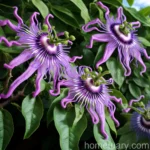
The Fascinating World of Passiflora ‘Damsel’s Delight’ (Passion Flower)
Plants play a vital role in our lives, not only providing us with oxygen and food, but also adding beauty and tranquility to our surroundings. Among the myriad of plant species, the Passiflora ‘Damsel’s Delight’ or Passion Flower stands out due to its exotic appearance and diverse uses. In this comprehensive guide, we’ll explore the captivating aspects of this plant, from its cultural significance to its care requirements and uses. Whether you’re a gardening enthusiast, a plant lover, or simply someone intrigued by the wonders of nature, this article will provide you with all the essential information and resources you need to appreciate and cultivate the enchanting Passiflora ‘Damsel’s Delight’.
What is Passiflora ‘Damsel’s Delight’ (Passion Flower)?
The Passiflora ‘Damsel’s Delight’, a cultivar of the famous Passion Flower, is a stunning hybrid that has captivated horticulturists and gardeners around the world. With its intricate flowers and vigorous growth habits, this plant has become a popular choice for both ornamental and practical purposes. The uniqueness of the Passion Flower lies in its exotic appearance, historical significance, and diverse applications, making it a fascinating subject of study and admiration for plant enthusiasts.
Key Takeaways – Passiflora ‘Damsel’s Delight’ (Passion Flower)
Before delving into the specifics of the Passiflora ‘Damsel’s Delight’, let’s take a moment to highlight the key takeaways regarding this extraordinary plant:
- Cultural Significance: The Passion Flower has historically been associated with religious symbolism and cultural significance, notably in Christian iconography.
- Exotic Appearance: The intricate and vibrant flowers of Passiflora ‘Damsel’s Delight’ make it a visually captivating addition to any garden or landscape.
- Diverse Uses: From medicinal properties to wildlife attraction, the Passion Flower offers a wide range of practical and aesthetic benefits.
- Growth Habit: Understanding the growth patterns and requirements of Passiflora ‘Damsel’s Delight’ is essential for successful cultivation.
With these key aspects in mind, let’s explore the various dimensions of Passiflora ‘Damsel’s Delight’, ranging from its cultural significance to its specific care and maintenance requirements.
Culture
Cultural Significance
The cultural significance of the Passiflora ‘Damsel’s Delight’ can be traced back through centuries, with the Passion Flower holding symbolic importance in various cultures and traditions. Notably, in Christian iconography, the components of the flower have been interpreted to represent elements of the crucifixion of Jesus Christ. The ten petals and sepals are associated with the apostles who remained faithful to Jesus, the corona filaments represent the crown of thorns, and the five stamens are seen as the wounds of Christ. The intricate and symbolic nature of the Passion Flower has made it a subject of fascination and reverence in religious and cultural contexts.
Garden Design and Aesthetic Value
When it comes to garden design, Passiflora ‘Damsel’s Delight’ is a valuable addition due to its aesthetic appeal and versatile nature. The striking flowers and vigorous vines of this Passion Flower cultivar can serve as a focal point in a garden, adding a touch of exotic beauty to the landscape. Whether grown along trellises, fences, or arbors, the sprawling growth habit of Passiflora ‘Damsel’s Delight’ provides an enchanting backdrop for any outdoor space.
Uses
Medicinal Properties
Beyond its ornamental value, the Passiflora ‘Damsel’s Delight’ possesses medicinal properties that have been recognized for centuries. The plant’s leaves and roots are known to contain alkaloids and flavonoids, contributing to its potential therapeutic benefits. In traditional herbal medicine, Passion Flower extracts have been used to alleviate anxiety, insomnia, and nervous disorders. The calming and sedative properties of Passiflora ‘Damsel’s Delight’ make it a valuable natural remedy, particularly in addressing stress-related ailments.
Wildlife Attraction
The vibrant flowers of Passiflora ‘Damsel’s Delight’ serve as a magnet for various pollinators, including butterflies and bees. The nectar-rich blossoms and intricate structures of the Passion Flower attract these beneficial insects, contributing to the ecological balance of a garden or natural landscape. By cultivating Passiflora ‘Damsel’s Delight’, gardeners can actively support pollinator populations and enhance the biodiversity of their surroundings.
Care Requirements
Water
Passiflora ‘Damsel’s Delight’ thrives in moderately moist soil, requiring regular watering to maintain optimal growth and flowering. During the active growing season, it’s essential to ensure that the plant receives sufficient moisture without becoming waterlogged. Established specimens of this Passion Flower cultivar exhibit good drought tolerance, but consistent and even moisture levels are crucial for promoting healthy growth and blooming.
Sunlight
As a sun-loving plant, Passiflora ‘Damsel’s Delight’ flourishes in full sunlight, ideally receiving at least 6-8 hours of direct sunlight per day. Adequate light exposure is vital for vigorous growth and prolific flowering. When selecting a planting location for Passiflora ‘Damsel’s Delight’, it’s essential to prioritize a spot with ample sunlight to maximize the plant’s ornamental and horticultural potential.
Fertilizer
Proper fertilization plays a key role in sustaining the health and vitality of Passiflora ‘Damsel’s Delight’. A balanced, slow-release fertilizer formulated for flowering vines can be applied in early spring as new growth emerges. Additionally, a supplemental application during the growing season can bolster the plant’s nutritional requirements and support robust flower production. Careful attention to fertilization practices ensures that the Passion Flower receives the essential nutrients for sustained growth and performance.
Soil
Passiflora ‘Damsel’s Delight’ thrives in well-draining, fertile soil with a slightly acidic to neutral pH range. A loose, loamy soil composition is conducive to the development of a healthy root system and optimal growth. When planting or transplanting Passiflora ‘Damsel’s Delight’, gardeners should prioritize a well-prepared planting site with suitable soil conditions, promoting the establishment and vigor of this exceptional Passion Flower variety.
Pruning
Pruning is an important aspect of Passiflora ‘Damsel’s Delight’ care, contributing to the plant’s overall health, appearance, and flowering performance. Regular pruning helps manage the vigorous growth of this Passion Flower cultivar, encourages the development of new shoots, and maintains a tidy and manageable form. Pruning also facilitates the removal of any damaged or diseased growth, promoting the plant’s resilience and aesthetic appeal.
Propagation
Passiflora ‘Damsel’s Delight’ can be propagated through various methods, including stem cuttings, layering, and seeds. Stem cuttings from healthy, actively growing vines can be rooted in a well-draining propagation medium to establish new plants. Layering, where a portion of the stem is encouraged to root while still attached to the parent plant, is another effective propagation technique for this Passion Flower cultivar. Additionally, Passiflora ‘Damsel’s Delight’ seeds can be utilized for germination, offering an alternative means of propagating this exceptional plant.
Container Popularity
The attractive growth habit and ornamental value of Passiflora ‘Damsel’s Delight’ make it a popular choice for container gardening. When grown in containers, this Passion Flower cultivar can be showcased on patios, balconies, or in small gardens, providing a striking focal point and an opportunity for gardening enthusiasts with limited space to enjoy its beauty. Selecting a well-draining, appropriately sized container and providing suitable support for the vine are essential considerations for successful container cultivation of Passiflora ‘Damsel’s Delight’.
Common Diseases and Disease Diagnosis
Common Diseases
Passiflora ‘Damsel’s Delight’ is susceptible to certain diseases and fungal infections that can impact its health and vigor. Some of the common diseases that may affect this Passion Flower cultivar include:
- Powdery Mildew: A fungal disease manifested by a powdery white coating on the leaves and stems.
- Leaf Spot: Characterized by the development of dark spots on the foliage, often accompanied by leaf yellowing and premature drop.
Disease Diagnosis
Early detection and accurate diagnosis are crucial for effectively managing and treating diseases in Passiflora ‘Damsel’s Delight’. Inspection of the foliage, stems, and overall plant health can provide valuable clues regarding the presence of diseases. Prompt action, including appropriate cultural practices, targeted treatments, and preventive measures, is instrumental in mitigating the impact of diseases on this exceptional Passion Flower variety.
Common Pests
Pest Identification
Various pests may pose a threat to the health and aesthetics of Passiflora ‘Damsel’s Delight’, requiring vigilant monitoring and proactive pest management strategies. Common pests that may afflict this Passion Flower cultivar include:
- Aphids: Small, sap-feeding insects that can cause distortion and wilting of new growth.
- Spider Mites: Tiny arachnids that can inflict damage by piercing plant tissues and sucking out the sap, leading to stippling and discoloration of the foliage.
Pest Control
Integrated pest management practices, encompassing cultural, mechanical, and biological approaches, are instrumental in controlling and mitigating pest infestations in Passiflora ‘Damsel’s Delight’. Regular monitoring, early intervention, and the application of targeted control measures can help safeguard the plant from the detrimental effects of pests, ensuring its continued vitality and ornamental appeal.
Botanist’s Tips
Gardening Success with Passiflora ‘Damsel’s Delight’
For gardeners and enthusiasts seeking to cultivate Passiflora ‘Damsel’s Delight’ with success, here are some valuable tips:
- Provide a sturdy support structure for the vigorous growth of the Passion Flower vine.
- Monitor moisture levels consistently to prevent water stress or waterlogging.
- Incorporate organic matter into the soil to enhance fertility and drainage, promoting robust growth and development.
- Implement a regular pruning regimen to manage the growth habit and encourage abundant flowering.
- Pay attention to pest and disease management, using targeted and eco-friendly control measures when necessary.
Fun Facts
To deepen our appreciation for the captivating Passiflora ‘Damsel’s Delight’, here are some fascinating fun facts about this extraordinary plant:
- The name “Passiflora” is derived from the Latin words “passio” (passion) and “flos” (flower), underscoring the historical association of the Passion Flower with religious symbolism.
- Passiflora ‘Damsel’s Delight’ is a hybrid cultivar, resulting from the meticulous breeding and selection of desirable traits from different Passiflora species.
- The intricate floral structure of Passiflora ‘Damsel’s Delight’ serves as a visually striking example of co-evolution, reflecting the plant’s adaptation to specific pollinators and ecological interactions.
As we immerse ourselves in the captivating world of Passiflora ‘Damsel’s Delight’, it’s evident that this exceptional plant offers a wealth of cultural, horticultural, and ecological significance, making it a valuable addition to any garden or landscape.
Links to External Resources
For further exploration and learning about Passiflora ‘Damsel’s Delight’ and related topics, here are some recommended external resources:
- American Society for Horticultural Science
- Royal Horticultural Society – Passion Flowers
- University of Florida IFAS Extension – Passiflora spp.
These resources offer a wealth of information, insights, and practical guidance for individuals interested in studying, cultivating, and appreciating the diverse aspects of Passiflora ‘Damsel’s Delight’ and the broader realm of horticulture and plant science.
In conclusion, the captivating allure of Passiflora ‘Damsel’s Delight’ continues to inspire and delight plant enthusiasts and aficionados worldwide. From its rich cultural history to its ornamental beauty and practical uses, this exceptional Passion Flower cultivar embodies the intricate and wondrous relationship between plants and humans, serving as a testament to the enduring fascination and reverence for the natural world. Whether admired for its symbolic significance, cultivated for its therapeutic properties, or cherished for its captivating blossoms, Passiflora ‘Damsel’s Delight’ remains a cherished and enchanting presence in the realm of plants and gardens, inviting us to explore, appreciate, and celebrate the marvels of nature.
References:
– Bartholomew, Bruce. “The Genus Passiflora.” Timber Press, 2004.
– Veldkamp, Jan F. “Passifloraceae.” In Flora Malesiana Series 1, Volume 12, 1992.
– Ulmer, Torsten & MacDougal, John. “Passiflora: Passionflowers of the World.” Timber Press, 2004.