Picea Pungens ‘Mrs. Cesarini’ (Colorado Spruce)
Picea pungens ‘Mrs. Cesarini’ is a stunning variety of Colorado Spruce known for its striking blue foliage and compact form. As a plant scientist with a.


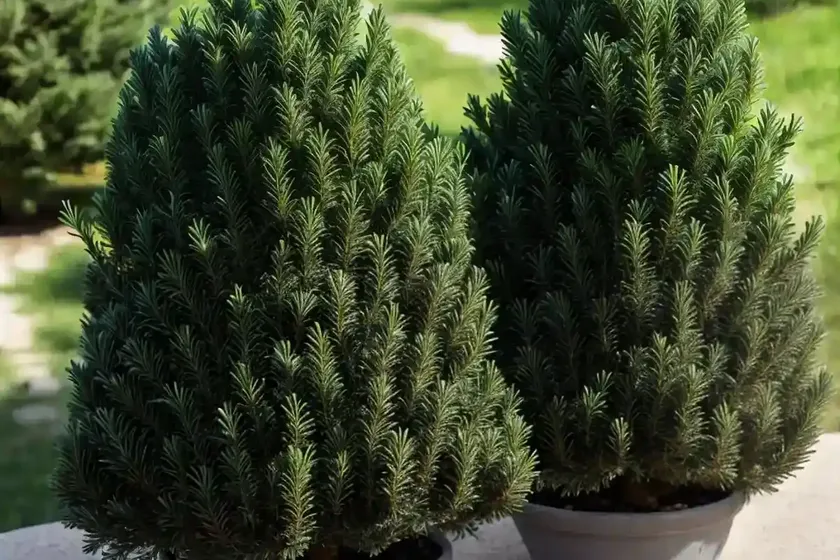
Picea pungens ‘Mrs. Cesarini’ is a stunning variety of Colorado Spruce known for its striking blue foliage and compact form. As a plant scientist with a passion for ornamental trees, I am excited to delve into the world of Picea pungens ‘Mrs. Cesarini’ and share valuable insights into its cultivation, care, and landscaping potential.
What is Picea pungens ‘Mrs. Cesarini’?
Picea pungens ‘Mrs. Cesarini,’ commonly referred to as the Colorado Spruce ‘Mrs. Cesarini,’ is a cultivar of the Colorado Spruce (Picea pungens). This evergreen conifer is known for its captivating blue needles, which add a touch of elegance and color to landscapes. It is a slow-growing, compact tree with a pyramidal form, making it an excellent choice for smaller gardens and urban settings.
Key Takeaways – Picea pungens ‘Mrs. Cesarini’
Before we dive into the details of cultivating and caring for Picea pungens ‘Mrs. Cesarini,’ let’s highlight some key takeaways about this captivating ornamental tree:
- Plant Name: Picea pungens ‘Mrs. Cesarini’ (Colorado Spruce)
- Family: Pinaceae
- Common Name: Colorado Spruce ‘Mrs. Cesarini’
- Foliage Color: Blue
- Growth Habit: Compact, Pyramidal
- Use: Ornamental, Landscaping
- Hardiness Zone: 2-7
- Mature Height: 10-15 feet
- Mature Spread: 4-6 feet
- Sunlight: Full sun to partial shade
- Soil: Well-drained, acidic to slightly alkaline
- Water: Moderate
Now, let’s explore the detailed aspects of cultivating and caring for Picea pungens ‘Mrs. Cesarini’ to help you unleash the full potential of this captivating tree in your garden and landscaping projects.
Plant Description
Picea pungens ‘Mrs. Cesarini’ Description
Picea pungens ‘Mrs. Cesarini’ is celebrated for its mesmerizing blue foliage, creating a striking visual impact in any landscape. The needles are arranged densely along the branches, forming a compact and uniform appearance. The tree exhibits a pyramidal growth habit, with branches extending horizontally and gracefully drooping at the tips, creating an elegant silhouette.
Its growth rate is relatively slow, adding to its suitability for smaller gardens and urban landscapes. As a hardy evergreen, Picea pungens ‘Mrs. Cesarini’ provides year-round interest, maintaining its beautiful blue hue even during harsh winter months.
Growing Picea pungens ‘Mrs. Cesarini’ in Your Garden
Cultivation and Planting Guide
Cultivating Picea pungens ‘Mrs. Cesarini’ successfully begins with selecting an optimal location and ensuring proper planting techniques. When considering its growth requirements, there are several key factors to keep in mind:
-
Sunlight: While Picea pungens ‘Mrs. Cesarini’ thrives in full sun, it also tolerates partial shade, particularly in hot climates. When selecting a planting site, aim to provide exposure to at least 6 hours of direct sunlight daily for healthy growth and vibrant foliage.
-
Soil Preferences: Well-drained soil is essential for the successful cultivation of Picea pungens ‘Mrs. Cesarini.’ It prefers slightly acidic to slightly alkaline soil, with a pH range of 6.0 to 7.5. Additionally, the soil should be rich in organic matter to support the tree’s growth and nutrient uptake.
-
Watering: While Picea pungens ‘Mrs. Cesarini’ displays moderate drought tolerance once established, it benefits from regular watering, especially during the establishment phase. Adequate moisture is crucial for the tree’s overall health and vitality.
-
Planting Depth: When planting a Picea pungens ‘Mrs. Cesarini’ sapling, ensure that the root collar, where the roots meet the stem, is level with the soil surface. Avoid planting too deeply, as this can lead to water accumulation around the trunk and root rot.
-
Spacing: Considering the mature size of Picea pungens ‘Mrs. Cesarini,’ provide ample space for the tree to spread its branches without crowding or competition from neighboring plants.
Once planted, regular monitoring and thoughtful care practices contribute to the tree’s long-term health and vigor. Let’s delve into the essential care tips for maintaining a thriving Picea pungens ‘Mrs. Cesarini’ in your garden.
Picea pungens ‘Mrs. Cesarini’ Care Tips
Water
Proper watering is crucial for the establishment and ongoing health of Picea pungens ‘Mrs. Cesarini.’ Here are some key considerations for watering this striking conifer:
-
Establishment Phase: During the first year after planting, provide consistent moisture to support the development of a robust root system. Aim to keep the soil evenly moist, without becoming waterlogged, to facilitate healthy growth.
-
Mature Trees: Once established, Picea pungens ‘Mrs. Cesarini’ displays moderate drought tolerance. However, during prolonged dry spells, supplemental watering may be necessary, particularly in sandy or fast-draining soils.
-
Watering Frequency: While it’s essential to avoid overwatering, especially in heavy or poorly drained soils, regular monitoring of moisture levels is beneficial. Generally, providing 1-2 inches of water per week during dry periods is sufficient for the tree’s hydration needs.
Sunlight
Optimal sunlight exposure contributes to the vibrant blue coloration and compact growth of Picea pungens ‘Mrs. Cesarini.’ Consider the following sunlight-related care tips for this ornamental tree:
-
Full Sun Requirements: Picea pungens ‘Mrs. Cesarini’ thrives in full sun, which promotes the best foliage color and overall growth. Ensure that the planting site receives ample sunlight throughout the day, with minimal shading from nearby structures or trees.
-
Partial Shade Tolerance: In regions with intense summer heat, providing partial shade during the hottest part of the day can prevent excessive stress on the tree. However, ensure that the tree still receives significant direct sunlight to maintain its vigor and coloration.
Fertilizer
Feeding Picea pungens ‘Mrs. Cesarini’ with an appropriate fertilizer regimen supports its growth and foliage health. Consider the following guidance when fertilizing this captivating conifer:
-
Timing: Apply a balanced, slow-release fertilizer in early spring, just before new growth emerges. This timing allows the tree to utilize the nutrients for robust spring growth and sustained vitality throughout the growing season.
-
Fertilizer Composition: Use a fertilizer specifically formulated for evergreen trees, with a balanced NPK (nitrogen, phosphorus, and potassium) ratio. Additionally, choosing a fertilizer with micronutrients can address any potential deficiencies in the soil.
-
Application Method: Spread the fertilizer evenly under the tree’s canopy, extending slightly beyond the dripline. Water the area thoroughly after application to ensure that the nutrients penetrate the root zone.
-
Avoid Overfertilization: While providing essential nutrients is beneficial, overfertilization can lead to excessive foliage growth at the expense of the tree’s natural form and compactness. Follow the recommended application rates and avoid applying fertilizer too close to the trunk to prevent potential root burn.
Soil
Maintaining well-drained, nutrient-rich soil is essential for the long-term health and vigor of Picea pungens ‘Mrs. Cesarini.’ Consider the following soil-related care tips for this captivating ornamental tree:
-
Soil Amendments: If the native soil is heavy clay or excessively sandy, amending it with organic matter, such as compost or well-rotted manure, improves its structure and water retention capabilities. Incorporate the amendments thoroughly into the soil before planting the tree.
-
Mulching: Applying a 2-3 inch layer of organic mulch, such as wood chips or pine bark, around the base of the tree provides numerous benefits. Mulch helps retain soil moisture, suppresses weed growth, and insulates the root zone during temperature fluctuations.
-
Soil Acidity: Picea pungens ‘Mrs. Cesarini’ prefers slightly acidic to slightly alkaline soil. Regularly monitoring the soil pH and addressing any deviations from the preferred range promotes optimal nutrient uptake and overall health.
Pruning
Pruning is an essential aspect of maintaining the shape and form of Picea pungens ‘Mrs. Cesarini’ while promoting air circulation and light penetration within the canopy. Consider the following pruning techniques for this ornamental tree:
-
Timing: Spring is an ideal time for pruning Picea pungens ‘Mrs. Cesarini,’ just before new growth initiates. This timing allows the tree to allocate energy to the emerging foliage and ensures that any pruning wounds heal quickly.
-
Sanitation: Use sharp, clean pruning tools to make precise cuts, minimizing the risk of damage and disease transmission. Remove any dead, diseased, or damaged branches, as well as any overcrowded or crossing growth to maintain a balanced structure.
-
Branch Size: Avoid removing more than one-third of the tree’s total canopy during a single pruning session to prevent stress and potential dieback. Additionally, maintaining the natural form and branching pattern of the tree contributes to its aesthetic appeal.
-
Cautionary Note: While shaping the tree to your desired aesthetic, avoid excessive shearing or aggressive pruning, which can compromise the tree’s natural beauty and lead to potential health issues.
Propagation
While Picea pungens ‘Mrs. Cesarini’ is primarily propagated through grafting and nursery stock, adventurous gardeners may consider propagation from cuttings. Here’s an overview of the propagation process for this captivating conifer:
Propagation from Cuttings
-
Selecting Cuttings: Choose semi-hardwood cuttings, approximately 4-6 inches in length, from healthy, disease-free branches of Picea pungens ‘Mrs. Cesarini.’ Collect the cuttings during the late summer or early autumn.
-
Preparing the Cuttings: Remove the lower needles from the cuttings, leaving only the topmost cluster intact. Dip the cut end in a rooting hormone to promote root development.
-
Potting Medium: Insert the prepared cuttings into a well-draining potting medium, such as a mix of perlite and peat moss. Ensure that at least half of the cutting is buried in the medium.
-
Rooting Environment: Place the potted cuttings in a sheltered location with bright, indirect light. Maintain consistent moisture levels and monitor for root development, which typically occurs within a few months.
-
Transplanting: Once the cuttings have developed a healthy root system, transplant them into individual containers and care for them as you would for mature Picea pungens ‘Mrs. Cesarini’ trees.
Propagation from cuttings requires patience and attentive care, but it can be a rewarding way to propagate new specimens of this captivating ornamental tree.
Container Cultivation
Picea pungens ‘Mrs. Cesarini’ also lends itself to container cultivation, offering a stunning accent for patios, balconies, or small urban spaces. Here are some considerations for successfully growing this ornamental tree in containers:
Container Requirements
-
Container Size: Select a spacious container with adequate drainage holes to accommodate the tree’s root system while allowing for proper aeration and root health.
-
Potting Mix: Choose a well-draining, acidic potting mix formulated for coniferous plants. Avoid using heavy garden soil, as it can lead to drainage problems and hinder root growth.
-
Placement: Position the container in a location that receives ample sunlight, ensuring that the tree can benefit from the optimal light conditions for vibrant foliage coloration.
-
Watering: Container-grown Picea pungens ‘Mrs. Cesarini’ may require more frequent watering, as the limited soil volume dries out more quickly. Monitor the moisture levels and water as needed to prevent the roots from drying out.
-
Winter Protection: During the winter months, consider providing insulation or moving the container to a sheltered location to protect the tree’s roots from freezing temperatures and harsh winds.
Successfully growing Picea pungens ‘Mrs. Cesarini’ in containers allows you to enjoy its beauty and blue foliage even in space-restricted settings.
Popularity
Picea pungens ‘Mrs. Cesarini’ has gained popularity among gardeners and landscapers for several compelling reasons:
-
Foliage Color: The captivating blue hue of the needles sets Picea pungens ‘Mrs. Cesarini’ apart from other conifers, offering a unique and eye-catching addition to any garden or landscape.
-
Compact Form: With its slow growth and pyramidal shape, Picea pungens ‘Mrs. Cesarini’ is well-suited for small gardens, urban landscapes, and ornamental focal points.
-
Year-Round Interest: As an evergreen tree, Picea pungens ‘Mrs. Cesarini’ provides year-round beauty, maintaining its striking foliage even during the coldest winter months.
As a result of these features, Picea pungens ‘Mrs. Cesarini’ has become a sought-after choice for adding color, texture, and structure to various outdoor settings, from residential gardens to commercial landscapes.
Common Diseases and Disease Diagnosis
Despite its overall hardiness, Picea pungens ‘Mrs. Cesarini’ is susceptible to certain diseases, which, if not promptly addressed, can impact the tree’s health and appearance. Some common diseases that may affect this captivating conifer include:
Needle Cast
Needle cast diseases, caused by various fungal pathogens, can lead to discoloration, browning, and premature shedding of the tree’s needles. Diagnosis involves identifying characteristic symptoms, such as the development of fruiting bodies on affected needles and the progression of needle discoloration from the base to the tip.
Cytospora Canker
Cytospora canker, caused by the Cytospora fungi, often affects stressed or injured Picea pungens ‘Mrs. Cesarini.’ The disease presents as sunken, discolored areas on the tree’s bark, accompanied by resinous exudate. Cankers can girdle branches and lead to dieback if left untreated.
Diplodia Tip Blight
Diplodia tip blight, caused by the Diplodia pinea fungus, results in the browning and dieback of new shoots and branch tips. The disease progresses from the tip towards the interior of the tree, leading to stunted growth and visual decline.
Management and Treatment
Proactive measures, such as maintaining optimal growing conditions and promptly addressing any stress factors, contribute to the tree’s resilience against diseases. When signs of disease emerge, timely intervention, including pruning affected branches and implementing appropriate fungicidal treatments, can help mitigate the impact and restore the tree’s health.
Regular monitoring for disease symptoms, swift diagnosis, and targeted treatment contribute to the long-term well-being of Picea pungens ‘Mrs. Cesarini’ in your garden or landscape.
Common Pests
While Picea pungens ‘Mrs. Cesarini’ is generally resilient against pest infestations, several common pests may pose occasional challenges to its health and vitality. Some of the pests to watch out for include:
Spruce Spider Mites
Spruce spider mites are microscopic arachnids that feed on the needles of Picea pungens ‘Mrs. Cesarini,’ causing stippling, discoloration, and overall weakening of the tree. Infestations are often characterized by the presence of fine webbing on the needles and branches.
Adelgids
Adelgids are small, wingless insects that feed on the sap of spruce trees, including Picea pungens ‘Mrs. Cesarini.’ Their feeding activity can lead to distorted growth, wilting, and the development of honeydew and sooty mold on the tree’s foliage.
Sawfly Larvae
Sawfly larvae, resembling caterpillars, may feed on the needles of Picea pungens ‘Mrs. Cesarini,’ resulting in visible defoliation and loss of vigor. Prompt identification and intervention help prevent significant damage from sawfly infestations.
Integrated Pest Management
Implementing integrated pest management (IPM) practices, such as promoting natural predators, monitoring pest populations, and utilizing targeted insecticidal treatments when necessary, offers an effective and environmentally conscious approach to pest control for Picea pungens ‘Mrs. Cesarini.’
By remaining vigilant and promptly addressing pest issues, you can safeguard the health and visual appeal of this captivating ornamental tree in your outdoor spaces.
Botanist’s Tips
As a plant scientist deeply familiar with the cultivation and care of ornamental trees, I offer the following recommendations for successfully growing and enjoying Picea pungens ‘Mrs. Cesarini’:
-
Selecting a Planting Site: Choose a location with well-drained soil and ample sunlight to support the optimal growth and coloration of Picea pungens ‘Mrs. Cesarini.’
-
Monitoring Moisture Levels: Pay close attention to the tree’s watering needs, particularly during the establishment phase and in periods of prolonged drought, to maintain healthy foliage and overall vigor.
-
Pruning with Precision: When pruning, aim to maintain the tree’s natural form while removing any dead or diseased branches to promote air circulation and light penetration within the canopy.
-
Integrated Care Approach: Incorporate a holistic approach to care, including balanced fertilization, soil management, disease prevention, and pest monitoring, to support the long-term health of Picea pungens ‘Mrs. Cesarini.’
By following these botanist-endorsed tips, you can cultivate a thriving and picturesque Picea pungens ‘Mrs. Cesarini’ in your garden or landscape.
Fun Facts
Uncover some intriguing and lesser-known facts about Picea pungens ‘Mrs. Cesarini’ that add to its allure as an ornamental tree:
-
Natural Habitat: Picea pungens ‘Mrs. Cesarini’ is native to the western United States, where it thrives in mountainous regions and exhibits exceptional cold-hardiness.
-
Wildlife Impact: The dense foliage of Picea pungens ‘Mrs. Cesarini’ provides valuable cover and nesting opportunities for various bird species, contributing to the biodiversity of the surrounding environment.
-
Ornamental Value: Beyond its captivating appearance, Picea pungens ‘Mrs. Cesarini’ plays a vital role in enhancing the aesthetic appeal of landscapes, from formal garden settings to naturalistic plantings.
These engaging facts shed light on the ecological significance and visual impact of Picea pungens ‘Mrs. Cesarini’ in diverse outdoor settings.
Links to External Resources
Curious to learn more about Picea pungens ‘Mrs. Cesarini’ and its cultivation in garden and landscape settings? Explore the following external resources for additional insights and


