Passiflora Caerulea (Blue Passion Flower)
Passiflora caerulea, commonly known as the Blue Passion Flower, is a captivating and versatile climbing vine that is renowned for its stunning floral.
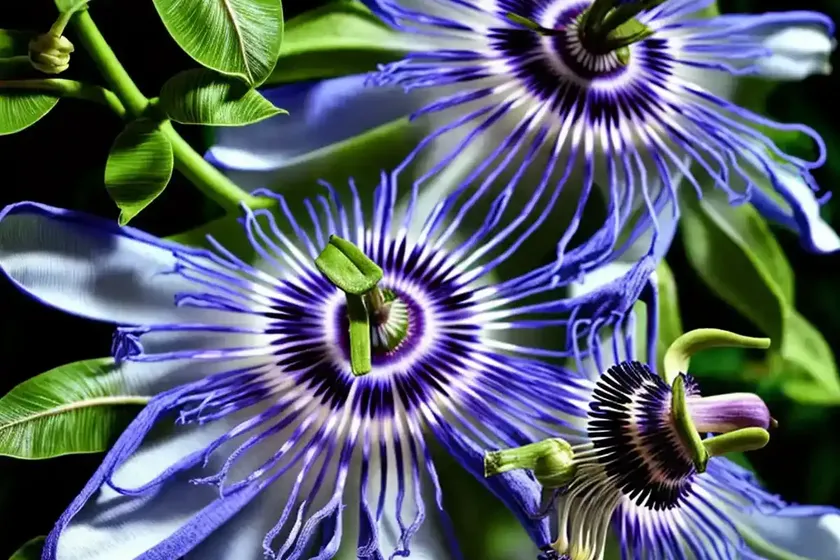
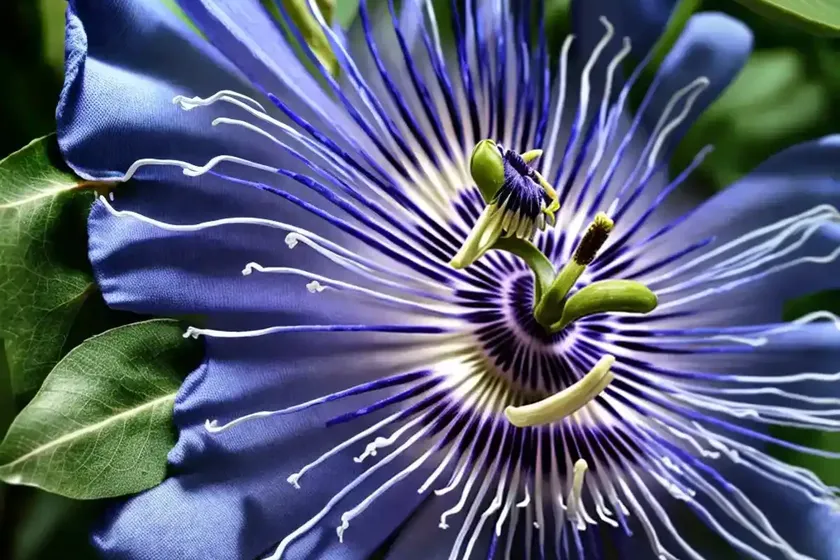
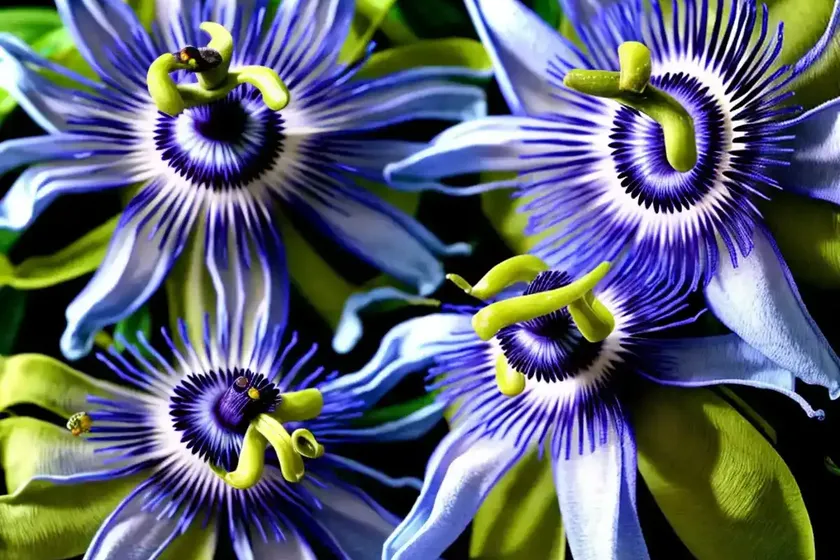
Passiflora caerulea, commonly known as the Blue Passion Flower, is a captivating and versatile climbing vine that is renowned for its stunning floral display and cultural significance. This plant, known for its unique floral structure and sedative properties, has become a popular choice for gardeners and herbal medicine enthusiasts alike. In this comprehensive guide, we will delve into the characteristics, cultivation, and care of Passiflora caerulea, providing valuable insights and practical tips for enthusiasts and beginners alike.
What is Passiflora caerulea?
Passiflora caerulea, a member of the Passifloraceae family, is a species of flowering plant native to South America. Its natural habitat includes regions such as Argentina, Brazil, and Paraguay, where it thrives in a variety of environments, including forests, grasslands, and riverbanks. The Blue Passion Flower is revered for its exquisite blue and white blossoms, which are not only visually striking but also carry cultural and symbolic significance.
Passiflora caerulea is a vigorous, woody-stemmed vine that uses its tendrils to climb and cling to surrounding structures, making it an ideal choice for arbors, trellises, and fences. Additionally, its ornamental foliage and showy flowers make it a desirable addition to gardens and landscapes, attracting pollinators and adding a touch of elegance to outdoor spaces.
The name “Passiflora” is derived from the Latin word “passio,” which means passion, in reference to the passion of Christ. The intricate floral parts of the plant have been associated with various aspects of the crucifixion, leading to its cultural and religious significance in certain regions.
Key Takeaways
Before we delve into the detailed cultivation and care guide, let’s explore the key takeaways that will provide a concise overview of Passiflora caerulea and its cultivation requirements.
- Scientific Name: Passiflora caerulea
- Common Name: Blue Passion Flower
- Family: Passifloraceae
- Plant Type: Perennial vine
- Native Habitat: South America
- Flower Color: Blue and white
- Cultural Significance: Symbol of passion and tranquility
- Growth Habit: Climbing vine with ornamental foliage
- Special Features: Unique floral structure, attracts pollinators
- Uses: Ornamental garden plant, herbal medicine
Now that we have an overview of Passiflora caerulea, let’s dive into the specific cultural requirements and care guidelines for cultivating this enchanting plant.
Cultivation
Cultivating Passiflora caerulea requires an understanding of its specific environmental and care requirements. From soil and sunlight to watering and fertilizer application, each aspect plays a crucial role in the successful growth and flourishing of the Blue Passion Flower.
Soil
When it comes to soil, Passiflora caerulea thrives in well-draining, fertile soil with a slightly acidic to neutral pH range of 6.1 to 7.5. A rich, loamy soil that retains moisture without becoming waterlogged is ideal for promoting healthy root development and overall plant growth.
Soil Characteristics
To ensure the optimal soil conditions for Passiflora caerulea, consider the following characteristics:
- Texture: Loamy soil with a balanced mixture of sand, silt, and clay
- Drainage: Well-draining to prevent waterlogging and root rot
- Nutrient Content: Fertile soil rich in organic matter for nourishing the plant
- pH Level: Slightly acidic to neutral pH (6.1 to 7.5)
Sunlight
Passiflora caerulea is a sun-loving plant that thrives in full sunlight to partial shade. When grown in a location with ample sunlight, the plant produces an abundance of flowers and maintains healthy foliage. However, it’s important to provide some protection from intense midday sun, especially in regions with hot and arid climates, to prevent leaf scorch and dehydration.
Sunlight Requirements
Consider the following sunlight requirements for cultivating Passiflora caerulea:
- Optimal Exposure: Full sunlight to partial shade
- Protection: Shelter from intense midday sun in hot climates
- Indoor Cultivation: Adequate light exposure when grown indoors
Water
Proper watering is essential for the health and vitality of Passiflora caerulea. While the plant appreciates regular moisture, it’s crucial to maintain a balanced approach to watering, avoiding both drought stress and waterlogging. Adjusting the watering frequency based on environmental conditions and seasonal changes is key to promoting healthy growth and flowering.
Watering Guidelines
Here are some general watering guidelines for Passiflora caerulea:
- Regular Moisture: Maintain consistent soil moisture, avoiding prolonged drought
- Avoid Waterlogging: Ensure proper drainage to prevent waterlogged soil
- Seasonal Adjustments: Modify watering frequency based on seasonal variations
Fertilizer
To support the vigorous growth and blooming of Passiflora caerulea, regular fertilization is beneficial. A balanced, slow-release fertilizer formulated for flowering vines and climbers can provide the necessary nutrients for robust growth and prolific flowering.
Fertilization Recommendations
Consider the following fertilizer application recommendations for Passiflora caerulea:
- Balanced Formula: Use a balanced, slow-release fertilizer for flowering vines
- Application Frequency: Apply fertilizer during the growing season at regular intervals
- Avoid Overfeeding: Follow recommended dosage to prevent fertilizer burn
Pruning
Pruning plays a significant role in shaping the growth habit of Passiflora caerulea and maintaining its vigor. Additionally, regular pruning helps manage the vine’s size, encourages branching, and promotes the renewal of flowering wood, leading to a profusion of blossoms.
Pruning Techniques
Implement the following pruning techniques to ensure the healthy growth and appearance of Passiflora caerulea:
- Deadheading: Remove spent blooms to encourage continuous flowering
- Size Control: Prune to manage the size and shape of the plant
- Renewal Pruning: Remove old or non-productive wood to stimulate new growth
Propagation
For gardeners interested in expanding their collection of Passiflora caerulea or sharing the plant with others, propagation techniques offer an effective way to multiply the vines. From propagation by seeds to stem cuttings, several methods can be employed to propagate the Blue Passion Flower successfully.
Propagation Methods
Consider the following propagation methods for Passiflora caerulea:
- Seed Propagation: Sow seeds in a suitable growing medium for germination
- Stem Cuttings: Root stem cuttings in a moist, well-draining substrate
- Layering: Encourage roots to develop on a vine section while still attached to the parent plant
Container Cultivation
Passiflora caerulea also adapts well to container cultivation, making it an excellent choice for enthusiasts with limited garden space or those seeking to create captivating displays on patios and balconies. When growing in containers, providing the right environment and care is essential for the plant’s well-being.
Container Requirements
When cultivating Passiflora caerulea in a container, consider the following requirements:
- Container Size: Choose a spacious container to accommodate the vine’s growth
- Drainage Holes: Ensure proper drainage to prevent water accumulation
- Support Structure: Provide a trellis or support for the vine to climb and cling to
- Soil Mix: Use a well-draining potting mix with added organic matter
Popularity in Container Gardening
The adaptability and ornamental appeal of Passiflora caerulea have contributed to its popularity in container gardening. The vine’s ability to thrive in confined spaces while producing captivating blooms makes it an attractive choice for enthusiasts seeking to elevate their container garden with a touch of exotic beauty.
Benefits in Container Gardening
Consider the following benefits of cultivating Passiflora caerulea in containers:
- Aesthetic Appeal: Adds a vertical element with stunning flowers in a confined space
- Space Optimization: Maximizes garden space by utilizing vertical surfaces
- Portability: Enables movement for optimal sunlight exposure or shelter from adverse weather
Common Diseases
While Passiflora caerulea is relatively resilient, it is susceptible to certain diseases and pests that can impact its health and vigor. Understanding common diseases and their symptoms is essential for implementing timely interventions and ensuring the plant’s well-being.
Disease Diagnosis
Be vigilant for the following common diseases that can affect Passiflora caerulea:
- Fungal Diseases: Watch for signs of powdery mildew and leaf spot diseases
- Viral Infections: Look for stunted growth, leaf discoloration, and other viral symptoms
- Bacterial Diseases: Keep an eye out for bacterial leaf spots and blights
Common Pests
In addition to diseases, Passiflora caerulea may attract certain pests that can compromise its health and appearance. By identifying and addressing pest infestations promptly, gardeners can mitigate the impact of these potential adversaries.
Pest Identification
Watch out for the following common pests that can affect Passiflora caerulea:
- Aphids: Small, sap-sucking insects that can cause leaf curling and distortion
- Spider Mites: Tiny arachnids that can infest the undersides of leaves, causing stippling
- Whiteflies: Small, white insects that feed on plant sap, leading to reduced plant vigor
Botanist’s Tips
As we explore the cultivation and care of Passiflora caerulea, let’s not forget the valuable insights and tips offered by experienced botanists. These expert recommendations can enhance our understanding and approach to cultivating the Blue Passion Flower.
Expert Recommendations
Here are some expert tips for cultivating Passiflora caerulea:
- Attention to Drainage: Ensure excellent drainage to prevent waterlogging and root rot
- Support Structure: Provide a sturdy and well-anchored support for the vine to climb
- Balanced Fertilization: Use a balanced fertilizer to avoid excessive vegetative growth at the expense of blooms
- Regular Monitoring: Keep a close eye on the plant for early signs of diseases or pest infestations
Fun Facts
Before we conclude our comprehensive guide, let’s explore some intriguing and delightful fun facts about Passiflora caerulea that add to its charm and allure.
Fascinating Tidbits
Discover the following fun facts about Passiflora caerulea:
- Symbolism: Represents passion and tranquility, inspiring its common name
- Fragrance: Some varieties of Passiflora caerulea produce fragrant flowers, adding sensory appeal
- Pollinator Attraction: Attracts bees, butterflies, and hummingbirds with its nectar-rich blossoms
- Medicinal Uses: Historically used in herbal medicine for its sedative properties
- Cultural Significance: Holds cultural and religious significance in certain regions due to its unique floral structure
Links to External Resources
For further exploration and in-depth information on Passiflora caerulea, refer to the following external resources:
- Royal Horticultural Society – Passiflora caerulea
- University of Florida IFAS Extension – Blue Passion Flower
- Missouri Botanical Garden – Passiflora caerulea
- American Society for the Prevention of Cruelty to Animals – Blue Passion Flower
In conclusion, Passiflora caerulea, the Blue Passion Flower, captivates gardeners and enthusiasts with its mesmerizing blooms, cultural significance, and versatile nature. By understanding its specific cultivation and care requirements, individuals can cultivate this enchanting vine successfully, whether in the garden or in containers. With its ornate flowers and rich history, Passiflora caerulea stands as a testament to the beauty and allure of the plant kingdom.
Remember to share your experiences with cultivating Passiflora caerulea and embrace the passion and tranquility it brings to your botanical endeavors.
This comprehensive guide on Passiflora caerulea (Blue Passion Flower) is aimed at providing detailed insights and practical tips for enthusiasts and beginners seeking to cultivate and appreciate this remarkable plant.


