Phlox Subulata ‘White Delight’ (Creeping Phlox)
Phlox subulata ‘White Delight’, commonly known as Creeping Phlox, is a striking and versatile groundcover plant that is favored by gardeners for its.
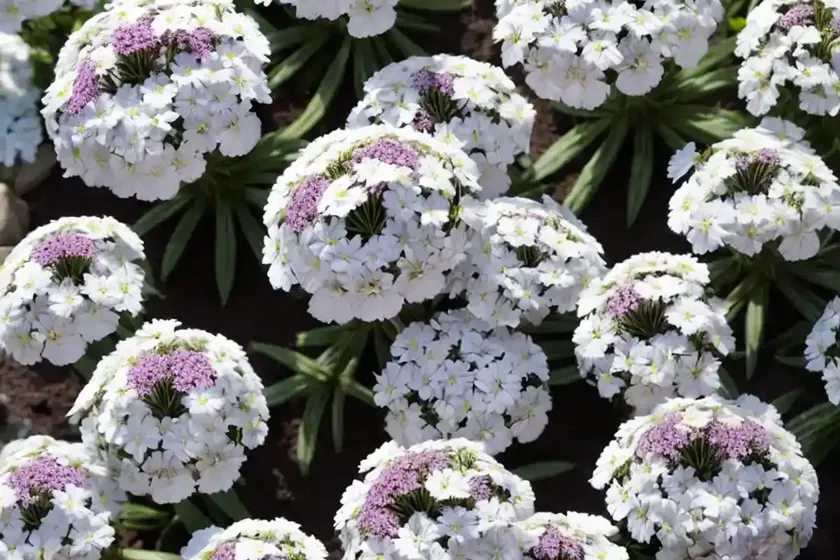
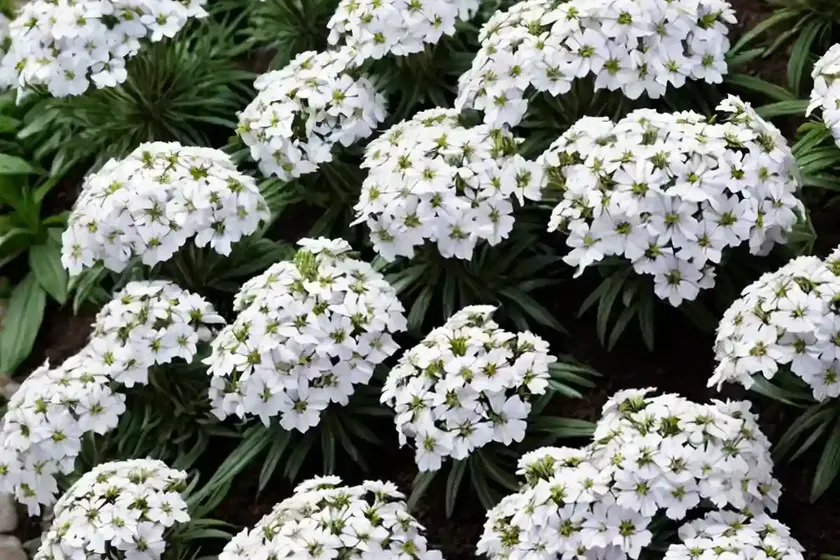
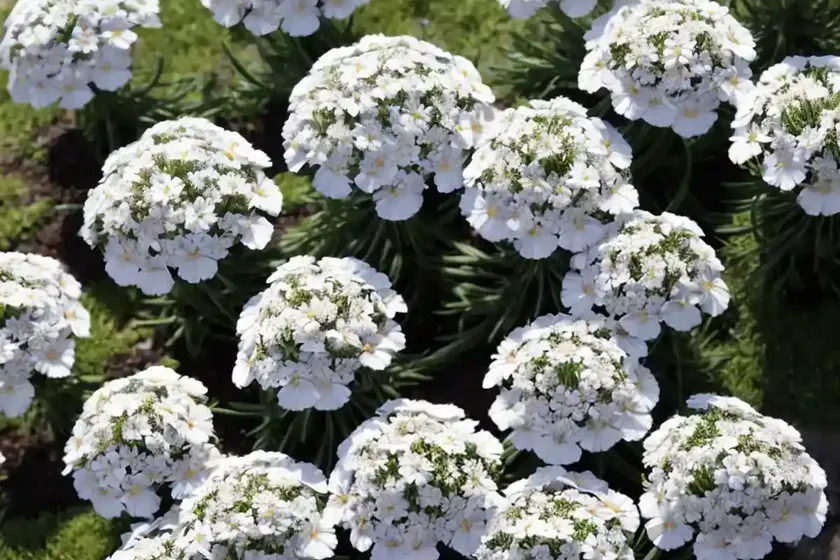
Phlox subulata ‘White Delight’, commonly known as Creeping Phlox, is a striking and versatile groundcover plant that is favored by gardeners for its delicate white flowers and its ability to provide lush coverage in various landscaping settings. As a plant scientist, it’s essential to understand the intricacies of this perennial species, its cultivation, and the numerous ways it can be utilized in horticulture. In this comprehensive guide, we will delve into the various aspects of Phlox subulata ‘White Delight’, including its cultural requirements, uses, maintenance, and much more.
Key Takeaways
Before we delve deeper into the specifics of Phlox subulata ‘White Delight’, let’s highlight some key takeaways about this beautiful plant:
- Scientific Name: Phlox subulata ‘White Delight’
- Common Name: Creeping Phlox
- Characteristics: White flowers, creeping growth habit, evergreen foliage
- Uses: Groundcover, rock gardens, borders, containers
- Cultural Requirements: Full sunlight, well-drained soil, minimal maintenance
- Propagation: Division, cuttings
- Common Pests: Spider mites, caterpillars
- Common Diseases: Powdery mildew, root rot
- Hardiness Zones: 3 to 9
- Maintenance: Low
- Attracts: Butterflies
- Deer-Resistant: Yes
Now, let’s delve into the various aspects of Phlox subulata ‘White Delight’ to gain a comprehensive understanding of this versatile plant.
What is Phlox subulata ‘White Delight’?
Phlox subulata ‘White Delight’, commonly referred to as Creeping Phlox, is a low-growing, spreading perennial plant that belongs to the Phlox family (Polemoniaceae). It is native to the eastern United States and is renowned for its ability to form dense carpets of flowers in the spring. This particular variety, ‘White Delight’, is characterized by its abundant clusters of small, pure white flowers that create a stunning visual impact.
The foliage of Phlox subulata ‘White Delight’ is evergreen, with narrow, needle-like leaves that add a textural appeal to the plant even when it is not in bloom. The creeping growth habit of this Phlox makes it an excellent choice for groundcover, as it quickly spreads to form a verdant mat, effectively suppressing weed growth and providing an attractive backdrop for other plants in the landscape.
Culture
Cultivating Phlox subulata ‘White Delight’ successfully requires an understanding of its cultural preferences. From water and sunlight requirements to soil conditions and fertilization, here’s what you need to know to ensure the optimal growth and vigor of this delightful plant.
Water
Proper watering is crucial for the health and vitality of Phlox subulata ‘White Delight’. While it is drought-tolerant once established, consistent moisture is essential, especially during the plant’s establishment phase and in periods of prolonged dryness. However, it is important to ensure that the soil remains well-drained to prevent waterlogged conditions, which can be detrimental to the plant’s health.
Watering Tips:
– Water deeply and thoroughly, allowing the soil to dry slightly between waterings.
– Avoid overwatering, particularly in heavy or poorly draining soils.
– Mulching around the plants can aid in moisture retention and weed suppression.
Sunlight
Creeping Phlox ‘White Delight’ thrives in full sunlight, and it is essential to provide it with at least six hours of direct sunlight per day for profuse flowering and healthy growth. Insufficient sunlight may lead to reduced flowering and increased susceptibility to diseases.
Sunlight Requirements:
– Plant in a location with full sun exposure for optimal performance.
– Ensure that the site receives adequate sunlight throughout the day, especially during the growing season.
Fertilizer
While Phlox subulata ‘White Delight’ is not excessively demanding when it comes to fertilization, providing some nutrients can support healthier growth and enhanced flowering. A balanced, slow-release fertilizer applied in the early spring can help promote vigorous foliage and abundant blooms.
Fertilization Guidelines:
– Apply a balanced, granular fertilizer around the plants in early spring, following the manufacturer’s recommendations for the appropriate dosage.
– Avoid over-fertilizing, as this can lead to excessive foliage at the expense of flowers and may make the plant more susceptible to diseases.
Soil
The soil conditions play a pivotal role in the successful cultivation of Phlox subulata ‘White Delight’. The plant thrives in well-drained, slightly acidic to neutral soils with a good organic content. Heavy or compacted soils should be amended to improve drainage and aeration, ensuring that the plant’s roots do not sit in waterlogged conditions.
Ideal Soil Conditions:
– Well-drained, loamy soils are ideal for Creeping Phlox.
– Amending heavy soils with organic matter, such as compost or peat moss, can help improve the soil structure and drainage.
– Aim for a slightly acidic to neutral soil pH for optimal growth and nutrient uptake.
Pruning
Pruning plays a significant role in maintaining the attractive appearance of Phlox subulata ‘White Delight’ and promoting a dense, bushy growth habit. While this plant does not require extensive pruning, light maintenance can help rejuvenate the foliage and encourage a more compact form.
Pruning Tips:
– Trim back the faded flower stems after the bloom period to encourage a second flush of flowers and tidy up the plant’s appearance.
– Every few years, consider rejuvenating older plants by cutting back the foliage and stems in early spring to stimulate new growth and overall vigor.
Propagation
Propagating Phlox subulata ‘White Delight’ allows for the expansion of this beautiful groundcover plant across various areas of the garden or landscape. Division and cuttings are the primary methods for multiplying and propagating Creeping Phlox.
Propagation Techniques:
– Division: Divide established clumps in early spring to create new plants. Carefully separate the root mass into smaller sections, ensuring that each division has adequate roots and foliage for successful establishment.
– Cuttings: Take stem cuttings in late spring or early summer. Select healthy, non-flowering shoots and trim them to a few inches in length. Remove the lower leaves and insert the cuttings into a well-draining rooting medium. Keep the cuttings consistently moist and provide them with indirect light until they develop roots.
Container Popularity
The low-growing and spreading nature of Phlox subulata ‘White Delight’ makes it an excellent choice for container gardening. Its cascading growth habit, combined with the abundance of delicate white flowers, creates an enchanting display when planted in containers and hanging baskets. Additionally, utilizing Creeping Phlox in containers allows for greater control over the soil conditions and placement of the plant, making it an ideal choice for those with limited garden space.
Container Gardening Tips:
– Use well-draining potting mix specifically formulated for container plants.
– Select containers with sufficient drainage holes to prevent waterlogging.
– Position the containers in a location that receives ample sunlight for optimal growth and flowering.
Common Diseases
Despite being a resilient and relatively disease-resistant plant, Phlox subulata ‘White Delight’ may be susceptible to certain fungal and bacterial diseases under unfavorable growing conditions. Recognizing the symptoms and implementing appropriate measures is crucial for preventing and managing these potential health issues.
Disease Diagnosis
Powdery Mildew:
– Symptoms include a white, powdery coating on the leaves and stems.
– Ensure good air circulation and avoid overhead watering to minimize the risk of powdery mildew.
– Applying fungicidal sprays labeled for powdery mildew control can help manage the disease.
Root Rot:
– Overly wet and poorly draining soil can lead to root rot.
– Symptoms include wilting, yellowing foliage, and stunted growth.
– Improve the soil drainage and reduce watering to prevent root rot.
Common Pests
While Creeping Phlox is not highly susceptible to pest infestations, there are a few pests that may occasionally pose a challenge to its health and appearance. Monitoring the plant regularly can aid in early pest detection and the implementation of appropriate control measures.
Common Pests
Spider Mites:
– Spider mites may cause stippling and discoloration of the foliage.
– Hose down the plants periodically to dislodge and reduce mite populations.
– Apply insecticidal soap or neem oil to manage severe infestations.
Caterpillars:
– Caterpillars may chew on the leaves and cause unsightly damage.
– Handpick caterpillars when feasible, or use Bacillus thuringiensis (Bt) products to control their populations.
Botanist’s Tips
As a plant scientist, I would like to share some additional tips and insights for successfully growing and enjoying Phlox subulata ‘White Delight’:
- Companion Planting: Pair Creeping Phlox with spring-blooming bulbs, such as daffodils and tulips, for a stunning display of color and texture.
- Rock Gardens: The cascading growth habit and striking flowers of Creeping Phlox make it an ideal choice for rock gardens, creating a natural and picturesque appeal.
- Wildlife Attraction: The nectar-rich blooms of Phlox subulata ‘White Delight’ attract various pollinators, including butterflies and bees, enhancing the garden’s ecological value.
Fun Facts
- Creeping Phlox is often used to blanket slopes and banks for erosion control, thanks to its spreading growth habit and extensive root system.
- The name “Phlox” is derived from the Greek word for “flame,” alluding to the vibrant colors of many Phlox species.
Links to External Resources
For further information and resources on Phlox subulata ‘White Delight’ and related topics, consider exploring the following links:
- The National Gardening Association: Creeping Phlox
- University of Florida IFAS Extension: Phlox subulata
- Missouri Botanical Garden: Phlox subulata
In conclusion, Phlox subulata ‘White Delight’ is a versatile, resilient, and remarkably beautiful plant that offers a myriad of benefits to the gardener and the environment. By understanding its cultural requirements, propagation techniques, and potential challenges, gardeners and horticulturists can make the most of this delightful groundcover plant in various landscaping settings. Whether adorning rock gardens, borders, or containers, the enchanting white blooms of Creeping Phlox are sure to captivate the hearts of plant enthusiasts and nature lovers alike.


