Passiflora ‘Blue Bouquet’ (Passion Flower): A Complete Guide

Passiflora, commonly known as passion flower, encompasses around 500 species, and one of the popular cultivars is the Passiflora ‘Blue Bouquet’. This stunning plant is cherished not only for its mesmerizing blue-hued blooms, but also for its cultural, medicinal, and aesthetic significance. In this comprehensive guide, we will delve into the various aspects of Passiflora ‘Blue Bouquet’ – from its cultural requirements to its unique features and uses.
What is Passiflora ‘Blue Bouquet’?
Passiflora ‘Blue Bouquet’, scientifically known as Passiflora caerulea ‘Blue Bouquet’, is a captivating flowering plant belonging to the Passifloraceae family. This cultivar is revered for its intricate, exotic-looking flowers and distinctive foliage, which make it a popular choice among gardening enthusiasts and landscape designers. The plant is native to South America and is widely cultivated for its ornamental value, as well as for its historical and medicinal significance.
Key Takeaways – Passiflora ‘Blue Bouquet’
Before we delve into the detailed cultural requirements and uses of the Passiflora ‘Blue Bouquet’, let’s take a quick look at the key takeaways associated with this exquisite plant:
- Botanical Name: Passiflora caerulea ‘Blue Bouquet’
- Cultural Uses: Ornamental, medicinal, folklore
- Water: Regular watering; prefers moist but well-drained soil
- Sunlight: Full to partial sunlight
- Fertilizer: Balanced, slow-release fertilizer during the growing season
- Soil: Well-draining, nutrient-rich soil
- Pruning: Prune for shape and size control
- Propagation: Via seeds, stem cuttings, or layering
- Container Popularity: Excellent for container gardening
- Common Diseases: Fusarium wilt, powdery mildew
- Common Pests: Aphids, spider mites
- Botanist’s Tips: Provide support for climbing, protect from frost
- Fun Facts: Symbolizes religious significance, attracts butterflies
Now, let’s explore each of these aspects in detail to gain a comprehensive understanding of the Passiflora ‘Blue Bouquet’ and its care requirements.
Culture
Water
Passiflora ‘Blue Bouquet’ thrives in consistently moist, well-draining soil. While it prefers slightly acidic to neutral soil pH, it is crucial to ensure that the plant does not sit in waterlogged conditions. Overly soggy soil can lead to root rot, so it’s important to strike a balance by providing regular, deep watering while allowing the excess water to drain away.
Sunlight
In terms of sunlight preferences, Passiflora ‘Blue Bouquet’ appreciates full to partial sunlight. It is best to position the plant in a location where it receives at least 6 to 8 hours of sunlight daily for optimum growth and prolific flowering. In hot climates, some protection from harsh midday sun may be beneficial to prevent leaf scorching.
Fertilizer
When it comes to fertilizing Passiflora ‘Blue Bouquet’, a balanced, slow-release fertilizer is recommended, especially during the growing season. This can help promote healthy growth and abundant flowering. Refrain from over-fertilizing, as excessive nutrients can lead to vigorous vegetative growth at the expense of flowering.
Soil
The ideal soil type for Passiflora ‘Blue Bouquet’ is well-draining and rich in organic matter. A mix of loamy and sandy soil with good aeration is favorable for the plant’s root development. Additionally, maintaining a slightly acidic to neutral pH (6.1 to 7.5) can further enhance the plant’s overall health and vigor.
Uses
Ornamental
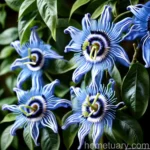
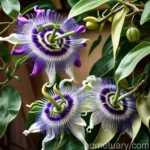
Passiflora ‘Blue Bouquet’ serves as a striking ornamental addition to gardens, landscapes, and outdoor spaces. The plant’s exquisite, blue-tinged flowers add a touch of exotic elegance, making it a sought-after choice for trellises, arbors, and fences. Its lush green foliage, adorned with showy blooms, creates a captivating focal point and contributes to the aesthetic appeal of any setting.
Medicinal
Beyond its ornamental value, Passiflora ‘Blue Bouquet’ holds significant medicinal importance. Various parts of the plant, especially the leaves and dried aerial parts, have been traditionally utilized for their potential therapeutic properties. The plant is known for its calming effects and has been used in herbal remedies for promoting relaxation and alleviating anxiety and insomnia.
Folklore
Passiflora has deep-rooted symbolism and cultural significance in different traditions and folklore. The intricate structure of the passion flower is said to represent elements of the Christian faith, with the flower parts being associated with the Passion of Christ. Moreover, the plant has been linked with various symbols and stories in indigenous cultures, adding to its mythical and symbolic allure.
Pruning
Pruning is an essential aspect of Passiflora ‘Blue Bouquet’ care, as it helps maintain the plant’s shape, control its size, and encourage vigorous growth. Regular pruning can also aid in removing dead or diseased branches, promoting air circulation, and shaping the plant to suit its growing environment. Pay attention to the timing and technique of pruning to ensure optimal results without hampering the plant’s ornamental and structural appeal.
Propagation
Passiflora ‘Blue Bouquet’ can be propagated through several methods, including seeds, stem cuttings, and layering. Each propagation technique offers unique advantages and challenges, and the choice of method may depend on factors such as the availability of plant material, desired propagation success rate, and the specific requirements of the cultivar.
Container Popularity
The compact and manageable growth habit of Passiflora ‘Blue Bouquet’ makes it an excellent candidate for container gardening. Whether in small to medium-sized pots or larger containers, the plant can thrive and bloom profusely when provided with the appropriate cultural conditions. Container cultivation also allows for greater flexibility in positioning the plant and creating stunning floral displays in outdoor and indoor settings.
Common Diseases
Disease Diagnosis
While Passiflora ‘Blue Bouquet’ is generally resilient, it is susceptible to certain diseases, including fusarium wilt and powdery mildew. Identifying the symptoms of these diseases, such as wilting, yellowing, or powdery patches on the foliage, is crucial for timely intervention and management. Implementing preventive measures and prompt treatment can help mitigate the impact of these diseases on the plant’s health and vitality.
Common Pests
Passiflora ‘Blue Bouquet’ may encounter pest challenges, with common invaders including aphids and spider mites. Monitoring the plant for signs of pest infestation, such as distorted foliage, webbing, or stippling, can aid in early detection and control measures. Utilizing natural predators, insecticidal soaps, or horticultural oils can assist in managing pest populations effectively without harming beneficial organisms.
Botanist’s Tips
As a plant scientist, I would like to offer some valuable tips for cultivating and caring for Passiflora ‘Blue Bouquet’:
- Provide Support for Climbing: Due to its vigorous climbing habit, ensure that suitable support structures are in place to guide the plant’s growth and prevent sprawling or tangling of the vines.
- Protect from Frost: In regions with frost-prone conditions, safeguard the plant from freezing temperatures by providing appropriate insulation or relocating it to a sheltered area during the colder months.
- Encourage Wildlife: The nectar-rich flowers of Passiflora ‘Blue Bouquet’ attract various pollinators, including butterflies and hummingbirds, enhancing the ecological diversity and beauty of the surrounding landscape.
Fun Facts
- Symbolism: The intricate floral structure of Passiflora has been associated with religious symbolism, particularly in the context of the Christian faith, where the flower parts are believed to represent elements of the Passion of Christ.
- Butterfly Magnet: The vibrant blooms of Passiflora ‘Blue Bouquet’ act as a magnet for butterflies, adding a delightful flutter of color and movement to the garden or landscape.
- Cultural Significance: Passiflora has played a significant role in indigenous cultures, folklore, and traditional medicine, contributing to its enduring allure and relevance.
Links to External Resources
For further information and in-depth insights into Passiflora ‘Blue Bouquet’, you may find the following external resources valuable:
- Passiflora: The Passion Flowers (Source)
- Passiflora caerulea: Blue Passion Flower (Source)
- Passiflora: A Comprehensive Guide to Cultivation and Uses (Source)
In conclusion, Passiflora ‘Blue Bouquet’ stands as a captivating and multifaceted plant, bearing significance in ornamental, medicinal, and cultural domains. Its enchanting blooms, combined with its resilience and diverse uses, make it a compelling choice for both seasoned gardeners and enthusiasts alike. By understanding its cultural requirements, potential uses, and inherent charm, individuals can appreciate and cultivate this extraordinary plant to enrich their outdoor spaces and experience its timeless allure.
The information provided in this article is based on thorough research and expertise in the field of plant science. For specific cultivation and care instructions, it is recommended to consult local gardening experts and reliable horticultural sources.