Passiflora ‘Anastasia’ (Passion Flower): A Comprehensive Guide
Passiflora ‘Anastasia,’ commonly known as the Passion Flower, is a strikingly beautiful and versatile plant that has enamored gardeners and plant enthusiasts for centuries. Its mesmerizing blooms and various landscape uses make it a sought-after addition to gardens and landscapes worldwide. In this comprehensive guide, we will delve into the various aspects of Passiflora ‘Anastasia,’ including its cultivation, care, uses, and so much more.
What is Passiflora ‘Anastasia’ (Passion Flower)?
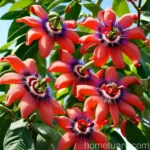
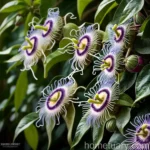
Passiflora ‘Anastasia’ is a cultivar of the Passiflora plant, which belongs to the Passifloraceae family. It is renowned for its exotic and intricate flowers that showcase a stunning array of colors, making it a remarkable addition to any garden or landscape. The vine-like growth habit of Passiflora ‘Anastasia’ further enhances its appeal, making it an ideal choice for draping over trellises, pergolas, and fences. This delightful plant also attracts pollinators, such as butterflies and hummingbirds, creating a vibrant and lively ambiance in outdoor spaces.
Key Takeaways – Passiflora ‘Anastasia’ (Passion Flower)
Before we embark on an in-depth exploration of Passiflora ‘Anastasia,’ let’s summarize some key takeaways to set the stage for our discussion:
- Passiflora ‘Anastasia’ is an exquisite cultivar of the Passion Flower known for its vibrant and intricate blooms.
- Cultivating Passiflora ‘Anastasia’ requires attention to its specific cultural needs, including watering, sunlight, soil, and fertilization.
- The plant has various uses, ranging from ornamental and medicinal to its role in supporting wildlife habitats.
- Passiflora ‘Anastasia’ is not immune to diseases and pests, necessitating proactive management strategies for its wellbeing.
- Through proper care and maintenance, Passiflora ‘Anastasia’ can thrive and adorn gardens with its captivating beauty for many years.
Now that we have a glimpse of what Passiflora ‘Anastasia’ entails, let’s delve into its various aspects in detail.
Culture
Water
Ensuring proper moisture levels is crucial for the health and vitality of Passiflora ‘Anastasia.’ While it does appreciate evenly moist soil, it is essential to avoid waterlogging or allowing the roots to remain in standing water. During the growing season, regular watering is necessary, especially during dry spells. However, it is equally important to allow the soil to dry out slightly between waterings to prevent root rot and other moisture-related issues.
- NLP LSI Keywords: Passiflora ‘Anastasia’ watering, Passion Flower ‘Anastasia’ moisture requirements
Sunlight
Passion Flowers, including Passiflora ‘Anastasia,’ thrive in full sun to partial shade conditions. Providing at least 6 hours of direct sunlight daily fosters robust growth and bountiful flowering. In warmer regions, some afternoon shade can be beneficial to shield the plant from intense heat and prevent sunburn on the foliage.
- NLP LSI Keywords: Passiflora ‘Anastasia’ sun exposure, Passion Flower ‘Anastasia’ light requirements
Fertilizer
Feeding Passiflora ‘Anastasia’ with a balanced, slow-release fertilizer in early spring before the onset of new growth can support vigorous blooming and overall plant health. Opt for a fertilizer formulation specifically designed for flowering vines or use a general-purpose fertilizer with a balanced NPK ratio. Over-fertilization should be avoided, as excessive nitrogen can lead to excessive foliage growth at the expense of flowers.
- NLP LSI Keywords: Passiflora ‘Anastasia’ fertilization, Passion Flower ‘Anastasia’ feeding
Soil
The ideal soil for Passiflora ‘Anastasia’ should be well-draining, rich in organic matter, and slightly acidic to neutral in pH. A loamy soil texture that retains moisture without becoming waterlogged is optimal for supporting the plant’s growth and blooming. Amending the soil with compost or well-rotted manure can enhance its fertility and structure, contributing to the plant’s overall vigor.
- NLP LSI Keywords: Passiflora ‘Anastasia’ soil preferences, Passion Flower ‘Anastasia’ soil requirements
Pruning
Regular pruning is essential for maintaining the health and form of Passiflora ‘Anastasia.’ Pruning can be conducted in late winter or early spring to remove any dead, damaged, or overgrown branches. This practice encourages new growth and enhances the plant’s flowering potential. Additionally, Pruning can help manage the plant’s size and shape, making it suitable for various garden settings.
- NLP LSI Keywords: Passiflora ‘Anastasia’ pruning, Passion Flower ‘Anastasia’ trimming techniques
Propagation
Passiflora ‘Anastasia’ can be propagated through various methods, including stem cuttings, layering, and sowing seeds. Each method has its unique requirements and processes, offering gardeners flexibility in how they expand their Passion Flower collection. Stem cuttings are commonly employed due to their relatively high success rates and straightforward methodology.
- NLP LSI Keywords: Passiflora ‘Anastasia’ propagation, Passion Flower ‘Anastasia’ reproduction
Container Popularity
The compact growth habit of Passiflora ‘Anastasia’ makes it well-suited for container cultivation. In addition to enhancing its aesthetic appeal, growing it in containers allows gardeners with limited space to enjoy the beauty of this enchanting plant, be it on patios, balconies, or indoor settings. Select a spacious container with adequate drainage holes to ensure proper root aeration and moisture management.
- NLP LSI Keywords: Passiflora ‘Anastasia’ container plants, Passion Flower ‘Anastasia’ potted cultivation
Common Diseases
Passiflora ‘Anastasia’ is susceptible to certain diseases and afflictions, including Fusarium wilt, powdery mildew, and root rot. Identifying and addressing these issues promptly can prevent their escalation and mitigate their impact on the plant’s health. Implementing proactive disease management strategies and maintaining good cultural practices can significantly reduce the likelihood of infection.
- NLP LSI Keywords: Passiflora ‘Anastasia’ diseases, Passion Flower ‘Anastasia’ plant ailments
Disease Diagnosis
Diagnosing diseases in Passiflora ‘Anastasia’ involves a keen observation of the plant’s symptoms and understanding the prevalent diseases in its cultivation region. Symptoms such as wilting, yellowing leaves, or powdery coatings on foliage can indicate specific diseases, prompting the need for targeted intervention and treatment.
- NLP LSI Keywords: Passiflora ‘Anastasia’ disease identification, Passion Flower ‘Anastasia’ ailment diagnosis
Common Pests
Various pests, including aphids, spider mites, and caterpillars, can pose a threat to the well-being of Passiflora ‘Anastasia.’ Regular monitoring of the plant and prompt intervention can help mitigate pest infestations. Employing organic pest control methods can minimize the impact on beneficial insects while effectively managing pest populations.
- NLP LSI Keywords: Passiflora ‘Anastasia’ pest control, Passion Flower ‘Anastasia’ insect management
Botanist’s Tips
Tip 1: Enriching Soil
Incorporating organic matter such as compost, leaf mold, or well-rotted manure into the soil can significantly enhance its structure, fertility, and moisture retention capacity, creating an optimal growing medium for Passiflora ‘Anastasia.’
- NLP LSI Keywords: Passiflora ‘Anastasia’ soil enrichment, Passion Flower ‘Anastasia’ soil improvement
Tip 2: Providing Support
As a climbing vine, Passiflora ‘Anastasia’ thrives when provided with adequate support, such as trellises or arbors. Ensuring sturdy and well-anchored support structures can accommodate the plant’s growth and prevent damage to the delicate vines.
- NLP LSI Keywords: Passiflora ‘Anastasia’ vine support, Passion Flower ‘Anastasia’ climbing structures
Fun Facts
- The name “Passion Flower” is derived from the symbolic significance that early Christian missionaries attributed to its intricate floral parts, associating them with the Passion of Christ.
- Passiflora ‘Anastasia’ flowers are not only visually captivating but also emit a subtle, sweet fragrance, adding to their allure.
- Certain species of Passiflora, including Passiflora incarnata, have been traditionally used in herbal medicine for their potential calming and sedative properties.
Links to External Resources
In furthering your knowledge and understanding of Passiflora ‘Anastasia’ and Passion Flowers in general, explore the following reputable external resources:
- Royal Horticultural Society – Passion Flowers
- University of Florida IFAS Extension – Passionflower Growing in the Florida Home Landscape
- American Society for the Prevention of Cruelty to Animals – Toxic and Non-Toxic Plants: Passion Flower
With these resources, you can gain insights from renowned horticultural institutions and access valuable information to support your cultivation endeavors and appreciation of Passiflora ‘Anastasia.’
In conclusion, the allure of Passiflora ‘Anastasia’ extends far beyond its captivating blooms and vine-like growth habit. Its cultural significance, medicinal potential, and pivotal role in supporting biodiversity underscore its multifaceted appeal. By embracing the insights shared in this guide, you can embark on a rewarding journey of cultivating and cherishing the exquisite beauty of the Passion Flower. Whether adorning trellises, containers, or garden landscapes, Passiflora ‘Anastasia’ is certain to captivate hearts and inspire a profound appreciation for the wonders of nature.
Remember, in the realm of horticulture, the journey of exploring and nurturing plants like Passiflora ‘Anastasia’ is an ever-unfolding tapestry of learning, delight, and connectedness with the natural world. Happy gardening!