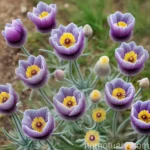
What is pasque flower (Pulsatilla vulgaris subsp. grandis ‘Papageno’)?
Pasque flower (Pulsatilla vulgaris subsp. grandis ‘Papageno’) is a charming and delicate flowering plant belonging to the Ranunculaceae family. This perennial herbaceous plant is native to Europe and is renowned for its beautiful, bell-shaped flowers that adorn the landscape with their vibrant colors.
The ‘Papageno’ variety of pasque flower is particularly cherished for its unique and striking blooms that add an enchanting touch to gardens and natural landscapes. With its distinct cultural significance and numerous uses, pasque flower has captured the fascination of botanists, horticulturists, and gardening enthusiasts around the world.
In this comprehensive guide, we will explore the various aspects of pasque flower cultivation, including its cultural significance, uses, and essential care requirements. From understanding its water and sunlight needs to discussing fertilizer application, soil preferences, and propagation methods, this guide aims to provide valuable insights into cultivating and caring for the pasque flower. Additionally, we will delve into common diseases and pests that affect the plant, along with effective diagnosis and management strategies. Whether you are a seasoned gardener or a newcomer to the world of horticulture, this guide will equip you with the knowledge and expertise needed to nurture and appreciate the exquisite pasque flower.
Key Takeaways – Pasque Flower (Pulsatilla vulgaris subsp. grandis ‘Papageno’)
Before delving into the intricate details of pasque flower care and cultivation, let’s highlight the key takeaways that will guide our exploration of this captivating plant.
Culture
- Pasque flower (Pulsatilla vulgaris subsp. grandis ‘Papageno’) is a perennial herbaceous plant with a rich cultural significance, cherished for its unique beauty and symbolism in various traditions and folklore.
- It is celebrated for its early spring blooms, often heralding the arrival of the new season and bringing colorful displays to gardens and natural landscapes.
- Pasque flower holds historical and medicinal significance, with various cultural practices and uses associated with different parts of the plant.
Uses
- The pasque flower is commonly used in landscaping and gardening to add ornamental value to outdoor spaces, including rock gardens, perennial borders, and wildflower meadows.
- Symbolically, pasque flower holds diverse cultural meanings, representing rebirth, protection, and vitality in different traditions and belief systems.
- Historically, various parts of the plant have been utilized for their medicinal properties, contributing to its reputation as a valuable herb in traditional medicine.
Water
- Adequate watering is essential for the healthy growth and development of pasque flowers, particularly during the active growing season and flowering period.
- Moderate watering practices and well-draining soil are recommended to prevent waterlogging and root rot, ensuring the plant’s vitality and vigor.
Sunlight
- Pasque flowers thrive in locations with ample sunlight, benefiting from full to partial sun exposure to support robust growth and prolific blooming.
- Selecting suitable planting sites with adequate sunlight is crucial for maximizing the plant’s ornamental value and overall health.
Fertilizer
- Proper fertilization can enhance the vigor and floral abundance of pasque flowers, with organic and balanced fertilizers being favorable for promoting healthy growth.
- Care should be taken to apply fertilizer judiciously, avoiding excessive concentrations that may lead to adverse effects on the plant’s well-being.
Soil
- Well-draining, loamy soil with good aeration and fertility is preferred for cultivating pasque flowers, helping to maintain optimal moisture levels and root health.
- Understanding the soil preferences and characteristics of this plant is essential for establishing thriving and resilient pasque flower displays.
Pruning
- Pruning practices can contribute to the maintenance of pasque flowers, assisting in the removal of spent blooms, controlling plant size, and encouraging regrowth.
- Proper pruning techniques can support the plant’s long-term health and flowering performance, making it an integral aspect of pasque flower care.
Propagation
- Pasque flowers can be propagated through various methods, including division, seed sowing, and potentially root cuttings, offering gardeners diverse options for expanding their plant collections.
- Understanding the propagation techniques and requirements of pasque flowers is essential for successful and sustainable cultivation.
Container Popularity
- Pasque flowers are well-suited for container gardening, allowing for versatile and eye-catching displays in outdoor living spaces, balconies, and patios.
- The plant’s ornamental appeal and adaptability make it an attractive choice for container cultivation, bringing seasonal interest and vibrant colors to confined settings.
Container Common Diseases
- While pasque flowers are resilient plants, they may still be susceptible to certain diseases, including powdery mildew, botrytis, and other fungal infections that can affect their health and appearance.
- Recognizing common diseases and understanding their management is crucial for maintaining the vitality and beauty of pasque flowers in container settings.
Disease Diagnosis
- Accurate diagnosis of potential diseases and ailments is essential for implementing timely and effective strategies to safeguard pasque flowers from harm.
- Monitoring the plant for signs of disease and conducting careful assessments can facilitate precise diagnosis and intervention, preserving the plant’s well-being.
Common Pests
- Pasque flowers may face challenges from various pests, including aphids, slugs, and snails, which can compromise their growth and vitality when left unaddressed.
- Identifying common pests and employing preventive measures is key to protecting pasque flowers from pest-related damage and ensuring their flourishing growth.
Botanist’s Tips
- Insights from botanists and horticultural experts can offer valuable guidance on the cultivation, care, and appreciation of pasque flowers, drawing from their expertise and experiences in working with these plants.
- Botanist-curated tips can help enthusiasts and gardeners optimize their pasque flower displays, from selecting ideal planting sites to overcoming challenges in cultivation.
Fun Facts
- Pasque flowers are encompassed by intriguing and distinctive features, including their early spring blooms, feathery foliage, and cultural symbolism that add a touch of fascination to these plants.
- Exploring fun facts about pasque flowers can enrich the gardening experience, deepening the appreciation for their natural allure and historical significance.
Links to External Resources
Throughout this guide, we will integrate valuable external resources that offer further insights, tips, and expert knowledge on pasque flowers, expanding the scope of information available to readers. By incorporating diverse perspectives and authoritative sources, we aim to provide a comprehensive and enriching resource for pasque flower enthusiasts and plant lovers.
With these key takeaways in mind, we embark on an illuminating journey into the enchanting realm of pasque flowers, exploring every facet of their cultural significance, horticultural attributes, and essential care requirements. Let’s immerse ourselves in the captivating world of the pasque flower and discover the art of cultivating and cherishing this beloved botanical gem.
Pasque Flower (Pulsatilla vulgaris subsp. grandis ‘Papageno’): An In-Depth Exploration
The pasque flower, scientifically known as Pulsatilla vulgaris subsp. grandis ‘Papageno,’ stands as a symbol of vitality and rebirth, enchanting enthusiasts with its resplendent blooms and historical heritage. In this section, we will delve into the multifaceted dimensions of this captivating plant, unravelling its botanical characteristics, cultural significance, and diverse uses that have captivated the imaginations of plant enthusiasts, herbalists, and storytellers for generations.
Botanical Overview
Taxonomy and Classification
The pasque flower (Pulsatilla vulgaris subsp. grandis ‘Papageno’) belongs to the Ranunculaceae family, commonly known as the buttercup family. This family encompasses a wide array of flowering plants, including numerous species celebrated for their ornamental value and diverse cultural associations. The genus Pulsatilla comprises various species distributed across different regions, each distinguished by its unique botanical attributes and ecological adaptations.
The specific epithet “vulgaris” in the plant’s name alludes to its commonness or widespread distribution, reflecting its prevalence in certain regions where it thrives. Within the species Pulsatilla vulgaris, the subspecies grandis denotes specific variations or distinctions that differentiate it from other subspecies within the same species. In the case of the ‘Papageno’ variety, this cultivar’s name signifies its unique qualities and attributes, often associated with its distinct floral characteristics and growth habits.
Morphological Features
Pasque flowers are renowned for their captivating blossoms, which herald the arrival of spring with a profusion of colors and delicate, bell-shaped blooms. The feathery foliage of the plant further enhances its ornamental appeal, contributing to its overall charm and visual allure. The ‘Papageno’ variety, in particular, is celebrated for its vivid and distinctive flowers, which set it apart as a coveted choice for floral displays and landscape enhancements.
The plant exhibits a low-growing habit, with a compact stature that makes it well-suited for various garden settings, including rock gardens, borders, and containers. Its intricate flowers, held atop slender stems, create an enchanting spectacle that captivates onlookers and lends an air of whimsy to outdoor spaces. The fern-like leaves of the pasque flower add to its visual interest, enhancing the overall aesthetic appeal of the plant and contributing to its unique ornamental value.
Cultural Significance
Symbolism and Traditions
Throughout history, pasque flowers have been revered for their symbolic significance, featuring prominently in various cultural traditions, folklore, and symbolic interpretations. Their early spring blooms have often been associated with themes of renewal, vitality, and the triumphant return of life following the dormancy of winter. In many cultures, the pasque flower is regarded as a harbinger of the changing seasons, embodying the spirit of rejuvenation and the promise of new beginnings.
The name “pasque” is derived from the word “paschal,” evoking connections to the Easter holiday and its symbolic associations with resurrection and spiritual renewal. It is not uncommon to find pasque flowers featured in religious ceremonies and traditional observances, where their blossoms serve as potent reminders of hope, transformation, and the enduring cycle of life. As such, their cultural significance extends beyond the realm of horticulture, intertwining with the fabric of human traditions and beliefs.
Medicinal Utilization
In addition to their symbolic importance, pasque flowers have been utilized for their medicinal properties in traditional herbal medicine, offering a range of potential therapeutic benefits and applications. Historically, different parts of the plant, including the roots and aerial portions, have been employed in herbal remedies and preparations, showcasing the plant’s versatility and pharmacological potential. The herbal uses of pasque flowers have been documented in various traditional healing systems, reflecting the plant’s historical importance in herbal lore and botanical medicine.
From addressing ailments related to inflammation and pain to supporting respiratory health and well-being, pasque flowers have been valued for their diverse medicinal properties and have found application in herbal formulations and remedies designed to promote holistic wellness. Although modern medical practices have evolved, the traditional knowledge surrounding the medicinal virtues of pasque flowers continues to intrigue herbal enthusiasts and botanical researchers, providing insights into the plant’s inherent qualities and beneficial attributes.
Uses in Gardening and Landscaping
Ornamental Value
The ornamental appeal of pasque flowers has made them sought-after selections for diverse gardening and landscaping endeavors, contributing lushness, color, and visual interest to outdoor settings. Whether showcased in naturalistic plantings, rock gardens, or perennial borders, pasque flowers stand out as charismatic additions that infuse the landscape with early spring charm and dramatic floral displays. Their adaptability to various growing conditions and their low-maintenance nature further enhance their appeal, making them attractive choices for both novice and experienced gardeners.
Beyond their individual allure, pasque flowers can be incorporated into design schemes and horticultural compositions, adding texture, movement, and accent points to garden vignettes. Their feathery foliage and captivating blooms harmonize with diverse plant companions, creating visually compelling plant combinations that elevate the aesthetic appeal of outdoor spaces. When strategically positioned within the landscape, pasque flowers can serve as focal points or complementary elements, enriching the overall visual tapestry of the garden.
Wildlife Attraction
In addition to their visual appeal, pasque flowers contribute to the ecological dynamics of the landscape by providing habitat and sustenance for pollinators and beneficial insects. Their nectar-rich blooms attract bees, butterflies, and other pollinators, facilitating essential ecological interactions and contributing to the biodiversity of the garden environment. By nurturing these vital pollinator populations, pasque flowers play a valuable role in supporting ecosystem health and promoting a harmonious coexistence between plants and wildlife.
Furthermore, the feathery seeds of pasque flowers, borne after the flowering period, add an additional dimension to their ecological significance. These seeds are dispersed by the wind, contributing to the natural cycle of seed dispersal and potentially fostering the establishment of new pasque flower colonies in suitable habitats. As such, the plant’s contribution to the ecological tapestry extends beyond its visual allure, encompassing its role in sustaining and supporting wildlife populations within the garden and broader landscape.
Pasque Flower Care: Unveiling the Essentials
Having explored the rich cultural heritage and diverse uses of pasque flowers, we now turn our attention to the essential care requirements that underpin the successful cultivation and stewardship of these exquisite plants. From understanding their water and sunlight needs to discussing soil preferences, fertilizer application, and propagation techniques, this section aims to equip plant enthusiasts with practical insights and thoughtful guidance for nurturing flourishing pasque flower displays.
Pasque Flower Care Essentials
Water
Pasque flowers require well-modulated watering to support their growth and blooming cycles effectively. During their active growing phase and flowering period, it is crucial to provide consistent moisture without allowing the soil to become waterlogged. Adequate hydration promotes the development of robust foliage and vibrant blooms, sustaining the plant’s overall well-being.
Watering Guidelines:
- Water the plant moderately, ensuring that the soil remains moist but not excessively wet.
- During dry spells or prolonged periods of heat, monitor soil moisture and provide supplementary watering as needed to prevent drought stress.
- Implement mulching around the base of the plant to conserve soil moisture and minimize water loss through evaporation.
Sunlight
Pasque flowers thrive in locations with ample sunlight, benefiting from exposure to full to partial sun to support vigorous growth and prolific flowering. Selecting suitable planting sites with adequate sunlight is essential for optimizing the plant’s ornamental value and ensuring its healthy development.
Sunlight Requirements:
- Position pasque flowers in areas that receive at least 6 hours of direct sunlight daily, maximizing their exposure to natural light.
- Choose well-drained, sunny locations for planting to create favorable growing conditions that stimulate robust growth and abundant blooms.
- In regions with intense summer heat, partial shade during the hottest part of the day may benefit pasque flowers, preventing potential stress from excessive sun exposure.
Fertilizer
Applying balanced and organic fertilizers can enhance the vigor and floral abundance of pasque flowers, providing essential nutrients that support their growth and flowering performance. Careful application of fertilizer encourages healthy development without overstimulating excessive vegetative growth.
Fertilization Guidelines:
- Apply a balanced, slow-release fertilizer in early spring as new growth emerges, distributing it evenly around the plant’s base.
- Refrain from excessive fertilization, as pasque flowers thrive in lean to moderately fertile soils and may be adversely affected by an overabundance of nutrients.
- Incorporate organic matter, such as compost or well-rotted manure, into the soil during the planting phase to enrich the growing medium and promote soil fertility.
Soil
Pasque flowers favor well-draining, loamy soil with adequate aeration and fertility, enabling them to maintain optimal moisture levels and root health. Understanding the soil preferences and characteristics of this plant is vital for establishing thriving and resilient pasque flower displays.
Soil Requirements:
- Cultivate well-draining soil with good permeability to prevent waterlogging and facilitate air circulation around the roots.
- Prioritize loamy soil with a balanced texture and structure, offering a blend of sand, silt, and clay that promotes healthy root development and moisture retention.
- Verify the soil pH to ensure it falls within the preferred range for pasque flowers, which typically lies slightly on the alkaline side, around 6.8 to 7.2.
Pruning
Pruning practices play a pivotal role in maintaining the vitality and visual appeal of pasque flowers, contributing to their overall health and flowering performance. Regular pruning assists in the removal of spent blooms, controls plant size, and stimulates new growth, integrating it as a crucial aspect of pasque flower care.
Pruning Guidelines:
- After the flowering period, carefully remove spent flower stems to encourage further blooming and prevent seed production, redirecting the plant’s energy into vegetative growth.
- Exercise caution during pruning to avoid damaging the emerging foliage or new shoots, employing clean, sharp tools to ensure precise cuts and minimal stress on the plant.
- Monitor the plant’s growth throughout the growing season, adjusting pruning practices as necessary to maintain its desired shape and overall form.
Propagation
Pasque flowers can be propagated through various methods, including division, seed sowing, and potentially root cuttings, offering gardeners diverse options for expanding their plant collections and creating new displays. Understanding the propagation techniques and requirements of pasque flowers is essential for successful and sustainable cultivation.
Propagation Techniques:
- Divide mature pasque flower clumps in early spring or late summer to produce new plants, ensuring that each division possesses sufficient roots and foliage for independent growth.
- Collect ripe pasque flower seeds after the blooming period, sowing them in well-prepared seed-starting mix or directly in the garden bed to initiate seed germination.
- Explore potential root cuttings as an additional propagation method, cultivating new plants from established root structures to broaden pasque flower populations.
Pasque Flower Varieties
The ‘Papageno’ variety of pasque flower stands out as an esteemed selection, celebrated for its unique characteristics and captivating blooms that enrich the garden with their vibrant hues and ethereal beauty. Understanding the distinct attributes of the ‘Papageno’ variety enhances the tailored care and cultivation of this plant, enabling enthusiasts to make the most of its inherent qualities and ornamental value.
‘Papageno’ Pasque Flower Characteristics:
- Distinguished by its striking and variegated flowers, the ‘Papageno’ variety showcases a kaleidoscope of colors, including rich purples, cheerful yellows, and ethereal whites that harmonize in a captivating floral display.
- The ‘Papageno’ variety exhibits feathery foliage that complements its vibrant blooms, offering an attractive contrast and textural interest throughout the growing season.
- Renowned for its charming and whimsical demeanor, the ‘Papageno’ pasque flower variety infuses the garden with enchanting visual allure and seasonal interest, captivating the imagination and delighting onlookers with its unique personality.
Embracing the unique attributes and horticultural nuances of the ‘Papageno’ variety allows enthusiasts to appreciate its distinct qualities and tailor their care practices to support its flourishing growth and exceptional floral displays.
Common Diseases and Pest Management
Disease Diagnosis
Accurate diagnosis of potential diseases and ailments is essential for implementing timely and effective strategies to safeguard pasque flowers from harm. By recognizing common disease symptoms and understanding their underlying causes, enthusiasts can undertake informed interventions to preserve the plant’s health and vitality.
Common Pasque Flower Diseases:
- Powdery Mildew: Characterized by a powdery, whitish fungal growth on the foliage, powdery mild