Pomegranate (Punica Granatum)
Pomegranate (Punica granatum) is a fruit-bearing shrub or small tree that belongs to the family Lythraceae. This plant is widely cultivated throughout the.
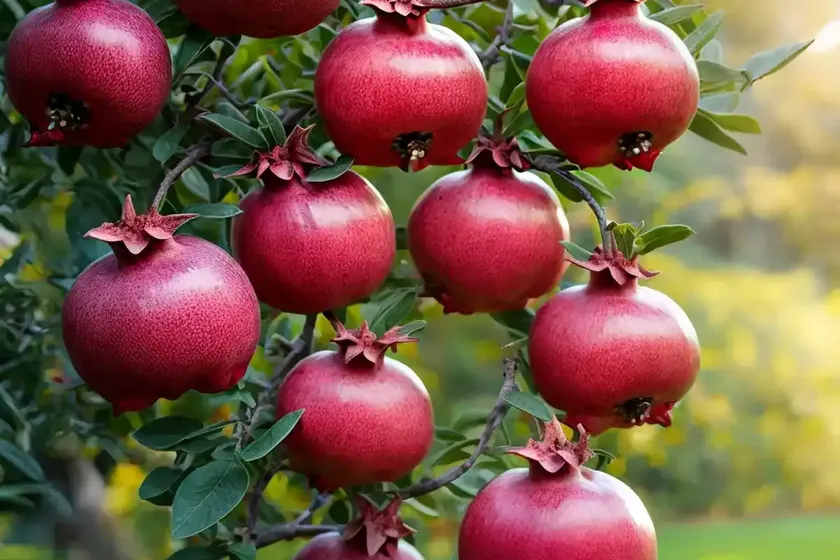
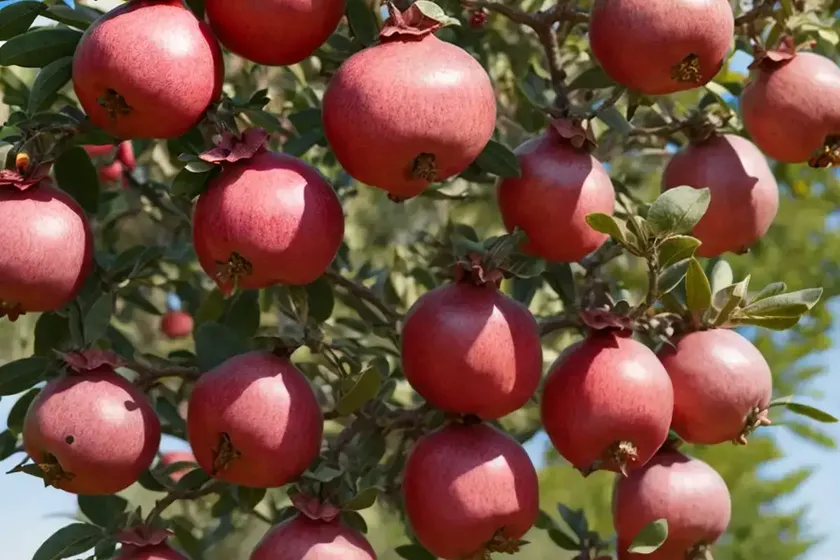
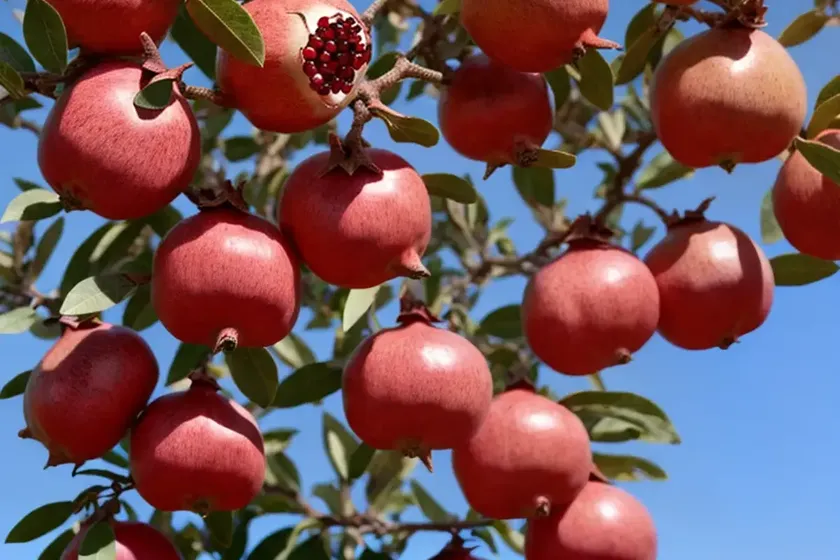
Pomegranate (Punica granatum) is a fruit-bearing shrub or small tree that belongs to the family Lythraceae. This plant is widely cultivated throughout the world due to its attractive, vibrant flowers and delicious, nutrient-rich fruits. In this comprehensive guide, we will explore the various aspects of the pomegranate plant, including its cultural significance, uses, care requirements, propagation techniques, common diseases, and pests. We will also delve into the fascinating folklore and mythology surrounding the pomegranate, as well as its health benefits and culinary uses.
What is a Pomegranate (Punica granatum)?
Pomegranate, scientifically known as Punica granatum, is a deciduous shrub or small tree native to the region encompassing Iran to northern India. It has been cultivated in the Mediterranean region since ancient times and is of considerable cultural and religious significance in this area.
The pomegranate plant is characterized by its glossy, narrow leaves, attractive red-orange flowers, and distinctive, leathery-skinned fruits filled with juicy, edible seeds. The fruit, commonly known as a pomegranate, is divided into compartments by white spongy tissue and contains clusters of red, pink, or whitish pulp and seeds.
Key Takeaways – Pomegranate (Punica granatum)
Before we delve into the various aspects of caring for the pomegranate plant, let’s summarize some key takeaway points about this fascinating species:
Pomegranate Benefits
- Rich in antioxidants, vitamins, and minerals
- Potential health benefits for heart health, inflammation, and cancer prevention
- Nutrient-dense and low in calories
Punica granatum Health Benefits
- Potential medicinal uses in traditional and herbal medicine
- Antioxidant properties contribute to overall health and well-being
- Culinary and culinary history of the pomegranate
Pomegranate Tree
- Deciduous shrub or small tree
- Vibrant red-orange flowers and leathery-skinned fruits
Punica granatum Plant Care
- Requires well-drained soil and ample sunlight
- Regular watering during the growing season
- Pruning and fertilization for optimal growth and fruit production
Pomegranate Facts
- Culturally significant in the Mediterranean region and beyond
- Symbolic meanings and folklore associated with the pomegranate
Punica granatum Cultivation
- Widely cultivated for ornamental, culinary, and medicinal purposes
- Regional variations in cultivation techniques and uses
Pomegranate Varieties
- Diverse range of cultivars with varying fruit color, flavor, and size
- Adapted to different climates and growing conditions
Punica granatum Medicinal Uses
- Traditional uses in herbal medicine
- Potential therapeutic applications for various health conditions
How to Grow Pomegranate
- Requirements for soil, sunlight, and water
- Propagation methods and growth stages
Punica granatum Nutrition
- Nutrient profile and health benefits of pomegranate consumption
- Culinary uses and recipes incorporating pomegranate
Pomegranate Juice Benefits
- Nutritional and health properties of pomegranate juice
- Antioxidant content and potential health effects
Punica granatum Antioxidant Properties
- Contributions to overall health and disease prevention
- Use in skincare and cosmetic products
Pomegranate Recipes
- Culinary uses and recipes incorporating pomegranate
- Traditional and contemporary uses in cooking
Punica granatum Fruit
- Nutrient-dense, flavorful fruits with culinary and medicinal applications
- Variations in fruit characteristics and uses
Pomegranate Seeds
- Edible seeds rich in antioxidants and nutrients
- Culinary and culinary uses of pomegranate seeds
Punica granatum Flowering
- Attractive red-orange flowers with ornamental and cultural significance
- Flowering patterns and significance in folklore and mythology
This summarized list provides an overview of the diverse aspects of the pomegranate plant, from its cultivation and care to its cultural significance and health benefits. Now, let’s delve deeper into each of these aspects to gain a comprehensive understanding of this fascinating plant.
Culture
Uses
The pomegranate plant has been cultivated for a wide range of purposes, including ornamental, culinary, and medicinal uses. Its vibrant flowers and decorative fruits make it a popular ornamental plant in gardens and landscapes around the world. In culinary applications, pomegranate fruits are consumed fresh, juiced, or used as a flavorful addition to various dishes, beverages, and desserts. The seeds (arils) are particularly prized for their sweet-tart flavor and vibrant color. Additionally, pomegranate juice is a popular beverage known for its distinct taste and potential health benefits.
Medicinally, various parts of the pomegranate plant, including the fruit, seeds, and bark, have been used in traditional and herbal medicine for their purported therapeutic properties. Pomegranate extracts and supplements are also available in the form of capsules and powders, often marketed for their antioxidant and anti-inflammatory effects.
Water
Pomegranate plants, like many fruit-bearing trees, require regular watering, particularly during dry or hot periods. Adequate soil moisture is essential for fruit development and overall plant health. However, it is important to avoid waterlogging the soil, as excessive moisture can lead to root rot and other detrimental conditions. A well-draining soil mix combined with a controlled watering schedule can help maintain optimal soil moisture levels for pomegranate plants.
Sunlight
Pomegranate plants thrive in full sunlight and require a minimum of 6 to 8 hours of direct sunlight each day. Adequate sunlight is crucial for fruit production, flowering, and overall plant growth. When selecting a planting location for pomegranate, it is important to choose a spot with ample sunlight exposure throughout the day, preferably in a well-ventilated area that allows for good air circulation around the plant.
Fertilizer
Proper fertilization is key to promoting healthy growth and fruit production in pomegranate plants. A balanced fertilizer with a higher ratio of potassium (the third number on the fertilizer label) is generally recommended for pomegranate cultivation. Potassium is particularly important for enhancing fruit quality, flavor, and color. Additionally, a soil test can provide valuable insights into the specific nutrient requirements of pomegranate plants, allowing for targeted fertilization based on the results.
Soil
The ideal soil for pomegranate cultivation is well-drained, fertile, and slightly acidic to neutral in pH. Sandy loam or loamy soils with good drainage properties are well-suited for pomegranate plants. It is important to avoid waterlogged or compacted soils, as they can impede root development and lead to various physiological disorders in the plant. Amending the soil with organic matter, such as compost or well-rotted manure, can help improve soil structure and fertility for pomegranate cultivation.
Pruning
Pruning plays a vital role in shaping the structure of pomegranate plants, promoting airflow, and managing fruit production. In the early years of growth, selective pruning can help establish a strong framework for the plant and encourage the development of fruitful branches. Additionally, removing dead or diseased wood, as well as thinning out excessive growth, can aid in maintaining the overall health and productivity of the plant. Pruning is typically carried out during the dormant season, before the onset of new growth in spring.
Propagation
Pomegranate plants can be propagated through various methods, including seeds, cuttings, and grafting. While growing pomegranate from seeds is possible, it often results in genetic variation and may not produce fruits true to the parent plant. Therefore, vegetative propagation methods, such as hardwood cuttings or grafting onto suitable rootstocks, are commonly preferred for retaining the desired characteristics of specific cultivars. Proper care and attention to the propagation process can help ensure successful establishment and growth of pomegranate offspring.
Container
Pomegranate plants can be grown in containers, making them suitable for cultivation in limited garden spaces, patios, or balconies. When growing pomegranate in containers, it is important to select a large pot with adequate drainage holes to prevent waterlogging. A well-draining potting mix, regular watering, and sufficient sunlight are essential for container-grown pomegranate plants. Furthermore, periodic root pruning and repotting may be necessary to prevent the plant from becoming root-bound and to maintain its vigor and productivity.
Popularity
The pomegranate plant has gained popularity worldwide due to its versatile uses, cultural significance, and potential health benefits. Its distinctive fruits, with their unique combination of sweet and tart flavors and vibrant red arils, have made pomegranate a sought-after ingredient in various culinary creations, from salads and desserts to sauces and beverages.
In addition to its culinary appeal, the pomegranate plant holds cultural and symbolic significance in many societies. It has been featured in various mythologies, religious texts, and works of art, often representing fertility, abundance, and prosperity. As a result, the pomegranate has become an emblem of cultural heritage and traditional values in regions where it is deeply rooted in folklore and customs.
The growing interest in natural health and wellness has further contributed to the popularity of pomegranate, as it is recognized for its rich antioxidant content and potential health-promoting properties. Pomegranate juice, in particular, has gained attention for its perceived health benefits, leading to its inclusion in a wide range of commercial beverages and dietary supplements.
Common Diseases
Disease Diagnosis
Pomegranate plants are susceptible to several diseases that can affect their growth and fruit quality. Identifying and diagnosing these diseases is crucial for implementing appropriate control measures to prevent further spread and damage. Some of the common diseases that pomegranate plants may be prone to include:
-
Fungal Diseases: Various fungal pathogens can cause diseases in pomegranate, leading to symptoms such as leaf spots, fruit rot, and powdery mildew. Proper sanitation, fungal disease-resistant cultivars, and targeted fungicidal treatments can help manage these diseases.
-
Bacterial Blight: This bacterial disease can cause twig and shoot dieback, as well as canker formation on pomegranate plants. Pruning diseased branches and employing copper-based bactericides are commonly recommended strategies for controlling bacterial blight.
-
Viral Diseases: Pomegranate plants may be affected by certain viruses, resulting in symptoms such as mottled leaves, poor fruit development, and overall stunted growth. Proper sanitation, removal of infected plants, and controlling insect vectors can help reduce the spread of viral diseases in pomegranate orchards.
-
Root Rot: Excessive soil moisture and poor drainage can predispose pomegranate plants to root rot caused by various soil-borne pathogens. Implementing proper soil drainage and avoiding overwatering can help prevent the development of root rot in pomegranate orchards.
Common Pests
Pests can also pose significant challenges to pomegranate cultivation, affecting both plant health and fruit quality. Some of the common pests that may infest pomegranate plants include:
-
Aphids: These small, soft-bodied insects can cause damage by sucking the sap from pomegranate plant parts, leading to distorted growth and honeydew secretion. Natural predators, such as ladybugs and lacewings, can help keep aphid populations in check.
-
Whiteflies: Whitefly infestations can result in yellowing of leaves, diminished plant vigor, and the development of sooty mold on the honeydew excreted by the insects. Insecticidal soaps and oils are often used to manage whitefly populations in pomegranate orchards.
-
Thrips: Thrips can cause damage to pomegranate flowers and fruits, resulting in scarring and blemishes that reduce marketable yield and quality. Integrated pest management (IPM) practices, including the use of pheromone traps and beneficial insects, can help control thrips infestations.
-
Scale Insects: Scale insects can feed on pomegranate plant sap, leading to weakening of the plant and the development of sooty mold. Pruning infested plant parts and applying horticultural oils are common tactics for scale insect control in pomegranate orchards.
-
Fruit Borers: Various moth species can infest pomegranate fruits, leading to larval feeding damage and premature fruit drop. Monitoring for adult moth activity and timely insecticide applications can help protect pomegranate fruits from damage caused by fruit borers.
Implementing a combination of cultural, biological, and chemical control methods can help manage pest infestations while minimizing the impact on the environment and non-target organisms.
Botanist’s Tips
As a botanist with a deep appreciation for the pomegranate plant, I would like to share some valuable tips for cultivating and caring for this remarkable species:
-
Selecting Varieties: When choosing pomegranate varieties for cultivation, consider the specific climatic conditions and space available in your garden or orchard. Some varieties may be better suited for cooler or warmer climates, while others may exhibit characteristics such as larger fruit size, sweeter flavor, or enhanced disease resistance.
-
Optimizing Soil Drainage: Ensuring proper soil drainage is essential for preventing water-related issues, such as root rot and nutrient leaching, in pomegranate plants. Amending heavy clay soils with organic matter and providing adequate soil aeration can promote healthy root development and overall plant vigor.
-
Monitoring Watering: While pomegranate plants require regular watering, it is important to avoid overwatering, particularly in poorly draining soils. Monitoring soil moisture levels and adjusting the watering frequency based on weather conditions can help maintain an appropriate balance of soil moisture for pomegranate plants.
-
Pruning for Productivity: Pruning should be carried out judiciously to maintain an open canopy, promote fruiting wood, and remove dead or diseased branches. Proper pruning practices can facilitate sunlight penetration and air circulation, which are essential for fruit development and disease prevention.
-
Integrated Pest Management: Employing an integrated approach to pest management, which includes the use of beneficial insects, pheromone traps, and selective pesticide applications, can help minimize pest damage while preserving natural predator populations and minimizing environmental impact.
-
Seasonal Considerations: Being mindful of seasonal requirements and growth patterns is important for successful pomegranate cultivation. From the timing of fertilizer applications to the implementation of dormant season pruning, aligning cultural practices with the plant’s natural rhythms can yield optimal results.
By incorporating these tips into your pomegranate cultivation practices, you can enhance the vigor, productivity, and overall health of your pomegranate plants while enjoying the beauty and bounty they offer.
Fun Facts
Cultural Significance
-
Mythological Symbolism: In Greek mythology, the pomegranate is often associated with the story of Persephone, the goddess of the underworld, who was bound to spend part of each year in the underworld after consuming pomegranate seeds. This myth has led to the association of pomegranates with rebirth and renewal in various cultural contexts.
-
Religious References: The pomegranate holds symbolic significance in several religious traditions, including Judaism and Christianity, where it is often depicted as a representation of fertility, abundance, and spiritual fruitfulness.
-
Art and Artifacts: Pomegranates have been portrayed in a wide range of artistic expressions, from ancient murals and mosaics to contemporary paintings and sculptures, reflecting their enduring allure and cultural prominence.
Botanical Wonders
-
Edible Arils: Pomegranate seeds, or arils, are not only visually striking but also packed with nutrients and antioxidants, making them a prized addition to a variety of culinary dishes and beverages.
-
Vibrant Flowers: The vivid red-orange flowers of the pomegranate plant not only add decorative charm to landscapes but also serve as a vital source of nectar for pollinators, contributing to ecosystem biodiversity.
-
Medicinal History: Pomegranate has been used in traditional and herbal medicine for centuries, with various parts of the plant valued for their potential therapeutic properties, including cardiovascular and anti-inflammatory benefits.
Links to External Resources
For further exploration of pomegranate cultivation, health benefits, and cultural significance, the following external resources offer valuable insights and information:
-
Pomegranate Council: The Pomegranate Council provides resources on pomegranate cultivation, culinary uses, and nutritional benefits, serving as a comprehensive guide for pomegranate enthusiasts.
-
National Institute of Nutrition, India: The National Institute of Nutrition offers research-based information on the nutritional composition and health properties of pomegranate, contributing to a deeper understanding of its potential health benefits.
-
Pomegranate as Folk Medicine: This scholarly article delves into the traditional uses of pomegranate in folk medicine and highlights its medicinal properties as documented in historical and contemporary contexts.
-
Pomegranate: Botany, Horticulture, Breeding: This in-depth book chapter provides a scientific overview of pomegranate botany, cultivation, and breeding, offering valuable insights for researchers and enthusiasts interested in the plant’s genetic diversity and horticultural potential.
These resources serve as valuable references for those seeking a deeper understanding of pomegranate cultivation, health properties, and cultural significance, encompassing a wealth of knowledge from both scientific and cultural perspectives.
In conclusion, the pomegranate (Punica granatum) stands as a remarkable plant with a rich tapestry of cultural, culinary, and botanical significance. From its lush, vibrant blooms to its jewel-like fruits bursting with flavor and nutrients, the pomegranate continues to captivate and inspire people around the world.
With its widespread popularity, potential health benefits, and enduring symbolism, the pomegranate remains a cherished botanical treasure, inviting us to savor its gifts and explore its many wonders. Whether adorning a garden, gracing a table, or featuring in timeless legends, the pomegranate embodies a timeless allure that continues to flourish and thrive, leaving an indelible mark on human history and imagination.


