Narcissus ‘Thalia’ (Triandrus Daffodils) – A Complete Guide
Narcissus ‘Thalia,’ also known as Triandrus Daffodils, is a stunning and elegant flowering plant that captivates the hearts of gardeners and flower enthusiasts. With its delicate appearance and delightful fragrance, the ‘Thalia’ variety of Narcissus has become a beloved choice for gardens, landscapes, and even container plantings.
In this comprehensive guide, we will delve into every aspect of this enchanting plant, from its growth habits to care instructions, cultural uses to propagation methods, and much more. By the time you finish reading, you will have gained a deep understanding of Narcissus ‘Thalia’ and will be well-equipped to nurture and appreciate this beautiful plant in your own garden.
What is Narcissus ‘Thalia’ (Triandrus Daffodils)?
Narcissus ‘Thalia’ is a perennial plant species that belongs to the Amaryllidaceae family, which also includes plants like snowdrops and snowflakes. These dainty flowers are native to the Mediterranean region, with specific origins traced back to southern Europe and the Mediterranean countries.
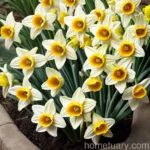
The ‘Thalia’ variety is classified as a Triandrus Daffodil, a subgroup of Narcissus that is characterized by its multiple pendant, bell-shaped flowers per stem. The delicate, ivory-white blooms of Narcissus ‘Thalia’ exude a sweet, intoxicating fragrance, making them a highly sought-after addition to gardens and landscapes.
The foliage of Narcissus ‘Thalia’ is slender and grass-like, providing an elegant backdrop to the beautiful flowers. This daffodil variety typically blooms in late winter to early spring, adding a touch of charm and freshness to outdoor spaces after the dreary winter months.

Now, let’s explore the various facets of this exquisite plant in detail.
Narcissus ‘Thalia’ (Triandrus Daffodils) – Key Takeaways
Narcissus ‘Thalia’ (Triandrus Daffodils) – Plant Description
- Scientific Name: Narcissus ‘Thalia’
- Common Name: Triandrus Daffodils
- Family: Amaryllidaceae
- Genus: Narcissus
- Species: Triandrus
Narcissus ‘Thalia’ Growth Habits
- Perennial plant
- Multiple pendant, bell-shaped flowers per stem
- Slender, grass-like foliage
- Ivory-white blooms with a sweet fragrance
- Blooms in late winter to early spring
Tips for Growing Triandrus Daffodils
- Choose a well-draining planting site
- Provide adequate sunlight
- Water deeply but infrequently
- Fertilize in early spring
- Protect from strong winds
- Mulch to retain moisture
Narcissus ‘Thalia’ Care Instructions
- Maintain well-draining soil
- Monitor moisture levels
- Prune spent flowers and foliage
- Avoid overwatering
- Provide winter protection in colder climates
Triandrus Daffodils Planting Guide
- Plant bulbs in the fall
- Dig holes at a depth of 3 times the bulb’s height
- Space bulbs 5-7 inches apart
- Position bulbs with the pointed end facing upwards
- Water after planting
Narcissus ‘Thalia’ Blooming Season
- Late winter to early spring
- Offers a refreshing burst of color and fragrance
- Ideal for bringing early-season beauty to gardens
Triandrus Daffodils Maintenance Tips
- Regularly inspect for signs of disease or pest infestations
- Remove spent blooms to encourage new growth
- Divide clumps every 3-5 years
- Provide adequate winter care in colder regions
Narcissus ‘Thalia’ Bulb Characteristics
- Large, firm bulbs
- Tunicate bulbs with a protective outer layer
- Store in a cool, dry place before planting
- Bulbs typically produce multiple flowers
Triandrus Daffodils Cultivation Techniques
- Suitable for naturalizing in grassy areas
- Thrives in borders, rock gardens, and woodland settings
- Can be grown in containers and window boxes
- Ideal for mass plantings
Narcissus ‘Thalia’ Foliage Appearance
- Long, slender, and dark green leaves
- Provides an attractive backdrop for the flowers
- Foliage remains green after flowering
- Gradually fades as the plant enters dormancy
Triandrus Daffodils Watering Requirements
- Moderate watering needs
- Water deeply but infrequently
- Allow the soil to dry slightly between watering
- Reduce watering after the blooming period
Narcissus ‘Thalia’ Pest Control Methods
- Monitor for aphids, thrips, and narcissus bulb flies
- Use insecticidal soap for aphid control
- Keep the planting area free of debris and leaf litter
- Apply neem oil as a natural pest deterrent
Triandrus Daffodils Pruning Techniques
- Remove spent flowers to prevent seed formation
- Deadhead by cutting the flower stalk to the base
- Allow foliage to wither and yellow before removing
- Avoid cutting back foliage prematurely
Narcissus ‘Thalia’ Disease Prevention
- Plant in well-draining soil to prevent rot
- Monitor for fungal diseases such as botrytis and fusarium
- Apply fungicides preventatively if needed
- Discard infected plant material
Triandrus Daffodils Propagation Methods
- Divide bulbs after the foliage has withered
- Separate offsets from the main bulb
- Replant divisions at the appropriate depth and spacing
- Allow newly planted bulbs to establish before the blooming season
Narcissus ‘Thalia’ Sunlight Preferences
- Full to partial sunlight
- Thrives in bright, dappled light
- Protect from intense midday sun in warmer climates
- Provide adequate light for optimal flowering
Triandrus Daffodils Soil Requirements
- Well-draining, fertile soil
- Avoid waterlogged or compacted soil
- Sandy loam or loamy soil is ideal
- Improve heavy soils with organic amendments
Narcissus ‘Thalia’ Garden Uses
- Borders and edging
- Rock gardens and alpine settings
- Cottage gardens
- Naturalized areas and woodlands
Triandrus Daffodils Landscaping Ideas
- Pair with early spring bloomers like crocuses and hellebores
- Create a focal point in garden beds
- Mix with other daffodil varieties for a diverse display
- Use as a charming addition to fairy gardens
Narcissus ‘Thalia’ Container Gardening
- Suitable for growing in pots, containers, and window boxes
- Provide well-draining potting mix
- Ensure adequate moisture without waterlogging the roots
- Overwinter pots in protected areas in colder climates
Triandrus Daffodils Border Plant Suggestions
- Create a soft, elegant border with ‘Thalia’
- Combine with other bulbous plants for continuous color
- Pair with perennials for a dynamic display
- Consider contrasting foliage textures for visual interest
Narcissus ‘Thalia’ Companion Plants
- Ornamental grasses for a natural look
- Early spring bloomers for a vibrant mix
- Low-growing perennials as a backdrop
- Interplant with fragrant herbs for a sensory experience
Triandrus Daffodils Flower Arrangements
- Use freshly cut ‘Thalia’ blooms in floral arrangements
- Combine with other spring flowers for stunning bouquets
- Remove the yellow trumpet for a classic daffodil look
- Float individual blooms in a shallow dish for indoor décor
Narcissus ‘Thalia’ Fragrance Qualities
- Sweet, delicate fragrance
- Ideal for perfuming outdoor spaces
- Adds a charming aroma to indoor floral arrangements
Triandrus Daffodils Symbolism
- Associated with rebirth and new beginnings
- Symbolizes hope and optimism
- Often given as a gift to convey best wishes
- Represents purity and innocence
With a solid understanding of Narcissus ‘Thalia’ and its various facets, you will be well-prepared to cultivate and enjoy the beauty and elegance of this enchanting plant. Whether you are a novice gardener or an experienced horticulturist, ‘Thalia’ holds appeal for all plant enthusiasts.
Botanist’s Tips
As a botanist, I have spent countless hours studying and observing the behavior of plants, including the fascinating Narcissus ‘Thalia.’ Here are some valuable tips to ensure the successful cultivation and enjoyment of this delightful plant:
-
Planting Depth: When planting ‘Thalia’ bulbs, ensure that they are placed at a depth approximately three times their height. This ensures proper anchoring and insulation during winter.
-
Soil Preparation: Invest time in preparing the soil before planting. Amend heavy or compacted soils with organic matter to improve drainage and create an ideal growing environment for the bulbs.
-
Winter Protection: In regions with harsh winters, consider providing additional protection to ‘Thalia’ bulbs by applying a layer of mulch over the planting area. This safeguards the bulbs from extreme temperature fluctuations.
-
Naturalization: If you have a meadow or grassy area, consider naturalizing ‘Thalia’ bulbs for a breathtaking display of spring blooms. Scatter bulbs in a random pattern for a natural and effortless aesthetic.
-
Companion Planting: Pair ‘Thalia’ with early-blooming perennials and ephemerals to create a visually captivating garden display that welcomes the arrival of spring.
Fun Facts
Uncover some intriguing facts about Narcissus ‘Thalia’ that add to the allure of this captivating plant:
- The name “Narcissus” is derived from the Greek myth of Narcissus, a handsome young man who fell in love with his own reflection. The beauty of ‘Thalia’ blooms certainly reflects the notion of mesmerizing allure.
- While many daffodils are known for their vibrant yellow trumpets, ‘Thalia’ stands out with its pure white, slightly reflexed petals and a small, delicate yellow cup at the center.
- Daffodils, including ‘Thalia,’ are known to be deer-resistant, making them a practical choice for gardens where deer may be a concern.
Links to External Resources
To further expand your knowledge and appreciation of Narcissus ‘Thalia’ and daffodils in general, explore the following external resources:
- American Daffodil Society
- Royal Horticultural Society – Growing Daffodils
- Pacific Bulb Society – Narcissus and Daffodils
- University of Minnesota Extension – Growing Daffodils
With the information and insights provided in this guide, you are well on your way to mastering the art of cultivating and enjoying the irresistible beauty of Narcissus ‘Thalia.’ Whether you are planning to introduce this charming daffodil variety to your garden, landscape, or even container plantings, the allure of ‘Thalia’ is sure to captivate and enchant all who behold its delicate blooms.
By understanding its growth habits, care requirements, and the myriad ways it can complement and enhance various outdoor spaces, you are poised to embark on a delightful journey of discovery and appreciation for Narcissus ‘Thalia’ – a true gem in the world of flowering plants.
Happy gardening!
The content provided in this blog post is for informational purposes only and does not serve as a substitute for professional plant care advice. Always consult with a certified horticulturist or plant care specialist for guidance specific to your garden or landscape.