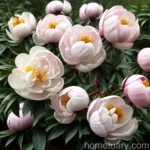
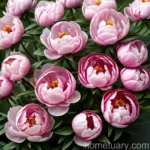
Paeonia lactiflora ‘Hermione’ (Peony): A Complete Guide
Peonies are beloved for their large, luxurious, and fragrant blooms, making them a staple in many gardens and floral arrangements. One particularly popular variety is the Paeonia lactiflora ‘Hermione’, known for its stunning flowers and easy maintenance. In this comprehensive guide, we will explore everything you need to know about this beautiful plant, from its cultural requirements to common diseases and pests. Whether you are a seasoned gardener or a beginner looking to add a touch of elegance to your outdoor space, this article will provide valuable insights into the care and cultivation of Paeonia lactiflora ‘Hermione’.
What is Paeonia lactiflora ‘Hermione’?
Paeonia lactiflora ‘Hermione’, commonly known as Peony, is a herbaceous perennial plant that belongs to the Paeoniaceae family. This cultivar is prized for its exquisite, fully double, and lightly scented flowers that bloom in late spring to early summer, adding a burst of color and charm to gardens and landscapes. ‘Hermione’ is a sturdy and reliable peony variety, making it a favorite among gardeners and floral enthusiasts.
Key Takeaways – Paeonia lactiflora ‘Hermione’
Before delving into the specific cultural requirements and care tips for Paeonia lactiflora ‘Hermione’, let’s highlight some key takeaways about this beautiful peony variety.
- Botanical Name: Paeonia lactiflora ‘Hermione’
- Common Names: Peony, Hermione peony
- Plant Type: Herbaceous perennial
- Flower Characteristics: Fully double, lightly scented blooms
- Bloom Time: Late spring to early summer
- Cultural Requirements: Well-drained soil, full sun to partial shade, regular watering, and minimal pruning
- Uses: Ornamental gardens, cut flower arrangements, and landscaping
Now that we have an overview of Paeonia lactiflora ‘Hermione’, let’s explore its specific cultural requirements in more detail.
Culture
Cultural practices play a crucial role in the overall health and vigor of Paeonia lactiflora ‘Hermione’. Proper care, including watering, sunlight exposure, fertilization, and soil management, will ensure that the plant thrives and produces an abundance of stunning blooms.
Water
Peonies, including Paeonia lactiflora ‘Hermione’, require consistently moist but well-drained soil. While they do not tolerate waterlogged conditions, it’s essential to keep the root zone consistently hydrated, especially during dry spells. Adequate watering is particularly crucial during the establishment phase and throughout the growing season to support robust growth and flowering.
Watering Recommendations:
– Provide 1 to 1.5 inches of water per week, either through rainfall or manual watering.
– Water deeply to encourage deep root development, especially during hot, dry periods.
– Mulch the base of the plant to conserve soil moisture and reduce evaporation.
Sunlight
Proper sunlight exposure is vital for the healthy growth and abundant flowering of Paeonia lactiflora ‘Hermione’. While they prefer full sun, they can also thrive in partial shade, making them versatile additions to various garden settings.
Sunlight Guidelines:
– Plant in an area that receives at least 6 hours of direct sunlight each day for optimal bloom production.
– In hotter climates, provide partial afternoon shade to protect the plants from intense heat and sunburn.
Fertilizer
Although peonies are not heavy feeders, providing the right nutrients at the appropriate times can significantly enhance their performance and flower production. A balanced fertilizer application can bolster the plant’s overall health and vigor, leading to larger, more vibrant blooms.
Fertilization Tips:
– Apply a balanced, slow-release fertilizer in early spring before new growth emerges.
– Avoid over-fertilizing, as excessive nutrients can lead to lush foliage at the expense of flower formation.
– Top-dress with compost annually to enrich the soil and promote long-term plant health.
Soil
Well-drained, nutrient-rich soil is essential for the successful cultivation of Paeonia lactiflora ‘Hermione’. Peonies thrive in neutral to slightly alkaline soil conditions and benefit from organic matter amendments to enhance soil structure and fertility.
Soil Recommendations:
– Plant in loamy, well-drained soil with a pH of 6.5 to 7.5 for optimal growth.
– Incorporate compost or well-rotted manure into the planting site to improve soil texture and fertility.
– Avoid waterlogged or compacted soils, as they can lead to root rot and other issues.
Pruning
Minimal pruning is generally required for Paeonia lactiflora ‘Hermione’, as excessive cutting can reduce the following year’s flower production. However, some light maintenance and deadheading can help maintain the plant’s appearance and encourage healthy growth.
Pruning Guidelines:
– Remove spent flowers promptly to prevent seed production and promote additional blooms.
– Trim back any dead or diseased foliage as needed to maintain plant cleanliness and vigor.
– In late autumn, cut back the stems to ground level once the foliage has yellowed and died back naturally.
Propagation
As with many perennial plants, Paeonia lactiflora ‘Hermione’ can be propagated through various methods, including division, seed sowing, and cutting propagation. Each technique offers its own set of advantages and challenges, allowing gardeners to choose the most suitable approach based on their resources and preferences.
Propagation Methods:
– Division: Divide established clumps in early autumn or early spring to create new plants with well-established root systems.
– Seed Sowing: Collect mature seeds from existing plants and sow them in a seed-starting mix for germination, which often requires stratification to break dormancy.
– Cutting Propagation: Take stem cuttings from healthy, disease-free plants and root them in a propagation medium to produce genetically identical offspring.
Container Popularity
While Paeonia lactiflora ‘Hermione’ is typically grown in traditional garden beds, it is also well-suited for container cultivation, allowing individuals with limited space or specific aesthetic preferences to enjoy its beauty on patios, balconies, and other confined areas.
Container Gardening Tips:
– Select a large, well-draining container that provides ample room for root growth and stability.
– Use a high-quality potting mix that offers good aeration and moisture retention, and ensure that the container has drainage holes to prevent waterlogging.
– Position the container in a location that receives adequate sunlight, and provide consistent moisture and fertilization as needed.
Common Diseases
Like all plants, Paeonia lactiflora ‘Hermione’ is susceptible to certain diseases and disorders that can impact its health and appearance. Awareness of common ailments and proactive management strategies can help minimize the risk of infections and promote robust plant growth.
Disease Diagnosis
Recognizing the symptoms of common peony diseases is essential for implementing timely and effective control measures. Some prevalent diseases that may affect Paeonia lactiflora ‘Hermione’ include botrytis blight, powdery mildew, and phytophthora root rot.
Common Peony Diseases:
– Botrytis Blight: Characterized by gray mold on buds and flowers, as well as black lesions on stems and foliage.
– Powdery Mildew: Seen as a white, powdery coating on the leaves, often accompanied by leaf distortion and premature defoliation.
– Phytophthora Root Rot: Causes root decay, yellowing foliage, and wilting, particularly in waterlogged or poorly drained soils.
Common Pests
In addition to diseases, peonies may also attract certain pests, such as nematodes, spider mites, and peony blotch. Vigilance and proactive pest management can help preserve the plant’s health and aesthetics.
Pest Management Tips:
– Monitor plants regularly for signs of pest infestations, including distorted leaves, stippling, or abnormal growth.
– Use targeted interventions, such as insecticidal soaps or horticultural oils, to control pest populations while minimizing harm to beneficial organisms.
– Encourage natural predators, such as ladybugs and lacewings, to help keep pest populations in check.
Botanist’s Tips
As a plant scientist with expertise in peony cultivation, I offer the following specialized recommendations for maintaining and maximizing the potential of Paeonia lactiflora ‘Hermione’.
Fun Facts
Peonies have a rich history and a range of fascinating attributes that make them a captivating subject of study and admiration. Here are some intriguing fun facts about Paeonia lactiflora ‘Hermione’ and peonies in general:
- The peony is the traditional floral symbol of China, representing honor, wealth, and prosperity.
- Paeonia lactiflora ‘Hermione’ belongs to the lactiflora species, known for its milky sap and robust growth habit.
- The name “peony” is derived from the Greek mythological figure Paeon, who was said to have healed Pluto’s wounds using the plant’s roots.
Links to External Resources
For additional information on peony cultivation, floral design, and related topics, consider exploring the following authoritative resources:
-
American Peony Society: A valuable source of information on peony varieties, cultivation tips, and events hosted by the leading peony organization in the United States.
-
Royal Horticultural Society (RHS) – Peonies: The RHS offers comprehensive guidance on growing peonies, including specific cultivars such as Paeonia lactiflora ‘Hermione’.
-
Missouri Botanical Garden – Peonies: Explore detailed plant profiles, horticultural tips, and garden design ideas for peonies at the Missouri Botanical Garden’s informative platform.
-
University of Illinois Extension – Peonies: Access a wealth of research-based insights on peony care and management, including pest and disease control strategies, from the University of Illinois Extension.
This comprehensive guide provides a wealth of knowledge about Paeonia lactiflora ‘Hermione’ and offers practical guidance for cultivating and enjoying this exquisite peony variety. Whether you are a dedicated gardener, a floral enthusiast, or simply someone who appreciates the beauty of blooming plants, integrating Paeonia lactiflora ‘Hermione’ into your outdoor spaces can bring enduring beauty and joy for years to come. Remember to embrace the timeless allure of peonies and explore the multitude of ways they can enhance your gardening experience and aesthetic surroundings.