Narcissus ‘Baby Moon’ (Jonquil Daffodil): A Complete Guide to Growing and Caring for This Beautiful Plant
Narcissus ‘Baby Moon’ is a delightful and vibrant flower that belongs to the Daffodil family. Known for its stunning yellow blooms and pleasant fragrance, this plant is a favorite among gardeners and nature enthusiasts. In this comprehensive guide, we will delve into the world of Narcissus ‘Baby Moon,’ exploring its cultural significance, care requirements, propagation methods, and much more. Whether you’re a seasoned gardener or just starting your green journey, this guide will provide you with invaluable insights into cultivating and nurturing Narcissus ‘Baby Moon’ in your own garden.
What is Narcissus ‘Baby Moon’?
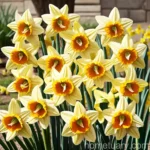
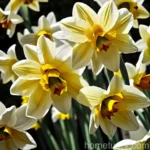
Narcissus ‘Baby Moon’, commonly referred to as the Jonquil Daffodil, is a perennial flowering plant that belongs to the Amaryllidaceae family. This versatile plant is cherished for its early spring blooms, vibrant yellow petals, and sweet fragrance. With its dainty appearance and compact size, it makes a charming addition to gardens, borders, and containers.
Key Takeaways – Narcissus ‘Baby Moon’ (Jonquil Daffodil)
Narcissus ‘Baby Moon’ (Jonquil Daffodil) is a remarkable plant with a wide array of attributes and care requirements. Here are the key takeaways that we will explore in detail:
- Culture
- Uses
- Water
- Sunlight
- Fertilizer
- Soil
- Pruning
- Propagation
- Container Popularity
- Container Common Diseases
- Disease Diagnosis
- Common Pests
- Botanist’s Tips
- Fun Facts
- Links to External Resources
Now, let’s dive deeper into each of these aspects to gain a comprehensive understanding of how to care for and cultivate Narcissus ‘Baby Moon’.
Culture
Before delving into the specific care requirements for Narcissus ‘Baby Moon’, it’s important to understand the cultural significance of this exquisite plant. Narcissus ‘Baby Moon’ holds historical and symbolic value, having appeared in various literary works and cultural traditions over the centuries. Known for its association with themes of rebirth, renewal, and new beginnings, this plant is often seen as a harbinger of spring and a symbol of hope.
In addition to its cultural significance, Narcissus ‘Baby Moon’ has also captured the hearts of many through its visual and olfactory appeal. Its delicate appearance and sweet fragrance have made it a popular choice for floral arrangements, decorative displays, and festive occasions.
Uses
The uses of Narcissus ‘Baby Moon’ extend beyond its ornamental value. While it undoubtedly adds a touch of beauty to gardens and landscapes, it also serves practical purposes. The vibrant blooms can be harvested for floral arrangements, adding a cheerful and aromatic touch to indoor spaces. Moreover, the presence of Narcissus ‘Baby Moon’ in outdoor settings contributes to the overall ecological balance by attracting pollinators and beneficial insects.
Care Requirements
Cultivating Narcissus ‘Baby Moon’ successfully requires careful attention to its specific care needs. From water and sunlight requirements to soil preferences and maintenance practices, it’s essential to provide the ideal growing conditions for this plant to thrive. Let’s explore the key care requirements in detail:
Water
- Watering Requirements: Narcissus ‘Baby Moon’ prefers moderately moist soil during its active growth phase. Ensure that the soil is well-draining to prevent waterlogging, which can lead to root rot.
- Drought Tolerance: While adequate moisture is vital for optimal growth, Narcissus ‘Baby Moon’ also exhibits good drought tolerance once established. During periods of drought, it can rely on stored energy in its bulbs to sustain itself.
Sunlight
- Sunlight Exposure Requirements: This plant thrives in full to partial sunlight. Select a location in your garden or landscape that receives at least 6 hours of sunlight per day to ensure robust growth and abundant flowering.
Fertilizer
- Fertilization: Apply a balanced, slow-release fertilizer in early spring to provide the necessary nutrients for healthy growth and blooming. Avoid excessive use of high-nitrogen fertilizers, as they can promote lush foliage at the expense of flower production.
Soil
- Soil Preferences: Narcissus ‘Baby Moon’ flourishes in well-draining, loamy soil with a slightly acidic to neutral pH. Amending the soil with organic matter can enhance its structure and fertility, creating an ideal growing environment for this plant.
Pruning
- Pruning Practices: Deadheading spent blooms and cutting back the foliage only after it has turned yellow and withered helps redirect the plant’s energy into bulb development. Pruning also helps maintain the aesthetic appeal of the plant and prevents the formation of seeds, which can divert energy from bulb growth.
Propagation
- Propagation Methods: Narcissus ‘Baby Moon’ can be propagated through division of bulbs. After the foliage has withered in late spring or early summer, carefully dig up the bulbs, separate the offsets, and replant them in a suitable location. This process allows for the expansion of your Narcissus ‘Baby Moon’ collection and provides a means of sharing the plant with others.
Container Popularity
Narcissus ‘Baby Moon’ is a popular choice for container gardening due to its compact size and vibrant blooms. Whether displayed on patios, balconies, or windowsills, containers allow for the creation of stunning floral arrangements featuring this charming plant. The portability of containers also enables gardeners to move Narcissus ‘Baby Moon’ to optimal sunlight locations and protect them from adverse weather conditions if necessary.
Common Diseases
- Common Diseases: Narcissus ‘Baby Moon’ is generally resistant to most common plant diseases. However, it may experience issues such as bulb rot or fungal infections if exposed to prolonged periods of excessive moisture. To prevent these diseases, ensure proper soil drainage and avoid overwatering.
Disease Diagnosis
- Diagnosing Plant Diseases: When observing signs of disease in Narcissus ‘Baby Moon’, such as yellowing foliage, wilting, or unusual spots, it’s important to promptly investigate and identify the cause. Consult with a plant pathology expert or horticulturist to accurately diagnose the issue and implement the appropriate remedial measures.
Common Pests
- Pest Management: While relatively resistant to pests, Narcissus ‘Baby Moon’ may encounter pests such as aphids, thrips, and nematodes. Regular monitoring of the plant’s foliage and blooms can help detect early signs of pest infestations, allowing for timely intervention through natural or chemical control methods if necessary.
Botanist’s Tips
Seasoned botanists and gardeners have valuable insights that can enhance the success of cultivating Narcissus ‘Baby Moon’. Here are some expert tips to consider:
- Planting Depth: When planting Narcissus ‘Baby Moon’ bulbs, ensure they are buried at a depth of approximately 6 inches to promote proper root development and stability.
- Companion Planting: Pair Narcissus ‘Baby Moon’ with companion plants that complement its color and growth habits, such as early-blooming perennials and low-growing ground covers.
Fun Facts
Narcissus ‘Baby Moon’ is not only a beautiful addition to gardens but also boasts fascinating characteristics and historical anecdotes. Here are some intriguing facts about this charming plant:
- Mythological Significance: The name “Narcissus” is derived from Greek mythology, where it is associated with the story of the youth Narcissus, who fell in love with his own reflection. This myth adds a layer of significance and allure to the plant’s name and symbolism.
- Fragrance: The delicate fragrance of Narcissus ‘Baby Moon’ is reminiscent of springtime and is often likened to the aroma of fresh blooms and sunny days.
Links to External Resources
To further expand your knowledge and expertise in growing and caring for Narcissus ‘Baby Moon’, consider exploring the following external resources:
-
Royal Horticultural Society – Narcissus Cultivation: An authoritative resource offering comprehensive guidance on cultivating narcissus varieties, including care tips, planting guides, and seasonal maintenance advice.
-
The American Daffodil Society: A well-established organization dedicated to daffodil enthusiasts, providing a wealth of information on daffodil cultivation, hybridization, and preservation efforts.
-
University Extension Services: Many university extension services offer detailed publications and online resources specific to growing bulbs and ornamental plants, providing regionally relevant information and best practices.
-
Botanical Gardens and Arboretums: Local botanical gardens and arboretums often feature dedicated sections or exhibits focusing on Narcissus ‘Baby Moon’ and related plant species, offering valuable insights and inspiration for your gardening endeavors.
Conclusion
Narcissus ‘Baby Moon’ (Jonquil Daffodil) is a captivating plant that encompasses both aesthetic charm and horticultural significance. By understanding and meeting its specific care requirements, from watering and sunlight needs to soil preferences and propagation techniques, you can create a thriving and vibrant display of these delightful blooms in your own garden. Whether you’re seeking to add a touch of springtime elegance to your outdoor spaces or embark on a rewarding journey of floral cultivation, Narcissus ‘Baby Moon’ offers a wealth of opportunities for both seasoned gardeners and budding enthusiasts alike. With the insights and knowledge gained from this comprehensive guide, you can confidently take the next steps in growing and caring for this beloved plant, fostering its beauty and allure for years to come.