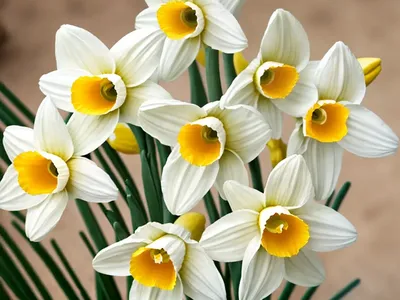
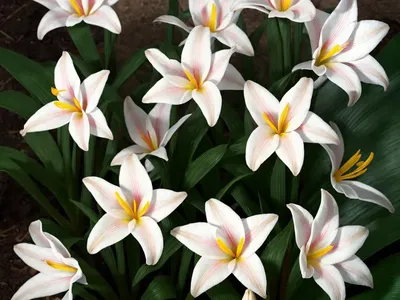
Lily-of-the-field (Sternbergia Lutea)
Plants have an innate ability to captivate us with their beauty and resilience. From the delicate petals of a flower to the deep green of a well-nourished.
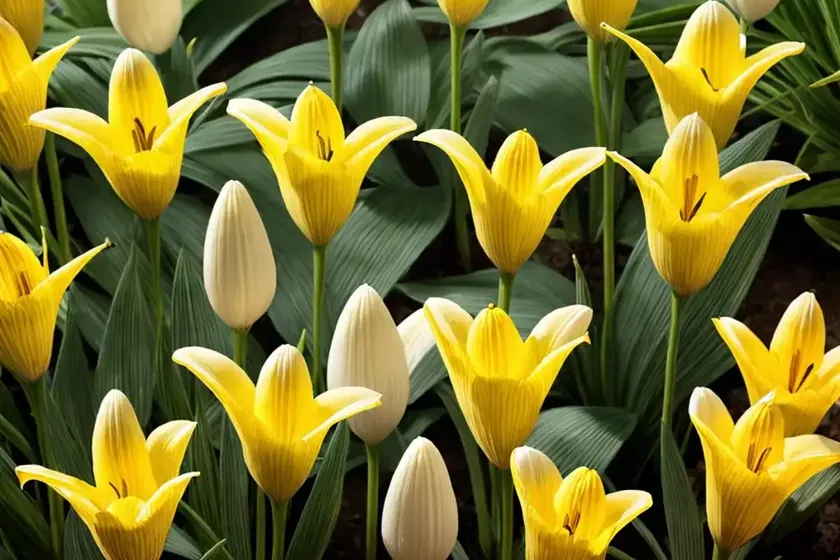
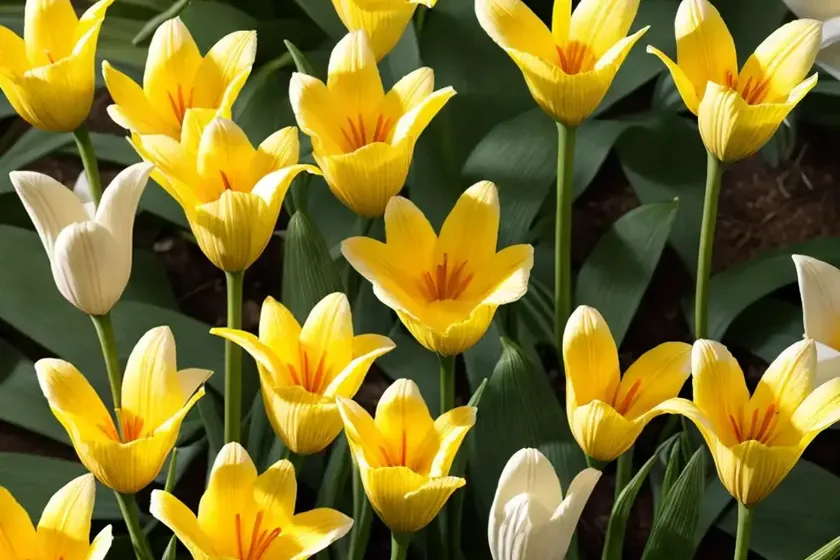
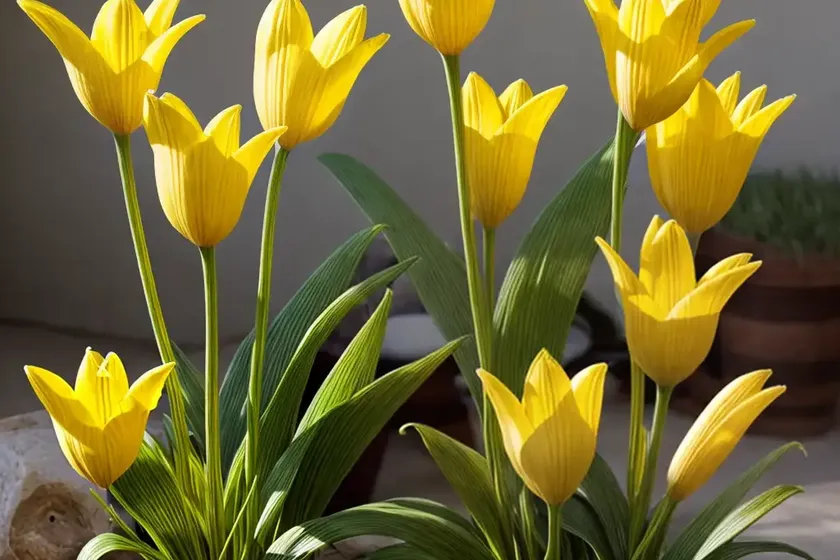
Plants have an innate ability to captivate us with their beauty and resilience. From the delicate petals of a flower to the deep green of a well-nourished leaf, each plant has its own story to tell. The Lily-of-the-Field, scientifically known as Sternbergia Lutea, is no exception. With its vibrant golden blooms and rich cultural significance, this plant has found its way into the hearts and gardens of many plant lovers around the world.
In this comprehensive guide, we will delve into the intricate world of the Lily-of-the-Field, exploring its cultural uses, growth requirements, propagation techniques, common diseases, and much more. Whether you’re a seasoned gardener or a budding plant enthusiast, there’s something new and fascinating to learn about this radiant species.
So, let’s embark on a journey through the enchanting realm of the Lily-of-the-Field, uncovering its secrets and celebrating its beauty.
What is the Lily-of-the-Field (Sternbergia Lutea)?
The Lily-of-the-Field, or Sternbergia Lutea, is a perennial bulbous plant belonging to the Amaryllidaceae family. Native to regions around the Mediterranean, including Southern Europe and the Middle East, this species thrives in areas with mild winters and hot, dry summers. The plant is renowned for its striking golden-yellow, lily-shaped flowers that bloom in the fall, bringing a vibrant burst of color to the late-season landscape.
Key Takeaways – Lily-of-the-Field (Sternbergia Lutea)
Before we dive deeper into the intricacies of caring for the Lily-of-the-Field, let’s explore some key takeaways that will provide us with a comprehensive understanding of this captivating plant.
- Scientific Name: Sternbergia Lutea
- Family: Amaryllidaceae
- Common Names: Lily-of-the-Field, Winter Daffodil
- Native Habitat: Mediterranean regions, including Southern Europe and the Middle East
- Flowering Season: Fall
- Flower Color: Golden-yellow
- Plant Type: Perennial bulbous plant
- Cultural Significance: Traditional medicinal uses; symbolic associations with beauty and resilience
Now that we have a brief overview of the Lily-of-the-Field, let’s delve into the specific aspects of cultivating and caring for this enchanting plant.
Cultivation and Growth Requirements
Successful cultivation of the Lily-of-the-Field hinges on understanding and fulfilling its key growth requirements, encompassing factors such as water, sunlight, soil, and fertilizer. By carefully tending to these needs, you can ensure that your Sternbergia Lutea thrives and graces your garden with its luminous blooms.
Water
Adequate water is essential for the healthy growth and blooming of the Lily-of-the-Field. During the plant’s active growth period, which typically occurs in the spring and fall, it is crucial to provide consistent moisture without overwatering. However, it is equally important to allow the soil to dry out between waterings to prevent waterlogging, which can lead to root rot.
- Watering Needs: Ensure moderately moist soil during active growth periods; allow soil to dry out between waterings.
- Watering Schedule: Water when the top inch of soil is dry to the touch, especially during dry spells.
Sunlight
Like many Mediterranean plants, the Lily-of-the-Field thrives in full sunlight and requires ample light to fuel its growth and flowering. When selecting a planting location for your Sternbergia Lutea bulbs, prioritize spots that receive at least 6-8 hours of direct sunlight per day.
- Sunlight Requirements: Full sunlight (6-8 hours of direct sunlight per day).
- Planting Locations: Choose well-drained, sunny areas for optimal growth and blooming.
Soil
The right soil conditions play a vital role in supporting the Lily-of-the-Field’s growth and blooming cycle. Well-draining soil with a slightly alkaline to neutral pH level is ideal for this species. Avoid waterlogged or compacted soils, as they can hinder the development of the bulbs and compromise the overall health of the plant.
- Soil Type: Well-draining, moderately fertile soil
- Soil pH: Slightly alkaline to neutral (pH 6.5-7.5)
- Amendments: Incorporate organic matter to improve soil structure and fertility.
Fertilizer
While the Lily-of-the-Field is relatively low-maintenance, occasional fertilization can bolster its growth and blooming potential. In the spring, when the plant is actively growing, apply a balanced, all-purpose fertilizer at half the recommended strength to provide the necessary nutrients for healthy development.
- Fertilization: Apply a balanced, all-purpose fertilizer at half the recommended strength in the spring.
- Frequency: Fertilize once in the spring, prior to the onset of active growth.
Now that we have a comprehensive understanding of the Lily-of-the-Field’s growth requirements, let’s explore the process of propagation and the potential for cultivating this species in containers.
Pruning and Propagation
Pruning and propagation are integral aspects of maintaining and expanding your collection of Lily-of-the-Field plants. Proper pruning techniques ensure the plant’s health and rejuvenate its growth, while effective propagation methods allow you to propagate new plants from existing bulbs, fostering a rich and varied garden display.
Pruning
Pruning the Lily-of-the-Field primarily involves removing spent blooms and yellowing foliage to maintain the overall aesthetic appeal of the plant. After the plant has finished blooming, it is recommended to deadhead the spent flowers and trim back any discolored or withered foliage. This not only enhances the plant’s appearance but also redirects its energy towards bulb development and future growth.
- Deadheading: Remove spent flowers to encourage continuous blooming and prevent the formation of seeds.
- Foliage Trimming: Trim back yellowing or damaged foliage to maintain a tidy appearance and redirect the plant’s energy.
Propagation
The propagation of Sternbergia Lutea can be achieved through various methods, including division of bulbs and seed propagation. While division is the most common and reliable technique for multiplying Lily-of-the-Field plants, seed propagation offers a rewarding opportunity to grow new plants from seed, contributing to the diversity of the species in your garden.
- Bulb Division: Divide mature bulbs in the fall, ensuring that each division has sufficient roots and viable growing points.
- Seed Propagation: Collect seeds from mature plants and sow them in well-draining, moist soil in late summer for germination the following spring.
By mastering the art of pruning and propagation, you can continue to expand and invigorate your collection of Lily-of-the-Field plants, creating a lush and vibrant garden landscape.
Container Cultivation
For gardeners with limited outdoor space or those seeking to bring the allure of the Lily-of-the-Field into their homes, container cultivation offers a versatile and appealing option. With the right care and attention, Sternbergia Lutea can thrive in containers, gracing your indoor or outdoor setting with its radiant blooms.
Popularity in Containers
The compact size and striking blooms of the Lily-of-the-Field make it an ideal candidate for container cultivation. Whether placed on a patio, balcony, or indoors near a sunny window, container-grown Sternbergia Lutea adds a touch of golden elegance to any space, creating a captivating focal point.
- Ideal Containers: Select well-draining containers of sufficient depth for bulb development.
- Indoor Placement: Position containers near sunny windows or in well-lit indoor areas for optimal growth.
Common Diseases
While the Lily-of-the-Field is relatively resistant to diseases, it is essential to be mindful of common issues that may affect container-grown plants. Mainly, fungal diseases such as botrytis and powdery mildew can pose a threat, especially in environments with poor air circulation or high humidity.
Disease Diagnosis
- Botrytis: Gray mold that appears on decaying plant material in humid conditions.
- Powdery Mildew: White, powdery growth on the leaves and stems, favored by high humidity and poor air circulation.
Common Pests
Several pests, such as aphids and thrips, may target container-grown Lily-of-the-Field plants, posing a threat to their overall health and blooming potential. Regular inspection and prompt intervention are crucial for preventing pest infestations and safeguarding the plants from damage.
As a botanist, I highly recommend incorporating preventative measures, such as regular inspection and proper hygiene practices, to mitigate the risk of diseases and pests in container-grown Sternbergia Lutea.
Botanist’s Tips
In conclusion, let’s recap some essential tips for the successful cultivation and care of Lily-of-the-Field (Sternbergia Lutea):
- Optimal Growing Conditions: Provide well-draining soil, ample sunlight, and moderate watering to support healthy growth and blooming.
- Pruning and Propagation: Regular deadheading of spent blooms and division of bulbs promotes continuous blooming and propagation of new plants.
- Container Cultivation: Select spacious containers, monitor for diseases and pests, and ensure adequate sunlight for vibrant container-grown plants.
Fun Facts
To add a touch of wonder and admiration for the Lily-of-the-Field, let’s explore some intriguing and delightful fun facts about this captivating plant:
- The Lily-of-the-Field is sometimes referred to as the “Winter Daffodil,” highlighting its association with the late-season blooms that brighten the landscape.
- In traditional folklore, the flowers of Sternbergia Lutea are believed to be a symbol of joy and happiness, often featured in celebrations and festive occasions.
- The plant has a long history of traditional medicinal uses, with various parts of the plant being used in herbal remedies for different ailments.
Links to External Resources
To further enrich your knowledge and appreciation of the Lily-of-the-Field, here are some valuable external resources offering in-depth insights into Sternbergia Lutea care, cultivation, and folklore:
- Royal Horticultural Society: Sternbergia Lutea
- Missouri Botanical Garden: Sternbergia Lutea
- American Horticultural Society: Lily-of-the-Field Planting Guide
- The Plant List: Sternbergia Lutea Characteristics
By delving into these comprehensive resources, you can broaden your understanding of the cultural significance, habitat, and growing requirements of the Lily-of-the-Field, empowering you to cultivate and appreciate this radiant plant with confidence and expertise.
In closing, the Lily-of-the-Field (Sternbergia Lutea) stands as a beacon of golden beauty, weaving together cultural significance, resilience, and natural elegance. Whether adorning a garden bed, gracing a container, or capturing the imagination with its rich folklore, this enchanting plant continues to captivate and inspire plant enthusiasts around the world. As you embark on your journey of nurturing and cherishing the Lily-of-the-Field, may its radiant blooms and timeless allure bring joy and wonder to your botanical endeavors.