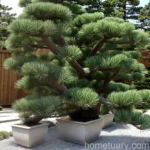
Pinus pungens (Table Mountain Pine)
Introduction
Plants play a crucial role in maintaining ecological balance and are essential for the survival of various life forms on Earth. Pinus pungens, commonly known as the Table Mountain Pine, is an intriguing species that inhabits specific regions, contributing to the biodiversity and environmental stability of its native habitat. In this comprehensive guide, we will explore the fascinating characteristics, habitat, growing conditions, uses, and conservation status of Pinus pungens, shedding light on its ecological significance and practical considerations for horticultural enthusiasts and conservationists.
What is Pinus pungens?
Pinus pungens, also referred to as the Table Mountain Pine, is a species of pine tree indigenous to the eastern United States. This evergreen conifer is renowned for its unique ecosystem interactions, timber qualities, and ecological roles. Its distinctive appearance, adaptability, and cultural uses make it a subject of interest in both botanical research and horticultural practices.
Pinus pungens Characteristics
The Table Mountain Pine exhibits several noteworthy characteristics that contribute to its ecological significance and cultural uses. Some prominent features of Pinus pungens include:
- Needle-shaped leaves in bundles of two
- Small to medium-sized tree with a conical or irregular crown
- Resilient and adaptable to challenging environmental conditions
- Drought-tolerant and well-suited to sandy and rocky soils
- Use of its wood in construction and woodworking applications
- Unique ecosystem interactions and wildlife habitat provision
Understanding these characteristics is essential for appreciating the ecological value and horticultural potential of Pinus pungens.
Table Mountain Pine Facts
Researching and understanding the key facts about Pinus pungens can provide valuable insights into its ecological and cultural significance. Some intriguing facts about the Table Mountain Pine include:
- Endemic to the Appalachian Mountains and certain regions of the southeastern United States
- An important component of forest ecosystems, contributing to biodiversity and soil stabilization
- Exhibits adaptations for fire resilience and seed dispersal
- Has commercial and medicinal applications through its timber and extracts
Pinus pungens Habitat
Table Mountain Pine Information
The natural habitat of Pinus pungens, the Table Mountain Pine, primarily includes the Appalachian Mountains and other specific areas in the southeastern United States. Understanding the habitat preferences and ecological interactions of this species is crucial for its conservation and horticultural management.
Pinus pungens Description
- The Table Mountain Pine thrives in well-drained, acidic soils with minimal competition from other vegetation.
- It often forms open woodlands and is well-adapted to rocky and rugged terrains, exhibiting resilience to environmental challenges.
Table Mountain Pine Care
Cultivating Pinus pungens, the Table Mountain Pine, requires an understanding of its specific care requirements, including water, sunlight, fertilizer, soil, pruning, and propagation techniques.
Water
Pinus pungens, being a drought-tolerant species, has moderate water needs. However, during the initial establishment phase, regular watering is essential to promote healthy root development. Once established, the Table Mountain Pine is well-adapted to withstand dry conditions, making it a suitable choice for landscaping in arid regions.
Sunlight
As a sun-loving species, Pinus pungens thrives in full sunlight, exhibiting optimal growth and characteristic needle coloration under direct sunlight exposure. When selecting a planting site or designing a landscape, it is important to prioritize sufficient sunlight for the Table Mountain Pine’s healthy development.
Fertilizer
Given its preference for nutrient-poor soils, Pinus pungens generally does not require regular fertilization. In fact, excessive fertilization can lead to imbalanced growth and potential stress on the tree. However, if the soil lacks essential nutrients, a slow-release, low-nitrogen fertilizer may be applied in moderation during the growing season.
Soil
The Table Mountain Pine prefers acidic, well-drained soils, typically thriving in sandy or rocky substrates. The species exhibits remarkable adaptability to challenging soil conditions, making it an ideal choice for landscaping projects in regions with poor soil fertility and rocky terrain.
Pruning
Minimal pruning is necessary for Pinus pungens, primarily for shaping and removing dead or damaged branches. When pruning, it is important to minimize stress on the tree and avoid excessive removal of healthy foliage, as this can compromise its natural form and resilience.
Propagation
Propagation of Pinus pungens can be carried out through seeds or cuttings. Seed propagation involves stratifying the seeds before sowing to break their dormancy and enhance germination rates. Cuttings from young, healthy branches can also be used for propagation, with appropriate rooting hormone application and growing conditions.
Pinus pungens Growing Conditions
Understanding the optimal growing conditions for Pinus pungens is essential for successful cultivation and establishment of the species in various landscapes and ecosystems.
Table Mountain Pine Species
As a distinct species within the Pinus genus, Pinus pungens exhibits specific growing requirements and ecological interactions that contribute to its significance within its natural habitat and horticultural settings.
Pinus pungens Attributes
- Resilient and adaptable to challenging environmental conditions
- Contributes to soil stabilization and erosion control
- Provides essential habitat and food sources for wildlife
- Exhibits characteristic needle clusters and cone production
Table Mountain Pine Characteristics
The specific characteristics of the Table Mountain Pine, including its growth habits, foliage coloration, and ecological attributes, define its role in diverse ecosystems and horticultural landscapes.
Pinus pungens Distribution
The distribution of Pinus pungens is primarily concentrated in the Appalachian Mountains and certain regions of the southeastern United States. Understanding its distribution patterns and population dynamics is crucial for conservation and management efforts.
Table Mountain Pine Natural Habitat
The natural habitat of the Table Mountain Pine encompasses diverse ecosystems, including montane forests, rocky outcrops, and open woodlands. These habitats provide insights into the species’ ecological interactions and adaptive traits.
Pinus pungens Uses
The uses of Pinus pungens, encompassing cultural, ecological, and economic dimensions, contribute to its significance and relevance in various contexts.
Table Mountain Pine Ecology
The ecological role of the Table Mountain Pine involves interactions with other species, nutrient cycling, and habitat provision, influencing the dynamics of forest ecosystems and biodiversity.
Pinus pungens Adaptations
The unique adaptations of Pinus pungens, such as fire resilience, drought tolerance, and seed dispersal mechanisms, contribute to its survival in challenging environmental conditions and specific habitats.
Table Mountain Pine Conservation
Given its ecological significance and localized distribution, conservation efforts for Pinus pungens play a crucial role in maintaining biodiversity and ecosystem resilience in its native range.
Pinus pungens Endangered Status
Assessing the conservation status and potential threats to Pinus pungens is essential for implementing targeted conservation measures and monitoring its population trends.
Table Mountain Pine Medicinal Properties
While not extensively documented, certain medicinal properties and traditional uses of Pinus pungens may exist, warranting further research and exploration of its potential therapeutic properties.
Pinus pungens Economic Importance
The economic significance of Pinus pungens is reflected in its timber qualities, potential commercial uses, and contributions to local economies in regions where it is prevalent.
Table Mountain Pine Pests and Diseases
Understanding the common pests and diseases affecting Pinus pungens is essential for early detection, management, and mitigation of potential threats to its health and vitality.
Pinus pungens Landscape Value
In horticultural and landscaping contexts, Pinus pungens holds significant landscape value due to its unique appearance, adaptation to challenging environments, and potential ecological contributions.
Table Mountain Pine Wildlife Interactions
The interaction of wildlife, including birds, mammals, and insects, with Pinus pungens contributes to its ecological role and value as a habitat provider within forest ecosystems.
Pinus pungens Timber Qualities
The timber produced by Pinus pungens exhibits specific qualities and characteristics that make it suitable for various construction and woodworking applications.
Table Mountain Pine Fire Resilience
The fire resilience of Pinus pungens, a notable adaptation, allows it to withstand and recover from fire events, contributing to the dynamics of fire-adapted ecosystems.
Pinus pungens Growth Rate
Understanding the growth rate and development patterns of Pinus pungens provides insights into its establishment and regeneration within natural and managed landscapes.
Table Mountain Pine Conservation Efforts
Conservation efforts for Pinus pungens, including habitat protection, population monitoring, and restoration initiatives, are essential for ensuring the species’ long-term survival.
Pinus pungens Native Range
The native range of Pinus pungens encompasses specific geographic regions, influencing its ecological interactions and adaptation to local environmental conditions.
Table Mountain Pine Wildlife Habitat
The habitat provided by Pinus pungens supports diverse wildlife, contributing to the ecological richness and biodiversity of forest ecosystems.
Pinus pungens Ornamental Uses
In addition to its ecological and commercial significance, Pinus pungens has ornamental value in landscaping and gardens, adding to its cultural significance.
Table Mountain Pine Climate Preferences
Understanding the climate preferences of Pinus pungens is crucial for selecting suitable planting sites and assessing its potential for adaptation to changing climatic conditions.
Pinus pungens Ecological Role
The ecological role of Pinus pungens involves interactions with other species, nutrient cycling, and habitat provision, shaping the dynamics of forest ecosystems and biodiversity.
Table Mountain Pine Forest Ecosystems
Pinus pungens contributes to the structure and function of forest ecosystems, influencing ecological processes and biodiversity within these habitats.
Pinus pungens Drought Tolerance
The drought tolerance of Pinus pungens is a notable adaptation that enables it to thrive in arid and semi-arid environments, contributing to its ecological significance.
Table Mountain Pine Seed Germination
Understanding the germination requirements and patterns of Pinus pungens seeds is essential for successful regeneration and propagation of the species.
Pinus pungens Root System
The root system of Pinus pungens plays a crucial role in anchoring the tree, accessing water and nutrients, and contributing to soil stability and ecosystem function.
Table Mountain Pine Mycorrhizal Associations
Mycorrhizal associations with fungi play a significant role in the nutrient acquisition and resilience of Pinus pungens, influencing its ecological interactions.
Pinus pungens Genetic Diversity
Assessing the genetic diversity of Pinus pungens provides insights into its adaptive potential, population dynamics, and conservation considerations.
Table Mountain Pine Cone Production
The cone production of Pinus pungens is an important reproductive trait that contributes to the regeneration and genetic diversity of the species.
Pinus pungens Pollination
Understanding the pollination mechanisms and agents for Pinus pungens is essential for successful seed production and conservation efforts.
Table Mountain Pine Soil Requirements
Pinus pungens exhibits specific soil preferences, primarily favoring acidic and well-drained substrates, influencing its distribution and ecological interactions.
Pinus pungens Landscape Design
In landscape design, Pinus pungens offers unique opportunities for integrating ecological and aesthetic considerations, contributing to sustainable and visually appealing environments.
Table Mountain Pine Ecosystem Services
The ecosystem services provided by Pinus pungens include habitat provision, soil stability, carbon sequestration, and contributions to biodiversity conservation.
Pinus pungens Seed Dispersal
The seed dispersal mechanisms and patterns of Pinus pungens influence its regeneration and population dynamics within natural and managed ecosystems.
Table Mountain Pine Wood Properties
The wood properties of Pinus pungens have implications for its commercial and utilitarian uses, contributing to the local and regional economies.
Pinus pungens Conservation Status
Assessing the conservation status of Pinus pungens is essential for implementing targeted conservation measures and monitoring its population trends.
Table Mountain Pine Gardening Tips
In horticultural contexts, integrating Pinus pungens into garden designs and landscapes demands specific considerations and gardening tips for promoting its health and vitality.
Pinus pungens Autumn Colors
The autumn coloration of Pinus pungens adds to its ornamental value, providing visually appealing displays in landscapes and natural settings.
Table Mountain Pine Cone Collection
The collection of Pinus pungens cones for propagation and research purposes contributes to the conservation and understanding of the species’ reproductive biology.
Pinus pungens Wildlife Value
The habitat provided by Pinus pungens supports diverse wildlife species, contributing to the ecological richness and biodiversity of forest ecosystems.
Table Mountain Pine Forest Management
In forest management practices, incorporating Pinus pungens considerations is essential for maintaining ecosystem resilience and promoting sustainable resource use.
Conclusion
Pinus pungens, the Table Mountain Pine, holds immense ecological, cultural, and economic significance, contributing to the biodiversity and environmental stability of its native habitats. Understanding its characteristics, growing conditions, uses, and conservation status is vital for conservationists, horticulturists, and researchers aiming to promote its sustainable management and ecological contributions.
References
- “Table Mountain Pine (Pinus pungens)” – United States Department of Agriculture. https://plants.usda.gov/core/profile?symbol=PIPUN
- “Table Mountain Pine” – The Nature Conservancy. https://www.nature.org/en-us/get-involved/how-to-help/places-we-protect/table-mountain-pine/
- “Pinus pungens – Table Mountain Pine” – North Carolina State University. https://plants.ces.ncsu.edu/plants/all/pinus-pungens/
- “Ecology and Management of Table Mountain Pine in the Southern Appalachian Mountains” – USDA Forest Service. https://www.fs.usda.gov/treesearch/pubs/54346
- “Plant Guide for Table Mountain Pine” – USDA Natural Resources Conservation Service. https://plants.usda.gov/plantguide/pdf/pg_pipun.pdf