Narcissus ‘Golden Ducat’ (Double Daffodil): A Comprehensive Plant Care Guide
Narcissus ‘Golden Ducat’ is a stunning double daffodil variety that adds a touch of elegance and charm to any garden or landscape. With its vibrant, golden-yellow blooms and easy-care nature, it is a favorite among gardeners and landscaping enthusiasts. In this comprehensive plant care guide, we will delve into the various aspects of cultivating and maintaining Narcissus ‘Golden Ducat’, covering everything from its cultural requirements and usage to its propagation, common diseases, and more. Whether you’re a seasoned gardener or a novice plant enthusiast, this guide will equip you with the knowledge and tips to successfully grow and care for this beautiful daffodil variety.
What is Narcissus ‘Golden Ducat’?
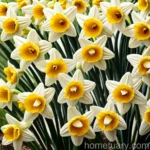
Narcissus ‘Golden Ducat’, commonly known as the double daffodil, belongs to the genus Narcissus, which is a part of the Amaryllidaceae family. This charming perennial plant is characterized by its double-flowered form, boasting multiple layers of golden-yellow petals that create a captivating visual display. The name “Narcissus” is derived from a character in Greek mythology, Narcissus, who was known for his beauty and vanity.
Key Takeaways – Narcissus ‘Golden Ducat’
Before we dive into the specific care requirements of Narcissus ‘Golden Ducat’, let’s take a look at some key takeaways about this delightful plant:
- Botanical Name: Narcissus ‘Golden Ducat’
- Common Name: Double Daffodil
- Flower Characteristics: Double-flowered with golden-yellow blooms
- Cultural Requirements: Adequate water, sunlight, well-draining soil, and periodic fertilization
- Growth Habit: Perennial bulbous plant
- Landscape Uses: Ideal for gardens, borders, containers, and naturalizing
- Maintenance: Low-maintenance once established
- Special Features: Attracts pollinators, deer-resistant
Now that we have a general overview of Narcissus ‘Golden Ducat’, let’s explore the specific care guidelines to ensure its successful growth and flourishing blooms.
Culture
Cultivating Narcissus ‘Golden Ducat’ involves providing the right growing conditions and care practices to support its growth and flowering. Understanding its cultural requirements is essential for nurturing healthy and vibrant plants.
Uses
Narcissus ‘Golden Ducat’ offers versatile usage in various garden and landscaping settings. Some common uses include:
- Garden Planting: Enhances flower beds, borders, and rockeries with its striking blooms.
- Container Gardening: Thrives in containers and adds a cheerful touch to patios, balconies, and outdoor living spaces.
- Cut Flowers: Ideal for creating stunning floral arrangements and indoor vase displays.
Water
Proper watering is crucial for the overall health and vitality of Narcissus ‘Golden Ducat’. While the plant requires consistent moisture, it is essential to avoid overwatering, which can lead to root rot and other issues.
- Water Requirements: Moderate to regular watering, especially during the active growth and blooming periods.
- Watering Practices: Water thoroughly when the soil becomes slightly dry to the touch. Ensure good drainage to prevent waterlogging.
Sunlight
As with many flowering plants, sunlight plays a vital role in the growth and blooming of Narcissus ‘Golden Ducat’. Adequate exposure to sunlight is essential for robust and vibrant blooms.
- Sunlight Needs: Prefers full to partial sunlight, with at least 6 hours of direct sunlight for optimal growth and flowering.
- Light Conditions: Plant in a location with well-drained soil and ample sunlight, such as garden beds, borders, or open patio areas.
Fertilizer
Fertilization provides the necessary nutrients for Narcissus ‘Golden Ducat’ to support its growth and flower production. Choosing the right fertilizer and applying it at the appropriate times can significantly enhance the plant’s performance.
- Fertilizer Type: Balanced, slow-release fertilizer with a higher phosphorus content for promoting blooming.
- Fertilization Schedule: Apply fertilizer in early spring before the blooming season and again after the flowers fade to support bulb development.
Soil
The quality and composition of the soil directly impact the overall health and vigor of Narcissus ‘Golden Ducat’. Well-draining, fertile soil provides an optimal growing medium for the plant’s bulbs.
- Soil Type: Loamy, well-draining soil with a slightly acidic to neutral pH (around 6.0 to 7.0).
- Soil Preparation: Prior to planting, amend the soil with organic matter, such as compost or well-rotted manure, to improve its texture and nutrient content.
Pruning
Proper pruning practices help maintain the plant’s appearance, remove spent blooms, and promote long-term health. However, daffodils, including Narcissus ‘Golden Ducat’, have specific post-blooming care requirements to ensure successful flowering in subsequent seasons.
- Pruning After Blooming: Allow the foliage to remain intact until it turns yellow and withers naturally. This allows the plant to replenish the bulb for the next growing season.
- Deadheading: Remove spent blooms to encourage the plant to direct its energy into bulb development rather than seed production.
Propagation
Narcissus ‘Golden Ducat’ can be propagated through various methods, including division of bulbs and seed sowing. Understanding the propagation techniques allows for expanding the plant’s presence in the garden or sharing it with fellow gardening enthusiasts.
- Bulb Division: Divide mature clumps of bulbs after the foliage has withered, and replant the divisions in suitable locations.
- Seed Sowing: Collect and plant seeds in well-prepared seedbeds, providing adequate moisture and care for the germinating seedlings.
Container Popularity
The compact and charming nature of Narcissus ‘Golden Ducat’ makes it an excellent candidate for container gardening. Its bright, double blooms bring cheer to outdoor spaces and can be easily showcased in containers of various sizes.
- Container Selection: Choose well-draining pots or containers with adequate depth to accommodate the bulb and allow for root development.
- Soil Mix: Use a well-balanced potting mix that offers good aeration and moisture retention.
- Placement: Position the containers in locations with ample sunlight and good air circulation for optimal growth.
Common Diseases
Despite being relatively low-maintenance, Narcissus ‘Golden Ducat’ may face certain disease challenges, particularly when grown in conditions that are unfavorable to its growth. Recognizing common diseases and their symptoms is essential for timely intervention and management.
Disease Diagnosis
Some common diseases that may affect Narcissus ‘Golden Ducat’ include:
- Botrytis (Gray Mold): Characterized by grayish mold on the foliage and flowers, often occurs in humid and poorly ventilated conditions.
- Basal Rot: Caused by Fusarium fungi, leading to rotting of the basal plate of the bulb and subsequent wilting of foliage.
Common Pests
While Narcissus ‘Golden Ducat’ is generally resistant to pests, it may still encounter issues with certain insects and pests. Monitoring for signs of infestation and implementing appropriate control measures is essential for preserving the plant’s health and vigor.
- Narcissus Bulb Fly: The bulb fly lays its eggs near the base of the plant, and the resulting larvae feed on the bulb, causing damage and decay.
- Narcissus Eelworm: These microscopic worms can infect and damage the bulbs, leading to stunted growth and weakened plants.
Botanist’s Tips
As a plant scientist and enthusiast, here are some valuable tips for successfully growing and caring for Narcissus ‘Golden Ducat’:
- Plant in Well-Draining Soil: Ensure the planting location offers good drainage to prevent waterlogging, which can lead to bulb rot.
- Provide Adequate Sunlight: Select a sunny spot for planting to encourage robust growth and abundant flowering.
- Allow Foliage to Wither Naturally: Refrain from removing the foliage until it has turned yellow, as this stage is essential for bulb replenishment.
- Monitor for Pest and Disease Signs: Regularly inspect the plants for any indications of pest infestation or disease development to address issues promptly.
Fun Facts
To enrich your understanding and appreciation of Narcissus ‘Golden Ducat’, here are some intriguing and delightful facts about this charming double daffodil:
- The name “Narcissus” is inspired by the Greek mythological character Narcissus, who fell in love with his own reflection.
- Daffodils, including Narcissus ‘Golden Ducat’, are categorized as deer-resistant plants, making them a reliable choice for landscapes frequented by deer.
Links to External Resources
For further information and resources on Narcissus ‘Golden Ducat’ care and cultivation, the following links provide valuable insights and guidance:
- Royal Horticultural Society (RHS) – Daffodil Growing Guide
- American Daffodil Society – Cultivation and Care of Daffodils
As you embark on your journey of growing and enjoying the beauty of Narcissus ‘Golden Ducat’, may these resources serve as valuable references and inspiration for your gardening endeavors.
In this comprehensive plant care guide, we’ve explored the enchanting world of Narcissus ‘Golden Ducat’, from its cultural requirements and usage to its propagation, common diseases, and more. By understanding the specific care guidelines and best practices for cultivating this charming double daffodil, you’re equipped to nurture thriving plants and revel in the radiant beauty of its golden blooms.
Whether you’re adorning your garden with these cheerful flowers or creating stunning floral arrangements, Narcissus ‘Golden Ducat’ holds a special place in the hearts of plant enthusiasts and continues to captivate with its timeless elegance. As you apply the insights and tips shared in this guide, may your gardening pursuits be enriched, and may the golden blossoms of Narcissus ‘Golden Ducat’ bring joy and delight to your outdoor spaces.