Narcissus ‘Red Devon’ (Large-Cupped Daffodil)
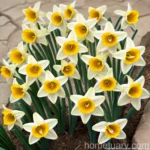
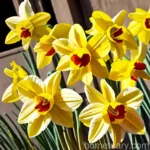
Narcissus ‘Red Devon,’ commonly known as Large-Cupped Daffodil, is a stunning perennial plant prized for its vibrant flowers. Belonging to the Amaryllidaceae family, this plant is characterized by its trumpet-shaped, red-orange cup and pale yellow petals. Its striking blooms and easy-going nature make it a popular choice among gardeners looking to add a burst of color to their landscape.
In this comprehensive guide, we will explore the various aspects of Narcissus ‘Red Devon,’ from its cultivation and care to its propagation, common pests, and diseases. Whether you are a seasoned gardener or a novice enthusiast, this article will equip you with the knowledge needed to cultivate and appreciate the beauty of this remarkable plant.
Key Takeaways – Narcissus ‘Red Devon’ (Large-Cupped Daffodil)
Before delving into the intricacies of cultivating Narcissus ‘Red Devon,’ let’s highlight some key takeaways regarding this plant:
- Scientific Name: Narcissus ‘Red Devon’
- Common Names: Large-Cupped Daffodil, Red Devon Daffodil
- Family: Amaryllidaceae
- Flower Characteristics: Red-orange cup, pale yellow petals
- Cultural Uses: Landscaping, cut flower production
- Growth Habits: Perennial, bulbous plant
- Sunlight Requirements: Full sun to partial shade
- Watering Needs: Moderate, well-drained soil
- Hardiness Zone: 3-9
Now, let’s dive deeper into the various facets of the Narcissus ‘Red Devon’ plant, including its cultivation, care, diseases, and pests.
What is Narcissus ‘Red Devon’?
Narcissus ‘Red Devon,’ also known as Large-Cupped Daffodil, is a perennial flowering plant known for its captivating blooms. As a member of the Amaryllidaceae family, it is closely related to other popular ornamental plants, including snowdrops and snowflakes.
The plant’s defining feature is its red-orange cup, which contrasts beautifully with its pale yellow petals. The blooms typically appear in early to mid-spring, ushering in the season with their vibrant colors and sweet fragrance.
Plant Characteristics
Flowers: The trumpet-shaped, red-orange cup is the focal point of the Narcissus ‘Red Devon’ bloom. It is surrounded by pale yellow petals, creating a stunning visual contrast.
Foliage: The plant features slender, green leaves that emerge from the base of the flower stem. These leaves contribute to the plant’s overall elegance and provide a verdant backdrop for the striking blooms.
Growth Habit: Narcissus ‘Red Devon’ displays a clumping growth habit, with multiple flower stems emerging from a single bulb. This creates a visually impactful display when grown en masse.
Cultivation and Care
Cultivating Narcissus ‘Red Devon’ requires attention to various factors, including sunlight, water, soil, and fertilization. By providing the plant with optimal growing conditions, you can ensure robust growth and prolific blooming. Let’s explore the key aspects of cultivating and caring for this remarkable plant.
Water
Narcissus ‘Red Devon’ thrives in moderately moist soil but is sensitive to waterlogging, which can lead to bulb rot. When establishing the plant, it’s essential to ensure that the soil is well-drained to prevent excess water retention. During the growing season, regular watering is necessary, particularly during dry spells. However, it’s crucial to strike a balance to avoid waterlogging, which can be detrimental to the plant’s health.
Sunlight
Full sun to partial shade is ideal for Narcissus ‘Red Devon.’ When selecting a planting site, aim to provide the plant with at least six hours of direct sunlight per day. However, the plant can also tolerate partial shade, making it a versatile option for various garden settings. Adequate sunlight ensures strong, healthy growth and abundant flowering.
Fertilizer
Fertilization is essential for supporting the growth and blooming of Narcissus ‘Red Devon.’ Before planting the bulbs, incorporate a balanced, slow-release fertilizer into the soil to provide essential nutrients. Additionally, as the plant emerges and begins active growth, a light application of fertilizer can further support its development. However, it’s crucial to avoid over-fertilization, as this can lead to lush foliage at the expense of flower production.
Soil
Well-drained, fertile soil is paramount for the successful cultivation of Narcissus ‘Red Devon.’ The plant thrives in a slightly acidic to neutral pH soil, ideally in the range of 6.0-7.0. Loamy soil with good drainage properties is highly favorable for the plant’s growth, as it prevents waterlogging and promotes healthy root development. Additionally, incorporating organic matter into the soil can enhance its fertility and structure, providing an optimal growing medium for the bulbs.
Pruning
Pruning Narcissus ‘Red Devon’ primarily involves the removal of spent flowers and stems after blooming. This process, known as deadheading, prevents the plant from directing energy into seed production, promoting better bulb development and future flowering. Once the foliage begins to yellow and wither, it can be trimmed back to ground level. This allows the plant to conserve resources and supports the regeneration of the bulb for the following growing season.
Propagation
Narcissus ‘Red Devon’ can be propagated through various methods, including division and seed propagation. Dividing established clumps of bulbs is a common practice and is typically carried out when the plants are lifted for division and replanting. For seed propagation, collecting and sowing mature seeds can yield new plants, though this method requires patience and may take longer to produce flowering individuals. Regardless of the chosen propagation method, ensuring that the new plants receive adequate care and suitable growing conditions is essential for their successful establishment.
Container Cultivation
For gardeners with limited outdoor space or those interested in creating captivating container displays, Narcissus ‘Red Devon’ can thrive in containers. When growing the plant in pots or containers, it’s crucial to use well-draining, nutrient-rich soil and adequately sized containers to accommodate the plant’s root system. Additionally, regular watering and fertilization are crucial for sustaining the plant’s growth and flowering in a container environment.
Popularity of Narcissus ‘Red Devon’
Narcissus ‘Red Devon’ holds a revered status among gardeners and enthusiasts due to its captivating blooms and ease of cultivation. Its popularity is attributable to several factors, including its visual appeal, adaptability, and ability to naturalize in various landscapes. Whether planted en masse in garden beds or featured in container displays, this daffodil variety continues to captivate and inspire individuals with its stunning display.
Popular Uses
- Landscaping: Narcissus ‘Red Devon’ is often used to create striking displays in garden beds, borders, and naturalized areas. The plant’s ability to form dense clumps and its vibrant blooms make it an ideal choice for adding color and visual interest to outdoor spaces.
- Cut Flower Production: The captivating blooms of Narcissus ‘Red Devon’ make it a sought-after choice for cut flower production. Its long, sturdy stems and striking flowers lend themselves well to floral arrangements, bringing a touch of spring indoors.
Common Diseases and Pest Management
Like all plants, Narcissus ‘Red Devon’ is susceptible to certain diseases and pests that can affect its growth and overall health. By being vigilant and understanding the common issues that may arise, gardeners can take proactive measures to mitigate these challenges and ensure the plant’s well-being.
Disease Diagnosis
Botrytis (Gray Mold): Botrytis can cause gray mold on the foliage and flowers of Narcissus ‘Red Devon,’ particularly during periods of prolonged wetness. Affected plant parts may display a fuzzy gray growth, and the blooms can become discolored and deteriorate. Adequate spacing and airflow, as well as avoiding overwatering, can help prevent the development of Botrytis.
Narcissus Bulb Rot: Excessive soil moisture, particularly in poorly drained soil, can lead to bulb rot in Narcissus ‘Red Devon.’ As the disease progresses, the bulbs may become soft, discolored, and show signs of decay. Ensuring proper soil drainage and avoiding overwatering can help prevent bulb rot.
Common Pests
Narcissus Bulb Fly: The larvae of the narcissus bulb fly can cause significant damage to the bulbs of Narcissus ‘Red Devon.’ Infested bulbs may exhibit signs of tunneling and decay. Implementing preventive measures, such as inspecting bulbs before planting and controlling adult flies, can help manage this pest.
Narcissus Eelworm: Eelworms can affect the roots of Narcissus ‘Red Devon,’ leading to stunted growth and poor flowering. Using healthy, disease-free bulbs and avoiding planting in previously infested areas can help prevent eelworm infestations.
Botanist’s Tips for Cultivating Narcissus ‘Red Devon’
As a plant scientist with a passion for ornamental plants, here are some valuable tips for successfully cultivating and caring for Narcissus ‘Red Devon’:
- Selecting Bulbs: When purchasing Narcissus ‘Red Devon’ bulbs, opt for firm, plump bulbs free of mold or damage. Healthy bulbs are the foundation for successful growth and flowering.
- Planting Depth: Plant bulbs at a depth approximately 2-3 times the height of the bulb. Proper planting depth ensures that the bulbs receive adequate insulation and support for root development.
- Seasonal Care: After flowering, allow the foliage to wither naturally to ensure that the bulb replenishes its energy reserves. Refrain from cutting back the foliage prematurely, as this can hinder the bulb’s ability to store nutrients for the next growing season.
- Naturalization: Consider naturalizing Narcissus ‘Red Devon’ in grassy areas or woodland settings for a striking, natural display. This practice allows the plant to thrive and multiply, creating a captivating carpet of blooms over time.
Fun Facts about Narcissus ‘Red Devon’
- The Red Devon Daffodil is a timeless favorite in spring gardens, beloved for its cheerful blooms and delightful fragrance.
- The name “Narcissus” is derived from Greek mythology, referencing the beautiful youth Narcissus, known for his obsession with his own reflection.
- Some bulb experts recommend planting daffodils in the fall to provide a chilling period, which is essential for stimulating flowering in the following spring.
Links to External Resources
For those seeking further information and resources on Narcissus ‘Red Devon’ (Large-Cupped Daffodil), the following external sources can provide valuable insights and guidance:
- American Daffodil Society – Link
- Royal Horticultural Society – Daffodils – Link
- University of Florida IFAS Extension – Narcissus Production Guide – Link
By exploring these resources, enthusiasts can access expert advice, cultivation guidelines, and in-depth information on growing and appreciating this beautiful daffodil variety.