Mistletoe (Viscum Album): A Fascinating and Mysterious Plant
Mistletoe, scientifically known as Viscum Album, is a unique and intriguing plant that has been a part of folklore, medicine, and cultural traditions for centuries. This parasitic plant, often associated with festive traditions, has a rich history and holds significant cultural and ecological importance.
In this comprehensive guide, we will explore the various aspects of Mistletoe, including its characteristics, cultural significance, medicinal properties, habitat, traditional uses, and much more. We will delve into its biology, cultivation, and explore the myths and legends surrounding this captivating plant.
What is Mistletoe (Viscum Album)?
Mistletoe, Viscum Album, is a hemi-parasitic plant that belongs to the family Santalaceae. It is characterized by its unique growth habit, as it grows attached to the branches of trees, drawing nutrients and water from its host while also photosynthesizing on its own.
Known for its distinctive evergreen foliage and clusters of white berries, mistletoe has been a subject of fascination in various cultures and has garnered a reputation as a symbol of love, prosperity, and mystical beliefs. While it is often associated with holiday traditions and the custom of kissing under the mistletoe, its significance expands far beyond these practices.
Key Takeaways – Mistletoe (Viscum Album)
Before delving deeper into the diverse facets of mistletoe, let’s explore some key takeaways about this enigmatic plant.
- Plant Name: Mistletoe (Viscum Album)
- Scientific Classification:
- Kingdom: Plantae
- Order: Santalales
- Family: Santalaceae
- Genus: Viscum
- Species: Album
- Common Names: European Mistletoe
- Native Habitat: Europe, Asia, and Africa
- Life Cycle: Perennial
- Part Used: Leaves, stems, and berries
- Cultural Significance: Love, fertility, and healing
- Conservation Status: Varies by species and region
Now, let’s unravel the intricacies of mistletoe as we explore its cultural significance, characteristics, medicinal properties, folklore, and much more.
Mistletoe Plant Characteristics
Understanding the physical and biological characteristics of mistletoe provides valuable insights into its behavior, ecological interactions, and cultural symbolism. Let’s delve into the defining features of Viscum Album.
Morphology and Anatomy
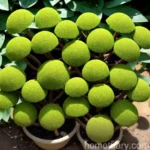
- Plant Structure: Mistletoe is a dense, evergreen shrub with wide-spreading branches and leathery, elliptical leaves. It often forms globular masses or clumps within the host tree’s canopy.
- Berries: The plant produces small, white, or translucent berries that contain viscous, sticky seeds. The berries serve as a significant visual characteristic, particularly during the winter months.
- Stem and Roots: Mistletoe possesses specialized structures called haustoria, which penetrate the host tree’s vascular system, allowing it to extract nutrients and water. The haustoria facilitate the semi-parasitic nature of mistletoe.
Adaptations to Parasitism
- Host Specificity: Different species of mistletoe exhibit varying degrees of host specificity, often showing preferences for certain tree species. This adaptation allows them to thrive in specific ecological niches.
- Water and Nutrient Absorption: Mistletoe has evolved mechanisms to extract water and nutrients from its host, supplementing its photosynthetic capabilities. This adaptation enables mistletoe to survive in diverse environmental conditions.
Habitat and Distribution
- Range: Mistletoe species are distributed across Europe, Asia, and parts of Africa, inhabiting a wide range of ecosystems, from temperate forests to semi-arid regions.
- Host Trees: Mistletoe typically parasitizes a variety of deciduous and evergreen trees, including oak, apple, hawthorn, and pine, establishing complex ecological relationships within forest ecosystems.
Mistletoe Plant Symbolism and Folklore
Mistletoe has garnered profound symbolism and cultural significance across different societies, often representing love, protection, and mystical beliefs. Its presence in folklore and traditional customs has contributed to its enduring allure and enigmatic reputation.
Cultural Significance
- Love and Fertility: Mistletoe has long been associated with love and fertility in various cultures, symbolizing life, renewal, and the enduring power of nature. In Norse mythology, mistletoe was linked to the goddess of love, leading to its association with fertility and amorous rituals.
- Protection and Healing: In ancient Druidic traditions, mistletoe was revered for its perceived protective qualities and healing properties, with rituals and ceremonies centered around the plant’s auspicious presence.
Folklore and Traditions
- Sacred Plant: Mistletoe held sacred status in many ancient societies, including the Celtic and Norse traditions, where it was believed to possess mystical and protective qualities.
- Kissing Under the Mistletoe: The popular custom of kissing under the mistletoe during the holiday season has its origins in ancient European traditions, where it symbolized love, friendship, and peace.
Mistletoe Plant Uses
Beyond its cultural and symbolic significance, mistletoe holds several practical and medicinal uses, ranging from traditional remedies to contemporary applications in herbal medicine and research.
Traditional Uses
- Medicinal Purposes: Mistletoe has been used in traditional medicine to treat various ailments, including hypertension, epilepsy, and arthritis, with extracts from the plant showing potential therapeutic effects.
- Ceremonial and Ritualistic Practices: In several cultures, mistletoe was utilized in ceremonial rituals, healing ceremonies, and as an emblem of protection and good fortune.
Contemporary Applications
- Herbal Remedies: In modern herbal medicine, mistletoe extracts are being studied for their potential anti-cancer properties and immune-modulating effects, offering promising avenues for therapeutic interventions.
- Research and Pharmaceuticals: Mistletoe compounds have attracted scientific interest for their pharmacological properties, leading to research on their potential applications in cancer treatment and immunotherapy.
Mistletoe Plant Cultivation and Ecology
Understanding the cultivation requirements and ecological dynamics of mistletoe is essential for appreciating its role in natural ecosystems and its potential as a horticultural specimen.
Growth Requirements
- Host Tree Compatibility: Mistletoe cultivation often involves identifying suitable host trees, as different mistletoe species exhibit preferences for specific tree species based on bark texture, branch structure, and environmental conditions.
- Light and Moisture: Mistletoe thrives in open woodlands and forested areas, requiring sufficient sunlight for photosynthesis and access to moisture through its host tree’s vascular system.
Propagation and Management
- Seed Dissemination: Mistletoe seeds are dispersed through bird droppings, facilitating their germination on potential host trees. Understanding the dynamics of seed dispersal is crucial for managing mistletoe populations.
- Pruning and Control: In horticultural settings, proper pruning techniques and management strategies are employed to regulate mistletoe growth and minimize its impact on host tree health and aesthetics.
Mistletoe Plant and its Interactions with Host Trees
The relationship between mistletoe and its host trees is complex and often subject to ecological and horticultural considerations. Understanding these interactions provides valuable insights into forest dynamics and plant ecology.
Ecological Impact
- Host Tree Health: Mistletoe infestations can impact the vigour and health of host trees, particularly in cases of severe infestations or stress factors, leading to concerns about forest management and tree vitality.
- Wildlife Habitat: Despite their parasitic nature, mistletoe plants contribute to biodiversity by providing nesting sites and food sources for various bird species and small mammals in forest ecosystems.
Botanist’s Tips
- Integrated Management: Employing integrated pest management strategies, such as selective pruning and biological control measures, can help maintain balanced mistletoe populations while safeguarding host tree health.
Mistletoe Plant: Water, Sunlight, and Soil Requirements
Cultivating mistletoe in a horticultural setting requires careful attention to its specific water, sunlight, and soil requirements. By understanding these factors, enthusiasts can successfully nurture mistletoe plants and appreciate their unique beauty.
Watering
- Moderate Moisture: Mistletoe plants benefit from consistent moisture levels, particularly during the establishment phase, as they rely on the host tree’s vascular system for water uptake.
- Host Tree Influence: Understanding the water requirements and growth patterns of host trees is essential, as mistletoe’s water availability and resilience are closely linked to its host’s physiological condition.
Sunlight
- Light Intensity: Mistletoe thrives in dappled sunlight or partial shade, often positioning itself within the host tree’s canopy to optimize light exposure while avoiding direct sun exposure during hot periods.
- Host Tree Canopy: The structure and density of the host tree’s canopy play a significant role in determining the light environment for mistletoe plants, influencing their growth and photosynthetic activity.
Soil and Substrate
- Nutrient Accessibility: Mistletoe relies on its host tree for nutrient acquisition, making the host tree’s soil composition and nutrient availability crucial factors in the mistletoe’s ecological niche.
- Aerial Rooting: While mistletoe lacks traditional root structures, it forms specialized attachments to the host tree’s bark, extracting water and minerals without directly accessing the soil.
Mistletoe Plant: Fertilizer, Pruning, and Container Cultivation
In horticultural settings, managing mistletoe plants in containers or within a garden environment requires specific care practices related to fertilization, pruning, and container cultivation techniques.
Fertilizer and Nutrients
- Nutrient Dynamics: Mistletoe’s nutrient requirements are primarily met through its host tree, thereby minimizing the need for traditional fertilization in container cultivation scenarios.
- Host Tree Vitality: Ensuring the overall health and vitality of the host trees is essential, as it directly influences the nutrient availability and well-being of the associated mistletoe plants.
Pruning and Training
- Host Tree Compatibility: When mistletoe is cultivated in conjunction with host trees, selective pruning and training may be necessary to manage mistletoe infestations and preserve the host tree’s structural integrity.
- Aesthetic Considerations: Pruning techniques aim to balance mistletoe growth while maintaining the visual appeal of the host tree and the ecological balance of the horticultural setting.
Container Cultivation
- Container Size: When grown in containers, mistletoe plants require adequate space for root development, often necessitating larger pots or specialized vertical structures that mimic the host tree’s growth environment.
- Cultural Practices: Observing the interplay between mistletoe, host trees, and container substrates involves understanding the spatial and ecological dynamics within the confined horticultural setting.
Mistletoe Plant: Propagation and Reproduction Methods
The propagation and reproduction of mistletoe plants involve specialized techniques tailored to their parasitic nature and specific ecological requirements.
Seed Germination
- Germination Requirements: Mistletoe seeds require suitable conditions for germination, including exposure to light, moisture, and compatible host tree bark for establishing haustoria and initiating nutrient uptake.
- Host Tree Selection: Identifying suitable host trees with favorable bark characteristics and growth conditions is crucial for successful mistletoe seed germination and establishment.
Host Tree Infections
- Establishment Process: Mistletoe seeds germinate on host tree branches, developing haustoria that penetrate the bark and vascular system, initiating the parasitic relationship and nutrient exchange between the mistletoe and the host tree.
Cutting and Grafting
- Horticultural Techniques: For controlled propagation, cutting and grafting methods are utilized to cultivate specific mistletoe varieties on compatible host trees, facilitating research and horticultural applications.
- Genetic Diversity: Propagation techniques allow for the preservation and study of genetic diversity within mistletoe species, supporting conservation efforts and genetic resource management.
Mistletoe Plant: Common Diseases, Pests, and Management Practices
Mistletoe plants, like all living organisms, are susceptible to certain diseases and pest infestations. Understanding these challenges and implementing proper management practices is essential for preserving mistletoe populations and host tree health.
Common Diseases
- Fungal Infections: Mistletoe may be vulnerable to certain fungal pathogens that impact its foliage, stems, or berries, leading to aesthetic damage and potential health concerns for the plant.
- Host Tree Dynamics: Monitoring the health and susceptibility of host trees to fungal diseases is integral to understanding mistletoe disease dynamics within forest ecosystems.
Pest Infestations
- Insect Predation: Mistletoe plants may face challenges from insect pests, such as aphids or scale insects, which can affect their growth and reproductive capacity, necessitating vigilance and management measures.
- Natural Predators: Understanding the ecological balance of mistletoe-associated insect populations requires acknowledging the role of natural predators and beneficial organisms in regulating pest populations.
Integrated Pest Management
- Ecological Considerations: Implementing integrated pest management approaches involves considering the broader ecological interactions between mistletoe, host trees, and associated organisms within forest ecosystems.
- Cultural Practices: In horticultural settings, cultural practices that promote plant health, balance mistletoe populations, and minimize pest pressures contribute to sustainable mistletoe cultivation and management.
Mistletoe Plant: Research, Conservation, and Economic Importance
Advancements in mistletoe research, conservation efforts, and economic significance play vital roles in shaping our understanding of mistletoe’s ecological roles, medicinal potential, and cultural relevance.
Medicinal Research
- Anti-Cancer Properties: Ongoing research on mistletoe extracts and compounds has revealed potential anti-cancer effects and immunomodulatory properties, stimulating interest in their applications in cancer therapy and supportive care.
- Pharmacological Studies: Investigating the bioactive constituents of mistletoe has led to the identification of compounds with pharmacological potential, driving research into their mechanisms of action and clinical applications.
Conservation and Ecology
- Biodiversity Conservation: Mistletoe plants contribute to biodiversity by providing habitat and food sources for various wildlife species, underscoring their ecological importance in forest ecosystems.
- Endangered Species: Certain mistletoe species may face conservation challenges due to habitat loss, climate change, and ecological disruptions, necessitating conservation efforts and management interventions.
Economic and Cultural Significance
- Traditional Uses: Mistletoe continues to hold cultural and traditional significance in various societies, influencing practices and beliefs related to love, folklore, and medicinal customs.
- Horticultural Market: The ornamental and horticultural market for mistletoe plants, both for aesthetic appeal and ecological considerations, contributes to their economic significance and horticultural value.
Mistletoe Plant: External Resources and Fun Facts
To further explore the world of mistletoe, its cultural significance, and ecological roles, consider delving into the following resources and intriguing facts.
Fun Facts
- Bird Dispersal: Mistletoe seeds are primarily dispersed by birds, which consume the berries and excrete the seeds on potential host trees, contributing to mistletoe’s distribution and ecological interactions.
- Symbolism and Folklore: Mistletoe’s symbolism and folklore span diverse cultures, from ancient traditions in Europe to contemporary customs and artistic representations.
External Resources
For additional insights into mistletoe and its multifaceted significance, consider exploring the following external resources:
- Royal Botanic Gardens, Kew – Mistletoe: Viscum Album
- USDA Forest Service – Mistletoe Management Guidelines
Conclusion
The captivating world of mistletoe, encompassing its biological attributes, cultural importance, and ecological interactions, reflects the intricate interplay between plants, folklore, and scientific inquiry. Its enduring symbolism and potential medicinal applications continue to inspire research and conservation efforts, unveiling new dimensions of mistletoe’s timeless allure.
As we navigate the storied traditions and scientific discoveries surrounding mistletoe, we embrace the enduring curiosity and appreciation for this mystical plant, acknowledging its contributions to both cultural heritage and ecological diversity.
In closing, whether pondering mistletoe’s place in festive traditions, exploring its ecological significance in forest ecosystems, or uncovering its potential as a medicinal remedy, the enigmatic nature of mistletoe invites us to embrace the convergence of science, tradition, and natural beauty.
Remember, the next time you encounter a sprig of mistletoe, adorned with its emblematic berries, take a moment to ponder the rich tapestry of history and nature that this unassuming plant embodies.
Let us continue to explore, celebrate, and preserve the timeless legacy of mistletoe, as it whispers tales of love, folklore, and the intricate thread that connects it to the natural world.
As a plant scientist, I have endeavored to provide a comprehensive exploration of mistletoe, encompassing its cultural, ecological, and scientific dimensions, with a focus on the astonishing interplay of tradition, fascination, and natural wonder that defines this remarkable plant.