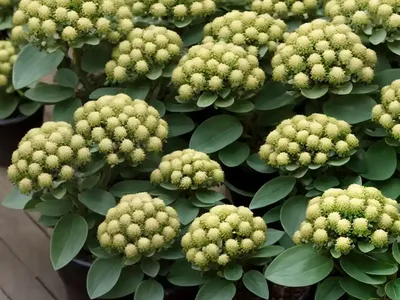
Euphorbia Globosa (Euphorbia Globosa)
Euphorbia globosa, commonly known as “Globosa,” is a unique and striking succulent that belongs to the Euphorbiaceae family. This captivating plant makes.
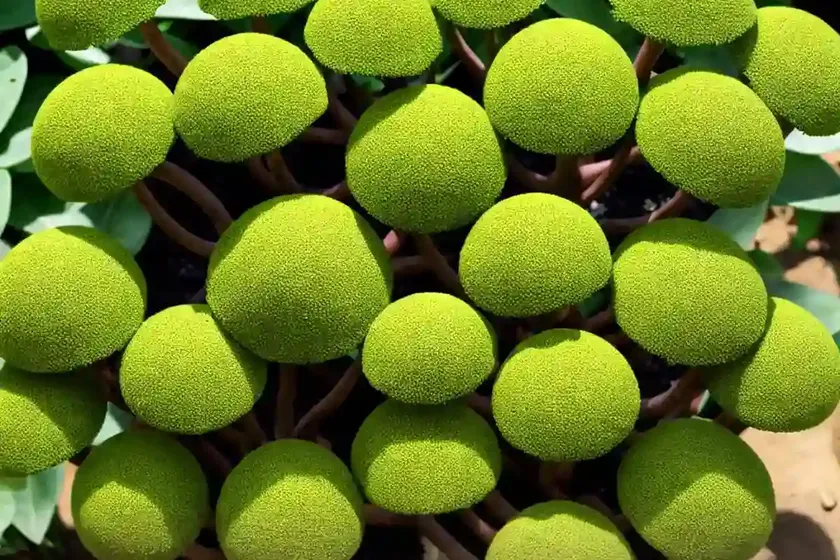
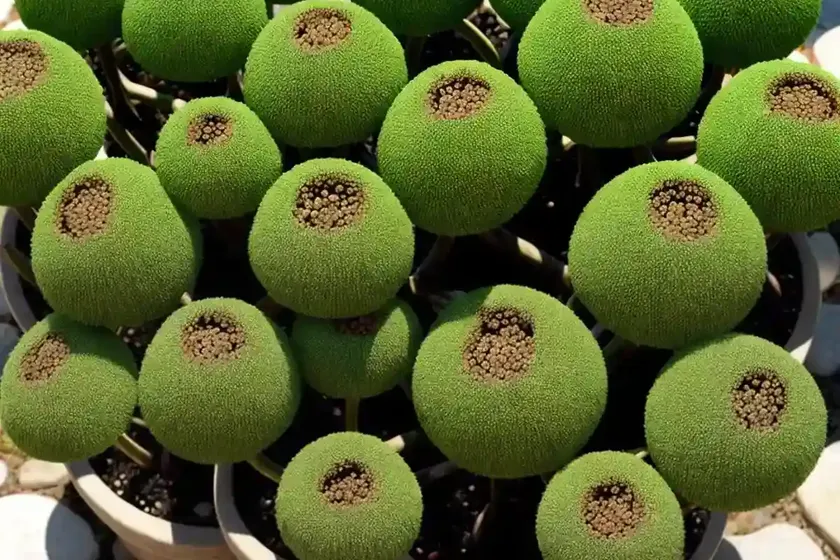
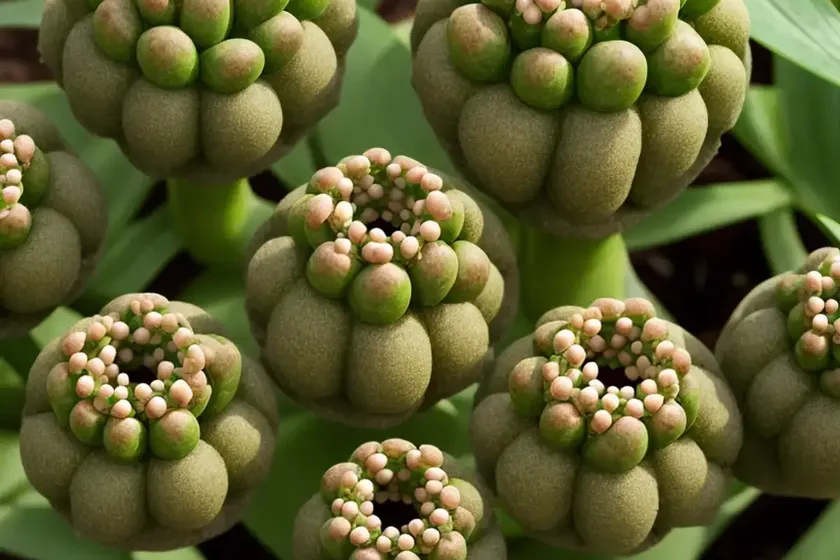
Euphorbia globosa, commonly known as “Globosa,” is a unique and striking succulent that belongs to the Euphorbiaceae family. This captivating plant makes an excellent addition to any indoor or outdoor garden with its intriguing appearance and relatively low maintenance requirements. In this comprehensive guide, we will delve into the world of Euphorbia globosa, exploring its cultural significance, preferred growing conditions, propagation methods, common uses, diseases, pests, and much more.
What is Plant: Euphorbia globosa?
Euphorbia globosa, native to South Africa, is a slow-growing succulent that belongs to the Euphorbia genus, consisting of around 2000 diverse species. These plants are known for their striking architectural shapes, adapted to withstand drought and thrive in arid environments. With their fascinating appearance and relatively low care requirements, they have gained immense popularity among gardeners and collectors worldwide.
Here are the key highlights of Euphorbia globosa that we will be covering in this guide:
- Cultural Significance: The significance of Euphorbia globosa in various cultures
- Uses: Practical and ornamental uses of Euphorbia globosa
- Water Requirements: Optimal watering practices for Euphorbia globosa
- Sunlight Needs: Ideal sunlight conditions for the growth of Euphorbia globosa
- Fertilization: Suitable fertilization methods for ensuring healthy growth
- Soil Preferences: The best soil type for Euphorbia globosa
- Pruning Techniques: Proper techniques for maintaining its appealing form
- Propagation: Effective methods for propagating Euphorbia globosa
- Container Gardening: Tips for growing Euphorbia globosa in containers
- Popularity: Understanding its growing popularity
- Common Diseases: Recognizing and treating common diseases in Euphorbia globosa
- Pests: Identifying and managing pests that may affect this succulent
- Botanist’s Tips: Expert advice and insider tips for successful cultivation
- Fun Facts: Interesting and lesser-known facts about Euphorbia globosa
Let’s embark on an exciting journey to discover the enchanting world of Euphorbia globosa, from its cultural significance to its growth requirements and beyond!
Cultural Significance of Euphorbia globosa
Euphorbia globosa holds various cultural meanings and significance across different regions. In South African cultures, Euphorbia species have been traditionally used for various purposes, including:
- Medicinal Purposes: Some Euphorbia plants, including Euphorbia globosa, have been used in traditional medicine for treating ailments like skin disorders, rheumatism, and even as a potent purgative.
- Spiritual Significance: In certain communities, Euphorbia plants are considered to have protective and cleansing properties, often used in spiritual rituals and ceremonies.
In contemporary culture, Euphorbia globosa and other Euphorbia species have gained popularity as unique and low-maintenance ornamental plants, adorning homes, workplaces, and public spaces around the world.
Uses of Euphorbia globosa
Euphorbia globosa serves several practical and aesthetic purposes, making it a versatile addition to any indoor or outdoor setting. Some of its primary uses include:
- Ornamental Purposes: Euphorbia globosa is widely cultivated for its striking appearance, adding visual interest to succulent gardens, rockeries, and xeriscapes.
- Xeriscaping: Due to its drought tolerance, Euphorbia globosa is an excellent choice for xeriscaping projects, contributing to water conservation efforts.
- Medicinal Properties: While its medicinal properties have been recognized in traditional medicine, it should be noted that some Euphorbia species, including Euphorbia globosa, are known to be toxic and should be handled with caution, especially in medicinal applications.
Euphorbia globosa Water Requirements
Understanding the specific water needs of Euphorbia globosa is crucial for ensuring its optimal health and growth. Here are some essential guidelines for watering Euphorbia globosa:
- Well-Draining Soil: Euphorbia globosa thrives in well-draining soil, which helps prevent waterlogging, a common cause of root rot in succulents.
- Watering Frequency: During the active growing season, typically from spring to fall, water Euphorbia globosa when the soil has completely dried out. In winter, reduce watering to mimic its natural dormancy period.
- Avoid Overwatering: Overwatering can be detrimental to the health of Euphorbia globosa, leading to root rot and other related issues. Always allow the soil to dry out between waterings.
Euphorbia globosa Sunlight Needs
Proper sunlight is essential for the growth and overall health of Euphorbia globosa. Here’s what you need to know about its sunlight requirements:
- Bright Indirect Light: Euphorbia globosa thrives in bright, indirect light. If grown indoors, place it near a south- or west-facing window to ensure it receives an adequate amount of light.
- Outdoor Placement: When grown outdoors, ensure that Euphorbia globosa is placed in a location that receives partial to full sunlight, depending on the intensity of the local climate.
Fertilization for Euphorbia globosa
While Euphorbia globosa is relatively low-maintenance, providing appropriate nutrients can promote healthy growth and enhance its ornamental appeal. Here are some key considerations for fertilizing Euphorbia globosa:
- Balanced Fertilizer: Use a balanced liquid fertilizer diluted to half-strength during the active growing period in spring and summer. Reduce or entirely withhold fertilization in fall and winter when the plant is in dormancy.
- Fertilizer Application: Apply the diluted fertilizer solution to the soil, avoiding direct contact with the plant’s stem and foliage to prevent potential damage.
Soil Preferences for Euphorbia globosa
The right soil type is critical for ensuring the well-being of Euphorbia globosa. Consider the following soil preferences to provide an optimal growing environment:
- Well-Draining Mix: Plant Euphorbia globosa in a well-draining cactus or succulent potting mix. Alternatively, you can create a custom mix by amending regular potting soil with perlite or coarse sand to improve its drainage properties.
- Acidic to Neutral pH: Aim for a slightly acidic to neutral soil pH range of 6.0 to 7.0, which is suitable for most succulents, including Euphorbia globosa.
Pruning Techniques for Euphorbia globosa
Pruning is an essential aspect of Euphorbia globosa care, aiding in its maintenance and overall appearance. Here are some key principles to follow when pruning this succulent:
- Sterilized Tools: Use clean and sterilized pruning shears or scissors to prevent the spread of diseases or infections while pruning.
- Strategic Trimming: Remove any dead, damaged, or diseased stems carefully. Additionally, you can lightly prune the plant to maintain its shape and encourage new growth. Be cautious when handling Euphorbia globosa, as its milky sap can be irritating to the skin and toxic if ingested.
Propagation Methods for Euphorbia globosa
If you’re looking to expand your collection of Euphorbia globosa or share this captivating plant with friends and fellow gardening enthusiasts, it’s essential to understand the most effective propagation methods. Here are two reliable techniques for propagating Euphorbia globosa:
- Seed Propagation: Euphorbia globosa can be propagated from seeds, although this method requires patience, as succulents typically have a slower germination process compared to other plants. Sow the seeds in a well-draining soil mix, ensuring that they receive adequate warmth and moisture for germination.
- Offsets or Pups: Euphorbia globosa occasionally produces offsets, also referred to as pups. These small offshoots can be carefully removed and propagated to grow into new plants. Exercise caution when handling the offsets, as Euphorbia plants contain toxic sap that can cause skin irritation and other adverse effects.
Container Gardening with Euphorbia globosa
Euphorbia globosa adapts well to container gardening, allowing you to enjoy its captivating presence in a confined space. When growing Euphorbia globosa in containers, keep the following tips in mind:
- Sufficient Drainage: Select a container with drainage holes to prevent water from accumulating at the bottom, which could lead to root rot.
- Appropriate Size: Choose a container that provides ample space for the plant’s roots to grow comfortably without being excessively constricted. As Euphorbia globosa matures, you may need to repot it into a larger container to accommodate its growth.
- Soil and Sunlight: Use a well-draining cactus or succulent mix and place the container in a location that receives bright, indirect light for optimal growth.
Popularity of Euphorbia globosa
The popularity of Euphorbia globosa has been steadily increasing in recent years, attributed to its unique appearance, low-maintenance requirements, and suitability for diverse growing conditions. Whether as a focal point in a succulent garden or a captivating addition to a collection of rare plants, Euphorbia globosa is sought after by gardening enthusiasts, interior designers, and landscapers alike.
Common Diseases of Euphorbia globosa
While Euphorbia globosa is relatively resilient to many diseases, there are a few issues to be mindful of. Understanding these common diseases and their symptoms is crucial for timely intervention and effective treatment:
Disease Diagnosis
- Powdery Mildew: This fungal infection appears as a powdery white substance on the leaves and stems. To manage powdery mildew, ensure good air circulation, avoid overhead watering, and apply appropriate fungicidal treatments if necessary.
- Root Rot: Overwatering or poorly draining soil can lead to root rot, characterized by a foul odor and mushy, discolored roots. If caught early, drying out the soil and adjusting the watering schedule may help the plant recover. However, severe cases may necessitate repotting and trimming affected roots.
Common Pests Affecting Euphorbia globosa
Despite their hardy nature, Euphorbia globosa can occasionally fall victim to common pests found in many household and garden settings. Recognizing these pests is essential for taking prompt remedial action, if needed:
- Aphids: These small, soft-bodied insects may gather on the underside of leaves, sucking out plant sap and excreting a sticky substance known as honeydew. Insecticidal soaps or neem oil can be used to manage aphid infestations effectively.
Botanist’s Tips for Growing Euphorbia globosa
To ensure the successful cultivation of Euphorbia globosa, consider the following expert tips:
- Protective Gear: When handling Euphorbia globosa or working on maintenance tasks, such as pruning or repotting, wear gloves and avoid touching your face to minimize potential skin irritation and exposure to toxic sap.
- Caution Around Pets and Children: Due to their toxic properties, it is important to keep Euphorbia globosa plants out of reach of pets and children. Educate family members and guests about the potential risks associated with handling or ingesting Euphorbia plants.
Fun Facts About Euphorbia globosa
Here are some interesting and lesser-known facts about Euphorbia globosa:
- Cactus-like Appearance: Euphorbia globosa is often mistaken for a cactus due to its striking, spherical shape and thorn-like projections, despite belonging to a different botanical family.
- Bird Attraction: Euphorbia globosa flowers can attract birds, especially during the flowering season, adding another dimension to the plant’s appeal in outdoor settings.
Now that we’ve explored the essential aspects of Euphorbia globosa, from its cultivation to its distinctive qualities, it’s time to delve into the resources for further information and assistance.
Links to External Resources
For additional insights, guidance, and inspiration regarding Euphorbia globosa and succulent cultivation, consider exploring the following resources:
- Royal Horticultural Society (RHS): Succulent Cultivation
- The Spruce: Caring for Euphorbia
- Gardeners’ World: Euphorbia Care Guide
- World of Succulents: Euphorbia globosa Information
By exploring these resources, you can gain valuable insights, practical tips, and expert advice to support your journey of cultivating Euphorbia globosa and other fascinating succulents.
In conclusion, Euphorbia globosa exemplifies the inherent beauty and resilience of succulent plants, captivating enthusiasts and seasoned gardeners alike. With its intriguing form, relatively low maintenance requirements, and a wealth of cultural significance, Euphorbia globosa is a remarkable addition to any green space, serving as a testament to nature’s diverse and wondrous creations. Whether adorning a sunny corner of a garden or brightening an indoor space, Euphorbia globosa is an enchanting succulent that continues to enchant and inspire those who encounter it.
Remember to explore further resources, connect with fellow gardening enthusiasts, and share your experiences with cultivating Euphorbia globosa. The vibrant world of succulent cultivation is filled with endless discoveries and opportunities for growth, both for your plants and for your own knowledge and passion for gardening.
So, go ahead and embrace the enchanting allure of Euphorbia globosa as it takes root in your botanical journey, adding a touch of wonder and elegance to your green sanctuary. Happy gardening!