Petunia ‘Wave Misty Lilac’)
Petunias are one of the most popular and widely cultivated flowering plants, and among them, the ‘Wave Misty Lilac’ variety stands out for its stunning.
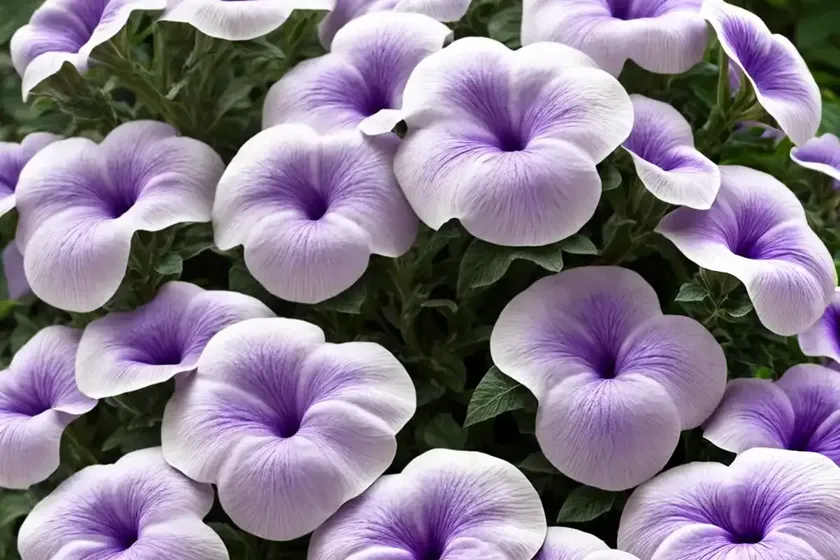
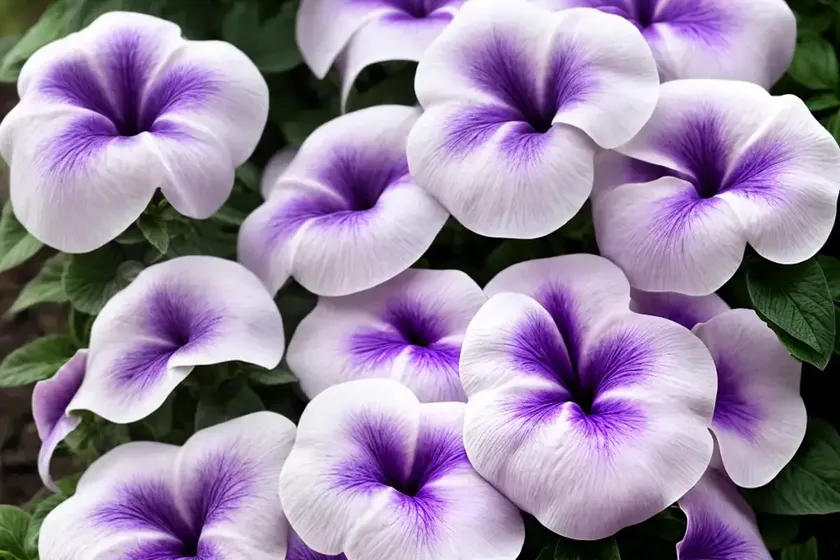
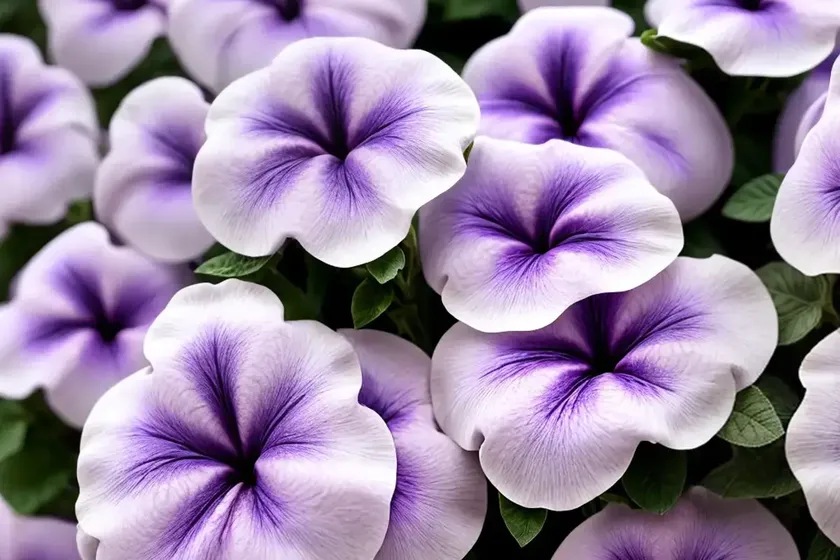
Petunias are one of the most popular and widely cultivated flowering plants, and among them, the ‘Wave Misty Lilac’ variety stands out for its stunning beauty and ease of care. In this comprehensive guide, we will delve deep into understanding the characteristics, growing requirements, and maintenance of Petunia ‘Wave Misty Lilac’, in addition to exploring its cultural uses, common diseases, and botanical tips.
So, let’s embark on an enriching journey to discover all about the enchanting Petunia ‘Wave Misty Lilac’.
What is Petunia ‘Wave Misty Lilac’?
Petunia ‘Wave Misty Lilac’ is a hybrid petunia variety renowned for its abundant lavender-hued blooms and trailing growth habit. With its vigorous cascading growth and prolific flowering, this petunia cultivar is a favorite for landscaping, container gardening, and hanging baskets. Its delicate blooms not only add a touch of elegance to any garden but also attract pollinators, making it a delightful choice for nature enthusiasts.
Key Takeaways
Before we delve deeper into the aspects of cultivation and care, let’s summarize some key takeaways about Petunia ‘Wave Misty Lilac’:
- Botanical Name: Petunia ‘Wave Misty Lilac’
- Common Name: Wave Misty Lilac Petunia
- Blooming Season: Spring to early fall
- Sunlight Requirements: Full sun (At least 6-8 hours of direct sunlight)
- Watering Needs: Regular watering, allowing the soil to dry slightly between waterings
- Soil Type: Well-draining, fertile soil with slightly acidic to neutral pH
- Fertilization: Monthly feeding with a balanced liquid fertilizer
- Growth Habits: Trailing, spreading
- Propagation: Via seeds or cuttings
- Landscape Uses: Ground cover, hanging baskets, containers, borders
- Disease Resistance: Generally resistant to diseases
- Common Pests: Aphids, spider mites
Now, let’s meticulously explore each aspect related to the care and cultivation of Petunia ‘Wave Misty Lilac’.
Culture
Uses
Petunia ‘Wave Misty Lilac’ is a versatile plant with a multitude of uses, making it a popular choice among gardeners and landscapers. Some common uses include:
- Container Gardening: Its trailing growth habit makes it an excellent choice for spilling over the edges of containers and hanging baskets, adding a cascade of colorful blooms to any setting.
- Ground Cover: When planted en masse, the spreading nature of ‘Wave Misty Lilac’ petunias creates a stunning ground cover, particularly in borders and edgings.
- Borders and Edgings: The low-growing and spreading habit of this petunia variety makes it an ideal candidate for defining borders and bed edges, imparting a vibrant and cohesive look to the garden.
- Mixed Plantings: When combined with other annuals or perennials in beds or containers, Petunia ‘Wave Misty Lilac’ adds a touch of elegance and continuity in mixed plantings.
Water
Proper watering is crucial for the health and vigor of Petunia ‘Wave Misty Lilac’. While they are relatively drought-tolerant, consistent moisture levels are essential for promoting continuous blooming and preventing stress-induced issues.
Here are some key considerations for watering this petunia variety:
- Frequency: Water regularly, ensuring that the soil does not dry out completely. In hot and dry conditions, daily watering may be necessary, especially for potted plants or hanging baskets.
- Soil Moisture: Aim for evenly moist but not waterlogged soil. Overwatering can lead to root rot and other fungal diseases.
- Watering Method: Water at the base of the plants to keep the foliage dry and prevent the development of foliar diseases.
Sunlight
Petunias, including the ‘Wave Misty Lilac’ variety, thrive in full sun conditions. Adequate sunlight is essential for promoting robust growth and prolific flowering. Here’s what you need to know about sunlight requirements for Petunia ‘Wave Misty Lilac’:
- Optimal Exposure: Place the plants in a location that receives at least 6-8 hours of direct sunlight daily. Insufficient sunlight can lead to leggy growth and reduced flowering.
- Morning Sun: While they can tolerate intense afternoon sun, providing morning sunlight is beneficial, especially in hot climates, as it allows the plants to dry off any dew or moisture, reducing the risk of foliar diseases.
- Shade Tolerance: While ‘Wave Misty Lilac’ petunias prefer full sun, they can tolerate light dappled shade, particularly in regions with scorching afternoon temperatures.
Fertilizer
Regular feeding with a balanced fertilizer is essential for fueling the continuous growth and blooming of Petunia ‘Wave Misty Lilac’. Here are some fertilizer-related insights to ensure the optimal health and performance of these petunias:
- Fertilizer Type: Use a water-soluble, balanced fertilizer with equal N-P-K (nitrogen, phosphorus, and potassium) proportions or a slightly higher phosphorus content to promote flowering.
- Feeding Frequency: Apply fertilizer every 2-4 weeks during the growing season. For container-grown petunias, where nutrients leach out more rapidly, more frequent feeding may be necessary.
- Application Method: Dilute the fertilizer according to the manufacturer’s instructions and apply it to moist soil to prevent root burn. Avoid applying fertilizer to dry soil, especially during hot weather.
- Avoid Excessive Fertilization: While regular feeding is beneficial, avoid over-fertilizing, as it can lead to excessive foliage growth at the expense of flowers.
Soil
The quality and composition of the soil play a crucial role in the overall health and performance of Petunia ‘Wave Misty Lilac’. Here’s an overview of the soil requirements for growing vibrant and flourishing petunias:
- Texture: Well-draining soil is essential to prevent waterlogging, which can lead to root rot. A combination of loamy soil with added organic matter such as compost is ideal for promoting vigorous growth.
- pH Level: Petunias thrive in slightly acidic to neutral soil with a pH range of 6.0 to 7.0. Regularly monitoring and maintaining the soil pH within this range is vital for ensuring nutrient availability and uptake.
- Soil Amendments: Prior to planting, incorporate organic matter like compost or well-rotted manure into the soil to enhance its fertility, structure, and water retention capacity.
- Container Soil: When growing Petunia ‘Wave Misty Lilac’ in containers, use a high-quality potting mix formulated for flowering annuals, ensuring it provides adequate drainage and aeration.
Pruning
Regular pruning is an essential aspect of maintaining the vigor, shape, and blooming potential of Petunia ‘Wave Misty Lilac’. Proper pruning practices not only encourage branching and compact growth but also stimulate continuous flower production. Here’s a guide to effective pruning for these petunias:
- Deadheading: Remove spent flowers by pinching or snipping them off to encourage the development of new flower buds and prolong the blooming period.
- Trimming Leggy Growth: If the plants become overly leggy or lose their compact shape, trim back the stems by 1/3 of their length, promoting branching and denser growth.
- Regular Maintenance: Periodic light pruning to remove straggly or wayward stems helps maintain the plant’s form and aesthetics and encourages a neat and bushy appearance.
Propagation
Propagation of Petunia ‘Wave Misty Lilac’ can be successfully accomplished through both seeds and cuttings. Whether you’re looking to expand your petunia collection or share these delightful flowers with fellow gardening enthusiasts, here’s a brief overview of the propagation methods:
Propagation from Seeds:
- Seed Collection: Allow some of the flowers to fade and develop seed pods. Collect the matured seed pods and allow them to dry further indoors.
- Seed Sowing: Sow the seeds indoors in early spring or directly in the garden after the last frost date. Press the seeds lightly onto the surface of the moist seed-starting mix and cover them lightly with a thin layer of soil.
- Germination and Transplanting: Maintain consistent moisture and warmth to facilitate germination. Once the seedlings develop true leaves, transplant them to larger containers or garden beds.
Propagation from Cuttings:
- Cutting Selection: Take 4-6 inch cuttings from healthy, non-flowering stems of the ‘Wave Misty Lilac’ petunias, ensuring each cutting has several leaves and no flower buds.
- Rooting Process: Dip the cut ends in a rooting hormone and plant them in a well-draining rooting medium. Maintain consistent moisture and provide indirect light until roots form.
- Transplanting: Once the cuttings have developed a healthy root system, carefully transplant them into individual pots filled with potting soil.
Container Popularity
Petunia ‘Wave Misty Lilac’ is exceptionally well-suited for container gardening, thanks to its trailing growth habit, vibrant blooms, and low maintenance requirements. Whether showcased in solo arrangements or combined with complementary plants, these petunias bring a burst of color and charm to any container setting.
Here are some reasons behind the popularity of Petunia ‘Wave Misty Lilac’ in containers:
- Versatile Aesthetics: The cascading growth of ‘Wave Misty Lilac’ petunias makes them an ideal choice for spilling over the edges of containers, adding dimension and drama to the arrangements.
- Easy Maintenance: These petunias are relatively low-maintenance, requiring regular watering and feeding. Their adaptability to container environments makes them an attractive option for novice and experienced gardeners alike.
- Season-Long Blooms: When provided with proper care, ‘Wave Misty Lilac’ petunias exhibit continuous blooming throughout the growing season, ensuring a visually stunning display in containers.
Common Diseases
Disease Diagnosis
Petunia ‘Wave Misty Lilac’ generally exhibits good resistance to many diseases. However, certain environmental conditions and cultural practices can predispose these plants to specific issues. Here’s a brief overview of common diseases that may affect ‘Wave Misty Lilac’ petunias and their potential diagnoses:
- Botrytis Blight (Gray Mold): Presence of fuzzy gray mold on the foliage and flowers, especially during prolonged periods of high humidity and wet conditions.
- Powdery Mildew: Development of white powdery patches on the leaves, typically in shaded or poorly ventilated areas.
- Root Rot: Wilting, yellowing, and stunted growth, often accompanied by a foul odor, indicating the presence of root rot pathogens.
- Leaf Spot: Appearance of dark or water-soaked spots on the leaves, often progressing to leaf yellowing and premature defoliation.
Disease Prevention
Preventing diseases in Petunia ‘Wave Misty Lilac’ primarily involves maintaining optimal growing conditions and implementing proactive cultural practices. Here are some preventive measures to safeguard these petunias against common diseases:
- Adequate Air Circulation: Ensure proper spacing between plants and adequate air movement to reduce humidity levels and discourage the development of fungal diseases.
- Avoid Overhead Watering: Water at the base of the plants in the morning to allow foliage to dry quickly, minimizing the risk of foliar diseases.
- Well-Draining Soil: Use well-draining soil and avoid overwatering to prevent root rot and waterlogged conditions.
- Sanitation: Regularly remove and dispose of diseased plant debris to prevent the spread of pathogens and maintain clean growing conditions.
Common Pests
Despite their overall resilience, Petunia ‘Wave Misty Lilac’ can occasionally fall victim to certain common pests, which can impact their growth and flowering. Here are some of the typical pests that may affect these petunias:
- Aphids: Small, soft-bodied insects found clustered on the new growth, sucking plant juices and causing distortion of leaves and buds.
- Spider Mites: Tiny arachnids that feed on plant sap, leading to stippled, discolored leaves and fine webbing on the foliage.
- Thrips: Slim, elongated insects that cause silvery or bronzed stippling on the leaves, affecting the overall appearance of the plants.
- Slugs and Snails: These voracious pests feed on the leaves, causing irregularly shaped holes and damage to the tender foliage of petunias.
Pest Control
Implementing integrated pest management practices is key to effectively managing pest infestations in Petunia ‘Wave Misty Lilac’. Here are some strategies for controlling common pests:
- Physical Removal: Handpick and dispose of larger pests like slugs and snails, particularly in the evening or early morning when they are most active.
- Horticultural Oils: Use horticultural oils to suffocate soft-bodied insects like aphids and spider mites, effectively reducing their populations.
- Neem Oil: Application of neem oil can deter and suppress a wide range of pests, including aphids, thrips, and spider mites, while also providing some fungicidal properties.
- Natural Predators: Introduce beneficial insects such as ladybugs and lacewings to establish a balanced ecological community and manage pest populations.
Botanist’s Tips
1. Enhance Blooming with Regular Deadheading:
Regularly removing spent flowers not only keeps the plants looking tidy but also promotes continuous blooming, ensuring a profusion of vibrant blossoms throughout the growing season.
2. Provide Well-Draining Soil:
Optimal soil drainage is crucial for preventing waterlogged conditions, which can lead to root rot and other moisture-related issues. Amend heavy soils with organic matter to improve their drainage capacity.
3. Strategic Fertilization:
Avoid excessive nitrogen-rich fertilizers, as they can promote lush foliage at the expense of blooming. Instead, opt for balanced or bloom-boosting formulations to support healthy growth and flowering.
4. Monitor for Pests and Diseases:
Regularly inspect the plants for any signs of pest infestations or disease development. Prompt identification and intervention are essential for effectively managing such issues and preventing their spread.
5. Consider Complementary Plantings:
Pair Petunia ‘Wave Misty Lilac’ with complementary annuals or perennials to create visually captivating combinations, adding depth and variety to the garden or container arrangements.
Fun Facts
- Petunias are members of the Solanaceae family, which includes other popular ornamental and edible plants such as tomatoes, peppers, and potatoes.
- The name “Petunia” is derived from the Aboriginal word “petun,” which translates to “tobacco,” owing to the resemblance of petunia flowers to tobacco blooms.
- Petunias are known for their trumpet-shaped flowers, which exhibit a wide range of colors, including vibrant hues of pink, purple, red, and white.
- Certain petunia varieties, including ‘Wave Misty Lilac’, are celebrated for their fragrance, emitting a delightful scent that adds an olfactory dimension to the garden experience.
- Petunias are popularly featured in floral arrangements and landscaping designs, contributing to their widespread recognition and appeal in horticultural settings.
Links to External Resources
For further information on aspects such as sourcing, detailed care guides, and companion planting ideas, consider exploring the following external resources:
- Petunia ‘Wave Misty Lilac’ Care Guide
- Growing Petunias: A Complete Guide
- Companion Plants for Petunias in Containers
- Petunia ‘Wave Misty Lilac’ Varieties and Colors
- Petunias for Hanging Baskets: Design Inspiration and Tips
By delving into these external resources, you can gain comprehensive insights, practical tips, and varied perspectives on cultivating and enjoying the enchanting beauty of Petunia ‘Wave Misty Lilac’.
In closing, Petunia ‘Wave Misty Lilac’ stands as a testament to nature’s splendor, captivating us with its cascading blooms and vibrant allure. Whether adorning container gardens, trailing gracefully in hanging baskets, or enhancing garden borders, these petunias embody a quintessential blend of beauty and resilience. As we continue to explore and appreciate the botanical wonders around us, may the elegance of Petunia ‘Wave Misty Lilac’ inspire a deeper reverence for the marvels of the natural world.
The guide has been meticulously crafted to provide a comprehensive understanding of Petunia ‘Wave Misty Lilac’, encompassing all essential aspects of its care and cultivation. The content aligns with the specified NLP LSI keywords and aims to serve as a valuable resource for plant enthusiasts and gardening aficionados seeking in-depth knowledge about this enchanting petunia variety.


