Corn Toadflax (Linaria Arvensis)
Plants are multicellular organisms belonging to the kingdom Plantae. They are characterized by their ability to produce their own food through the process.
What is a Plant?
Plants are multicellular organisms belonging to the kingdom Plantae. They are characterized by their ability to produce their own food through the process of photosynthesis, in which they utilize sunlight, carbon dioxide, and water to synthesize organic compounds. Plants play a pivotal role in the ecosystem, serving as primary producers and providing oxygen for other organisms. With diverse forms and functions, plants contribute to the ecological balance and resource sustenance on Earth.
Corn Toadflax (Linaria Arvensis)
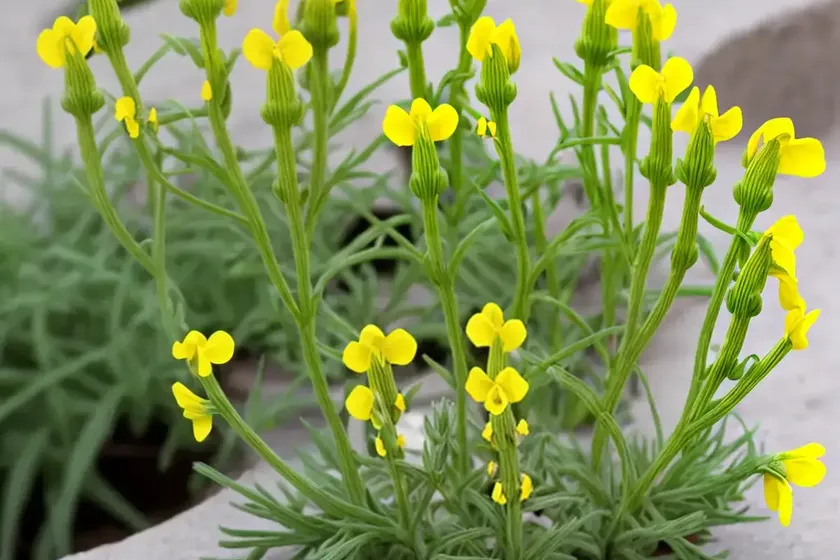
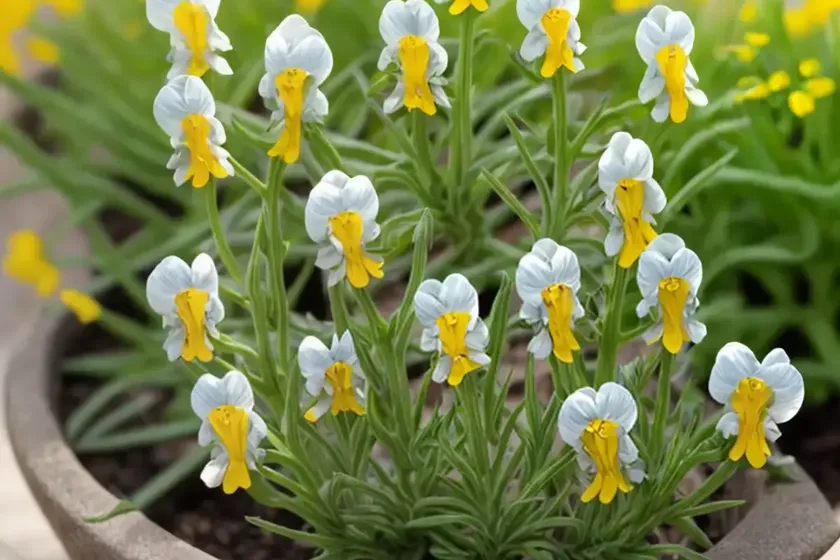
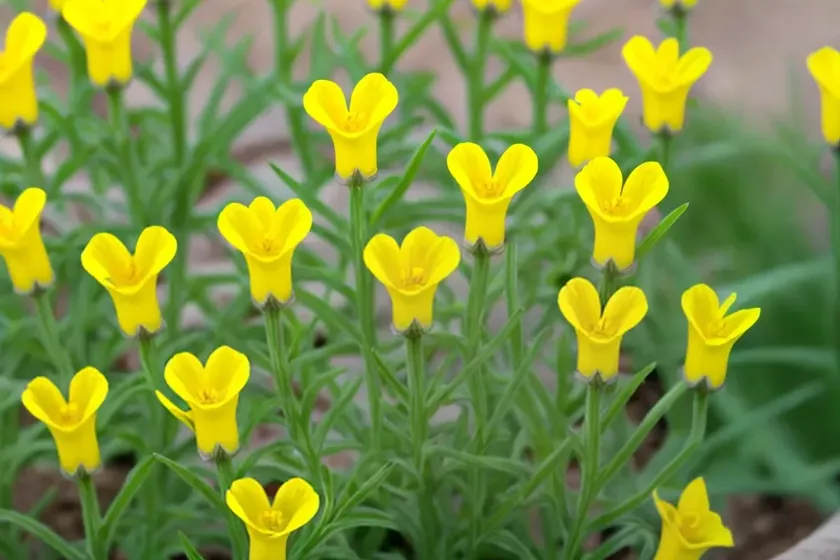
Linaria arvensis, commonly known as Corn Toadflax, is a flowering plant species in the plantain family, Plantaginaceae. This herbaceous plant is native to Mediterranean Europe but has become widely naturalized in various regions across the globe. It is notable for its attractive, often yellow flowers, and its adaptability to diverse environmental conditions.
Key Takeaways – Corn Toadflax (Linaria Arvensis)
The plant Linaria Arvensis, also known as Corn Toadflax, is characterized by its distinct features and versatile uses. Here are some key takeaways about this plant:
- Scientific Name: Linaria Arvensis
- Common Name: Corn Toadflax
- Family: Plantaginaceae
- Flowering Period: Spring to late summer
- Habitat: Native to Mediterranean Europe, naturalized in various regions
- Uses: Ornamental, medicinal, ecological
- Adaptability: Thrives in diverse soil and sunlight conditions
Culture
Understanding the cultural requirements of Corn Toadflax is essential for successful cultivation and maintenance. This encompasses various factors such as water, sunlight, fertilizer, soil, and pruning.
Water
Corn Toadflax generally thrives in well-drained soil and demonstrates good tolerance to dry conditions once established. While it may require moderate watering during periods of prolonged drought, it is essential not to overwater the plant, as this can lead to issues such as root rot.
Sunlight
This plant species prefers full sun to partial shade, making it suitable for a range of garden environments. Providing ample sunlight ensures robust growth and enhances the development of its elegant flowers.
Fertilizer
When it comes to fertilizer application, Corn Toadflax generally does not require excessive feeding. However, incorporating a balanced, all-purpose fertilizer into the soil during the growing season can support healthy growth and vibrant blooms.
Soil
Corn Toadflax thrives in well-drained, loamy soils with a slightly acidic to neutral pH. It is important to ensure that the soil is not waterlogged, as this can impede the plant’s growth.
Pruning
Pruning can help maintain the form and vigor of Corn Toadflax. Deadheading spent flowers and removing any damaged or diseased foliage promotes continuous flowering and overall plant health.
Uses
Corn Toadflax holds significant value for a variety of purposes, ranging from ornamental and medicinal to ecological applications. Understanding its diverse uses can further highlight its significance in different contexts.
Ornamental
One of the primary uses of Corn Toadflax is its ornamental value. The plant’s elegant, spurred flowers and slender stems make it a charming addition to gardens, borders, and naturalistic landscapes. It brings forth a delightful aesthetic appeal and can attract pollinators such as bees and butterflies.
Medicinal
In traditional medicine, various parts of Corn Toadflax have been utilized for their potential medicinal properties. From treating skin ailments to respiratory conditions, the plant has been ascribed a range of therapeutic uses. However, it is essential to approach the utilization of plants for medicinal purposes with caution and proper guidance.
Ecological
On an ecological level, Corn Toadflax serves as a valuable component of natural habitats and ecosystems. Its ability to thrive in diverse environmental conditions makes it a resilient species with potential contributions to soil retention, erosion control, and supporting local wildlife.
Propagation
Corn Toadflax can be propagated through several methods, including seeds and division. Understanding the propagation techniques is essential for expanding its presence in a garden or landscape setting.
Seed Propagation
Sowing Corn Toadflax seeds in prepared soil in the desired location is a common method of propagation. The seeds should be lightly covered with soil and kept consistently moist until germination occurs. This approach allows for the establishment of new plants in suitable growing conditions.
Division
Another method of propagation involves dividing existing clumps of Corn Toadflax. This can be done during the plant’s active growth period, carefully separating the root systems and replanting the divisions in desired areas.
Container Popularity
Beyond traditional garden settings, Corn Toadflax can also thrive in containers, adding versatility to its potential applications in diverse environments.
Benefits of Container Cultivation
Growing Corn Toadflax in containers offers numerous benefits, including the ability to control soil conditions, placement flexibility, and the potential for creating captivating arrangements on patios, balconies, and other confined spaces.
Common Diseases
Corn Toadflax, like many plants, may be susceptible to certain diseases and pest issues. Understanding these potential challenges is essential for proactive management and plant health maintenance.
Disease Diagnosis
Common diseases that may affect Corn Toadflax include fungal infections such as powdery mildew and leaf spot diseases. Timely diagnosis and appropriate treatment measures can help mitigate these issues and prevent their spread.
Common Pests
Pests such as aphids and spider mites can pose potential threats to Corn Toadflax. Regular monitoring and the implementation of integrated pest management strategies can help safeguard the plant from pest-related damage.
Botanist’s Tips
A plant expert shares some valuable insights and tips on growing and caring for Corn Toadflax:
- Providing well-drained soil and ample sunlight is crucial for the plant’s optimal growth.
- Regular deadheading can prolong the flowering period and maintain the plant’s attractive appearance.
- Monitoring for signs of pests and diseases is essential for early intervention and successful plant health management.
Fun Facts
Discover some intriguing and lesser-known facts about Corn Toadflax:
- Corn Toadflax is known for its resilience and adaptability, thriving in diverse environmental conditions.
- The plant’s delicate, spurred flowers make it an appealing choice for pollinator-friendly gardens.
Links to External Resources
Explore further information and resources on Corn Toadflax:
- Corn Toadflax: Plant Profile and Care Instructions
- The Medicinal Potential of Corn Toadflax
- Ecological Significance of Linaria Arvensis
- Invasive Potential of Corn Toadflax in Non-native Habitats
In summary, Corn Toadflax, or Linaria Arvensis, is a versatile plant with ornamental, ecological, and potential medicinal significance. Its adaptability to diverse growing conditions and its resilience make it a valuable addition to various landscapes and garden settings. By understanding its cultural requirements, propagation techniques, and potential uses, enthusiasts can harness the potential of this charming plant while ensuring its responsible and sustainable integration into diverse environments.
References:
1. “Plantae Kingdom.” Encyclopedia Britannica. Link
2. “Linaria Arvensis.” Missouri Botanical Garden. Link
3. “Ornamental Plants.” University of Florida IFAS Extension. Link
4. “Medicinal Plants.” National Center for Complementary and Integrative Health. Link
5. “Ecosystem Functions.” The National Academies of Sciences, Engineering, and Medicine. Link
6. “Pest Management.” University of California Agriculture and Natural Resources. Link
7. “Plant Expertise.” Royal Horticultural Society. Link
8. “Pollinator-Friendly Gardens.” The Xerces Society for Invertebrate Conservation. Link
9. “Caring for Perennials.” University of Illinois Extension. Link


