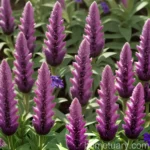
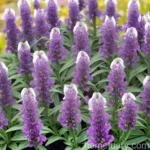
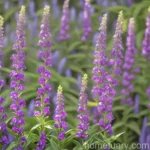
The Firecracker Plant (Russelia equisetiformis): A Beautiful Addition to Your Garden
Plants have always been a source of joy and comfort. Their vibrant colors, unique features, and natural remedies have made them an integral part of our lives. Among these wonderful plants, the Firecracker Plant (Russelia equisetiformis) stands out with its vibrant colors, attractive blooms, and remarkable landscaping trends.
In this comprehensive guide, we will dive into the world of the Firecracker Plant, exploring its culture, uses, propagation, common diseases, and more. Whether you are a seasoned gardener or just starting, this guide will provide you with the essential knowledge to grow and care for the Firecracker Plant successfully.
What is the Firecracker Plant (Russelia equisetiformis)?
The Firecracker Plant, scientifically known as Russelia equisetiformis, is a stunning perennial plant that belongs to the Plantaginaceae family. Originating from Mexico, this plant is popular for its striking, tubular, red flowers that resemble bursting firecrackers, hence its common name.
The foliage of the Firecracker Plant consists of slender, needle-like leaves, providing a delicate and graceful appearance. With its vibrant red blooms and lush green foliage, this plant adds an exhilarating pop of color to any garden or landscape.
In addition to its captivating aesthetic appeal, the Firecracker Plant is known for its drought tolerance, making it an excellent choice for arid and semi-arid regions. Its ability to attract wildlife, particularly hummingbirds and butterflies, further enhances its desirability as a garden plant.
Key Takeaways – Firecracker Plant (Russelia equisetiformis)
Before we delve into the specifics of caring for the Firecracker Plant, let’s take a look at the key takeaways that will guide our exploration of this stunning species.
Culture
- The Firecracker Plant is native to Mexico.
- It thrives in arid and semi-arid regions due to its drought tolerance.
Uses
- It adds vibrant colors and attracts wildlife to gardens and landscapes.
- Its striking red blooms make it a popular choice for ornamental purposes.
Water
- The Firecracker Plant exhibits drought tolerance once established.
- Moderate watering is necessary, especially in well-draining soil.
Sunlight
- It prefers full sun to partial shade for optimal growth and blooming.
Fertilizer
- Light fertilization during the growing season helps support healthy growth and blooming.
Soil
- Well-draining soil is essential to prevent waterlogging and root rot.
Pruning
- Regular pruning encourages a bushy and compact growth habit and promotes continuous blooming.
Propagation
- Propagation through stem cuttings is a common method to multiply the Firecracker Plant.
Container Popularity
- It is well-suited for container gardening, particularly in regions with harsh winters.
Common Diseases
- Proper care and maintenance help mitigate common diseases such as fungal infections.
Disease Diagnosis
- Vigilance and prompt action are necessary to diagnose and address any signs of disease.
Common Pests
- Aphids, spider mites, and whiteflies are common pests that may affect the Firecracker Plant.
Botanist’s Tips
- Understanding the Firecracker Plant’s growth habits and requirements is key to successful cultivation.
Fun Facts
- The Firecracker Plant’s vibrant red blooms resemble bursting firecrackers, earning it its distinctive name.
Now that we have outlined the essential components of the Firecracker Plant, let’s proceed with a detailed exploration of its care and cultivation requirements.
Firecracker Plant (Russelia equisetiformis) Care
To ensure the successful growth and blooming of the Firecracker Plant, it is crucial to understand and fulfill its specific care requirements. Let’s delve into each aspect of its care and cultivation, from water and sunlight needs to soil preferences and propagation methods.
Water
The Firecracker Plant exhibits remarkable drought tolerance once established, making it an ideal choice for regions with limited water availability. However, it is important to provide regular and adequate watering, especially during the plant’s initial establishment phase and periods of prolonged drought.
When watering the Firecracker Plant, it is essential to strike a balance between providing sufficient moisture and preventing waterlogging. Overly wet conditions can lead to root rot and other moisture-related issues, compromising the plant’s health and vigor.
Russelia equisetiformis Watering Tips:
- Water newly planted Firecracker Plants thoroughly to promote root establishment.
- Once established, water the plant moderately, allowing the soil to dry slightly between each watering session.
- Aim to water the plant at the base, avoiding wetting the foliage to reduce the risk of fungal infections.
- During periods of excessive heat or drought, increase the frequency of watering while monitoring soil moisture levels to prevent dehydration.
Sunlight
In its natural habitat and cultivated environments, the Firecracker Plant demonstrates a preference for full sun to partial shade. Providing adequate sunlight is crucial for promoting vigorous growth and abundant blooming, showcasing the plant’s signature firecracker-like red flowers to their full potential.
Firecracker Plant Sunlight Requirements:
- Plant the Firecracker Plant in a location that receives at least 6 to 8 hours of direct sunlight daily for optimal growth and blooming.
- In warmer regions, partial shade during the hottest part of the day can help protect the plant from intense heat and sun exposure.
- Monitor the plant’s response to sunlight and adjust its positioning as needed to ensure it receives the right balance of light and shade.
Fertilizer
While the Firecracker Plant is relatively low-maintenance, providing light fertilization during the growing season can contribute to its overall health and vigor. Selecting a balanced, slow-release fertilizer designed for flowering plants can provide the essential nutrients needed for robust growth and prolific blooming.
Russelia equisetiformis Fertilization Tips:
- Apply a balanced, water-soluble fertilizer specifically formulated for flowering plants once every 6 to 8 weeks during the growing season.
- Prioritize fertilizers with a higher potassium content to promote blooming and enhance the intensity of the Firecracker Plant’s signature red flowers.
- Avoid over-fertilization, as excessive nutrient levels can lead to imbalanced growth and potential stress on the plant.
Soil
The Firecracker Plant thrives in well-draining soil that allows excess water to flow away from the root zone, preventing waterlogging and potential root issues. When selecting or preparing soil for the Firecracker Plant, prioritize quality and drainage to provide an optimal growing environment for this stunning species.
Firecracker Plant Soil Requirements:
- Use a well-draining potting mix or amend garden soil with organic matter, such as compost or peat moss, to improve drainage and nutrient retention.
- Incorporate perlite or coarse sand into the soil mixture to enhance aeration and drainage properties, especially in heavy or compacted soils.
- Avoid heavy clay soils or water-retentive mediums that may hinder drainage and lead to stagnant conditions around the plant’s roots.
Pruning
Pruning plays a vital role in shaping the Firecracker Plant’s growth habit, promoting bushiness, and encouraging continuous blooming. By removing spent blooms and any leggy or overgrown growth, you can maintain the plant’s attractive appearance and stimulate the production of new flowers.
Russelia equisetiformis Pruning Tips:
- Deadhead spent flowers regularly to prevent seed formation and promote the development of new flower buds.
- Trim back any excessively long or straggly growth to maintain a compact and tidy appearance.
- Conduct thorough pruning in early spring to remove old or damaged growth and rejuvenate the plant for the upcoming growing season.
Propagation
Propagating the Firecracker Plant offers the opportunity to expand your plant collection and share the beauty of this species with others. Stem cuttings serve as a reliable and straightforward method for multiplying the Firecracker Plant while preserving its desirable traits.
Firecracker Plant Propagation Steps:
- Select healthy, non-flowering stems for propagation, ensuring they exhibit firmness and vigorous growth.
- Using a clean and sharp pair of garden shears, take 4 to 6-inch stem cuttings, making the cuts just below a leaf node.
- Remove the lower leaves from the stem cuttings to expose the nodes and facilitate root development.
- Dip the cut end of each stem cutting in a rooting hormone to promote root initiation and enhance the propagation success rate.
- Plant the prepared stem cuttings in a well-draining rooting medium, such as a mix of perlite and peat moss, and place them in a warm, brightly lit location.
- Maintain consistent moisture levels and provide indirect light to the cuttings to support the development of new roots.
After approximately 4 to 6 weeks, the stem cuttings should root and establish themselves, indicating successful propagation. At this stage, carefully transplant the rooted cuttings into individual containers or suitable garden locations, ensuring they receive proper care and attention as they continue to grow and flourish.
Container Popularity
The Firecracker Plant’s adaptability and striking appearance make it an excellent choice for container gardening. Whether you’re cultivating it in regions with harsh winters or looking to add vibrant colors to your patio or balcony, this plant thrives in container environments when provided with the necessary care and growing conditions.
Firecracker Plant Container Gardening Tips:
- Select a spacious and well-draining container with drainage holes to accommodate the Firecracker Plant’s root system and prevent waterlogging.
- Use a quality potting mix formulated for container plants, ensuring it provides proper aeration and drainage while retaining sufficient moisture.
- Position the container in a location that receives ample sunlight, periodically rotating it to promote balanced growth and uniform bloom production.
- Monitor soil moisture levels regularly and adjust watering frequency as needed to maintain optimal growing conditions within the container.
By employing these container gardening tips, you can enjoy the beauty of the Firecracker Plant in a versatile and space-conscious manner, amplifying its impact and charm within your outdoor living spaces.
Common Diseases
The Firecracker Plant is relatively resistant to diseases, particularly when provided with well-draining soil, appropriate watering, and adequate airflow. However, like all plants, it may still be susceptible to certain common diseases, necessitating vigilance and proactive measures to maintain its health and vitality.
Firecracker Plant Common Diseases:
- Fungal Infections: Prolonged periods of high humidity and excess moisture can create favorable conditions for fungal diseases such as powdery mildew and root rot.
- Preventative Measures: Ensure proper air circulation around the plant, avoid overhead watering, and maintain a balanced watering routine to reduce the risk of fungal infections.
Disease Diagnosis
Prompt diagnosis of potential diseases is essential for implementing targeted treatments and preventing the spread of infections to other plants. By understanding the common signs and symptoms of disease in the Firecracker Plant, you can swiftly identify and address any issues that may arise.
Detecting Firecracker Plant Diseases:
- Fungal Infections: Look for powdery white residue on leaves, wilting, or discoloration, indicating the presence of powdery mildew or other fungal pathogens.
- Root Rot: Check for yellowing or browning of leaves, wilting, and a foul odor from the soil, indicating potential root rot issues.
- Upon observing any concerning symptoms, promptly isolate the affected plant, assess potential causes of the issue, and implement appropriate corrective measures to restore its health.
Common Pests
While the Firecracker Plant is relatively resistant to pests, certain common insects may still pose a threat to its well-being. Aphids, spider mites, and whiteflies are among the most prevalent pests that can affect the Firecracker Plant, necessitating diligent monitoring and intervention to prevent infestations.
Firecracker Plant Common Pests:
- Aphids: Small, soft-bodied insects that may appear in large numbers on new growth, causing distortion and discoloration of leaves.
- Spider Mites: Tiny arachnids that feed on plant sap, leading to stippling and fine webbing on affected foliage.
- Whiteflies: Small, moth-like insects that congregate on the undersides of leaves and excrete honeydew, leading to stunted growth and yellowing of leaves.
Implementing natural or targeted pest control measures, such as introducing beneficial insects or utilizing insecticidal soaps, can help manage and mitigate potential pest infestations while preserving the Firecracker Plant’s health and vitality.
Botanist’s Tips
Understanding the nuances of the Firecracker Plant’s growth habits, preferences, and unique features empowers you to cultivate and care for this species with confidence and success. By integrating the following botanist’s tips into your plant care routine, you can enrich the well-being and vibrancy of the Firecracker Plant.
Expert Botanist’s Tips:
- Observe the Firecracker Plant’s response to its growing environment, adjusting care practices as needed to optimize its health and blooming capacity.
- Prioritize prevention through diligent care practices, such as proper watering, timely pruning, and regular maintenance, to reduce the likelihood of disease and pest issues.
- Stay attuned to the plant’s seasonal care needs, adapting its care routine according to changes in temperature, light availability, and other environmental factors to support its overall well-being.
By embracing these expert tips, you can cultivate a thriving and visually stunning Firecracker Plant, adding a compelling focal point to your garden or landscape while enjoying its captivating features throughout the growing seasons.
Fun Facts
In addition to its visual appeal and adaptability, the Firecracker Plant harbors interesting and enchanting qualities that further enhance its allure. By uncovering these fun facts, you can develop a deeper appreciation for the Firecracker Plant’s unique character and its significance within garden settings.
Captivating Fun Facts:
- The Firecracker Plant derives its common name from the striking resemblance of its red flowers to bursting firecrackers, capturing attention and admiration with its explosive visual display.
- Its slender, needle-like leaves contribute to the plant’s delicate and graceful appearance, complementing the vibrant and dynamic nature of its blooms.
Embracing the charming qualities and ornamental value of the Firecracker Plant adds a layer of fascination and delight to your gardening experience, elevating the beauty and allure of your outdoor spaces.
Links to External Resources
As you continue your journey of exploration and cultivation with the Firecracker Plant, the following links to external resources will provide valuable insights, tips, and inspiration to support your ongoing care and appreciation for this captivating species:
- Royal Horticultural Society – Russelia equisetiformis
- The Spruce – Growing Firecracker Plants
- Gardening Know How – Firecracker Plant Care
- North Carolina State University – Firecracker Plant Guide
- University of Florida IFAS Extension – Firecracker Plant Propagation
- Missouri Botanical Garden – Russelia equisetiformis Overview
These reputable resources offer a wealth of knowledge and guidance, enriching your understanding of the Firecracker Plant and empowering you to cultivate and care for this stunning species with confidence and skill.
Conclusion
The Firecracker Plant (Russelia equisetiformis) stands as a testament to nature’s artistry, captivating gardeners and enthusiasts with its vibrant blooms, unique features, and comforting presence within outdoor environments. By embracing its specific care requirements, understanding its resilient nature, and welcoming its enchanting qualities, you can cultivate a thriving and visually stunning Firecracker Plant, adding a compelling focal point to your garden or landscape.
As you embark on this horticultural endeavor, may the beauty and resilience of the Firecracker Plant inspire and uplift you, weaving a tapestry of color, vitality, and natural splendor throughout your outdoor spaces. With dedicated care, keen observation, and a sense of wonder, the Firecracker Plant will reward you with its spectacular blooms and enduring charm, enriching your connection to the natural world and celebrating the diversity and wonder of plant life.
Happy gardening and may your Firecracker Plant bloom with vibrancy and grace, igniting joy and admiration in your heart and those who are touched by its captivating presence.