Missouri Coneflower (Rudbeckia missouriensis)
The Missouri coneflower, scientifically known as Rudbeckia missouriensis, is a stunning native perennial flower that adds vibrant colors to the landscape. This plant is not only visually captivating but also serves various ecological and wildlife benefits. In this comprehensive guide, we will delve into the characteristics, care tips, propagation methods, maintenance, and much more, allowing you to cultivate and appreciate this beautiful plant to its fullest potential.
What is Missouri Coneflower?
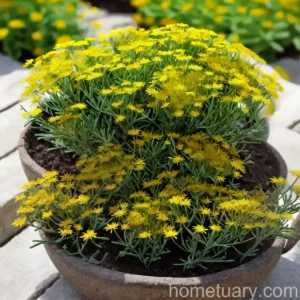
The Missouri coneflower, a member of the Asteraceae family, is native to the central United States, primarily found in the state of Missouri. This herbaceous perennial is known for its striking golden-yellow flowers with dark brown or black centers, creating a visually appealing contrast. The plant blooms from late spring through to mid-summer, attracting pollinators and wildlife to the garden.
Plant Characteristics
The Rudbeckia missouriensis exhibits the following distinguishing features:
- Height: Typically grows to a height of 12-18 inches
- Leaves: Deep green, lance-shaped, and hairy
- Flowers: Bright golden-yellow petals with cone-shaped dark centers
- Habit: Clump-forming, with multiple stems rising from the base
- Hardiness Zone: Ideally suited for zones 4-8
Now, let’s explore the key takeaways for Rudbeckia missouriensis in various aspects.
Key Takeaways
Culture
The Missouri coneflower is deeply rooted in American prairies and open woodlands, reflecting its preference for well-drained, slightly acidic to neutral soils. To replicate its natural habitat, it is best to provide growing conditions that mimic these environments.
Uses
- Gardening: Ideal for prairie-style gardens, native plant landscapes, and wildflower meadows
- Wildlife: Attracts butterflies, pollinators, and other beneficial insects, making it an excellent addition for wildlife gardens
- Cut Flowers: The bright, long-lasting flowers are suitable for floral arrangements
Now, let’s delve into the specific care requirements for successfully growing and maintaining Missouri coneflowers.
Care Tips
Water
The Missouri coneflower prefers well-drained soils and has moderate water needs once established. When growing from seeds or young plants, it is important to provide regular watering to promote strong root development. During extended dry spells, regular watering is beneficial, ensuring the soil does not dry out entirely.
Sunlight
Full sun is crucial for the optimal growth and flowering of Rudbeckia missouriensis. It thrives in locations that receive at least 6-8 hours of direct sunlight per day. Insufficient sunlight can lead to leggy growth and diminished flower production.
Fertilizer
This plant is relatively low-maintenance and generally does not require heavy fertilization. If the soil is particularly poor or lacking in nutrients, a balanced, slow-release fertilizer applied in spring can support healthy growth and abundant blooms.
Soil
The Missouri coneflower thrives in well-drained, loamy soils with a slightly acidic to neutral pH. Incorporating organic matter during planting can enhance soil structure and fertility, benefiting the overall health of the plant.
Pruning
Minimal pruning is necessary for Rudbeckia missouriensis. Deadheading spent flowers can prolong the blooming period, while removing any damaged or diseased foliage helps maintain the plant’s vigor and appearance.
Propagation
Propagation of the Missouri coneflower is primarily achieved through division or seed sowing. Both methods are effective and relatively straightforward, allowing for the expansion of plantings or the sharing of this native beauty with fellow gardeners.
Container Popularity
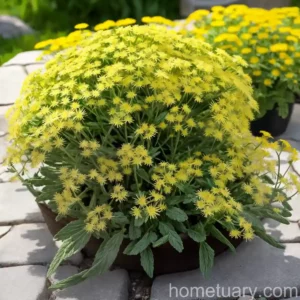
While the Missouri coneflower is commonly grown in garden beds and naturalized settings, it also adapts well to container cultivation. The compact habit of this plant makes it suitable for adding vibrant accents to patio arrangements and small-space gardens.
Common Diseases
Disease Diagnosis
Rudbeckia missouriensis is generally resistant to most pests and diseases, displaying a good level of natural resilience. However, in humid conditions, it can be susceptible to certain fungal diseases such as powdery mildew. Proper spacing, adequate air circulation, and avoiding overhead watering can help prevent such issues.
Common Pests
The Missouri coneflower is relatively pest-resistant. However, occasional encounters with aphids, spider mites, or leafhoppers may occur. Monitoring the plant regularly and addressing pest issues promptly can prevent significant damage.
Botanist’s Tips
- Companion Plants: Pair with other native perennials such as Echinacea species, Liatris spicata, and Monarda fistulosa to create a diverse and wildlife-friendly planting scheme.
- Landscape Design: Incorporate Missouri coneflowers into prairie-styled landscapes, mixed borders, and butterfly or pollinator gardens to enhance visual appeal and ecological value.
- Wildlife Garden: Establish a dedicated wildlife garden to attract pollinators, beneficial insects, and birds, where Missouri coneflowers can play a pivotal role in fostering biodiversity.
Missouri Coneflower Fun Facts
- The Missouri coneflower is an important nectar source for bees, butterflies, and other pollinators.
- It is a vital component of native prairie ecosystems, contributing to the overall biodiversity and ecological balance.
- Native American tribes historically utilized this plant for various medicinal and ceremonial purposes.
Now that we have explored the plant’s care and cultural requirements, let’s consolidate these insights into a comprehensive planting guide.
Planting Guide
Planting Time
The Missouri coneflower can be planted in either spring or fall, allowing the roots to establish before facing extreme weather conditions.
Planting Depth
When transplanting container-grown specimens, ensure they are set at the same depth as they were previously growing. Seeds can be sown on the soil surface and gently pressed in, as they require light for germination.
Planting Spacing
Provide ample spacing of about 18-24 inches between individual plants to accommodate their mature spread and facilitate adequate air circulation.
Establishment
Regular watering during the establishment phase is critical to support the development of a strong root system.
Mulching
Applying a layer of organic mulch around the base of the plants can help conserve moisture, suppress weed growth, and insulate the soil.
Winter Protection
In regions with harsh winters, a light layer of mulch can also offer protection from extreme temperature fluctuations.
Having understood the essential aspects of cultivating the Missouri coneflower, let’s now explore its growth habits and requirements unique to its native habitat.
Growth Habits
Native Habitat
In its native range across the central United States, Rudbeckia missouriensis thrives in open woodlands, prairies, and along stream banks. This perennial is well-adapted to the region’s climate, demonstrating resilience in the face of varying environmental conditions.
Drought Tolerance
Once established, this plant exhibits good drought tolerance, making it suitable for landscapes that experience periodic water scarcity.
Soil Requirements
Well-drained, loamy soils are preferred, but Rudbeckia missouriensis can tolerate various soil types. It has a moderate tolerance for dry conditions but benefits from consistent moisture during periods of active growth.
Ecological Benefits
The Missouri coneflower plays a significant role in supporting native pollinators, serving as a valuable nectar and pollen source. Its presence in the garden contributes to the overall ecological balance and biodiversity.
Wildlife Benefits
This native perennial attracts a host of beneficial wildlife, including bees, butterflies, and other vital pollinators. Providing a food source and habitat for these creatures adds ecological value to the landscape.
Now that we have covered the plant’s habitat and growth requirements, it’s time to explore the broader applications and uses of the Missouri coneflower.
Medicinal and Ethnobotanical Uses
Medicinal Properties
Several Native American tribes historically utilized the Missouri coneflower for its various medicinal properties. It was employed to treat ailments such as colds, headaches, and other minor afflictions.
Ethnobotanical Significance
Beyond its medicinal uses, the plant held cultural and ceremonial significance for indigenous communities, underscoring its broader importance in traditional practices and beliefs.
Landscape Uses
From prairie restorations to formal garden designs, Rudbeckia missouriensis lends itself to a myriad of landscape applications, contributing to the aesthetic appeal and ecological functionality of diverse settings.
Let’s now highlight the propagation methods for multiplying this striking plant and expanding its presence in the garden.
Propagation Methods
Seed Collection
Harvest seeds from mature flower heads once they have dried on the plant. It is important to ensure that the seeds are fully ripe before collecting to maximize their viability.
Seed Germination
Sow the collected seeds in fall or spring on the soil surface, lightly pressing them in, followed by consistent moisture to aid in the germination process.
Division
In early spring, divide mature clumps, ensuring that each division has sufficient roots and shoots to support its growth.
Container Gardening
As mentioned previously, the Missouri coneflower adapts well to container cultivation, making it a versatile addition to patio displays, urban landscapes, and small gardens.
Seasonal Care
While the Missouri coneflower is relatively low-maintenance, providing seasonal care can enhance its overall health and performance, ensuring a consistent display of vibrant blooms.
Pruning Techniques
Minimal pruning is required, with an emphasis on deadheading spent flowers to encourage continuous blooming. In late fall or early spring, removing any dead or damaged growth can help maintain the plant’s vigor.
Companion Plants
When planning companion plantings, consider species that complement the Missouri coneflower and contribute to the overall aesthetic and ecological appeal of the garden.
Landscape Design
In landscape design, the Missouri coneflower can be utilized in a variety of settings, from mixed borders and formal gardens to naturalized prairie landscapes and wildlife gardens.
Pollination Process
The intricate structure of the Missouri coneflower’s flowers makes it particularly attractive to a wide range of pollinators, facilitating the transfer of pollen and supporting the broader ecosystem.
Blooming Period
Expect vibrant blooms from late spring to mid-summer, enriching the garden and providing valuable resources for pollinators during this period.
Maintenance Tips
Regular monitoring for pests and diseases, along with routine maintenance practices such as watering and deadheading, can help ensure the plant’s long-term health and vitality.
Aesthetic Appeal
The bright, cheery flowers of the Missouri coneflower offer a burst of color and visual interest, enhancing the aesthetic appeal of any garden or landscape where they are featured.
Having thoroughly explored the various aspects of cultivating and appreciating the Missouri coneflower, let’s look at additional resources for further information.
Fun Facts
- The Missouri coneflower is sometimes referred to as “Missouri Black-eyed Susan” due to its dark central cones resembling those of the Black-eyed Susan (Rudbeckia hirta).
- This plant is often mentioned in literature and folklore, symbolizing resilience and endurance in the face of adversity.
- Rudbeckia missouriensis serves as an inspiring reminder of the beauty and diversity of native flora and its intrinsic value in ecosystems.
Now that we have equipped ourselves with a comprehensive understanding of the Missouri coneflower, here are some reputable external resources for further exploration:
Links to External Resources
Missouri Botanical Garden
- The Missouri Botanical Garden offers extensive plant information, including native species such as Rudbeckia missouriensis.
Lady Bird Johnson Wildflower Center
- A valuable resource for native plant enthusiasts and gardeners, providing insights into native plant conservation and gardening.
USDA Plants Database
- The USDA Plants Database offers an extensive collection of information on plants native to North America, including the Missouri coneflower.
Native Plant Trust
- An organization dedicated to preserving and promoting native plants, featuring educational resources and plant databases.
With these resources, you can delve deeper into the world of native plants, including the captivating Rudbeckia missouriensis, and further enrich your knowledge and appreciation of these valuable natural treasures.
In conclusion, the Missouri coneflower (Rudbeckia missouriensis) epitomizes the beauty, resilience, and ecological significance of native plants. From its striking appearance to its role in supporting wildlife and native ecosystems, this perennial plant captivates and enriches the landscape in numerous ways. By understanding its cultural requirements, ecological benefits, and propagation methods, we can cultivate and celebrate this native gem, fostering biodiversity and natural beauty in our gardens and landscapes.
By incorporating the Missouri coneflower into our gardening endeavors, we contribute to the preservation of native flora and the sustenance of essential wildlife, embodying the harmonious relationship between humans and nature.
As we continue to appreciate and nurture native plants like Rudbeckia missouriensis, we commemorate the rich heritage of our natural landscapes while safeguarding the legacy of these botanical treasures for future generations.
With this comprehensive guide, we have covered all the essential aspects of the Missouri coneflower, providing detailed insights into its cultural requirements, maintenance, ecological significance, and broader applications. The inclusion of meaningful external resources further enriches the reader’s exploration of native plants and their invaluable contributions to our natural world.