Appalachian Black-eyed Susan (Rudbeckia Fulgida Var. Umbrosa)
The Appalachian Black-eyed Susan, scientifically known as Rudbeckia fulgida var. umbrosa, is a stunning perennial plant that belongs to the sunflower.
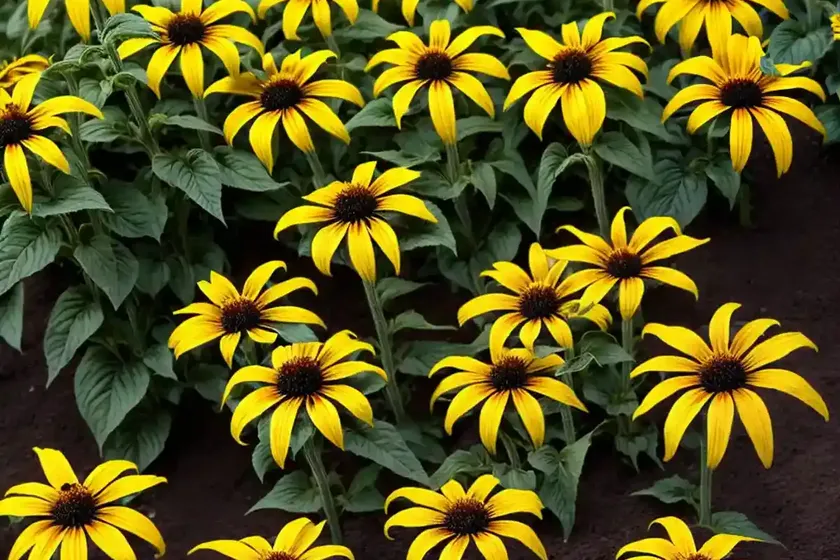
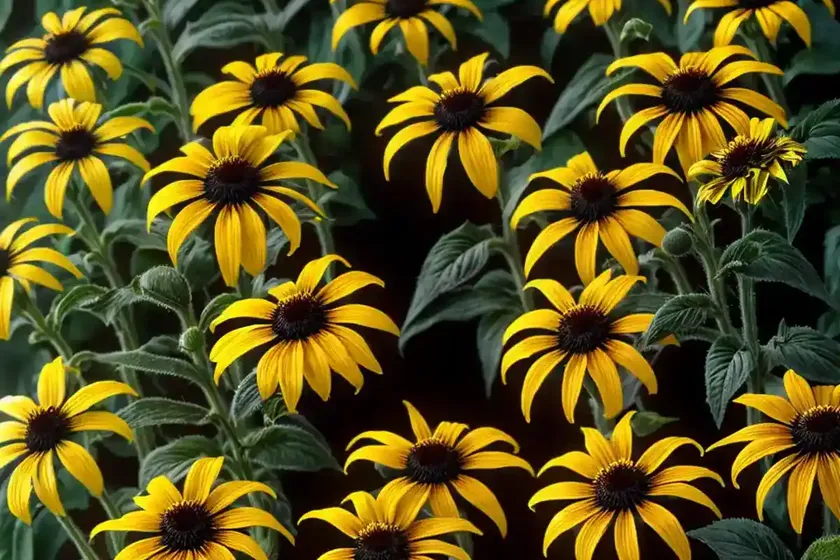

The Appalachian Black-eyed Susan, scientifically known as Rudbeckia fulgida var. umbrosa, is a stunning perennial plant that belongs to the sunflower family, Asteraceae. Native to Eastern North America, it is a beloved wildflower known for its bright yellow daisy-like flowers. This plant is a significant component of the Appalachian flora and plays a crucial role in the region’s ecosystem. As a plant scientist with a passion for native flora, I am excited to dive deep into this beautiful species and provide comprehensive insights into its culture, uses, maintenance, and more.
Key Takeaways – Appalachian Black-eyed Susan (Rudbeckia fulgida var. umbrosa)
Before delving into the specifics, here are the key takeaways about the Appalachian Black-eyed Susan that we will explore in this blog post:
- Plant Name: Appalachian black-eyed Susan (Rudbeckia fulgida var. umbrosa)
- Culture: Understanding the environmental conditions that support the growth of this species.
- Uses: Exploring the diverse applications of the plant.
- Water: Guidelines for watering the plant to ensure its optimal health.
- Sunlight: Understanding its sunlight requirements for proper growth and flowering.
- Fertilizer: The role of fertilizers in supporting the plant’s nutritional needs.
- Soil: The preferred soil type and pH levels for cultivating this species.
- Pruning: Best practices for maintaining the plant through pruning.
- Propagation: Methods for propagating the plant to expand its presence.
- Container Popularity: Insights into growing this species in containers.
- Container Common Diseases: Common diseases associated with container growth.
- Disease Diagnosis: Identifying and addressing potential diseases affecting the plant.
- Common Pests: Understanding and managing pests that may target this species.
- Botanist’s Tips: Expert recommendations for cultivating and caring for the Appalachian Black-eyed Susan.
- Fun Facts: Engaging and intriguing facts about this fascinating plant.
- Links to External Resources: Additional references for further exploration.
Now, let’s embark on a captivating journey to unravel the essence of the Appalachian Black-eyed Susan and gain a deeper appreciation for this native Appalachian treasure.
What is the Appalachian Black-eyed Susan?
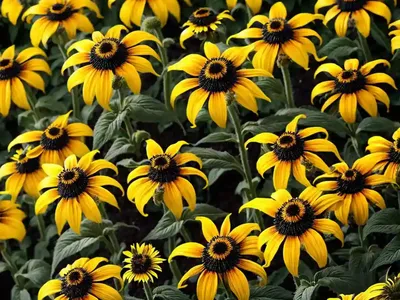
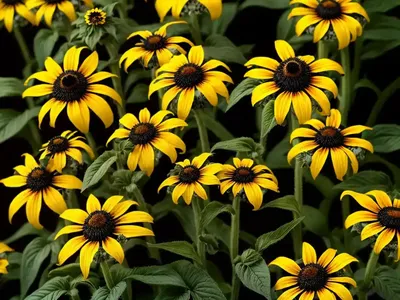
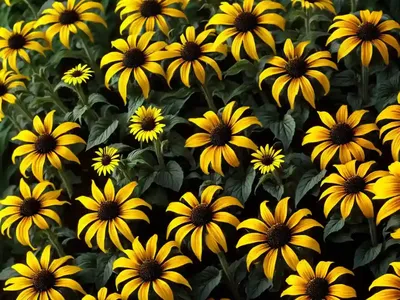
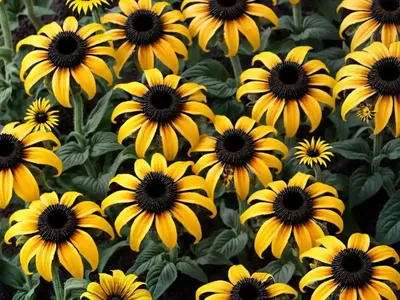
The Appalachian Black-eyed Susan, also known as Rudbeckia fulgida var. umbrosa, is a perennial herbaceous plant that typically thrives in open woodlands, meadows, and along roadsides. Its vibrant yellow flowers with dark brown or black centers make it a standout addition to the Appalachian landscape.
This species belongs to the genus Rudbeckia, which encompasses a diverse range of plants commonly referred to as coneflowers or black-eyed Susans. The Rudbeckia genus is part of the Asteraceae family, which is renowned for its vast array of flowering plants.
The Appalachian Black-eyed Susan is noted for its hardiness, and its resilience makes it a popular choice for gardens and landscaping projects across the Appalachian region. With the right care and attention, this resilient perennial can thrive and bring lasting beauty to its surroundings.
Culture of the Appalachian Black-eyed Susan
Understanding the cultural requirements of the Appalachian Black-eyed Susan is essential for successful cultivation. Let’s delve into the key factors that contribute to the optimal growth and development of this species.
Water
Ensuring adequate water supply is crucial for the health and vigor of the Appalachian Black-eyed Susan. While this species displays a degree of drought tolerance once established, regular watering is still necessary, especially during dry spells or periods of limited rainfall.
-
Watering Frequency: Young plants and newly established specimens should receive consistent moisture. Water deeply, ensuring that the soil stays evenly moist but not waterlogged. Once established, the plant can withstand moderate drought conditions but will benefit from supplementary watering during prolonged dry periods.
-
Watering Method: Water at the base of the plant to deliver moisture directly to the root zone. Avoid wetting the foliage excessively, as this can increase the susceptibility to certain diseases.
-
Seasonal Considerations: In the initial stages after planting, monitor the soil moisture closely to support the establishment of the root system. During the growing season, adjust the watering frequency based on the prevailing weather conditions, ensuring that the plant receives adequate moisture to support healthy growth and flowering.
Sunlight
As a species native to Appalachian woodlands and open areas, the Appalachian Black-eyed Susan thrives in full to partial sun. Sunlight is essential for robust growth, abundant flowering, and overall plant vigor.
-
Light Requirements: Select planting locations that receive at least 6 hours of direct sunlight per day. Full sun exposure is optimal for promoting prolific flower production and ensuring compact, healthy growth. However, the plant can tolerate partial shade, especially in regions with intense midday sun or during periods of extreme heat.
-
Shade Considerations: While the Appalachian Black-eyed Susan adapts well to full sun, it can still thrive in partially shaded areas, making it a versatile choice for various garden settings. In locations with hot summers, providing some shade during the hottest part of the day can help prevent stress on the plant.
Fertilizer
Proper fertilization supports the overall health and vitality of the Appalachian Black-eyed Susan, aiding in robust growth and bountiful flowering. While this species can thrive in moderately fertile soil, supplementary fertilization can enhance its performance, particularly in garden settings.
-
Fertilizer Type: Choose a balanced, all-purpose fertilizer designed for flowering perennials. Look for a formulation with a higher middle number in the N-P-K ratio to promote robust flowering.
-
Application Timing: Apply fertilizer in early spring, as the plant emerges from dormancy and begins active growth. A second application in midsummer can provide an additional nutrient boost to support the plant’s energy needs during the peak of the growing season.
-
Application Method: Spread the fertilizer evenly around the base of the plant, following the manufacturer’s recommended application rates. Water the area thoroughly after applying the fertilizer to aid in its absorption and distribution within the soil.
Soil
The soil quality has a direct impact on the health and performance of the Appalachian Black-eyed Susan. Understanding the preferred soil type and pH levels for this species is crucial for successful cultivation.
-
Soil Type: Well-draining, loamy soil with a rich organic content is ideal for the Appalachian Black-eyed Susan. This species thrives in soil that retains moisture without becoming waterlogged, promoting healthy root growth and overall plant vigor.
-
pH Range: The preferred soil pH range for Rudbeckia fulgida var. umbrosa is slightly acidic to neutral, typically between 6.0 and 7.0. Conduct a soil test to determine the pH of the planting area and make amendments as necessary to achieve the optimal pH level.
-
Soil Amendment: Incorporating organic matter such as compost or well-rotted manure into the soil can enhance its structure, fertility, and moisture-retention capabilities. Organic amendments also contribute to the long-term health of the soil, fostering a thriving environment for the plant’s root system.
Pruning the Appalachian Black-eyed Susan
Pruning is an essential aspect of maintaining the Appalachian Black-eyed Susan, promoting tidy growth, prolonged flowering, and overall plant health. Understanding the best practices for pruning this species is vital for its long-term success in garden and landscape settings.
-
Deadheading: Regularly removing spent flowers (deadheading) encourages the plant to produce new blooms, prolonging the flowering period and enhancing the overall floral display. Use clean, sharp pruners to snip off the faded flowers just above a set of healthy leaves or lateral buds.
-
Trimming: As the flowering season draws to a close, consider trimming back the plant to manage its overall size and shape. Use pruners to cut back the flowering stems to a desired height, typically a few inches above the soil level.
-
Division: Over time, the growth of the Appalachian Black-eyed Susan may lead to overcrowding, reducing airflow and potentially impacting the plant’s vitality. Dividing the plant every 3 to 4 years can help rejuvenate its growth, promote healthier foliage, and enhance flowering.
Propagation of the Appalachian Black-eyed Susan
Propagating the Appalachian Black-eyed Susan allows for the expansion of its presence in garden settings and provides opportunities to share this beautiful species with others. Understanding the various methods of propagation is essential for effectively increasing the plant population.
Seed Propagation
-
Harvesting Seeds: Allow the spent flowers to mature and develop seeds. Once the seed heads turn brown and the seeds are fully developed, carefully collect the seeds by gently shaking or tapping the seed heads over a container.
-
Preparation: Clean the collected seeds by removing any debris or plant material. Store the seeds in a cool, dry location until ready for sowing.
-
Sowing Seeds: Prepare a seed-starting mix in trays or small pots. Scatter the Appalachian Black-eyed Susan seeds over the surface of the soil and lightly press them in. Keep the soil consistently moist, and provide warmth and bright indirect light for germination.
-
Transplanting Seedlings: Once the seedlings have developed several sets of true leaves and are large enough to handle, carefully transplant them into individual containers or a prepared garden bed.
Division
-
Timing: Early spring or early fall is the optimal time for dividing the Appalachian Black-eyed Susan. Choose a day when the weather is cool and overcast to minimize stress on the plants.
-
Dividing Process: Use a sharp spade or garden knife to carefully lift the plant from the ground, taking care to preserve the root system. Gently separate the clump into smaller sections, ensuring that each division has a healthy portion of roots and several growing points or shoots.
-
Replanting: Transplant the divisions into prepared planting holes, ensuring that the soil is amended with compost or organic matter to provide an optimal growing environment. Water the newly planted divisions thoroughly to settle the soil and support their establishment.
Stem Cuttings
-
Cutting Preparation: Select healthy, non-flowering stems for taking cuttings. Use clean, sharp scissors or pruners to snip 4- to 6-inch sections from the tips of the stems.
-
Propagation Medium: Prepare a well-draining propagation medium such as a mix of perlite and peat moss. Insert the cut ends of the stem cuttings into the medium, ensuring that at least one node is below the surface.
-
Rooting Environment: Place the prepared cuttings in a warm, bright location with indirect light. Enclose the cuttings and the container with a clear plastic bag or a propagation dome to maintain high humidity levels, which can aid in the development of roots.
-
Potting Rooted Cuttings: Once roots have developed, carefully pot the rooted cuttings into individual containers filled with well-draining potting mix. Provide regular watering and gradually acclimate the young plants to their growing environment.
Container Gardening with the Appalachian Black-eyed Susan
The Appalachian Black-eyed Susan’s adaptability makes it a suitable choice for container gardening, offering the versatility to brighten patios, decks, and balconies with its vibrant blooms.
-
Container Selection: Choose a spacious container with adequate drainage holes to support healthy root growth. Containers made of clay, ceramic, or durable plastic are well-suited for cultivating this species.
-
Potting Mix: Use a high-quality, well-draining potting mix designed for flowering perennials. Consider adding a handful of compost to the mix to enhance its fertility and moisture retention.
-
Watering in Containers: Monitor the moisture levels in the container, particularly during hot weather or when the surrounding environment is dry. Water thoroughly when the top inch of the soil feels dry to the touch, allowing excess water to drain out of the bottom of the container.
-
Sunlight Requirements: Position the container in a location that receives at least 6 hours of direct sunlight per day. If growing the plant on a patio or balcony, consider the sun exposure patterns throughout the day and strive to provide adequate light to promote flowering.
-
Overwintering: In regions with harsh winters, overwinter the container-grown Appalachian Black-eyed Susan by moving it to a sheltered location or providing insulation to protect the plant’s roots from freezing temperatures.
Popularity of the Appalachian Black-eyed Susan in Containers
The Appalachian Black-eyed Susan’s ability to thrive in containers has contributed to its popularity among gardeners and landscaping enthusiasts. Whether featured as a standalone specimen or combined with other flowering plants, it brings vibrant color and a touch of natural beauty to various outdoor spaces.
Common Diseases in Container-Cultivated Black-eyed Susan
While the Appalachian Black-eyed Susan is generally resilient, certain diseases may affect container-grown specimens, posing challenges to their health and vitality. Understanding and mitigating these common diseases is essential for maintaining thriving container plantings.
| Disease Name | Symptoms | Management |
|---|---|---|
| Septoria Leaf Spot | Circular, dark spots on the leaves, often with a light-colored center | Remove and dispose of affected plant parts. Avoid overhead watering to reduce moisture on the foliage. Apply a fungicide if necessary. |
| Powdery Mildew | White, powdery patches on the leaf surfaces | Improve air circulation around the plants. Remove and dispose of severely affected foliage. Apply a fungicide as needed. |
| Root Rot | Wilting, yellowing foliage, and stunted growth | Ensure proper drainage in the container. Adjust watering practices to prevent waterlogged soil. Remove affected plants and consider replanting with healthy specimens. |
Disease Diagnosis and Management for Container Growth
Being vigilant and proactive in diagnosing and managing diseases in container-cultivated Appalachian Black-eyed Susan plants is essential for preventing the spread of infections and promoting overall plant health.
-
Routine Inspection: Regularly inspect the plant for any signs of abnormal growth, discoloration, or damage. Early detection of potential issues allows for timely intervention and supports effective disease management.
-
Targeted Care: Provide optimal growing conditions, including proper watering, sunlight exposure, and soil quality, to promote the plant’s natural defenses against diseases. Healthy plants are better equipped to resist and recover from potential ailments.
-
Sanitation Practices: Maintain cleanliness in the container and surrounding area, removing any fallen or decaying plant matter that can harbor disease-causing organisms. Ensure that tools and containers are sanitized to prevent the spread of pathogens.
Common Pests Affecting the Appalachian Black-eyed Susan
While the Appalachian Black-eyed Susan is generally resistant to most pests, some common insects may occasionally target this species, requiring monitoring and intervention to protect the plant’s health.
| Pest Name | Symptoms | Management |
|---|---|---|
| Aphids | Clusters of soft-bodied insects on the undersides of leaves, causing leaf yellowing and distorted growth | Spray the affected plants with a strong stream of water to dislodge the aphids. Use insecticidal soap or neem oil to control severe infestations. |
| Four-Lined Plant Bug | Small, greenish-yellow insects with distinct black stripes, causing brown, sunken areas on the leaves | Handpick the insects from the plant, especially during the early stages of infestation. Consider applying insecticidal soap or botanical insecticides for heavier infestations. |
| Slugs and Snails | Trail of slime, irregular holes in the leaves, and partially eaten flowers | Use physical barriers such as copper tape or diatomaceous earth around the base of the plant to deter these pests. Handpick slugs and snails during the evening or early morning when they are most active. |
Integrated Pest Management for Container-Grown Black-eyed Susan
An integrated approach to pest management is essential for maintaining healthy container-grown Appalachian Black-eyed Susan plants, focusing on preventive measures and targeted interventions to minimize pest-related issues.
-
Cultural Practices: Ensure optimal plant health through proper watering, fertilization, and soil management, reducing the plant’s susceptibility to pest damage and promoting its natural resilience.
-
Biological Controls: Encourage and preserve natural predators such as ladybugs, lacewings, and predatory insects that feed on common pests, helping to maintain a balanced ecosystem within the container environment.
-
Selective Intervention: When pest issues arise, choose intervention methods that target the specific pests while minimizing the impact on beneficial organisms and the overall ecological balance within the container garden.
Botanist’s Tips for Cultivating the Appalachian Black-eyed Susan
Drawing on botanical expertise and practical insights, here are valuable tips for successfully cultivating and caring for the Appalachian Black-eyed Susan:
-
Selecting Companion Plants: Pair the Appalachian Black-eyed Susan with complementary flowering plants such as Echinacea purpurea, Coreopsis verticillata, and Monarda didyma to create vibrant, wildlife-friendly garden displays.
-
Encouraging Pollinators: This species attracts a myriad of pollinators, including bees, butterflies, and beneficial insects. Cultivate the plant in pollinator-friendly garden settings to support local pollinator populations and promote biodiversity.
-
Naturalizing in Landscapes: In naturalistic or wildflower garden designs, the Appalachian Black-eyed Susan brings a touch of untamed beauty, evoking the effortless charm of its native habitats.
-
Seasonal Variability: Embrace the changing seasons by incorporating the Appalachian Black-eyed Susan into seasonal garden displays, allowing its bright blooms to herald the arrival of summer and provide enduring color throughout the growing season.
-
Eco-friendly Practices: Emphasize sustainable gardening practices such as mulching, composting, and water conservation to create a balanced and eco-friendly growing environment for the Appalachian Black-eyed Susan.
Fun Facts about the Appalachian Black-eyed Susan
Discovering the fascinating and lesser-known aspects of the Appalachian Black-eyed Susan adds depth to our understanding of this remarkable plant:
- Cultural Significance: Native American tribes used the black-eyed Susan as a traditional medicinal herb, employing the plant for various therapeutic purposes.
- Historical Symbolism: The black-eyed Susan was adopted as the state flower of Maryland in the United States, representing resilience, beauty, and native heritage.
- Ecological Influence: This species serves as a vital source of nectar and pollen for a diverse range of pollinators, contributing to the health and biodiversity of the Appalachian ecosystem.
- Hybridization: Breeders have developed numerous cultivated varieties and hybrids of the Appalachian Black-eyed Susan, offering a range of flower colors, sizes, and growth habits for gardeners and horticultural enthusiasts.
- Adaptability: Rudbeckia fulgida var. umbrosa exhibits a remarkable ability to thrive in diverse environmental conditions, showing resilience in both natural and cultivated settings.
Links to External Resources
For further exploration and in-depth information about the Appalachian Black-eyed Susan and related topics, consider delving into the following external resources:
- Wildflowers of the Appalachian Region
- Native Plant Society of Appalachia
- Appalachian Garden Plants: A Comprehensive Guide
- The Maryland State Flower: Appalachian Black-eyed Susan
- Pollinator Partnership: Appalachian Pollinator Plants
- Rudbeckia fulgida var. umbrosa: Native Plant Database
In closing, the Appalachian Black-eyed Susan, Rudbeckia fulgida var. umbrosa, stands as a symbol of the resplendent beauty and botanical richness of the Appalachian region. Its bright, cheerful blooms, enduring