Peace Lily (Spathiphyllum (group)
Plants are an integral part of our lives, and the peace lily, scientifically known as Spathiphyllum, is one that brings joy and tranquility to any space it.
Plants are an integral part of our lives, and the peace lily, scientifically known as Spathiphyllum, is one that brings joy and tranquility to any space it inhabits. As a plant scientist, I’m thrilled to delve into the incredible world of peace lilies and explore their cultural significance, uses, care, and everything in between. In this comprehensive guide, we will unravel the secrets of peace lilies, providing valuable insights into their care, propagation, and much more.
What is a Peace Lily?
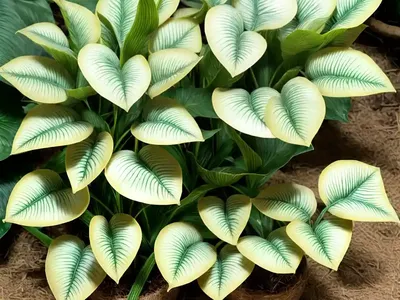
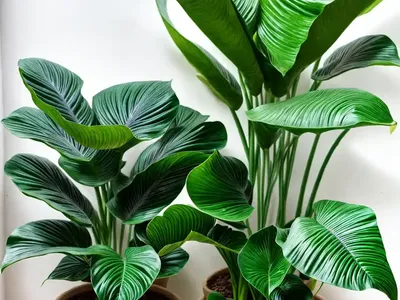
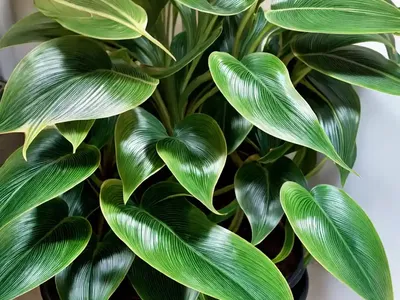
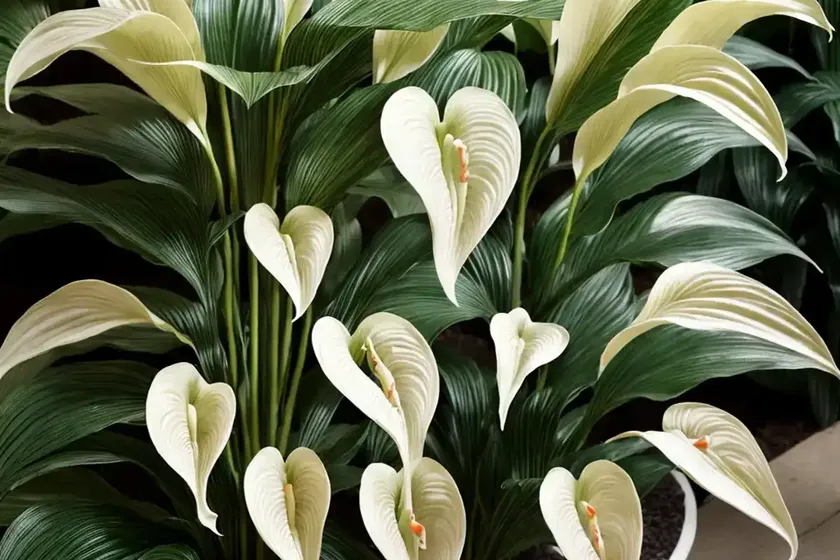
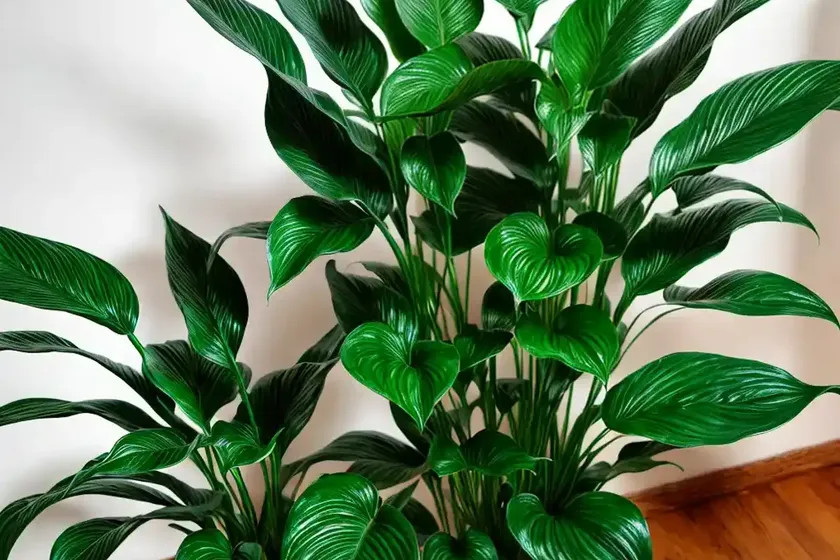
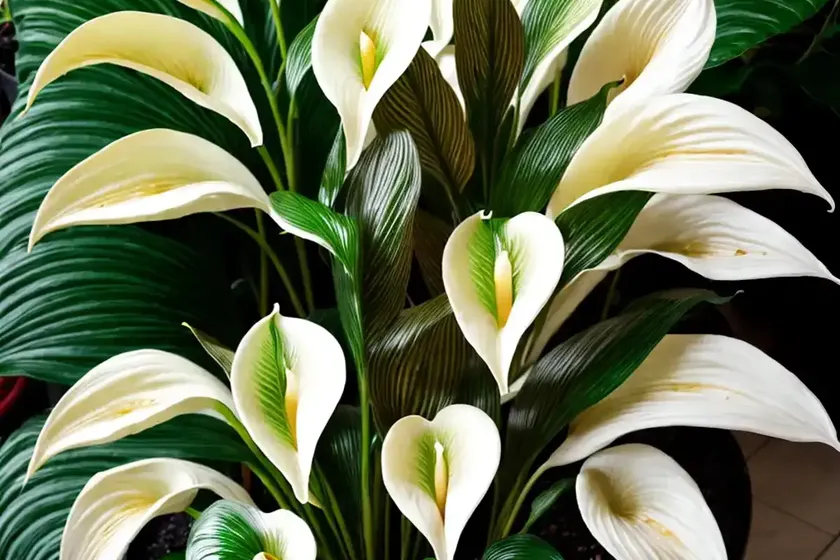
The peace lily, belonging to the Spathiphyllum genus, is a popular choice for indoor and outdoor ornamental plantings. Known for its stunning white blooms and lush, dark green leaves, the peace lily has gained a reputation for being relatively low-maintenance and adaptable to various environments. With its origins in the tropical regions of the Americas and Southeast Asia, the peace lily has found its way into homes, offices, and landscapes around the world.
Key Takeaways – Peace Lily (Spathiphyllum (group))
Before we dive into the specifics of caring for peace lilies, let’s highlight some of the key takeaways regarding these beautiful plants.
- Peace Lily Varieties: Understanding the diverse varieties of peace lilies and their unique characteristics.
- Growing Peace Lilies Indoors: Tips for cultivating peace lilies as indoor plants, enhancing interior spaces with their elegance.
- Peace Lily Watering Needs: Exploring the ideal watering practices to maintain the health and vitality of peace lilies.
- Fertilizing Peace Lilies: Insights into providing the essential nutrients for optimum growth and flowering.
- Common Problems with Peace Lilies: Identifying and addressing common issues that may affect the well-being of peace lilies.
- Peace Lily Pruning Tips: Understanding the art of pruning to promote robust growth and blooming.
- Peace Lily Air-Purifying Properties: Recognizing the air-purifying capabilities of peace lilies, contributing to healthier indoor environments.
- Preventing Peace Lily Diseases: Implementing preventive measures to protect peace lilies from diseases and ailments.
Culture
Uses
The peace lily holds a special place in horticulture due to its versatility and aesthetic appeal. Here are some common uses of peace lilies:
- Indoor Decoration: With its glossy foliage and graceful flowers, peace lilies are favored as elegant indoor decorations, brightening up living spaces and work environments.
- Air Purification: Peace lilies are renowned for their ability to purify indoor air by effectively filtering out pollutants such as benzene, formaldehyde, and trichloroethylene.
- Symbol of Peace and Harmony: As implied by its name, the peace lily symbolizes tranquility, making it a popular choice for gifting on occasions of significance, such as housewarmings and memorials.
- Feng Shui: In Feng Shui, the peace lily is regarded as an auspicious plant that brings harmony, purity, and prosperity to the spaces it inhabits.
Care
Water
The watering needs of peace lilies are crucial for maintaining their health and promoting flowering. Understanding the appropriate watering practices is essential for the overall well-being of these plants.
Peace Lily Watering Needs
Peace lilies thrive in consistently moist soil, but overwatering can lead to root rot and other issues. Here are some key considerations for watering peace lilies:
- Moderation is Key: Water peace lilies thoroughly but allow the soil to dry out slightly between watering sessions. Over-watering can lead to root rot, so it’s important to exercise caution.
- Signs of Thirst: Keep an eye out for drooping leaves, which is a common indicator that the plant requires watering. With regular observation, you’ll develop a sense of the plant’s watering needs.
- Water Quality: Peace lilies are sensitive to chemicals such as chlorine and fluoride present in tap water. Using filtered or distilled water can help maintain the plant’s health and vigor.
Sunlight
As tropical plants, peace lilies have specific requirements when it comes to sunlight exposure. Understanding their light preferences is crucial for ensuring their growth and flowering.
Peace Lily Light Requirements
Peace lilies thrive in bright, indirect light, making them suitable for indoor settings with filtered sunlight. Key considerations include:
- Avoid Direct Sunlight: Exposure to direct sunlight can scorch the leaves of peace lilies. Opt for locations with indirect light or partial shade to protect the foliage.
- Adaptable in Low Light: Peace lilies can tolerate low-light conditions, making them ideal for areas where natural light is limited. However, consistent low-light exposure may compromise their flowering potential.
Fertilizer
Providing the right nutrients is essential for the overall health and vigor of peace lilies. Understanding the appropriate fertilization practices is crucial for promoting robust growth and blooming.
Fertilizing Peace Lilies
Peace lilies benefit from balanced, water-soluble fertilizers formulated for houseplants. Here are some key considerations for fertilizing peace lilies:
- Frequency: Fertilize peace lilies during the growing season (spring and summer) approximately every 6-8 weeks. Avoid excessive fertilization, as it can lead to salt accumulation in the soil.
- Dilution: Dilute the fertilizer to half or one-quarter of the recommended strength to prevent the risk of over-fertilization, which can damage the plant’s roots.
- Organic Alternatives: Organic fertilizers, such as compost tea or fish emulsion, can be suitable alternatives for promoting the long-term health of peace lilies.
Soil
The choice of soil is crucial for the growth and development of peace lilies. Understanding the ideal soil composition and texture is vital for ensuring their vitality.
Best Soil for Peace Lilies
Peace lilies thrive in well-draining, peat-based potting mixes with a slightly acidic to neutral pH. Consider the following factors when selecting soil for peace lilies:
- Moisture Retention: The soil should retain moisture while allowing excess water to drain freely. It should strike a balance between water retention and aeration, creating an optimal environment for root development.
- Nutrient Availability: Choose a potting mix with balanced nutrients to support the growth and flowering of peace lilies. Additionally, organic matter within the soil can contribute to the plant’s overall well-being.
Pruning
Pruning plays a crucial role in maintaining the appearance and health of peace lilies. Understanding the principles of pruning can enhance the overall vitality and aesthetic appeal of these plants.
Peace Lily Pruning Tips
Pruning peace lilies involves the removal of dead or yellowing leaves, spent blooms, and occasional trimming to maintain their shape. Here are some essential pruning tips:
- Sterilize Tools: Use sharp, sterilized pruning shears to avoid introducing infections to the plant. Wipe the blades with rubbing alcohol or a disinfectant solution before and after pruning.
- Proactive Trimming: Regularly remove yellowing leaves and faded blooms to promote the plant’s overall vigor and appearance. This practice also reduces the risk of disease and pest infestations.
Propagation
Propagation Techniques
Propagating peace lilies allows you to expand your collection of these stunning plants and share their beauty with others. Understanding the various propagation methods is essential for successful reproduction.
Peace Lily Propagation Methods
Peace lilies can be propagated through division, which involves separating the plant into smaller sections and repotting them. Here’s an overview of the propagation process:
- Healthy Division: Select a mature, healthy peace lily with multiple growth points. Carefully remove the plant from its container and divide it into smaller sections, each containing both roots and foliage.
- Repotting: Plant the divided sections in individual pots with suitable potting mix. Provide adequate moisture and indirect light to support their establishment.
Container Popularity
Choosing the Right Pot for Peace Lilies
Selecting suitable containers for peace lilies is crucial for their growth and overall well-being. Understanding the factors to consider when choosing pots can contribute to the successful cultivation of these plants.
Container Selection
Peace lilies thrive in pots that provide ample space for root development while offering proper drainage. Consider the following when choosing pots for peace lilies:
- Size: Select a container that accommodates the plant’s root system with some room for growth. A slightly larger pot can support the development of peace lilies without overwhelming them.
- Drainage Holes: Ensure that the pot has adequate drainage holes to prevent waterlogging, which can lead to root rot. Good drainage is essential for the health of peace lilies.
Repotting Guide
Repotting peace lilies is a significant aspect of their care, particularly as they outgrow their current containers. Understanding the repotting process and its significance is essential for maintaining the vitality of these plants.
Peace Lily Repotting Guide
Repot peace lilies when they become root-bound or outgrow their current containers. Consider these steps when repotting peace lilies:
- Assessment: Check the plant for signs of being root-bound, such as roots circling the bottom of the pot or emerging from the drainage holes.
- Gentle Extraction: Carefully remove the plant from its current pot, taking care not to damage the roots. Gently loosen the root ball to encourage new growth once repotted.
- Size Selection: Choose a new pot that is 1-2 inches larger in diameter than the previous one. Add fresh potting mix and replant the peace lily, providing adequate water post-repotting.
Common Diseases
Disease Diagnosis
Peace lilies are generally resilient plants, but they are susceptible to certain diseases and health issues. Recognizing the signs and symptoms of common diseases is crucial for implementing the appropriate remedies.
Peace Lily Diseases
Peace lilies may experience issues such as root rot, leaf spot, and powdery mildew under unfavorable conditions. Understanding these diseases is essential for their prevention and management. Here are some key considerations:
- Root Rot: Caused by overwatering and waterlogged soil, leading to the decay of the plant’s roots. Symptoms include wilting, yellowing leaves, and a foul odor emanating from the soil.
- Leaf Spot: Characterized by the appearance of dark, water-soaked lesions on the leaves. Proper air circulation and avoidance of overhead watering can help prevent leaf spot.
- Powdery Mildew: Manifests as a powdery white substance on the leaf surface, often affecting plants in humid conditions. Improving air circulation and maintaining moderate humidity levels can prevent powdery mildew.
Preventing Peace Lily Diseases
Implementing preventive measures is essential for safeguarding peace lilies from diseases and maintaining their overall health. Here are some strategies to prevent diseases:
- Optimal Watering: Avoid overwatering to prevent the onset of root rot and related issues. Allow the soil to dry out slightly between watering sessions to maintain proper soil moisture.
- Pruning Practices: Remove dead or diseased foliage promptly to prevent the spread of diseases and encourage the plant’s vigor.
- Air Circulation: Ensure sufficient air circulation around the plant to minimize the risk of fungal diseases, such as powdery mildew and leaf spot.
Common Pests
Pest Control
Peace lilies, like many other plants, are susceptible to pest infestations that can affect their growth and appearance. Understanding common pests and their control methods is crucial for preserving the health of these plants.
Peace Lily Pest Infestations
Common pests that may affect peace lilies include aphids, spider mites, and mealybugs. Recognizing these pests and their impact is essential for effective pest control. Here are some key insights:
- Aphids: Small, soft-bodied insects that feed on plant sap, leading to distorted foliage and a sticky residue called honeydew. Regular inspection and insecticidal soap can help manage aphid infestations.
- Spider Mites: Nearly microscopic pests that cause stippling and webbing on the foliage. Increased humidity and insecticidal sprays can help control spider mite populations on peace lilies.
- Mealybugs: White, cottony insects that infest the leaves and stems, sapping the plant’s vitality. Neem oil and insecticidal soaps can be effective in addressing mealybug infestations.
Pest Prevention
Preventing pest infestations is vital for maintaining the health and beauty of peace lilies. Here are some strategies for preventing pests from affecting these plants:
- Regular Inspection: Routinely inspect the foliage and stems for signs of pests, such as webbing, sticky residue, or visible insects. Early detection can prevent pest populations from establishing.
- Hygiene Practices: Keep the surrounding area clean and free of plant debris to discourage pest infestations. Good sanitation practices contribute to a healthier growing environment for peace lilies.
- Quarantine New Additions: Quarantine new plants before introducing them to your existing collection to ensure they are not carrying pests that could spread to your peace lilies.
Botanist’s Tips
As a plant scientist, I’d like to offer some valuable tips for caring for peace lilies, helping you foster their growth and well-being. Consider these insights to enhance your experience with these stunning plants:
- Observation is Key: Regularly observe your peace lilies to monitor their growth, flowering, and overall health. This practice allows for timely interventions to address any issues that may arise.
- Consistent Environment: Aim to provide a stable environment for peace lilies, including consistent lighting conditions, appropriate humidity levels, and moderate temperatures. Sudden fluctuations can stress the plants.
- Gentle Handling: When handling peace lilies for tasks such as watering, repotting, or pruning, take care to handle them gently. Avoid causing unnecessary stress or damage to the foliage and roots.
- Regular Maintenance: Dedicate time for regular maintenance tasks, such as removing spent blooms, cleaning the leaves, and inspecting for signs of pests or diseases. Proactive care can prevent issues from escalating.
Fun Facts
Discover some fascinating insights and trivia about peace lilies, adding to the allure of these captivating plants:
- Symbol of Peace: The peace lily is commonly associated with peace and harmony, making it a popular choice for gifting on occasions of significance.
- Air-Purifying Abilities: Peace lilies are renowned for their air-purifying properties, effectively removing harmful pollutants from indoor environments.
- Feng Shui Significance: In Feng Shui, the peace lily is regarded as a plant that brings positive energy and tranquility into spaces, aligning with its symbolic meaning.
Links to External Resources
To further expand your knowledge of peace lilies and their care, consider exploring the following external resources:
- American Society for the Prevention of Cruelty to Animals (ASPCA)
- The Sill: Peace Lily Care Guide
- University of Florida IFAS Extension: Spathiphyllum Production
In conclusion, peace lilies, belonging to the Spathiphyllum genus, are exquisite plants that bring beauty and tranquility to any setting. Their lush, glossy foliage and striking white blooms make them a popular choice for indoor and outdoor ornamental plantings. Understanding the cultural significance, care requirements, and propagation techniques of peace lilies is essential for fostering their growth and ensuring their well-being. By embracing the insights shared in this comprehensive guide, you can embark on a rewarding journey of caring for and appreciating the elegance of peace lilies. Let these resilient plants bring harmony and serenity to your living spaces, enriching your connection with nature.