American Elderberry (Sambucus Canadensis ‘Laciniata’)
What is a Plant? Plants are multicellular organisms in the kingdom Plantae that utilize photosynthesis to produce food. They play a crucial role in the.
What is a Plant?
Plants are multicellular organisms in the kingdom Plantae that utilize photosynthesis to produce food. They play a crucial role in the ecosystem, providing oxygen, food, and habitats for numerous organisms. Plants come in various forms, from tiny mosses to towering trees, and they contribute to the balance of nature.
In this article, we will delve into the intricate details of the American elderberry plant, scientifically known as Sambucus canadensis ‘Laciniata’. We will explore its culture, uses, care requirements, and fascinating characteristics.
Key Takeaways
American Elderberry (Sambucus canadensis ‘Laciniata’)
- The American elderberry, Sambucus canadensis ‘Laciniata’, is a captivating deciduous shrub valued for its ornamental and functional qualities.
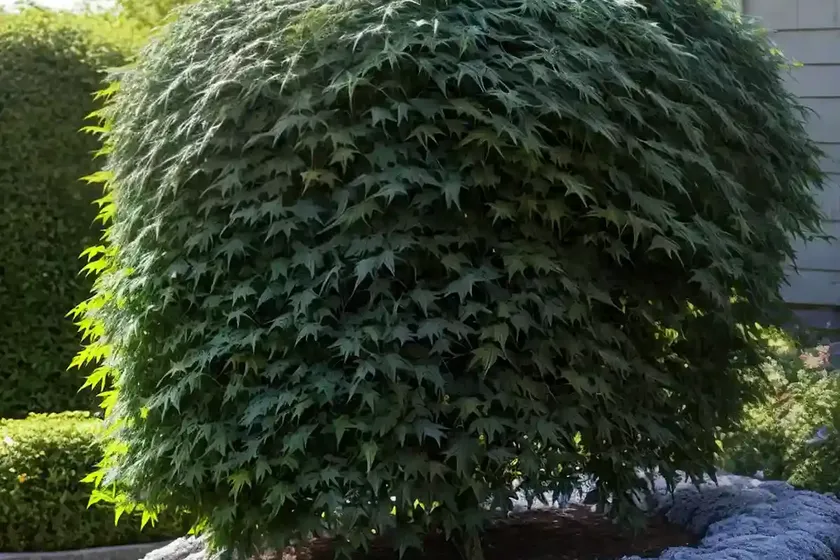
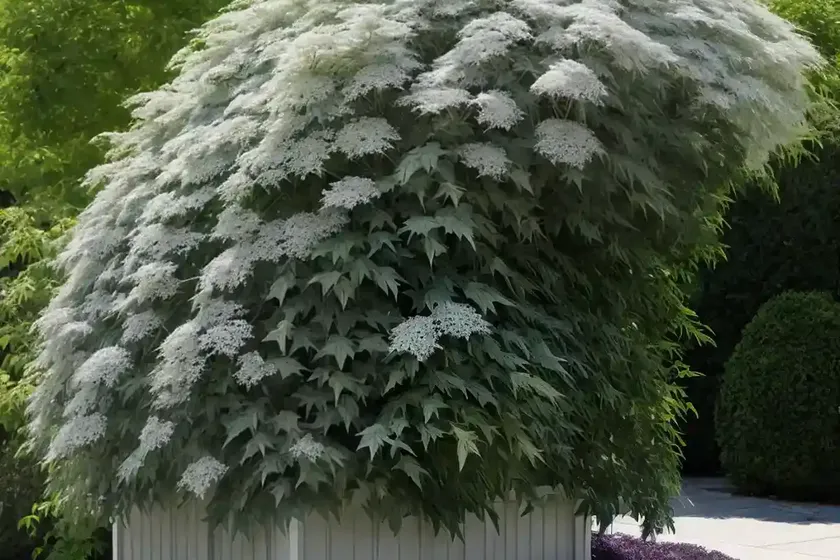
- It boasts showy, lace-like foliage and clusters of attractive, creamy-white flowers that transform into clusters of dark purple fruits.
- This variety of elderberry is well-suited to a wide range of habitats and has numerous practical applications, particularly in landscaping and culinary pursuits.
Now, let’s embark on an in-depth exploration of the American elderberry, unraveling its cultural significance, uses, and care guidelines.
Culture
The American elderberry (Sambucus canadensis ‘Laciniata’) is a plant deeply rooted in the culture and folklore of various societies. It has been celebrated for its beauty, practicality, and medicinal properties, contributing to its enduring legacy.
Uses
Landscaping
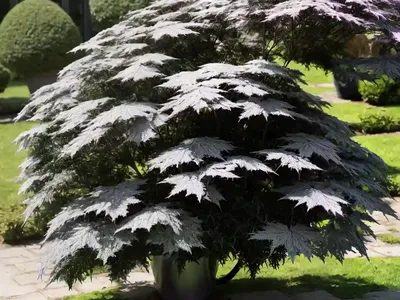
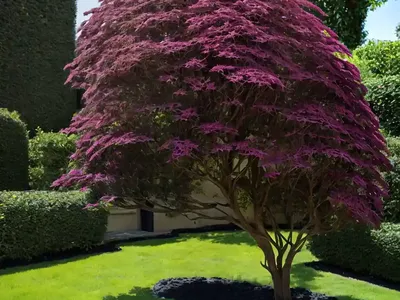
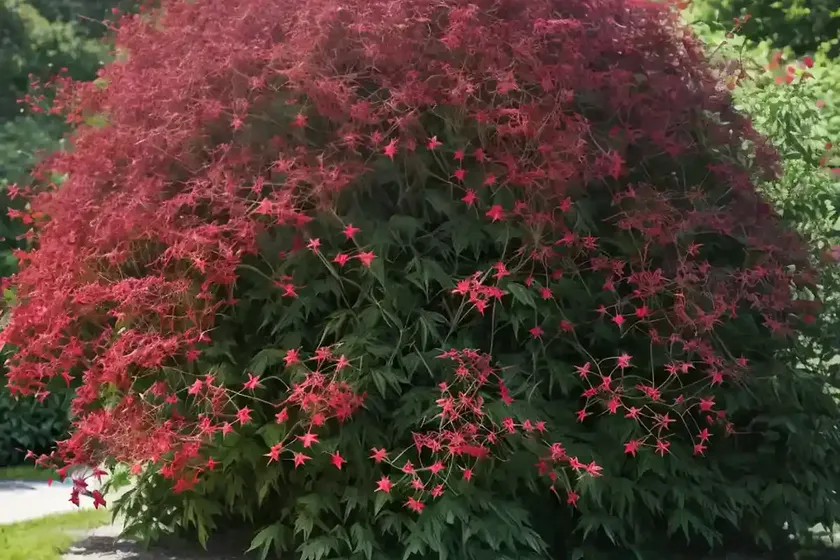
The American elderberry is prized for its aesthetic appeal and is commonly used in landscaping for its striking foliage, flowers, and fruits. Its delicate, lace-like leaves add visual interest to gardens, and the dense clusters of white flowers followed by deep purple berries offer a unique decorative element.
Culinary Applications
The fruits of the American elderberry are used in the preparation of jams, jellies, syrups, and wines. Moreover, elderflowers are utilized in the creation of cordials and teas, offering a delicate and distinctive flavor. The plant’s culinary applications make it a sought-after addition to home gardens and commercial orchards.
Medicinal Properties
American elderberries are rich in antioxidants and flavonoids, and their consumption is associated with various health benefits. They are used in traditional medicine to support immune function and alleviate symptoms of colds and flu. Furthermore, elderberry supplements are popular for their potential antiviral properties, contributing to their widespread use in natural health remedies.
Plant Care
Cultivating American elderberries requires attention to several key factors, including water, sunlight, fertilizer, soil, pruning, propagation, and container considerations. Nurturing these plants effectively ensures their optimal growth and productivity.
Water
Routinely moist, well-drained soil is crucial for the healthy development of American elderberries. While they are relatively tolerant of occasional dry spells, consistent watering is necessary, particularly during hot and arid conditions. Adequate irrigation supports robust growth and facilitates the production of bountiful fruits.
Sunlight
American elderberries thrive in full sun to partial shade, ideally receiving at least 6 hours of direct sunlight daily. They are adaptable plants that can flourish in various light conditions, but they perform best when exposed to ample sunlight, which promotes vigorous growth and abundant flowering and fruiting.
Fertilizer
Applying a balanced fertilizer in the spring, before the onset of new growth, can enhance the vigor and yield of American elderberries. A slow-release fertilizer that supplies essential nutrients is advantageous, as it encourages strong root development and sustains the plant throughout the growing season. Furthermore, organic amendments, such as compost, contribute to soil enrichment and overall plant health.
Soil
Well-drained, loamy soil with a slightly acidic to neutral pH is favorable for American elderberries. They exhibit adaptability to a range of soil types, as long as excessive moisture is avoided. Amending the soil with organic matter and ensuring good drainage are crucial considerations for successful elderberry cultivation.
Pruning
Pruning is instrumental in shaping American elderberries and maintaining their vitality. It is recommended to prune them during the dormant season, removing dead or weak branches and stimulating new growth. Proper pruning practices promote airflow, minimize disease susceptibility, and optimize fruit production.
Propagation
American elderberries can be propagated through various methods, including hardwood cuttings, softwood cuttings, and division. Each technique has its advantages and is employed based on the desired outcome and prevailing conditions. Propagation enables the expansion of elderberry populations and the establishment of new plantings.
Container Popularity
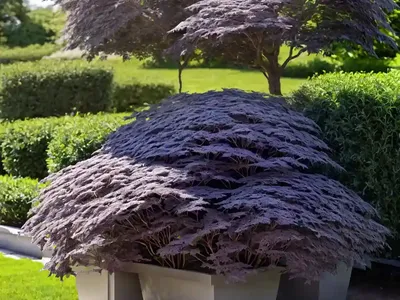
American elderberries are well-suited to container cultivation, offering a practical solution for limited space or suboptimal growing environments. Growing them in containers demands attention to water and soil management, as well as regular repotting to accommodate their expanding root systems.
Common Diseases
Maintaining the health and vigor of American elderberries requires vigilance against potential diseases that may afflict these plants. Several common diseases pose a threat to elderberries, necessitating proactive management measures.
Disease Diagnosis
The American elderberry is susceptible to several diseases, including powdery mildew, leaf spot, and cankers. Identifying the characteristic symptoms of each disease is crucial for accurate diagnosis and targeted treatment. Regular inspection of the foliage and stems facilitates early detection and intervention, minimizing the impact of diseases on plant health.
Common Pests
Pests can pose a considerable challenge to the well-being of American elderberries, necessitating vigilant monitoring and appropriate control strategies. Identifying prevalent pests and implementing preventive measures is essential for safeguarding the plants from infestation.
Botanist’s Tips
In caring for American elderberries, it is advisable to adhere to best practices that optimize their growth and productivity. Consider these expert tips to promote the health and resilience of elderberry plants:
- Monitor soil moisture levels to ensure consistent hydration without waterlogging.
- Provide sufficient airflow around the plants by spacing them adequately and practicing diligent pruning.
- Apply a layer of organic mulch around the base of the plants to retain soil moisture and inhibit weed growth.
- Incorporate pollinator-friendly plant companions to enhance pollination and fruit set in elderberry orchards or gardens.
Fun Facts
- The American elderberry has a rich cultural history, featuring prominently in the folklore and traditions of various cultures around the world.
- The elderberry shrub has long been revered for its ornamental and practical attributes, captivating the imaginations of gardeners, herbalists, and culinary enthusiasts alike.
- American elderberries play a vital role in supporting wildlife, providing nourishment for birds and serving as a habitat for diverse insect species.
Links to External Resources
For further information on American elderberries, explore the following resources:
- The American Elderberry: A Promising Addition to the Commercial Berry Farm
- Growing Elderberries: A Production Manual and Enterprise Viability Guide for Vermont and the Northeast
In conclusion, the American elderberry (Sambucus canadensis ‘Laciniata’) is an enthralling plant with a rich tapestry of uses, cultural significance, and practical benefits. By understanding its unique characteristics and providing attentive care, individuals can foster the growth of these remarkable shrubs and reap the rewards of their ornamental, culinary, and ecological value.
I hope this comprehensive guide has provided valuable insights into the captivating world of American elderberries, empowering enthusiasts to cultivate and appreciate these remarkable plants.