Black-eyed Susan (Rudbeckia ‘American Gold Rush’)
Plants, both wild and cultivated, play a significant role in shaping the beauty of our gardens and landscapes. Among these, the black-eyed Susan (Rudbeckia.



Introduction
Plants, both wild and cultivated, play a significant role in shaping the beauty of our gardens and landscapes. Among these, the black-eyed Susan (Rudbeckia ‘American Gold Rush’) stands out as a particularly stunning and versatile species. Its vibrant and iconic blossoms, along with its adaptability and ease of care, make it a favorite among gardeners. In this in-depth guide, we will explore everything there is to know about the cultivation, characteristics, and care of the black-eyed Susan (Rudbeckia ‘American Gold Rush’), from its cultural significance to its maintenance and propagation.
What is Plant: Black-Eyed Susan (Rudbeckia ‘American Gold Rush’)?
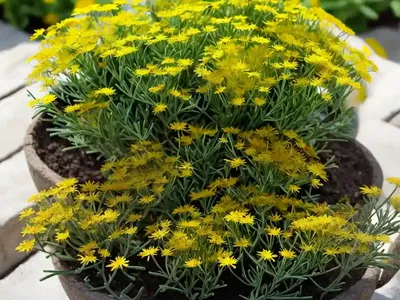
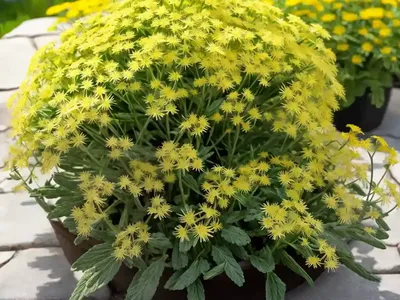
The black-eyed Susan (Rudbeckia ‘American Gold Rush’), a member of the Asteraceae family, is a perennial flowering plant known for its bright yellow, daisy-like flowers with dark centers. It is a cultivar of the native North American black-eyed Susan, also known as Rudbeckia hirta. This cultivar, ‘American Gold Rush’, is prized for its compact growth habit, extended blooming period, and improved disease resistance.
Key Takeaways – Black-Eyed Susan (Rudbeckia ‘American Gold Rush’)
Let’s delve into the specific aspects of the black-eyed Susan (Rudbeckia ‘American Gold Rush’) that will guide its successful cultivation and care.
Culture
- Genus: Rudbeckia
- Species: hirta
- Cultivar: ‘American Gold Rush’
- Hardiness Zone: 4-9
- Type: Herbaceous perennial
Uses
- Garden Bed: Borders, wild gardens, and mixed plantings
- Cut Flowers: Long-lasting in bouquets and floral arrangements
- Pollinator Garden: Attracts bees, butterflies, and other pollinators
Water
- Watering Frequency: Moderate, well-drained soil
- Drought Tolerance: High, once established
Sunlight
- Light Requirements: Full sun to partial shade
- Sun Tolerance: Thrives in sunny locations
Fertilizer
- Fertilization: Minimal requirements, optional slow-release fertilizer
Soil
- Soil Type: Well-drained, fertile soil
- pH: Neutral to slightly acidic
- Texture: Tolerant of various soil types
Pruning
- Deadheading: Encourages prolonged flowering
- Pruning: Optional for shaping and rejuvenation
- Division: Every 2-3 years to rejuvenate plants
Propagation
- Propagation: Seeds, division
- Seed Collection: Allow seed heads to mature and dry on the plant
- Division: Spring or early fall
Container
- Container Growing: Suitable for large containers
- Soil: Well-drained potting mix
- Maintenance: Regular watering and occasional fertilization
Popularity
- Landscape Use: Adored for its bright blooms and adaptability
- Garden Design: Versatile and harmonizes with many plants
Black-Eyed Susan (Rudbeckia ‘American Gold Rush’) Plant Characteristics
The black-eyed Susan (Rudbeckia ‘American Gold Rush’) exhibits several distinctive characteristics that contribute to its allure in gardens and landscapes.
- Flower Color: Yellow petals with dark brown to black centers
- Flower Shape: Daisy-like with prominent cone centers
- Growth Habit: Compact and bushy, upright stems
- Foliage: Dark green, lance-shaped leaves
- Height: 18-24 inches
- Spread: 18-24 inches
- Blooming Period: Summer to early fall
- Longevity: Perennial, blooms year after year
Rudbeckia ‘American Gold Rush’ Planting Guide
The successful cultivation of the black-eyed Susan (Rudbeckia ‘American Gold Rush’) hinges upon providing the ideal conditions for its growth and development. Follow these comprehensive guidelines for planting and nurturing this captivating perennial.
Best Conditions for Growing Black-Eyed Susan
- Hardiness: Suitable for USDA Hardiness Zones 4-9
- Sunlight: Full sun is optimal, with some tolerance to partial shade
- Soil: Well-drained, fertile soil with neutral to slightly acidic pH
- Water: Moderate watering, allowing soil to dry out between waterings
- Spacing: Plant 18-24 inches apart to allow for adequate air circulation
Tips for Successful Rudbeckia ‘American Gold Rush’ Cultivation
- Site Selection: Choose a sunny location with well-drained soil
- Planting Depth: Set plants at the same depth as their nursery containers
- Mulching: Apply a layer of organic mulch to conserve moisture and suppress weeds
- Fertilization: Minimal requirements; apply a balanced fertilizer in spring if needed
Rudbeckia ‘American Gold Rush’ Maintenance
- Deadheading: Remove spent flowers to promote continuous blooming
- Division: Rejuvenate crowded clumps by dividing every 2-3 years
- Pruning: Trim back stems after flowering to encourage compact growth
Black-Eyed Susan Flower Facts
The charming flowers of the black-eyed Susan (Rudbeckia ‘American Gold Rush’) showcase several interesting facts that highlight its appeal in gardens and landscapes.
- Native Charm: Native to North America and a favorite in wildflower meadows
- Attracts Pollinators: Draws bees, butterflies, and other beneficial insects
- Long-Lasting Blooms: Provides extended floral displays from summer to early fall
- Cut Flowers: Ideal for bouquets and floral arrangements, offering vibrant color
Growing Rudbeckia ‘American Gold Rush’ from Seeds
The propagation of the black-eyed Susan (Rudbeckia ‘American Gold Rush’) through seeds is a rewarding and cost-effective method for expanding its presence in your garden or landscape.
- Seed Collection: Allow seed heads to dry on the plant until they turn brown and mature
- Harvesting: Collect seeds when they are fully dry to ensure viability
- Sowing: Start seeds indoors in early spring or directly sow them in the garden
- Germination: Requires consistent moisture and warmth for successful sprouting
Black-Eyed Susan Perennial vs. Annual
The black-eyed Susan (Rudbeckia ‘American Gold Rush’) serves as a resilient and enduring perennial in garden settings, offering numerous benefits compared to annuals.
- Longevity: Perennial nature ensures blooms year after year, unlike annuals that require replanting
- Establishment Time: Perennials may take longer to establish but provide consistent blooms in subsequent years
- Low Maintenance: Perennials demand less labor and resources after initial planting compared to annuals
Rudbeckia ‘American Gold Rush’ Watering Requirements
Understanding the specific watering needs of black-eyed Susan (Rudbeckia ‘American Gold Rush’) is paramount for maintaining its health and vitality.
- Moderate Watering: Water deeply when the soil begins to dry, providing around 1 inch of water per week
- Established Plants: Once established, black-eyed Susans exhibit high drought tolerance
- Avoid Overwatering: Ensure good drainage to prevent waterlogging, particularly in heavy soils
Pruning Black-Eyed Susan Plants
Pruning plays a crucial role in enhancing the appearance of black-eyed Susan (Rudbeckia ‘American Gold Rush’) plants and promoting their overall vigor.
- Deadheading: Remove spent flowers to encourage continuous blooming and prevent self-seeding
- Trimming: Cut back stems after flowering to maintain a compact and tidy appearance
- Division: Rejuvenate crowded clumps by division every 2-3 years, ideally in early spring or early fall
Rudbeckia ‘American Gold Rush’ Disease Resistance
The robust and disease-resistant nature of the black-eyed Susan (Rudbeckia ‘American Gold Rush’) makes it an invaluable addition to gardens, where it thrives with minimal intervention.
- Resistance: Exhibits good resistance to most common plant diseases, including powdery mildew and leaf spot
- Disease Prevention: Ensure proper spacing, adequate air circulation, and soil drainage to prevent disease development
- Sanitation: Remove and dispose of any diseased plant materials to prevent the spread of infections
Black-Eyed Susan Soil Preferences
Understanding the soil preferences of black-eyed Susan (Rudbeckia ‘American Gold Rush’) is instrumental in providing the appropriate growing conditions for this exceptional perennial.
- Drainage: Requires well-drained soil to prevent waterlogging and root rot
- Fertility: Thrives in fertile soil, though it can tolerate various soil types if well-drained
- pH Range: Neutral to slightly acidic pH (6.0-7.0) is ideal for optimal growth and nutrient uptake
Rudbeckia ‘American Gold Rush’ Companion Plants
Pairing black-eyed Susan (Rudbeckia ‘American Gold Rush’) with compatible companion plants enhances its visual appeal and ecological benefits, creating harmonious and biodiverse plant communities.
- Grasses: Ornamental grasses such as feather reed grass (Calamagrostis) and switchgrass (Panicum) accentuate the textural contrast and movement in the garden
- Purple Coneflower: Combines beautifully with purple coneflower (Echinacea purpurea) for a striking color combination and mutual attraction of pollinators
- Asters: Late-season asters complement black-eyed Susans, extending the floral display well into autumn and attracting late-season pollinators
Pests that Affect Black-Eyed Susan
Despite its resilience, the black-eyed Susan (Rudbeckia ‘American Gold Rush’) may encounter a few pests that can potentially impact its health and appearance.
- Japanese Beetles: These voracious pests may feed on the foliage and flowers, causing unsightly damage
- Slugs and Snails: These mollusks can feed on tender leaves and flowers, particularly in moist conditions
- Aphids: These sap-sucking insects may infest new growth, leading to deformation and honeydew secretion
Botanist’s Tips
Horticultural experts share valuable tips and insights for cultivating and caring for the black-eyed Susan (Rudbeckia ‘American Gold Rush’) based on their extensive experience and expertise.
- Optimal Conditions: Provide the best conditions of sunlight, soil, and water to encourage robust growth and prolific flowering
- Deadheading: Regular deadheading enhances floral displays and prevents self-seeding, promoting a lush and tidy appearance
- Division: Divide clumps every few years to rejuvenate plants, improve vigor, and maintain their compact form
- Companion Planting: Consider the ecological and aesthetic benefits of companion plants when designing planting schemes featuring black-eyed Susans
Fun Facts
Uncover fascinating and delightful facts about the black-eyed Susan (Rudbeckia ‘American Gold Rush’) that add to its allure and appeal.
- This cultivar, ‘American Gold Rush’, was introduced in 2017 by Intrinsic Perennial Gardens and has quickly gained popularity for its vibrant blooms and disease resistance.
- The black-eyed Susan, with its iconic flowers, is the state flower of Maryland and a beloved perennial throughout North America.
- Black-eyed Susans are used as a symbol of encouragement and motivation, making them a popular gift for friends and loved ones.
Links to External Resources
For further exploration and in-depth information about the black-eyed Susan (Rudbeckia ‘American Gold Rush’), refer to the following external resources:
- University of Maryland Extension – Home & Garden Information Center
- The National Gardening Association – Plant Care Guides
- The Royal Horticultural Society – Rudbeckia
- North Carolina State University – Black-Eyed Susan Production Guide
Conclusion
The black-eyed Susan (Rudbeckia ‘American Gold Rush’) stands as a testament to the beauty and resilience of native North American plants. Its vivid blooms, adaptability, and low maintenance requirements make it a cherished addition to gardens, landscapes, and wildflower meadows. By implementing the insights and recommendations provided in this comprehensive guide, both novice and experienced gardeners can successfully cultivate and care for this exceptional perennial, enriching their outdoor spaces with its radiant charm and ecological benefits.