The Fascinating World of Coneflower (Rudbeckia grandiflora ‘Sundance’)
In the vast and diverse realm of ornamental plants, coneflowers stand out for their beauty, hardiness, and ecological importance. Among the numerous coneflower varieties available, one particularly striking cultivar is the Rudbeckia grandiflora ‘Sundance’. In this comprehensive guide, we will delve into the enchanting world of this charismatic coneflower variety and explore its key attributes, cultural requirements, uses, and more.
What is Coneflower (Rudbeckia grandiflora ‘Sundance’)?
Rudbeckia grandiflora, commonly known as coneflower, is a perennial flowering plant in the Asteraceae family. Within the coneflower species, ‘Sundance’ is a specific cultivar celebrated for its vibrant blooms and resilience. As a sun-loving perennial, it adds a splash of color to gardens, attracts pollinators, and serves various horticultural, ecological, and medicinal purposes.
Key Takeaways – Coneflower (Rudbeckia grandiflora ‘Sundance’)
Before we dive into the specific details of ‘Sundance’ coneflowers, let’s highlight a few key aspects of this captivating plant:
- Coneflower Colors: ‘Sundance’ coneflowers are characterized by their striking golden-yellow petals and prominent dark brown to black central cones, creating a visually appealing contrast.
- Garden Benefits: These plants are prized for their ability to attract pollinators such as butterflies and bees, contributing to the biodiversity and ecological balance of gardens.
- Cultural Resilience: Rudbeckia grandiflora ‘Sundance’ exhibits exceptional hardiness, thriving in various environmental conditions and requiring minimal maintenance.
- Medicinal Significance: Beyond their ornamental value, coneflowers, including ‘Sundance’, have been utilized in traditional medicine for their potential health benefits.
Now, let’s explore the intricate details of ‘Sundance’ coneflowers, encompassing their culture, uses, and the intricate mechanisms that contribute to their growth and resilience.
Culture
Coneflowers, including the ‘Sundance’ variety, have specific cultural requirements that foster their optimal growth and visual appeal. Understanding these cultural aspects is fundamental for cultivating vigorous and aesthetically pleasing Rudbeckia grandiflora ‘Sundance’ plants.
Water
- Watering Needs: ‘Sundance’ coneflowers prefer moderate moisture levels. Adequate watering is crucial, especially during the initial establishment phase and periods of drought.
- Avoid Waterlogging: While these plants appreciate well-drained soil, waterlogging should be prevented to avoid potential root rot and other moisture-related issues.
Sunlight
- Sun-loving nature: As sun-loving perennials, ‘Sundance’ coneflowers thrive in bright, full sunlight. They exhibit improved flowering and overall vigor when provided with ample sunlight.
Fertilizer
- Balanced Nutrition: Incorporating a balanced, slow-release fertilizer during the growing season can enhance the growth and flowering potential of ‘Sundance’ coneflowers.
- Organic Amendments: The addition of organic matter, such as compost, promotes soil fertility and contributes to the overall health of the plants.
Soil
- Well-drained Soil: ‘Sundance’ coneflowers favor well-drained, loamy soils that offer a good balance of moisture retention and drainage.
- pH Preferences: A slightly acidic to neutral soil pH range (pH 6.0-7.5) is conducive to the optimal development of these coneflowers.
Pruning
- Deadheading: Regular deadheading of spent blossoms not only maintains the plant’s visual appeal but also encourages continuous blooming.
- Dividing: Periodic division of mature clumps can rejuvenate the plants and prevent overcrowding, thus promoting healthier growth.
Propagation
- Division: ‘Sundance’ coneflowers can be propagated effectively through division, especially during the early spring or fall.
- Seed Propagation: Collecting and sowing seeds from mature plants can also serve as a method of propagating new ‘Sundance’ coneflowers.
Container Popularity
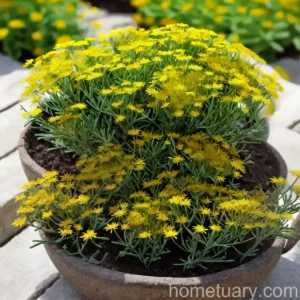
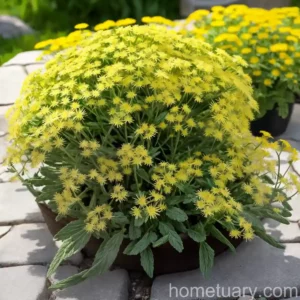
- Container Gardening: ‘Sundance’ coneflowers can thrive in containers, making them suitable for various gardening spaces, including balconies and patios.
- Aesthetic Appeal: Their bright blooms and manageable growth habits render them as charming additions to container gardens.
Common Diseases
Coneflowers, including the ‘Sundance’ variety, may encounter specific disease challenges that require preventive measures and timely interventions for effective management.
Disease Diagnosis
- Fungal Diseases: Common fungal infections, such as powdery mildew and leaf spot, can affect ‘Sundance’ coneflowers, necessitating proper diagnosis and targeted control measures.
- Bacterial Issues: Certain bacterial diseases might pose threats to the health of these plants, highlighting the importance of prompt identification and remediation.
Common Pests
- Aphids and Thrips: These sap-feeding insects can occasionally infest ‘Sundance’ coneflowers, potentially causing wilting and distorted growth.
- Caterpillars: Some caterpillar species may feed on coneflower foliage, necessitating attention to prevent extensive damage.
Botanist’s Tips
As a seasoned plant scientist, I offer the following tips to aid in the successful cultivation and enjoyment of ‘Sundance’ coneflowers:
- Consistent Monitoring: Regularly observe the plants for any signs of stress, disease, or pest infestation to facilitate early intervention and maintain plant health.
- Mulching Benefits: Applying an organic mulch layer around the base of ‘Sundance’ coneflowers can help conserve soil moisture and suppress weed growth, contributing to the plants’ overall vitality.
- Ecological Considerations: Embrace the ecological significance of coneflowers and their role in supporting beneficial pollinators, reaffirming their value in garden ecosystems.
Fun Facts
Uncover some captivating and lesser-known facts about ‘Sundance’ coneflowers that reveal the depth of their beauty and significance:
- Native Appeal: Rudbeckia grandiflora, the species to which ‘Sundance’ belongs, is native to parts of North America, adding a touch of regional heritage to garden landscapes.
- Enhanced longevity: ‘Sundance’ coneflowers can exhibit extended blooming periods, thereby prolonging their visual impact and allure in garden settings.
- Medicinal Legacy: Traditionally, coneflowers have been utilized for their potential medicinal properties, serving as a testament to their historical and cultural significance.
Links to External Resources
To further expand your knowledge and appreciation of ‘Sundance’ coneflowers, consider exploring the following external resources:
- The Royal Horticultural Society’s Guide to Rudbeckia grandiflora ‘Sundance’
- University of Maryland Extension – Coneflowers: A Growing Guide
- American Society for the Prevention of Cruelty to Animals (ASPCA) – Toxic and Non-Toxic Plants: Black-Eyed Susan
In conclusion, the captivating allure and ecological contributions of ‘Sundance’ coneflowers underscore their status as cherished garden denizens. From their striking blooms to their cultural resilience, these plants encapsulate the essence of ornamental and ecological appeal. Cultivating an understanding of their nuances and care requirements empowers enthusiasts to nurture and relish the splendor of ‘Sundance’ coneflowers in their natural and horticultural landscapes.