Weeping Buddleja (Rostrinucula dependens): A Botanical Marvel
Plants have always fascinated humanity with their beauty, resilience, and ecological importance. For centuries, gardeners and botanists have explored the diverse world of flora, discovering and cultivating unique and breathtaking species. One such botanical marvel is the Weeping Buddleja (Rostrinucula dependens). In this comprehensive guide, we will delve into the exquisite world of Weeping Buddleja, exploring its cultural significance, uses, care requirements, and ecological contributions.
What is Weeping Buddleja (Rostrinucula dependens)?
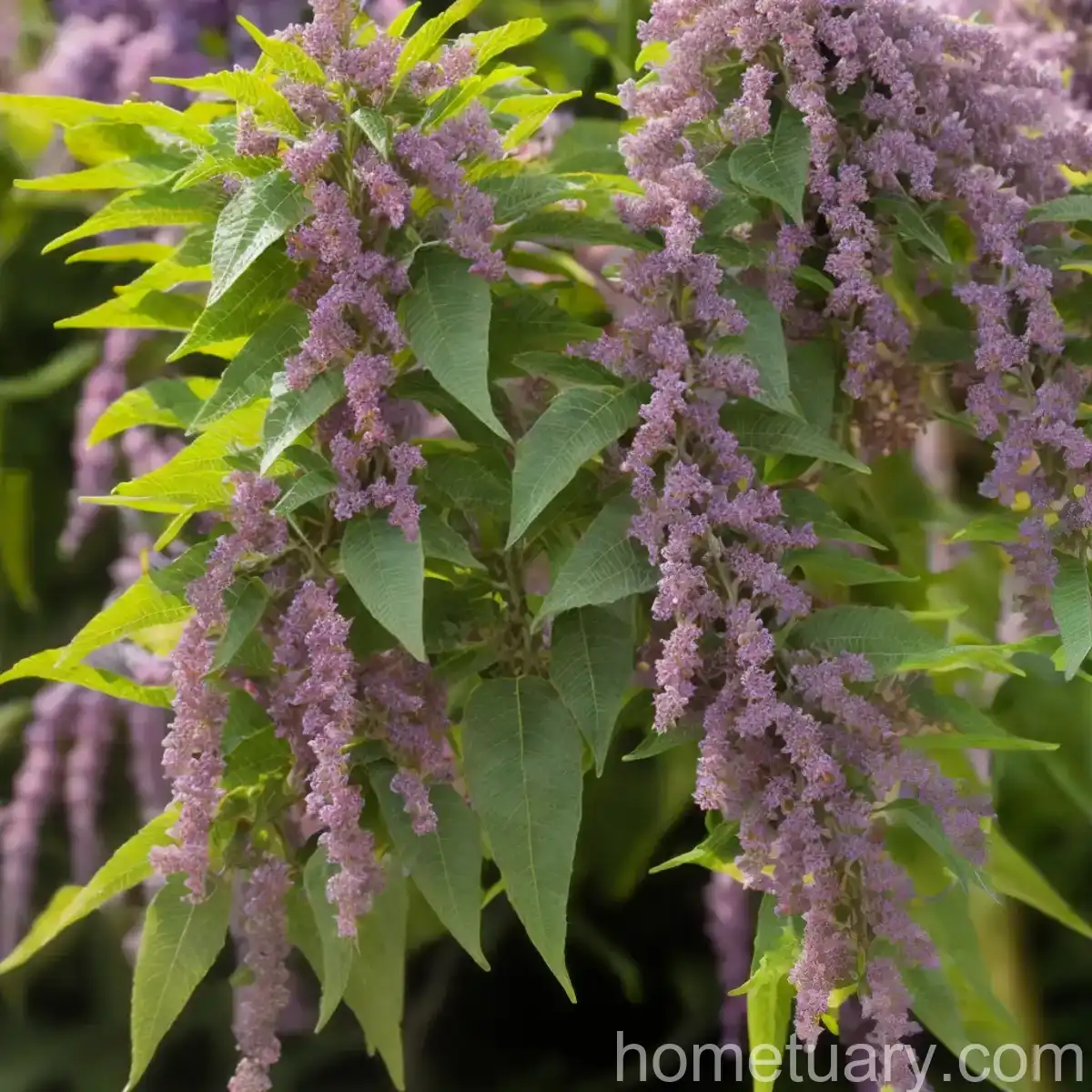
The Weeping Buddleja, scientifically known as Rostrinucula dependens, is a graceful and eye-catching shrub that belongs to the Lamiaceae family. This exceptional species is native to the woodlands of China and is celebrated for its cascading branches, aromatic foliage, and delicate blossoms. It is an excellent addition to gardens and landscapes, offering an elegant focal point and contributing to biodiversity by attracting pollinators.
Key Takeaways
Before we begin our journey into the world of Weeping Buddleja, let’s take a moment to highlight the key takeaways that we will explore in detail in the subsequent sections.
- Weeping Buddleja: An overview of its varieties and the unique characteristics of the Rostrinucula dependens species.
- Growing Weeping Buddleja: Insights into the cultural practices essential for nurturing this exquisite shrub.
- Weeping Buddleja in Garden Design: Exploring the uses of Weeping Buddleja in garden landscapes and design.
- Pruning, Propagation, and Container Gardening: Guidelines for pruning, propagation, and the potential of Weeping Buddleja in container gardening.
- Common Diseases and Pests: A comprehensive understanding of the potential diseases and pests that can affect Weeping Buddleja.
Now, let’s embark on our botanical exploration, beginning with the cultural aspects of Weeping Buddleja.
Culture
Understanding the cultural requirements of Weeping Buddleja is essential for fostering its optimal growth and health. From sunlight exposure to watering needs, each aspect plays a crucial role in nurturing this captivating shrub.
Uses
The Weeping Buddleja, with its elegant form and vibrant foliage, serves a multitude of purposes in landscaping and horticulture. Some of its key uses include:
- Ornamental Beauty: Weeping Buddleja serves as a striking addition to gardens, parks, and natural landscapes, enhancing their aesthetic appeal with its graceful cascading branches and vibrant blooms.
- Wildlife Attraction: The shrub’s blossoms attract pollinators such as butterflies and bees, contributing to the ecological balance of the surroundings.
- Focal Point in Garden Design: Due to its unique weeping habit and beautiful foliage, Weeping Buddleja often serves as a captivating focal point in garden designs, drawing attention and admiration.
Water
Weeping Buddleja, like many other plants, requires appropriate watering to thrive. Maintaining adequate soil moisture is vital, especially during the initial establishment phase and dry periods. However, it’s important to avoid waterlogging, as excessive moisture can lead to root rot and other water-related issues.
Sunlight
In its natural habitat, Weeping Buddleja thrives in partial to full sunlight. When cultivating this species, it’s crucial to provide it with sufficient sunlight exposure to promote healthy growth and prolific blooming. Planting in a location with dappled sunlight or partial shade can also be beneficial in certain climates.
Fertilizer
Applying a balanced and suitable fertilizer can significantly contribute to the overall health and vigor of Weeping Buddleja. A slow-release, organic fertilizer rich in nutrients such as nitrogen, phosphorus, and potassium can support robust growth and enhance the shrub’s flowering potential.
Soil
The soil composition and quality play a pivotal role in determining the well-being of Weeping Buddleja. Well-draining soil with a slightly acidic to neutral pH is ideal for this species. Amending the soil with organic matter can improve its structure and fertility, creating a conducive environment for the shrub’s roots.
Pruning
Regular pruning is essential for maintaining the health, shape, and blooming capacity of Weeping Buddleja. Proper pruning not only promotes new growth but also eliminates diseased or damaged branches, enhancing the overall appearance of the shrub.
Propagation
Propagating Weeping Buddleja can be achieved through various methods such as seed propagation, softwood cuttings, and division. Each technique offers its unique advantages and is suitable for different situations and preferences.
Container Gardening
Weeping Buddleja’s graceful form and manageable size make it an excellent candidate for container gardening. When grown in containers, it can serve as a stunning centerpiece on patios, balconies, and other outdoor spaces, adding a touch of natural beauty to urban environments.
Popularity
The popularity of Weeping Buddleja has been steadily on the rise, with gardeners, landscapers, and botanical enthusiasts recognizing its charm and ecological contributions. Its distinct weeping habit, vibrant blooms, and versatility make it a sought-after addition to diverse garden designs and landscapes.
Common Diseases
While Weeping Buddleja is relatively resilient, it is susceptible to certain diseases that can affect its overall health and appearance. Being aware of these potential issues and adopting preventive measures is crucial for safeguarding the well-being of the shrub.
Disease Diagnosis
Early diagnosis of plant diseases is vital for implementing timely intervention strategies. Visual symptoms such as leaf discoloration, wilting, and unusual growth patterns can indicate potential diseases, prompting the need for further examination and appropriate action.
Common Pests
Just like diseases, pests can pose a threat to the vitality of Weeping Buddleja. It’s important to be vigilant and proactive in addressing pest infestations to prevent significant damage to the shrub.
Botanist’s Tips
To truly appreciate and nurture the beauty of Weeping Buddleja, here are some exclusive tips from botanists and plant enthusiasts:
- Embrace the Weeping Form: Allow the natural weeping habit of Weeping Buddleja to flourish, as it contributes to the charm and elegance of the shrub.
- Prune with Precision: When pruning, ensure that cuts are made at a slight angle and just above a bud to encourage healthy regrowth and maintain the desired shape.
- Monitor Moisture Levels: Regularly check the soil moisture to prevent overwatering or underwatering, ensuring that the shrub receives the appropriate amount of water.
- Encourage Wildlife Interaction: Cultivate Weeping Buddleja in an eco-friendly manner, creating a welcoming environment for pollinators and other beneficial wildlife.
Fun Facts
Before we conclude our exploration of Weeping Buddleja, let’s uncover some fascinating fun facts about this enchanting shrub:
- Weeping Buddleja is a favored plant in butterfly gardens, attracting a variety of butterfly species with its nectar-rich blossoms.
- The aromatic foliage of Weeping Buddleja emits a pleasant fragrance, further enhancing its allure in garden settings.
- The species name, Rostrinucula dependens, reflects the distinctive weeping characteristic of the shrub, with “dependens” signifying its cascading form.
Links to External Resources
Exploring external resources can provide additional insights, guidance, and inspiration regarding Weeping Buddleja. Here are some valuable links to consider:
- The Royal Horticultural Society (RHS): A reputable source for plant information and cultivation advice.
- The Morton Arboretum: An extensive botanical garden and research institution with valuable resources on various plant species.
- Botanical Gardens and Arboreta: Local botanical gardens and arboreta often showcase Weeping Buddleja, providing opportunities for observation and learning.
In conclusion, Weeping Buddleja (Rostrinucula dependens) stands as a captivating symbol of natural beauty, resilience, and ecological importance. From its delicate blossoms to its elegant weeping form, this exceptional shrub continues to enchant and inspire individuals across the globe. As we strive to cultivate and conserve such botanical wonders, we contribute to the preservation of biodiversity and the celebration of nature’s finest creations.
Remember, whether it’s enhancing a garden landscape, attracting butterflies, or simply reveling in its enchanting presence, Weeping Buddleja holds the potential to imbue our lives with the magic of nature.
So as you embark on your botanical ventures, consider the grace and charm of Weeping Buddleja, and let it weave its beauty into the tapestry of your natural surroundings.
Happy gardening!