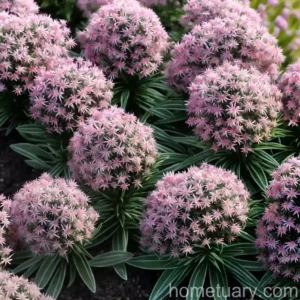
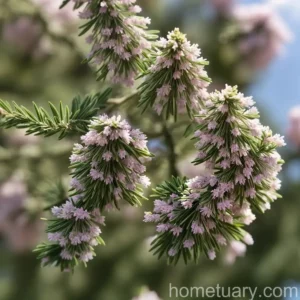
Azalea (Rhododendron ‘Girard’s Karen’)
What is Azalea (Rhododendron ‘Girard’s Karen’)?
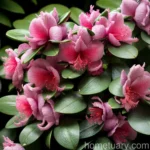
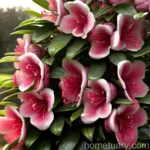
Azalea (Rhododendron ‘Girard’s Karen’) is a stunning and popular flowering plant that belongs to the Rhododendron genus. It is a hybrid variety that displays exceptional beauty through its vibrant flowers and is favored by gardeners for its ornamental value. The ‘Girard’s Karen’ cultivar is particularly renowned for its stunning flower colors, ease of cultivation, and adaptability to various growing conditions. In this comprehensive guide, we will delve into the key aspects of Azalea (Rhododendron ‘Girard’s Karen’) to provide insights into its culture, uses, care requirements, and much more.
Key Takeaways – Azalea (Rhododendron ‘Girard’s Karen’)
Before we delve into the detailed aspects of Azalea (Rhododendron ‘Girard’s Karen’), here are the key takeaways for quick reference:
- Botanical Name: Rhododendron ‘Girard’s Karen’
- Plant Type: Evergreen shrub
- Flower Color: Varied shades of pink, red, or white
- Best Growing Zones: Typically suited for USDA hardiness zones 6 to 9
- Key Features: Stunning flower displays, compact growth habit
- Popular Uses: Ornamental garden plant, landscape borders, container gardening
- Notable Attributes: Adaptable, low maintenance, prolific bloomer
Now, let’s explore the various aspects of Azalea (Rhododendron ‘Girard’s Karen’) in more detail.
Culture
Azalea (Rhododendron ‘Girard’s Karen’) is a plant with rich cultural significance in the world of horticulture. Let’s unpack the cultural aspects associated with this beautiful flowering shrub.
Uses
The primary uses of Azalea (Rhododendron ‘Girard’s Karen’) revolve around its ornamental value. Here are some common uses:
- Garden Landscapes: Azaleas are often used to enhance garden landscapes, particularly in mixed borders, woodland gardens, or as standalone specimens.
- Container Gardening: The compact growth habit of ‘Girard’s Karen’ makes it well-suited for container gardening, adding vibrant splashes of color to patios, balconies, and terraces.
- Floral Displays: The distinctive and abundant blooms make Azalea (Rhododendron ‘Girard’s Karen’) a favored choice for creating visually captivating floral displays in gardens and public spaces.
Water
Azaleas, including the ‘Girard’s Karen’ cultivar, have specific water requirements to thrive. The following points outline essential considerations for watering Azalea plants:
- Adequate Moisture: Azaleas prefer moist, well-draining soil to support healthy growth and flowering. It’s crucial to ensure consistent soil moisture, especially during the flowering period and dry spells.
- Avoid Waterlogging: While Azaleas require consistent moisture, they are sensitive to waterlogging. Excessively wet soil can lead to root rot, so it’s essential to strike a balance and prevent water accumulation around the plant’s root zone.
Sunlight
Sunlight plays a pivotal role in the growth and blooming of Azalea (Rhododendron ‘Girard’s Karen’). Here are the key considerations regarding sunlight exposure for ‘Girard’s Karen’ Azalea plants:
- Partial Shade Preference: ‘Girard’s Karen’ Azaleas thrive in locations with partial shade, where they receive filtered sunlight or dappled shade throughout the day. This is particularly important to prevent scorching of the leaves and flowers.
- Morning Sun, Afternoon Shade: In regions with hot climates, providing morning sun and afternoon shade can help protect the plants from excessive heat, ensuring optimal growing conditions.
Fertilizer
Fertilization is a crucial aspect of Azalea care, supporting the plant’s nutritional needs and blooming capacity. Consider the following points when fertilizing ‘Girard’s Karen’ Azaleas:
- Acidic Fertilizer: Azaleas require acidic soil conditions. Therefore, it’s essential to use fertilizers specifically formulated for acid-loving plants, or those specifically designed for Azaleas and Rhododendrons.
- Balanced Formulation: A balanced, slow-release fertilizer with a formulation such as 10-10-10 can be suitable for Azaleas. It’s important to follow the recommended application rates to avoid over-fertilization, which can adversely impact the plants.
Soil
The right soil conditions are vital for the health and vigor of Azalea (Rhododendron ‘Girard’s Karen’). Consider the following soil-related aspects when cultivating ‘Girard’s Karen’ Azaleas:
- Acidic pH: Azaleas thrive in soil with a moderately acidic pH ranging between 4.5 and 6.0. Amending the soil with organic matter such as peat moss can help maintain the required acidity levels.
- Well-Draining Texture: Azaleas prefer well-draining, loose soil to prevent waterlogging, which can be detrimental to their root health. Adding organic mulch can improve soil structure and moisture retention.
Pruning
Pruning is an essential maintenance practice for Azaleas, including the ‘Girard’s Karen’ variety. Here are considerations for pruning ‘Girard’s Karen’ Azaleas:
- Pruning Time: Azaleas can be pruned after flowering, typically in late spring or early summer. This timing allows the plants to recover and set new buds for the following year’s blooms.
- Deadheading spent flowers and light shaping of the shrub can help maintain its compact form and encourage vigorous growth.
Propagation
The propagation of Azalea (Rhododendron ‘Girard’s Karen’) can be achieved through various methods. Consider the following propagation techniques:
- Stem Cuttings: Propagating Azaleas from stem cuttings is a common method. Select healthy, non-flowering stems, and root them in a suitable rooting medium to establish new plants.
- Layering: Air layering is another propagation technique suitable for Azaleas. This involves inducing roots to develop on a stem while it is still attached to the parent plant, and then separating it to form a new individual.
Container Popularity
Azaleas, including the ‘Girard’s Karen’ variety, are popular choices for container gardening. Here’s why they are well-suited for container cultivation:
- Compact Size: The relatively compact size of Azalea (Rhododendron ‘Girard’s Karen’) makes it a perfect candidate for container gardening, allowing urban and space-limited gardeners to enjoy their stunning blooms.
- Versatile Displays: Azaleas in containers can be used to create vibrant focal points on patios, decks, and other outdoor spaces, adding a touch of elegance and beauty.
Common Diseases
Disease Diagnosis
Azaleas, including the ‘Girard’s Karen’ variety, are susceptible to several diseases. Here are common diseases and methods for diagnosis:
- Powdery Mildew: Symptoms include a powdery white coating on leaves, often accompanied by stunted growth and abnormal leaf development.
- Leaf Spot: Circular spots on leaves, often with a darker border, are indicative of leaf spot diseases. Leaf yellowing and premature leaf drop may also occur.
- Phytophthora Root Rot: Yellowing or wilting foliage, coupled with reduced vigor and overall decline, can signal the presence of root rot caused by Phytophthora.
Common Pests
Azaleas can also fall victim to various pests that can affect their health and aesthetics. Here’s a look at some common pests and their control methods:
- Azalea Lace Bug: These small insects can cause stippling and discoloration on the leaves. Control measures include insecticidal soaps and horticultural oils.
- Spider Mites: Infestations of spider mites can lead to fine webbing on the foliage and visible stippling. Miticides or predatory mites can help manage spider mite populations.
Botanist’s Tips
As a botanist, here are some tips and insights to help with the successful cultivation and care of Azalea (Rhododendron ‘Girard’s Karen’):
- Soil Testing: Regular soil testing can provide valuable information about the pH and nutrient levels in the soil, allowing for appropriate adjustments to create optimal growing conditions for Azaleas.
- Mulching: Applying a layer of organic mulch around Azalea plants can help conserve soil moisture, suppress weed growth, and enhance soil structure, contributing to the overall health of the plants.
- Seasonal Care: Pay attention to seasonal variations in care requirements. For example, providing adequate winter protection, such as mulching and windbreaks, is essential for Azaleas in colder climates.
Fun Facts
To conclude our exploration of Azalea (Rhododendron ‘Girard’s Karen’), here are some intriguing and fun facts about this captivating plant:
- The word “Azalea” is derived from the Greek word “azaleos,” which means “dry,” in reference to the plant’s preference for well-draining soil.
- Azaleas belong to the same family as blueberries and cranberries, known as the Ericaceae family.
- Some Azalea species have been used in traditional medicine for their purported therapeutic properties, although caution should always be exercised with the use of plant-based remedies.
As we’ve journeyed through the captivating world of Azalea (Rhododendron ‘Girard’s Karen’), it’s clear that this flowering shrub holds immense horticultural and aesthetic value. From its stunning blooms to its adaptable nature, ‘Girard’s Karen’ Azalea continues to captivate and inspire both novice and experienced gardeners alike.
In conclusion, the careful cultivation and care of Azalea (Rhododendron ‘Girard’s Karen’) can yield bountiful rewards in the form of vibrant floral displays, adding a touch of elegance and enchantment to gardens and outdoor spaces.
References:
- American Rhododendron Society. (n.d.). Azalea & Rhododendron: Planting, Care & Maintenance. Retrieved from https://www.rhododendron.org/azalea.htm
- Clemson University Cooperative Extension Service. (n.d.). Azalea & Rhododendron Care for the Homeowner. Retrieved from https://hgic.clemson.edu/factsheet/azalea-rhododendron-care-for-the-homeowner/
- North Carolina State University Cooperative Extension. (2006). Azaleas in the Landscape. Retrieved from https://content.ces.ncsu.edu/azaleas-in-the-landscape
- University of Florida IFAS Extension. (2021). Azaleas in the Landscape. Retrieved from https://edis.ifas.ufl.edu/publication/ep001
- University of Georgia Cooperative Extension. (n.d.). Azaleas. Retrieved from https://extension.uga.edu/publications/detail.html?number=C943#Shade%20Problem%20Solvers%20Sun%20Loving%20Azaleas