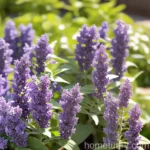
Understanding Mealycup Sage (Salvia farinacea ‘Fairy Queen’)
In the world of ornamental and perennial plants, Salvia farinacea ‘Fairy Queen’, commonly known as mealycup sage, is a stunning addition to any garden space. With its striking blue flowers and adaptability, this plant has captivated the hearts of many gardeners and plant enthusiasts.
What is Mealycup Sage (Salvia farinacea ‘Fairy Queen’)?
Mealycup sage, scientifically known as Salvia farinacea ‘Fairy Queen’, is a member of the Lamiaceae family. It is a native Texas plant and is admired for its vibrant and long-lasting deep blue flowering spikes. This perennial herb produces beautiful, aromatic flowers that attract various pollinators, making it a valuable addition to any garden.
Key Takeaways – Mealycup Sage (Salvia farinacea ‘Fairy Queen’)
Before delving into the details of the cultivation, uses, and maintenance of mealycup sage, let’s explore some key takeaways about this captivating plant.
- Botanical Name: Salvia farinacea ‘Fairy Queen’
- Common Name: Mealycup Sage
- Family: Lamiaceae
- Plant Type: Perennial herb
- Flower Color: Blue
- Attracts: Pollinators such as butterflies and bees
- Native Range: Texas
Now that we have a brief overview, let’s dive into the specifics of mealycup sage, from its cultural requirements to its uses and maintenance.
Culture
Understanding the cultural requirements of mealycup sage is essential for successfully cultivating and maintaining this stunning plant. From its water and sunlight needs to soil preferences, let’s explore the cultural aspects of Salvia farinacea ‘Fairy Queen’.
Water
Mealycup sage is known for its drought tolerance once established. While it can adapt to periods of dryness, especially in well-drained soils, it’s essential to provide consistent moisture, especially during the plant’s establishment phase. Once the roots are well-established, the plant can thrive with minimal watering, making it an excellent choice for water-wise gardening.
Sunlight
In terms of sunlight requirements, mealycup sage thrives in full sun. Providing at least 6-8 hours of direct sunlight is crucial for promoting vigorous growth and prolific flowering. When planted in the right location with ample sunlight, the plant showcases its vibrant blue flowers and maintains a healthy, robust appearance.
Fertilizer
When it comes to fertilization, mealycup sage is relatively low-maintenance. A balanced, slow-release fertilizer applied in the spring can support healthy growth and flowering. However, excessive fertilization should be avoided, as it can lead to leggy growth and reduced flowering. Opting for a fertilizer with a lower nitrogen content can help maintain a compact and floriferous habit in Salvia farinacea ‘Fairy Queen’.
Soil
Mealycup sage flourishes in well-drained soil with a slightly alkaline to neutral pH. Amending the soil with organic matter such as compost can enhance its fertility and drainage, promoting an optimal growing environment for the plant. Additionally, ensuring good air circulation around the base of the plant can help prevent issues related to excessive moisture.
Pruning
Pruning plays a vital role in maintaining the health and appearance of mealycup sage. Regular deadheading, which involves the removal of spent flowers, encourages continuous blooming and prevents the plant from allocating energy to seed production. Additionally, cutting back the plant in late winter or early spring can promote new growth and rejuvenate the appearance of Salvia farinacea ‘Fairy Queen’.
Propagation
Propagating mealycup sage can be achieved through various methods such as seed propagation and division. Collecting seeds from mature plants and sowing them in well-draining soil can yield new plants, given the appropriate germination conditions. Division, typically done in the spring, involves separating the plant into smaller sections and replanting them to establish new growth.
Container Popularity
The compact and ornamental nature of mealycup sage makes it well-suited for container gardening. Whether grown in terracotta pots, decorative containers, or hanging baskets, Salvia farinacea ‘Fairy Queen’ adds a splash of vibrant color to outdoor spaces. Its adaptability to container culture allows gardeners with limited space to enjoy the beauty of this perennial herb.
Container – Common Diseases
When grown in containers, mealycup sage may be susceptible to certain diseases, including root rot and powdery mildew. Monitoring the moisture levels in the soil and ensuring proper drainage can mitigate the risk of these diseases. Additionally, providing adequate air circulation around container-grown plants can help prevent issues related to high humidity.
Disease Diagnosis
Diagnosing and addressing potential diseases is crucial for maintaining the health of container-grown mealycup sage. Symptoms such as wilting, yellowing foliage, or the presence of powdery patches on the leaves can indicate the presence of disease. Promptly addressing these symptoms through appropriate measures, such as adjusting watering practices or applying targeted treatments, can help manage and prevent the spread of diseases in container-grown Salvia farinacea ‘Fairy Queen’.
Common Pests
Container-grown mealycup sage may also attract common pests such as aphids, spider mites, and whiteflies. Regularly inspecting the plant for signs of pest infestations and implementing preventive measures, such as gentle spraying with water or the application of horticultural oils, can help control pest populations without the use of harsh chemicals.
Botanist’s Tips
Understanding the intricacies of mealycup sage cultivation and maintenance can be enhanced with insights from experienced botanists and horticulturists. Here are some tips and recommendations for growing Salvia farinacea ‘Fairy Queen’ based on botanical expertise:
- Well-Drained Soil: Ensuring optimal drainage is crucial for preventing root rot and other soil-related issues.
- Deadheading: Regular deadheading encourages continuous blooming and keeps the plant looking tidy and attractive.
- Pollinator Support: Embracing mealycup sage as a pollinator-friendly plant can contribute to the overall biodiversity and ecological balance in the garden.
Fun Facts
While exploring the world of mealycup sage, it’s fascinating to uncover some fun and intriguing facts that add to the allure of this exceptional plant:
- The specific epithet “farinacea” is derived from the Latin word “farina,” meaning “flour,” referring to the meal-like texture of the plant’s leaves and stems.
- Mealycup sage is often used in traditional medicine for its purported healing properties, offering a blend of beauty and utility in garden settings.
Links to External Resources
Cultivating a deeper understanding of mealycup sage and its diverse facets involves exploring a wealth of external resources. Here are some valuable sources for further exploration:
- Texas A&M AgriLife Extension: Salvia Farinacea
- Royal Horticultural Society: Salvia farinacea ‘Fairy Queen’
- University of Florida IFAS Extension: Salvia Farinacea
Now that we’ve delved into the fascinating world of mealycup sage (Salvia farinacea ‘Fairy Queen’), from its cultural requirements to its botanical nuances and fun facts, we’ve gained a deeper appreciation for the beauty and value of this perennial herb. Whether adorning garden beds, containers, or mixed borders, mealycup sage continues to enchant gardeners and nature enthusiasts with its enduring charm and allure.