Pincushion Flower (Scabiosa ‘Giant Blue’)
Pincushion flower, scientifically known as Scabiosa, is a delightful perennial plant distinguished by its unique, pincushion-like flower heads. This plant.
Introduction
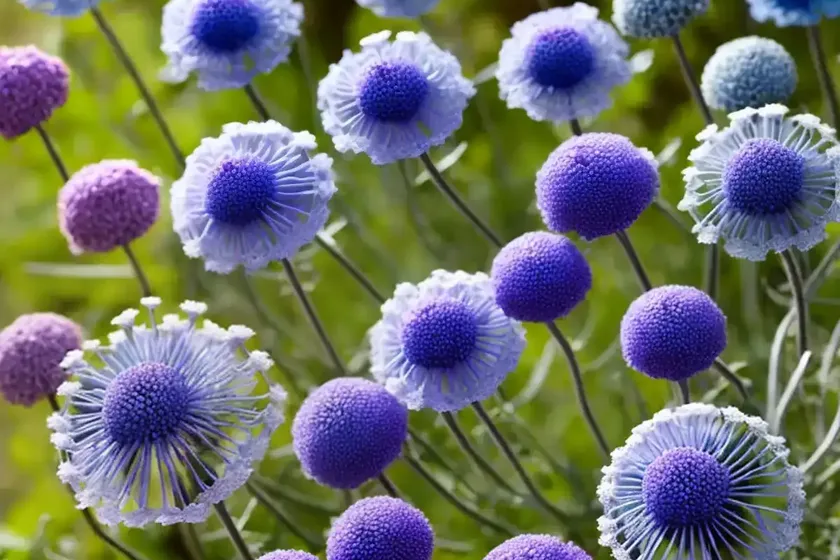
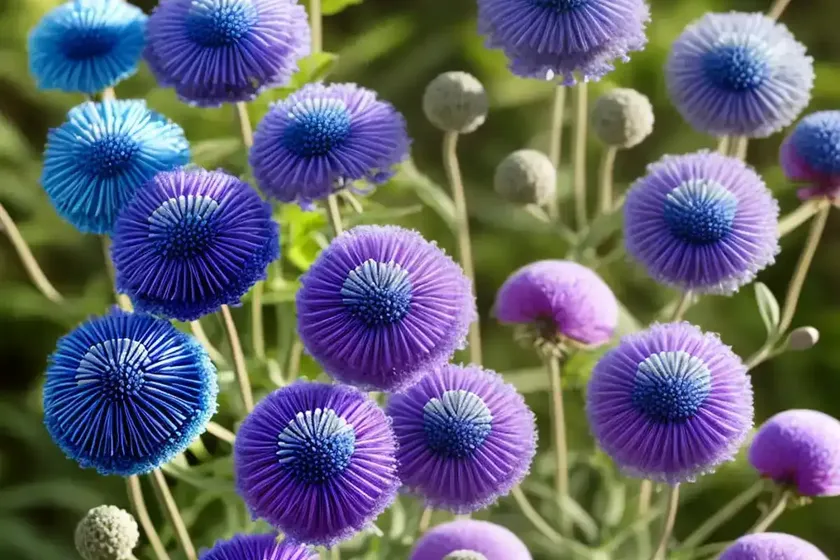
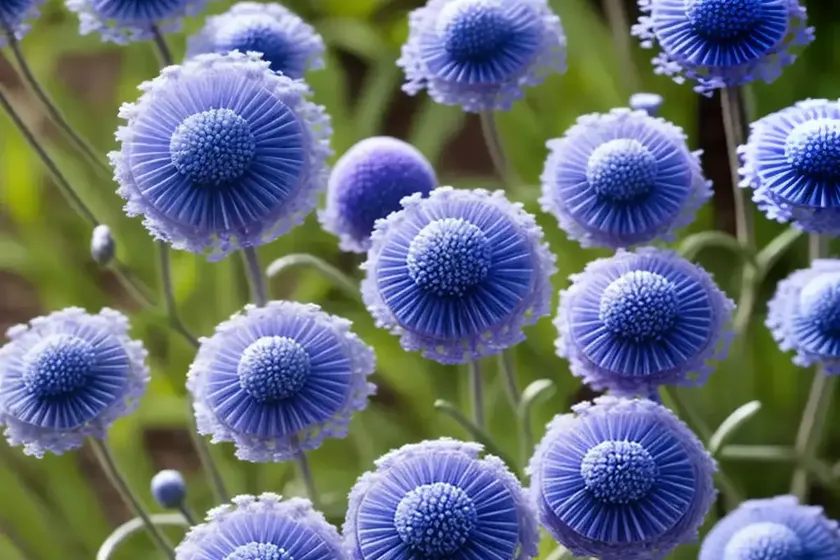
Pincushion flower, scientifically known as Scabiosa, is a delightful perennial plant distinguished by its unique, pincushion-like flower heads. This plant has a rich history of cultural and practical uses, making it a valuable addition to any garden or landscape. In this comprehensive guide, we will explore the various aspects of the pincushion flower, focusing particularly on the ‘Giant Blue’ variety (Scabiosa ‘Giant Blue’). Through detailed insights into its cultivation, maintenance, and ecological contributions, you will gain a holistic understanding of this captivating plant.
What is the Pincushion Flower (Scabiosa ‘Giant Blue’)?
The pincushion flower (Scabiosa) is a genus of flowering plants in the honeysuckle family (Caprifoliaceae) and is native to Europe and Asia. The ‘Giant Blue’ variety is especially notable for its large, showy flowers that attract pollinators and enliven outdoor spaces. With its striking appearance, the pincushion flower has become a favorite among gardeners and horticulturists worldwide. This perennial plant typically blooms from late spring to early fall, providing an extended period of visual interest in gardens and landscapes.
Scabiosa ‘Giant Blue’ Characteristics
- Scientific Name: Scabiosa ‘Giant Blue’
- Common Name: Pincushion Flower
- Flower Color: Blue
- Plant Type: Perennial
- Blooming Period: Late Spring to Early Fall
- Growth Habit: Upright
- Height: 18-24 inches
- Spread: 12-18 inches
- Attracts: Pollinators
- Winter Hardiness: USDA Zones 4-9
Key Takeaways: Pincushion Flower (Scabiosa ‘Giant Blue’)
Before delving into the specific cultural practices and propagation techniques, let’s review the key takeaways about the pincushion flower, particularly the ‘Giant Blue’ variety.
Culture
- Plant Type: Perennial
- Hardiness: USDA Zones 4-9
- Native Habitat: Europe and Asia
Uses
- Landscaping
- Pollinator Attraction
- Cut Flower
Water
- Moderate Watering
- Well-Drained Soil
Sunlight
- Full to Partial Sun (6-8 hours of sunlight per day)
Fertilizer
- Light Feeding in Spring
- Balanced Fertilizer
Soil
- Well-Drained
- Loamy Soil
Pruning
- Deadheading Spent Flowers
- Trimming to Shape
Propagation
- Division
- Seed Propagation
- Stem Cuttings
Container Popularity
- Suitable for Containers
Common Diseases
- Powdery Mildew
- Crown Rot
Common Pests
- Aphids
- Spider Mites
Botanist’s Tips
- Regular Deadheading
- Divide Every 2-3 Years
Fun Facts
- Symbolism
- Pollinator Benefits
Links to External Resources
(1) Planting and Care Tips for Pincushion Flowers
(2) Pollinator Gardening Guide
Now, let’s explore each of these aspects in detail to gain a comprehensive understanding of the pincushion flower and its ‘Giant Blue’ variety.
Pincushion Flower (Scabiosa ‘Giant Blue’) Cultivation
The successful cultivation of pincushion flowers, particularly the ‘Giant Blue’ variety, requires attention to several key factors such as water, sunlight, soil, and maintenance practices. Here’s a closer look at the cultural requirements for growing and caring for these charming flowering plants.
Water
Proper watering is essential for the health and vigor of pincushion flowers. While these plants have moderate water needs, they are sensitive to waterlogged conditions. Overly wet soil can lead to root rot and other diseases, affecting the plant’s overall health. On the other hand, prolonged drought can cause stress and diminish the quality of blooms.
To maintain optimal soil moisture levels, it’s crucial to establish a balanced watering routine. During the growing season, water the pincushion flowers deeply but infrequently, allowing the soil to dry out slightly between waterings. This approach encourages the development of deep, resilient roots and reduces the risk of fungal infections caused by excessive moisture. As a general guideline, aim for an average of 1 inch of water per week, either through rainfall or manual irrigation.
Sunlight
Pincushion flowers thrive in bright, sunny conditions and typically require 6-8 hours of direct sunlight per day. Adequate sunlight exposure is crucial for promoting robust growth, abundant flowering, and vibrant flower colors. When selecting a planting site or positioning containers, prioritize locations that receive ample sunlight, particularly in the morning and early afternoon.
In regions with intense summer heat, some afternoon shade may be beneficial to prevent heat stress and sunburn on the delicate flower petals. However, in cooler climates, full sun exposure is generally well-tolerated by the pincushion flower ‘Giant Blue’ variety.
Soil
The soil composition and drainage characteristics significantly influence the overall health and performance of pincushion flowers. These plants thrive in well-drained, loamy soil with a slightly acidic to neutral pH (6.5-7.0). Optimal soil structure facilitates root development, nutrient uptake, and moisture retention without promoting waterlogging or compaction.
Prior to planting, amend heavy clay soils with organic matter such as compost, peat moss, or aged manure to enhance drainage and aeration. Conversely, in sandy soils, incorporating organic amendments can improve water retention and nutrient availability. Conducting a soil test to evaluate the pH and nutrient levels can provide valuable insights for customizing the soil composition to suit the specific needs of pincushion flowers.
Fertilizer
Fertilization plays a supportive role in nourishing pincushion flowers and fueling their growth and flowering potential. However, these plants typically exhibit modest fertilizer requirements and are sensitive to excessive feeding, which can lead to lush foliage at the expense of flower production.
For pincushion flowers, including the ‘Giant Blue’ variety, a light feeding of balanced, all-purpose fertilizer in early spring as new growth emerges can supply the essential nutrients for the growing season. Alternatively, incorporating slow-release granular fertilizer into the soil during planting can provide a sustained nutrient supply over an extended period. It’s important to adhere to the recommended application rates and avoid direct contact between the fertilizer and the plant’s stems or foliage to prevent potential burn or damage.
Pruning
Pruning and deadheading are essential maintenance practices that promote the longevity of pincushion flowers and optimize their aesthetic appeal. Deadheading, the removal of spent flowers, serves two primary purposes. Firstly, it prevents the plants from allocating energy into seed production, redirecting their resources towards continued flowering. Secondly, deadheading improves the overall appearance of the plants, ensuring a tidy and neat presentation of the pincushion flower ‘Giant Blue’ variety.
Regular deadheading throughout the blooming period encourages a prolonged and vigorous flowering display, enhancing the visual impact of the plants in the landscape. Additionally, the removal of faded blooms can minimize the risk of self-seeding and maintain the overall vigor and health of the pincushion flowers. It’s advisable to use clean, sharp pruners or scissors to deadhead the flowers, making precise cuts just above a set of healthy leaves or flower buds.
Apart from deadheading, occasional light pruning can help maintain a compact, well-branched growth habit and promote continuous blooming. Trimming back excessive growth, particularly after the first flush of flowers, can encourage the development of secondary blooms and prevent the plants from becoming leggy or unkempt. When conducting pruning activities, strive to retain the natural shape and form of the plants while selectively removing spent blooms and straggly stems.
Propagation
The propagation of pincushion flowers, including the ‘Giant Blue’ variety, can be achieved through various methods such as division, seed propagation, and stem cuttings. These techniques offer gardeners the flexibility to expand their pincushion flower population or share these delightful plants with fellow gardening enthusiasts.
Division
Division, the separation of established clumps into smaller segments, is a common and straightforward method of propagating pincushion flowers. This technique is ideally performed during the cooler months, either in early spring or late fall, to minimize stress on the plants and facilitate rapid establishment of the divided segments.
To propagate pincushion flowers by division, follow these steps:
- Select a healthy, well-established plant with multiple stems and a dense root system.
- Carefully dig up the plant, ensuring that the entire root ball is lifted intact.
- Gently tease the root ball apart into smaller sections, each containing a portion of the roots and several growing shoots.
- Replant the divided segments at the appropriate spacing, taking care to position them at the same depth as the original plant.
- Provide adequate water and monitor the newly divided plants for signs of stress or dehydration.
Seed Propagation
For gardeners seeking to start pincushion flowers from seed, the process of seed propagation offers an exciting opportunity to nurture these plants from their earliest stages. The ‘Giant Blue’ variety can be propagated from seeds to produce a diverse array of pincushion flower seedlings with unique characteristics.
When sowing pincushion flower seeds, it’s essential to create optimal germination conditions by ensuring adequate moisture, temperature, and light exposure. Sow the seeds in a seed-starting mix or a well-drained, finely textured soil medium, covering them lightly with a thin layer of soil. Maintain consistent moisture levels and provide indirect light or diffuse sunlight to enable the seeds to sprout and establish healthy seedlings.
Once the seedlings have developed several true leaves, carefully transplant them to individual pots or desired garden locations, taking care to protect the delicate root systems. Regular watering, appropriate fertilization, and protection from extreme weather conditions can facilitate the successful growth of pincushion flower seedlings and promote robust establishment.
Stem Cuttings
Stem cuttings offer a reliable and efficient means of propagating pincushion flowers, allowing gardeners to create genetically identical clones of a parent plant. This method is particularly useful for preserving the unique characteristics of the ‘Giant Blue’ variety and expanding its presence in the garden or landscape.
To propagate pincushion flowers from stem cuttings, follow these steps:
- Select a healthy, non-flowering stem from the parent plant, typically in the early morning when the plant tissues are well-hydrated.
- Using clean, sharp pruners, take a 4-6 inch cutting from the plant, ensuring that it includes several sets of leaves and a portion of the stem.
- Remove the lower leaves from the cutting, leaving only a few sets at the tip to minimize moisture loss and promote root development.
- Dip the severed end of the cutting in a rooting hormone to stimulate root initiation and enhance the cutting’s potential for successful propagation.
- Plant the cutting in a well-drained rooting medium or a porous potting mix, ensuring that it’s securely positioned and surrounded by the growing medium.
- Provide gentle bottom heat and maintain consistent moisture to encourage root development, fostering the establishment of a robust root system.
Container Popularity
The pincushion flower ‘Giant Blue’ variety possesses distinct characteristics that make it well-suited for container gardening. Its compact growth habit, ornamental flowers, and adaptability to container environments render it a popular choice for adorning patios, balconies, and outdoor living spaces with vibrant floral displays.
When growing pincushion flowers in containers, it’s important to select a spacious, well-draining container that accommodates the plant’s root system and supports healthy growth. Use a high-quality potting mix specifically formulated for flowering plants, ensuring that it offers good drainage and aeration to maintain optimal soil conditions.
Regular monitoring of soil moisture levels, appropriate watering, and supplemental feeding are essential aspects of container gardening to sustain the pincushion flower ‘Giant Blue’ variety’s health and vigor. Additionally, positioning the containers in locations with adequate sunlight exposure and providing protection from extreme weather conditions can promote the plants’ overall well-being and encourage consistent blooming.
By leveraging the versatility of container gardening, gardeners can incorporate the pincushion flower ‘Giant Blue’ variety into diverse landscapes, from small urban settings to expansive outdoor spaces, creating captivating focal points with its enchanting floral beauty.
Common Diseases
Pincushion flowers, including the ‘Giant Blue’ variety, are susceptible to certain diseases that can diminish their vitality and visual appeal. Understanding the common diseases affecting these plants and implementing preventive measures is essential for maintaining their health and longevity.
Powdery Mildew
Powdery mildew, a fungal disease characterized by the appearance of powdery, white patches on the leaves and stems, can affect pincushion flowers, particularly in conditions of high humidity and poor air circulation. This disease can reduce the plant’s vigor and impede its flowering potential if left unchecked.
To manage powdery mildew, implement the following strategies:
- Ensure adequate spacing between plants to promote air circulation.
- Utilize preventive measures such as applying horticultural oils or neem oil to inhibit fungal development.
- Remove and dispose of infected plant debris to prevent the spread of spores.
- Select disease-resistant pincushion flower varieties to minimize susceptibility.
Crown Rot
Crown rot, a destructive disease caused by various soil-borne pathogens, can manifest as rotting of the base of the plant, leading to wilting, stunted growth, and ultimately plant death. Excessive moisture, poor drainage, and high soil humidity can exacerbate the development of crown rot in pincushion flowers.
To mitigate the risk of crown rot, consider the following preventive measures:
- Plant pincushion flowers in well-draining soil and avoid overwatering or waterlogged conditions.
- Apply appropriate soil amendments to improve drainage and aeration.
- Practice good sanitation by removing and disposing of infected plant material to prevent the spread of the disease.
By implementing proactive strategies and promoting optimal growing conditions, gardeners can effectively manage common diseases in pincushion flowers, preserving their health and ornamental value.
Disease Diagnosis
When diagnosing diseases in pincushion flowers, careful observation and timely intervention are critical for addressing potential issues and preserving the plants’ vitality. By recognizing the symptoms and signs of diseases, gardeners can take targeted measures to mitigate their impact and prevent the spread of pathogens.
Powdery Mildew Diagnosis
Characteristic signs of powdery mildew in pincushion flowers include:
- White, powdery patches on the surfaces of leaves and stems
- Distorted or stunted growth
- Reduced vigor and flowering
When these symptoms are observed, it’s essential to initiate appropriate treatments and preventive measures to combat powdery mildew effectively and protect the pincushion flowers from further damage.
Crown Rot Diagnosis
To identify signs of crown rot in pincushion flowers, look for the following indications:
- Wilting or yellowing of leaves
- Soft, decayed areas at the base of the plant
- Stunted growth and decline in overall vigor
Perform a careful examination of the affected plants, paying attention to any abnormalities in the root and stem tissues, to accurately diagnose and address the presence of crown rot.
By conducting thorough disease diagnosis and promptly addressing any issues, gardeners can safeguard the health and vitality of their pincushion flowers, ensuring their continued flourishing and decorative appeal.
Common Pests
Despite their resilience, pincushion flowers, including the ‘Giant Blue’ variety, can face challenges from various pests that seek to feed on their foliage, sap, or flowers. Identifying common pests and implementing integrated pest management strategies is essential for preserving the plants’ health and minimizing potential damage.
Aphids
Aphids are small, sap-sucking insects that can infest pincushion flowers, particularly in conditions of lush growth or environmental stress. These pests can cause distortion of new growth, leaf yellowing, and the development of sticky honeydew residues on the plants.
To manage aphid infestations, consider the following control measures:
- Introduce natural predators such as ladybugs or lacewings to regulate aphid populations.
- Utilize insecticidal soaps or horticultural oils to deter and suppress aphid colonies.
- Monitor plant growth and promptly address any signs of aphid activity to prevent population buildup.
Spider Mites
Spider mites are tiny arachnids that feed on the undersides of pincushion flower leaves, causing stippling, webbing, and overall decline in plant vigor. These pests thrive in hot, dry conditions and can rapidly multiply, leading to extensive damage if left uncontrolled.
To combat spider mite infestations, consider the following management strategies:
- Increase ambient humidity levels to deter spider mite activity and reproduction.
- Utilize targeted miticides or insecticidal sprays to reduce spider mite populations while minimizing impact on beneficial organisms.
- Regularly inspect the undersides of leaves and monitor for signs of spider mite presence to initiate timely intervention.
By implementing proactive pest management measures and maintaining vigilance over pincushion flowers, gardeners can effectively protect the plants from common pests, preserving their beauty and health.
Botanist’s Tips
To elevate the cultivation and care of pincushion flowers, including the ‘Giant Blue’ variety, consider the following botanist’s tips and best practices to enhance the plants’ aesthetic appeal and longevity.
Regular Deadheading
Consistent deadheading of spent flowers is crucial for encouraging extended blooming, ensuring a continuous floral display, and preventing the plants from directing energy into seed production. This practice promotes a neat and tidy appearance while enhancing the overall vigor of the pincushion flowers.
Divide Every 2-3 Years
Periodic division of established pincushion flower clumps every 2-3 years can rejuvenate the plants, alleviate overcrowding, and promote vigorous growth. This practice enables gardeners to propagate new plants, revitalize existing specimens, and maintain the overall health and balance of their pincushion flower populations.
Through the implementation of these botanist’s tips, gardeners can optimize the growth and flowering potential of pincushion flowers, ensuring their sustained beauty and ornamental value in diverse garden settings.
Fun Facts
Pincushion flowers, with their endearing charm and ecological significance, feature several captivating aspects and fun facts that contribute to their allure and appeal in gardens and landscapes.
Symbolism
Pincushion flowers are associated with various symbolic meanings, including thoughts of admiration, affection, and enduring beauty. Their delicate, pincushion-like flower heads and vibrant colors evoke sentiments of love, gratitude, and appreciation, making them popular choices for expressing heartfelt emotions in floral arrangements and gift-giving occasions.
Pollinator Benefits
Pincushion flowers, with their nectar-rich blooms and accessible flower structures, provide valuable resources to pollinators such as butterflies, bees, and hoverflies. The ‘Giant Blue’ variety, in particular, attracts and sustains diverse pollinator species, contributing to the ecological diversity and balance in garden ecosystems.
Links to External Resources
For additional insights and practical guidance on the cultivation, care,