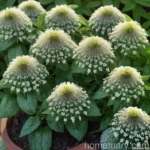
Alpine Skullcap (Scutellaria alpina): A Plant Scientist’s Guide
Alpine skullcap, scientifically known as Scutellaria alpina, is a beautiful and resilient herbaceous perennial plant that is native to alpine and subalpine regions of Europe and Asia. It belongs to the mint family, Lamiaceae, and is known for its delicate blue-violet flowers and medicinal properties. In this comprehensive guide, we will explore the various aspects of Alpine skullcap, including its cultural requirements, medicinal uses, propagation techniques, common diseases and pests, and much more.
What is plant: Alpine skullcap (Scutellaria alpina)
Alpine skullcap, also referred to as Skullcap alpina, is a herbaceous perennial plant that typically grows in compact, low-growing clumps. It forms dense mats of foliage and produces numerous delicate, tubular, blue-violet flowers that adorn the plant in the summer months. The leaves of Alpine skullcap are narrow and toothed, giving the plant an overall fine and delicate appearance.
This plant is not only an ornamental gem in the garden but also holds significant cultural and medicinal value. Its historical use in traditional herbal medicine for its calming and sedative properties has made it a sought-after plant for herbal enthusiasts and natural health practitioners.
Key Takeaways – Alpine Skullcap (Scutellaria alpina)
Before we delve into the specifics of caring for and utilizing Alpine skullcap, let’s take a look at some key takeaways about this fascinating plant:
- Botanical Name: Scutellaria alpina
- Common Names: Alpine skullcap, Skullcap alpina
- Family: Lamiaceae
- Flower Color: Blue-violet
- Plant Type: Herbaceous Perennial
- Native Habitat: Alpine and Subalpine Regions of Europe and Asia
- Uses: Medicinal, Ornamental
- Growing Zones: 3-7
Now that we have an overview of Alpine skullcap, let’s delve into the specific requirements for successfully growing and caring for this plant.
Culture
Cultivating Alpine skullcap can be a rewarding experience for both gardeners and herbalists. To successfully grow this plant, it’s important to consider its cultural requirements, including water, sunlight, fertilizer, soil, and pruning.
Uses
Alpine skullcap is a versatile plant with various applications, including:
- Medicinal use in traditional herbal medicine
- Ornamental use in rock gardens, borders, and alpine gardens
- Conservation and habitat restoration for alpine and subalpine ecosystems
Water
Alpine skullcap thrives in moist, well-drained soil, and it is essential to maintain consistent moisture, especially during the plant’s active growth periods. However, it is crucial to avoid overwatering, as excessively wet soil can lead to root rot and other related issues.
Sunlight
When it comes to sunlight, Alpine skullcap flourishes in full sun to partial shade. In regions with hot summers, providing some shade during the hottest part of the day can help prevent the plant from wilting and becoming stressed.
Fertilizer
This plant does not require heavy feeding. A balanced, all-purpose fertilizer applied in the spring as new growth emerges can support healthy development and abundant flowering.
Soil
Alpine skullcap thrives in well-drained, slightly acidic to neutral soil. A mix of organic matter, such as compost or peat moss, can be beneficial in improving soil structure and fertility.
Pruning
Pruning Alpine skullcap after the flowering period can help promote bushier growth and encourage a second flush of blooms. Trimming back the spent flower spikes and any straggly growth can help maintain the plant’s compact and tidy appearance.
Propagation
Propagating Alpine skullcap can be achieved through various methods, including division, seeds, and cuttings. Each method has its advantages and can be utilized based on the specific preferences and requirements of the gardener.
Container Popularity
Due to its compact growth habit and ornamental charm, Alpine skullcap is a popular choice for container gardening. It can be grown in containers on patios, balconies, or other outdoor spaces, adding a touch of color and texture to the surroundings.
Container Common Diseases
In container settings, Alpine skullcap may be susceptible to certain diseases, such as powdery mildew, if adequate air circulation and proper watering are not maintained.
Disease Diagnosis
Closely monitoring the plant for signs of powdery mildew, including white, powdery patches on the leaves and stems, can aid in early diagnosis and treatment.
Common Pests
While Alpine skullcap is relatively resistant to most pests, occasional aphid infestations and spider mite problems may occur, especially in dry and warm conditions.
Botanist’s Tips
For optimal success in cultivating Alpine skullcap, consider the following tips:
- Select a well-drained planting location or container with adequate drainage holes.
- Monitor soil moisture levels to prevent overwatering or prolonged dryness.
- Provide some shade during hot summer days to prevent stress on the plant.
- Regularly deadhead spent flowers to promote continuous blooming and maintain the plant’s appearance.
Fun Facts
Here are some fascinating facts about Alpine skullcap:
- The genus name, Scutellaria, is derived from the Latin word “scutella,” which means “a small dish” or “shallow cup,” referring to the shape of the distinctive hood-like appendage of the plant’s flowers.
- Alpine skullcap has a long history of use in traditional herbal medicine for its calming and sedative properties, often used to relieve nervous tension and promote relaxation.
- In its natural habitat, Alpine skullcap is a resilient pioneer plant, often found colonizing disturbed and rocky areas in alpine and subalpine regions.
Now that we have explored the cultural aspects of growing Alpine skullcap, let’s delve into its medicinal uses and herbal properties.
Links to External Resources
For further insights into Alpine skullcap, please refer to the following external resources:
- Alpine Skullcap: Botanical Profile and Medicinal Uses
- Growing Alpine Skullcap in Your Garden
- The Medicinal Benefits of Scutellaria alpina
In the next section, we will explore the medicinal uses and properties of Alpine skullcap, shedding light on its role as a herbal remedy and its potential benefits.