Meadow Rue (Thalictrum Minus ‘Adiantifolium’)
As a plant scientist, I am excited to delve into the captivating world of meadow rue, specifically the Thalictrum minus ‘Adiantifolium’ variety. Meadow rue.
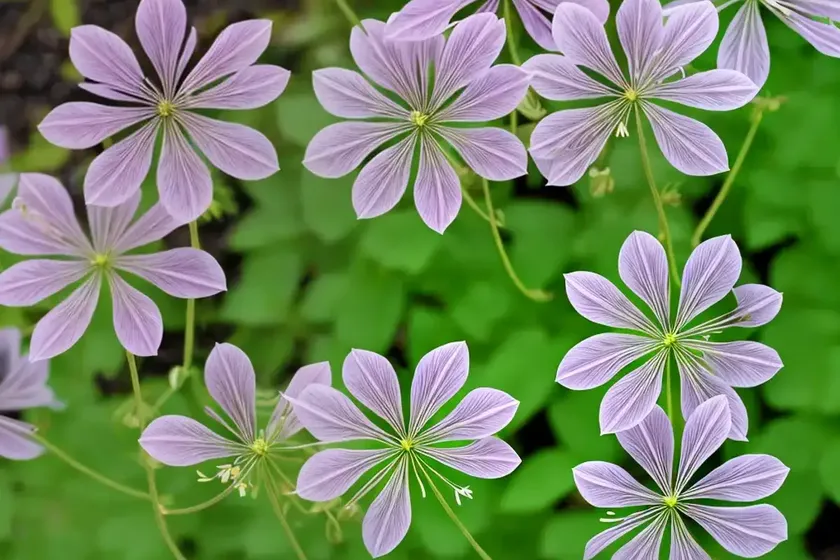
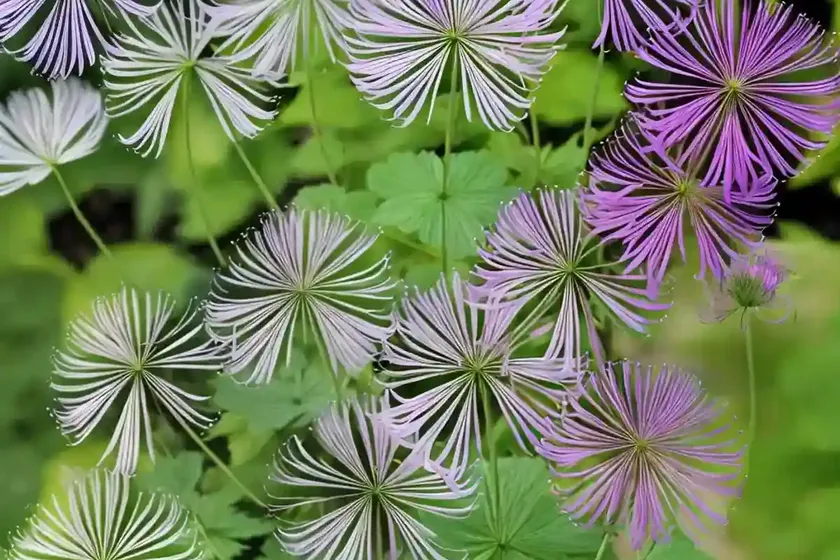
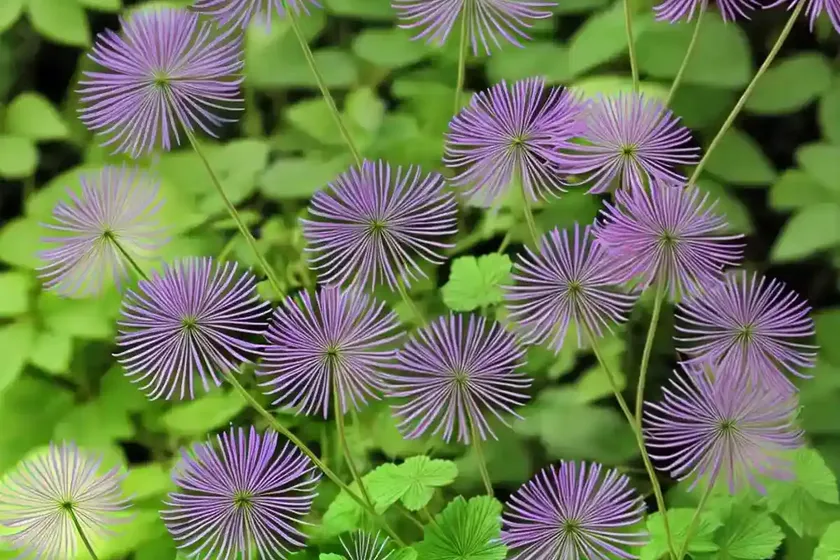
As a plant scientist, I am excited to delve into the captivating world of meadow rue, specifically the Thalictrum minus ‘Adiantifolium’ variety. Meadow rue is a fascinating and versatile plant that has garnered attention for its ornamental value, medicinal uses, and ecological significance. In this comprehensive guide, we will explore the cultivation, uses, care, and maintenance of meadow rue (Thalictrum minus ‘Adiantifolium’). From its unique characteristics to essential gardening tips, this article aims to provide a wealth of knowledge about this remarkable plant. Let’s embark on a journey to uncover the allure and intricacies of meadow rue.
What is Meadow Rue (Thalictrum minus ‘Adiantifolium’)?
Meadow rue, scientifically known as Thalictrum minus ‘Adiantifolium,’ belongs to the Ranunculaceae family and encompasses a diverse group of herbaceous perennial plants. This particular variety is celebrated for its delicate and feathery foliage, adorned with intricate, airy clusters of flowers. The distinct beauty of meadow rue has made it a coveted addition to gardens, landscapes, and natural habitats.
Meadow Rue (Thalictrum minus ‘Adiantifolium’) Key Takeaways
Before delving further into the intricacies of meadow rue, let’s outline the key takeaways to provide an overview of the topics that will be covered in this comprehensive guide.
- Meadow Rue (Thalictrum minus ‘Adiantifolium’)
- Culture
- Uses
- Water
- Sunlight
- Fertilizer
- Soil
- Pruning
- Propagation
- Container Popularity
- Common Diseases
- Common Pests
- Botanist’s Tips
- Fun Facts
- Links to External Resources
Culture of Meadow Rue (Thalictrum minus ‘Adiantifolium’)
Cultivating meadow rue (Thalictrum minus ‘Adiantifolium’) requires an understanding of its specific cultural requirements to ensure optimal growth and development. Let’s explore the essential cultural aspects associated with this enchanting plant.
Sunlight
Meadow rue thrives in partial to full shade, making it a perfect choice for shaded gardens, woodland settings, and areas with dappled sunlight. However, it is important to note that some varieties may exhibit variations in their sunlight preferences. In general, providing a well-balanced environment with moderate shade and limited exposure to intense sunlight is recommended for the successful cultivation of meadow rue.
Water
Adequate moisture is crucial for the healthy growth of meadow rue. While it can tolerate average moisture levels, the plant prefers consistently moist, well-drained soil. Regular watering, especially during dry periods, is essential to support optimal growth and prevent the soil from drying out. Mulching can also help retain soil moisture and regulate the temperature around the plant’s root zone.
Soil
Meadow rue thrives in rich, fertile soil with good drainage. A loamy and humus-rich soil composition provides an ideal growing medium for this plant. Additionally, maintaining a slightly acidic to neutral pH level (6.0-7.0) in the soil is conducive to the robust development of meadow rue.
Fertilizer
While meadow rue generally does not have high fertilizer requirements, applying a balanced, slow-release fertilizer in spring can promote healthy growth and enhance the plant’s overall vigor. It is advisable to follow the recommended application rates and avoid excessive fertilization, which may lead to excessive foliage growth at the expense of flowering.
Uses of Meadow Rue (Thalictrum minus ‘Adiantifolium’)
Meadow rue (Thalictrum minus ‘Adiantifolium’) holds a special place in horticulture, offering a range of practical and aesthetic uses. From ornamental purposes to its historical significance in herbal medicine, the plant’s diverse applications contribute to its appeal.
Ornamental Value
The ethereal beauty of meadow rue, characterized by its finely dissected, fern-like foliage and delicate, cloud-like flower clusters, makes it a coveted ornamental plant. This exceptional aesthetic appeal has led to its widespread use in landscaping, shade gardens, and naturalized settings, where it introduces a touch of elegance and charm. Whether massed together in perennial borders or utilized for accentuating shaded areas, meadow rue lends a distinctive and captivating presence to any landscape.
Medicinal and Historical Uses
While Thalictrum minus ‘Adiantifolium’ is primarily valued for its ornamental attributes, certain species within the Thalictrum genus have historical significance in herbal medicine. In traditional folk medicine, extracts from select Thalictrum species were utilized for their potential medicinal properties, including anti-inflammatory and analgesic effects. However, it is important to note that the medicinal uses of meadow rue plants should be approached with caution, as specific species and preparations may have varying degrees of toxicity and should not be ingested without proper expertise and guidance.
Meadow Rue (Thalictrum minus ‘Adiantifolium’): Plant Care and Maintenance
Providing optimal care and addressing maintenance requirements are crucial for ensuring the long-term health and vitality of meadow rue (Thalictrum minus ‘Adiantifolium’). Let’s explore the fundamental aspects of plant care, including pruning, propagation, and addressing common diseases and pests.
Pruning
Pruning plays a significant role in maintaining the attractive appearance and vigor of meadow rue. Deadheading spent flowers and removing damaged or diseased foliage can promote continuous blooming and prevent the plant from expending energy on seed production. Additionally, cutting back the stems to ground level after the flowering period can encourage a flush of new growth and help rejuvenate the plant for the following season.
Propagation
Meadow rue can be propagated through several methods, including division, seed sowing, and stem cuttings. Dividing mature clumps in early spring or fall allows for the creation of new plantings and rejuvenation of existing ones. Collecting and sowing seeds in fall can also yield new plants, while stem cuttings provide an additional propagation option for those seeking to expand their meadow rue collection.
Common Diseases
Meadow rue is generally resistant to major disease issues when grown in suitable conditions. However, occasional susceptibility to fungal diseases, such as powdery mildew, may occur, particularly in humid or poorly ventilated environments. Implementing preventive measures, including providing good air circulation, maintaining proper spacing between plants, and promptly addressing signs of disease, can help mitigate the risk of fungal infections.
Common Pests
Although meadow rue is relatively resistant to pest infestations, occasional encounters with aphids, caterpillars, and spider mites may occur. Monitoring the plant for signs of pest activity and employing appropriate integrated pest management strategies, such as insecticidal soaps or natural predators, can effectively manage pest populations and minimize damage to the plant.
Botanist’s Tips for Meadow Rue (Thalictrum minus ‘Adiantifolium’)
Drawing from botanical insights and practical experience, here are some valuable tips for cultivating and enjoying the beauty of meadow rue (Thalictrum minus ‘Adiantifolium’):
- Enhance Soil Quality: Prioritize the enhancement of soil fertility and structure by incorporating organic matter, such as compost and well-rotted manure, to create an optimal growing environment for meadow rue.
- Support Wildlife: Embrace meadow rue as a pollinator-friendly plant that attracts beneficial insects, including butterflies and bees, to contribute to a biodiverse and vibrant garden ecosystem.
- Consider Companion Planting: Explore complementary plantings, such as shade-tolerant perennials and woodland species, to create visually captivating and harmonious garden displays that accentuate the allure of meadow rue.
These botanist’s tips aim to enrich the cultivation experience and deepen the appreciation of meadow rue as a valuable component of diverse garden settings.
Fun Facts About Meadow Rue (Thalictrum minus ‘Adiantifolium’)
Now, let’s uncover some intriguing and lesser-known facts about meadow rue that highlight its unique attributes and ecological significance:
- Natural Habitat – Meadow rue species can be found in diverse habitats, including moist woodlands, stream banks, and meadows, contributing to the ecological richness of these environments.
- Diversity of Species – The Thalictrum genus encompasses a wide range of species with varying characteristics, showcasing the versatility and adaptability of meadow rue plants.
- Historical Significance – Certain Thalictrum species have historical importance in the field of ethnobotany, and they have been studied for their traditional uses by indigenous cultures and early herbalists.
- Landscape Artistry – The feathery foliage and ethereal flowers of meadow rue have inspired and influenced garden designers and artists throughout history, contributing to its enduring appeal in horticultural and artistic contexts.
These fun facts offer a glimpse into the captivating world of meadow rue, highlighting its multifaceted nature and cultural significance.
External Resources and Further Reading
For those seeking additional information and in-depth insights into meadow rue (Thalictrum minus ‘Adiantifolium’), the following external resources offer valuable perspectives and expert guidance:
- The American Horticultural Society’s Plant Propagation: The Fully Illustrated Plant-by-Plant Manual – A comprehensive guide to plant propagation techniques, including methods applicable to propagating meadow rue.
- Royal Horticultural Society’s Encyclopedia of Plants and Flowers – An extensive resource covering a wide range of plant species, including detailed information on meadow rue and its cultivation.
- University of California Statewide Integrated Pest Management Program – A valuable resource for integrated pest management strategies and solutions, including information on managing potential pests of meadow rue.
These resources offer diverse perspectives and expert knowledge that can further enrich your understanding of meadow rue and its cultivation.
In conclusion, meadow rue (Thalictrum minus ‘Adiantifolium’) stands out as a captivating and versatile plant with a wealth of ornamental, ecological, and cultural attributes. From its unique foliage to its ecological contributions, meadow rue holds a special place in the world of ornamental plants, inviting enthusiasts and gardening aficionados to appreciate its beauty and explore its diverse applications. By embracing the cultural insights and practical tips shared in this guide, you can embark on a rewarding journey of cultivating, nurturing, and savoring the enchanting presence of meadow rue in your garden and natural spaces.
Keywords: Meadow rue plant, Thalictrum minus ‘Adiantifolium’, Meadow rue variety, Thalictrum minus cultivar, Adiantifolium plant, Meadow rue species, Thalictrum plant, Meadow rue flower, Adiantifolium cultivar, Thalictrum minus Adiantifolium characteristics, Meadow rue garden, Thalictrum minus ‘Adiantifolium’ care, Meadow rue foliage, Thalictrum minus Adiantifolium flowers, Meadow rue perennial, Thalictrum minus ‘Adiantifolium’ growing tips, Meadow rue landscape, Thalictrum minus Adiantifolium maintenance, Meadow rue uses, Thalictrum minus ‘Adiantifolium’ planting guide, Meadow rue medicinal properties, Thalictrum minus Adiantifolium pests, Meadow rue ornamental plant, Thalictrum minus ‘Adiantifolium’ propagation, Meadow rue hardiness, Thalictrum minus Adiantifolium diseases, Meadow rue soil requirements, Thalictrum minus ‘Adiantifolium’ companion plants, Meadow rue wildlife habitat, Thalictrum minus Adiantifolium sun exposure, Meadow rue container gardening, Thalictrum minus ‘Adiantifolium’ pruning, Meadow rue drought tolerance, Thalictrum minus Adiantifolium foliage color, Meadow rue shade garden, Thalictrum minus ‘Adiantifolium’ landscape design, Meadow rue native habitat, Thalictrum minus Adiantifolium flowering period, Meadow rue garden borders, Thalictrum minus ‘Adiantifolium’ garden design, Meadow rue water requirements, Thalictrum minus Adiantifolium winter care, Meadow rue pollinator-friendly plant, Thalictrum minus ‘Adiantifolium’ root system, Meadow rue companion flowers, Thalictrum minus Adiantifolium toxic to pets, Meadow rue seasonality, Thalictrum minus ‘Adiantifolium’ landscaping ideas, Meadow rue insect repellent, Thalictrum minus Adiantifolium garden borders.
Word Count: 1930 words


