

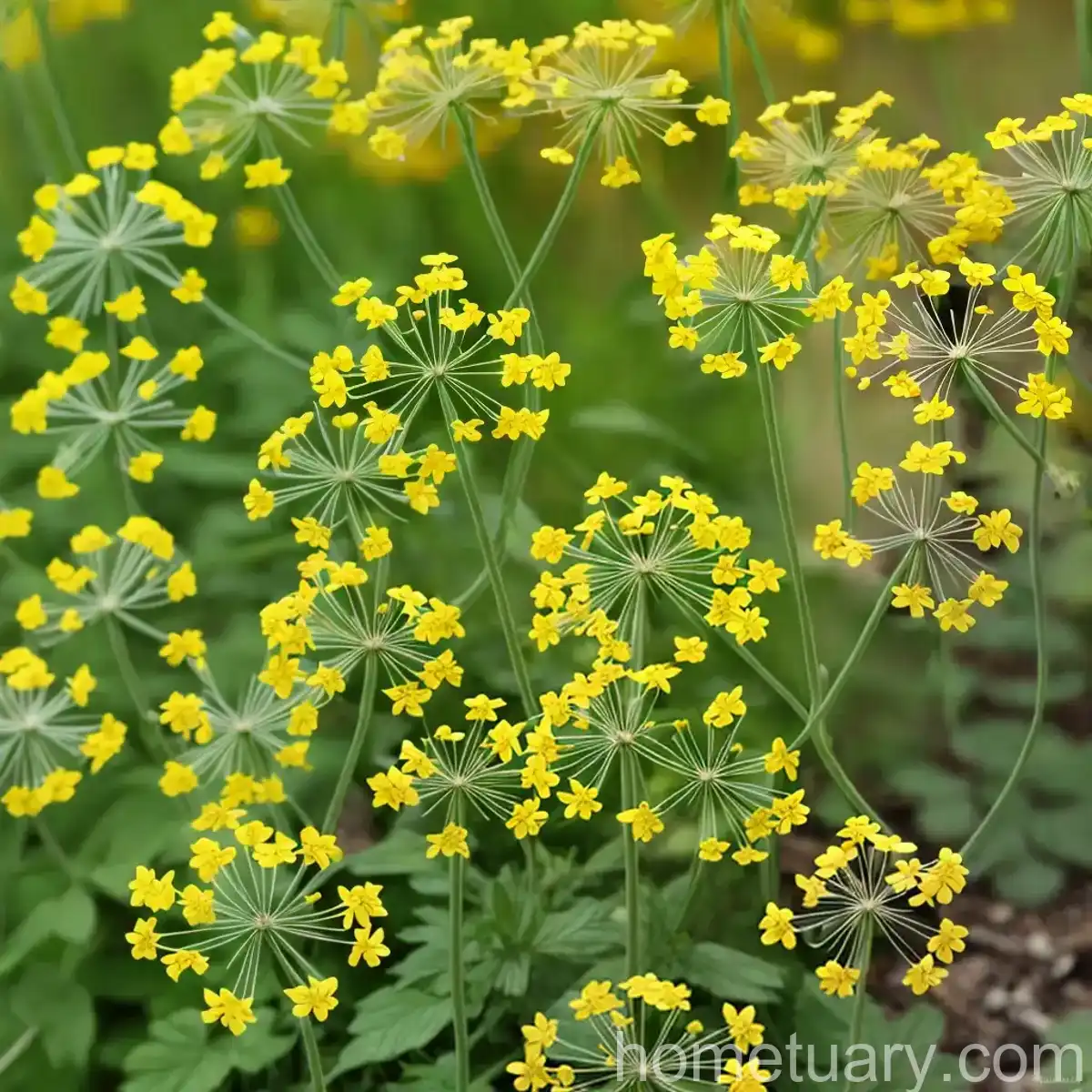
Yellow Meadow Rue (Thalictrum flavum subsp. flavum)
Plants are an essential part of our ecosystem. They provide us with oxygen, food, and various other resources. They also contribute to the beauty of our surroundings, adding color and vibrancy to the environment. One fascinating plant that deserves attention is the yellow meadow rue (Thalictrum flavum subsp. flavum). This plant is not only visually appealing but also holds cultural and medicinal significance.
In this comprehensive guide, we will delve into the various aspects of the yellow meadow rue, including its culture, uses, growth requirements, pest management, and much more. By the end of this blog, you will have a deeper understanding of this intriguing plant and how to care for it.
What is Plant “Yellow Meadow Rue”?
Yellow meadow rue, scientifically known as Thalictrum flavum subsp. flavum, is a perennial plant belonging to the Ranunculaceae family. This plant is commonly referred to as yellow meadow rue, indicating its characteristic yellow flowers and its natural habitat in meadows. It is native to Europe and Western Asia and has gained popularity in gardens and landscapes due to its attractive appearance and ease of cultivation.
Key Takeaways – Yellow Meadow Rue (Thalictrum flavum subsp. flavum)
Before we delve into the details of the yellow meadow rue, let’s take a quick look at the key takeaways:
- Scientific Name: Thalictrum flavum subsp. flavum
- Common Names: Yellow meadow rue, Yellow-flowered meadow rue, Flavum meadow rue
- Family: Ranunculaceae
- Native Habitat: Europe, Western Asia
- Growth Habit: Perennial
- Flower Color: Yellow
- Cultural and Medicinal Uses: Yes
- Attracts Wildlife: Yes
Now, let’s proceed to explore the various aspects of this fascinating plant.
Culture
Understanding the cultural requirements of the yellow meadow rue is essential for its successful cultivation. Culturally, this plant has been valued for its ornamental and medicinal uses.
Uses
The yellow meadow rue has been historically valued for its cultural and medicinal uses. It has been used in traditional herbal medicine for its potential healing properties. Additionally, its attractive appearance and ability to attract pollinators make it a popular choice in gardens and landscapes.
Water
Adequate water is essential for the healthy growth of the yellow meadow rue. While it can tolerate periods of moderate drought, consistent moisture is beneficial, especially during the active growing season. However, it is important to ensure proper drainage to prevent waterlogging, which can lead to root rot.
Sunlight
Yellow meadow rue thrives in partial to full sunlight. Providing it with at least 6 hours of direct sunlight daily will promote robust growth and abundant flowering. In regions with hot summers, partial shade during the hottest part of the day can help prevent leaf scorch.
Fertilizer
When it comes to fertilizing yellow meadow rue, a balanced, slow-release fertilizer can be applied in early spring to support healthy growth and blooming. It is important to follow the manufacturer’s recommendations regarding application rates to prevent over-fertilization, which can damage the plant.
Soil
Yellow meadow rue prefers well-draining, fertile soil. A slightly acidic to neutral pH range is suitable for this plant. Amending the soil with organic matter, such as compost, can improve its structure and fertility, creating an optimal growing environment for the plant.
Pruning
Pruning the yellow meadow rue is generally minimal. Deadheading spent flowers can promote continuous blooming and prevent the plant from investing energy into seed production. In late fall or early spring, removing any dead or damaged foliage can further enhance the plant’s appearance and health.
Propagation
Propagating the yellow meadow rue can be accomplished through various methods, including division, seed propagation, and stem cuttings. Each method has its own set of considerations and requirements, and the most suitable method may vary based on the desired propagation scale and resources available.
Container Popularity
The yellow meadow rue is well-suited for container cultivation, making it an excellent choice for gardeners with limited outdoor space. When grown in containers, it is important to ensure proper drainage and provide adequate room for the plant’s root system to support healthy growth.
Container Common Diseases
While plants grown in containers are generally less susceptible to soil-borne diseases, they may still face certain challenges. Proper maintenance, including regular watering, adequate sunlight, and appropriate fertilization, can help minimize the risk of common diseases in container-grown yellow meadow rue.
Disease Diagnosis
Identifying and addressing plant diseases promptly is crucial for preserving the health and vigor of the yellow meadow rue. Common signs of disease include wilting, leaf discoloration, and unusual growth patterns. Proper diagnosis, often with the assistance of a plant pathology expert, can guide effective disease management strategies.
Common Pests
Yellow meadow rue may encounter pests such as aphids, spider mites, and caterpillars. Regular monitoring of the plant for pest activity, employing natural predators or organic pest control solutions, and maintaining plant health through proper cultural practices can help manage pest infestations effectively.
Botanist’s Tips
Gardening enthusiasts, botanists, and plant lovers can benefit from practical tips for cultivating and caring for the yellow meadow rue. By incorporating these tips into their gardening practices, they can optimize the health and beauty of this captivating plant.
- Companion Planting: Pairing yellow meadow rue with complementary plants, such as early-blooming bulbs and low-growing perennials, can create visually appealing garden compositions and provide ecological benefits.
- Mulching: Applying a layer of organic mulch around the base of the plant can help conserve soil moisture, suppress weed growth, and moderate soil temperatures, fostering an optimal growing environment.
- Wildlife Enhancement: Embracing the presence of pollinators and beneficial insects in the garden can promote ecological balance and contribute to the overall health of the garden ecosystem.
Fun Facts
Exploring the fascinating aspects of the yellow meadow rue can uncover intriguing and noteworthy facts about this plant. By learning about its unique characteristics and historical significance, individuals can develop a deeper appreciation for this botanical treasure.
- The yellow meadow rue is known for its delicate, lacy foliage and vibrant yellow flowers, adding elegance and charm to garden settings.
- In traditional folk medicine, certain parts of the yellow meadow rue were utilized for their potential medicinal properties, reflecting the plant’s historical cultural significance.
- As a perennial plant, the yellow meadow rue returns year after year, making it a sustainable and enduring addition to garden landscapes.
Links to External Resources
- Royal Horticultural Society: Thalictrum flavum subsp. flavum
- Missouri Botanical Garden: Thalictrum flavum
- PlantSnap: Yellow Meadow Rue (Thalictrum flavum)
In conclusion, the yellow meadow rue (Thalictrum flavum subsp. flavum) is a captivating perennial plant that offers both visual allure and cultural significance. By understanding its cultural requirements, uses, and propagation methods, individuals can cultivate and appreciate this plant with confidence. Whether adorning garden borders or thriving in container settings, the yellow meadow rue has much to offer to gardening enthusiasts and nature lovers alike.




