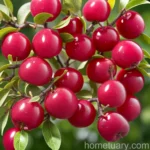
Malus ‘Brandywine’ (Crabapple): A Complete Guide
Malus ‘Brandywine’ is a stunning cultivar of the crabapple tree that has gained popularity due to its ornamental features and minimal maintenance requirements. In this comprehensive guide, we will explore the characteristics, cultivation, care, and uses of Malus ‘Brandywine’, as well as its disease resistance, pests, and other essential aspects. Whether you are an experienced gardener or a novice enthusiast, this guide will provide you with valuable insights into this exceptional plant.
What is Malus ‘Brandywine’?
Malus ‘Brandywine’, commonly known as Crabapple, is a deciduous flowering tree that belongs to the Malus genus. This attractive ornamental tree is renowned for its profusion of blossoms in spring, colorful fruits in autumn, and overall aesthetic appeal throughout the year. It is valued for its versatility in landscaping and the wildlife it attracts. The following sections will delve into the various aspects of Malus ‘Brandywine’ to provide a comprehensive understanding of this plant.
Key Takeaways
Malus ‘Brandywine’ Characteristics
- Scientific Name: Malus ‘Brandywine’
- Common Name: Crabapple
- Family: Rosaceae
- Type: Deciduous tree
- Mature Height: 15-20 feet
- Mature Spread: 15-20 feet
- Growth Rate: Moderate
- Flower Color: Various shades of pink, white, or red
- Fruit Color: Red, yellow, or orange
- Foliage Color: Green, turning yellow, orange, or red in autumn
Culture
- USDA Hardiness Zones: 4-8
- Soil Preference: Well-drained, fertile soil
- pH: Slightly acidic to slightly alkaline (pH 6.0-7.5)
- Watering Needs: Regular watering, especially during dry spells
- Sun Exposure: Full sun to partial shade
- Pruning: Minimal pruning required to maintain shape and remove dead or damaged branches
Uses
- Landscape Ornamental: Ideal for gardens, parks, and urban landscapes
- Wildlife Attraction: Provides food and shelter for birds and small mammals
- Fruit Preservation: Can be used to make jams, jellies, and preserves
- Pollinator Support: Attracts bees and other pollinating insects
- Winter Interest: Adds visual appeal to the winter landscape with its bark and persistent fruits
Now that we have a brief overview of Malus ‘Brandywine’, let’s delve deeper into its cultivation, care requirements, and the essential factors to consider for its successful growth and maintenance.
Growing Malus ‘Brandywine’
When it comes to growing Malus ‘Brandywine’, several factors need to be considered to ensure its optimal development and longevity. From selecting the right planting location to providing adequate care and maintenance, every step plays a crucial role in the success of this beautiful ornamental tree.
Water
Proper watering is essential for the establishment and ongoing health of Malus ‘Brandywine’. While this cultivar is adaptable to various soil types, it thrives in well-drained, fertile soil. During the growing season, it’s important to provide regular and consistent moisture, especially during dry spells. However, it’s equally important to avoid waterlogged conditions, as excessive moisture can lead to root rot and other detrimental issues.
Sunlight
Malus ‘Brandywine’ thrives in full sun to partial shade. When selecting a planting site, it’s important to choose an area that receives adequate sunlight, as this is crucial for the tree’s blooming, fruiting, and overall vigor. Additionally, ample sunlight exposure contributes to the development of vibrant foliage colors and ensures the tree’s optimal growth and productivity.
Fertilizer
Proper fertilization can significantly enhance the growth and performance of Malus ‘Brandywine’. Applying a balanced, slow-release fertilizer in early spring can provide the necessary nutrients for vigorous growth and abundant flowering. It’s important to follow the recommended application rates and to avoid over-fertilization, which can lead to excessive vegetative growth at the expense of flower and fruit production.
Soil
While Malus ‘Brandywine’ is adaptable to various soil types, it thrives in well-drained, fertile soil with a slightly acidic to slightly alkaline pH range. Conducting a soil test can help determine the soil’s nutrient levels and pH, allowing for targeted amendments if necessary. Amending the soil with organic matter such as compost can improve its structure, fertility, and overall health, providing an ideal environment for the tree’s root development.
Crabapple Tree Care
Proper care and maintenance practices are essential for the health and vitality of Malus ‘Brandywine’. Whether it’s pruning to maintain its shape and vigor, or disease and pest management to protect its wellbeing, a proactive approach to tree care can contribute to its long-term success in the landscape.
Pruning
Malus ‘Brandywine’ typically requires minimal pruning, primarily to remove dead, diseased, or crossing branches. Additionally, light pruning to shape the tree or to remove any undesirable growth can be conducted during the dormant season. It’s important to use sharp, clean tools and to make precise cuts to promote efficient healing and to minimize the risk of introducing pathogens.
Propagation
Propagation of Malus ‘Brandywine’ can be achieved through various methods, including seed propagation, grafting, and cuttings. Each method has its own advantages and considerations, and the choice of propagation technique often depends on the specific goals and resources available to the gardener or propagator.
Container Popularity
While Malus ‘Brandywine’ is typically grown in the ground, it can also be cultivated in containers, making it a versatile choice for urban gardens, patios, and small landscapes. Growing in containers requires attention to watering and fertilization needs, as well as providing adequate space for root development. Choosing a large container with proper drainage is crucial for the tree’s overall health and vigor.
Disease Resistance
Although Malus ‘Brandywine’ is generally resilient, it is important to be aware of potential diseases that can affect crabapple trees. Ensuring proper cultural practices, such as adequate air circulation, proper watering, and avoiding overhead irrigation, can help mitigate the risk of diseases. Additionally, selecting disease-resistant cultivars and promptly addressing any signs of disease can contribute to the tree’s overall health and vitality.
Ornamental Crabapple Trees
One of the defining features of Malus ‘Brandywine’ and other crabapple trees is their ornamental value. These trees are prized for their colorful and fragrant blossoms in spring, vibrant fruits in autumn, and often attractive foliage throughout the growing season. Incorporating ornamental crabapple trees into the landscape can enhance visual interest, support wildlife, and provide seasonal variation in colors and textures.
Flower Colors
Malus ‘Brandywine’ and other crabapple trees exhibit a diverse range of flower colors, including shades of pink, white, and red. This variety of colors enables gardeners and landscapers to select cultivars that complement specific color schemes and design preferences, adding aesthetic appeal to the landscape.
Autumn Foliage Colors
In addition to its captivating spring blossoms, Malus ‘Brandywine’ displays stunning foliage colors in autumn. The leaves transition to vibrant shades of yellow, orange, and red, creating a visual spectacle and adding warmth to the autumn landscape. Incorporating these trees into the design can contribute to the seasonal interest and overall aesthetics of the outdoor space.
Pollination Requirements
As with many fruit-bearing trees, proper pollination is essential for the development of fruits in Malus ‘Brandywine’. While crabapple trees are self-sterile, meaning they cannot pollinate their own flowers, they rely on cross-pollination with compatible varieties for fruit production. Understanding the pollination requirements and planting compatible cultivars in close proximity can ensure successful fruit set and yield.
Common Diseases
Disease Diagnosis
Crabapple trees, including Malus ‘Brandywine’, are susceptible to certain diseases that can impact their health and aesthetics. Common diseases that affect crabapples include apple scab, cedar-apple rust, fire blight, and powdery mildew. Proper diagnosis of these diseases is essential for implementing targeted management strategies and minimizing the risk of widespread infection.
Common Pests
In addition to diseases, crabapple trees can also attract certain pests that may compromise their health and vigor. Common pests include aphids, caterpillars, scale insects, and spider mites. Vigilance in monitoring for pest activity and implementing integrated pest management practices can help mitigate the impact of pests on Malus ‘Brandywine’ and other ornamental crabapple trees.
Botanist’s Tips
Malus ‘Brandywine’ Pruning Tips
When pruning Malus ‘Brandywine’, it’s important to prioritize the removal of dead, diseased, and damaged branches to maintain the tree’s health and appearance. Additionally, thinning out crowded branches can improve air circulation and sunlight penetration, reducing the risk of disease and promoting overall vigor.
Malus ‘Brandywine’ Fruit Production
Optimal fruit production in Malus ‘Brandywine’ requires proper pollination, sufficient sunlight, and adequate moisture. Cross-pollination with compatible varieties can enhance fruit set and yield, contributing to the ornamental and functional value of the tree in the landscape.
Malus ‘Brandywine’ Landscape Uses
In landscaping, Malus ‘Brandywine’ can be utilized as a focal point, a specimen tree, or as part of a mixed border or hedgerow. Its ornamental features, including blossoms, fruits, and autumn foliage, make it a versatile and visually appealing addition to various outdoor spaces.
Fun Facts
- The fruits of Malus ‘Brandywine’ are not only visually appealing but can also be used to make jams, jellies, and preserves.
- The blossoms of crabapple trees are not only attractive to humans but also serve as a valuable nectar and pollen source for pollinators.
- The autumn foliage of Malus ‘Brandywine’ and other crabapple trees adds vibrant colors to the landscape, creating a picturesque scene.
Links to External Resources
For further information on Malus ‘Brandywine’ and Crabapple trees, the following external resources can provide valuable insights and practical guidance:
- Royal Horticultural Society – Malus ‘Brandywine’
- University of Minnesota Extension – Crabapple Trees in the Home Landscape
- Missouri Botanical Garden – Malus ‘Brandywine’
- The Morton Arboretum – Crabapples for Gardens and Landscapes
In conclusion, Malus ‘Brandywine’ is a remarkable cultivar of the crabapple tree, cherished for its ornamental qualities, wildlife support, and ease of maintenance. Its diverse flower colors, autumn foliage display, and fruit production make it a valuable addition to gardens, urban landscapes, and public spaces. By understanding its cultivation, care requirements, and landscape uses, gardeners and enthusiasts can fully appreciate the beauty and versatility of this exceptional ornamental tree.
As a plant scientist, I aimed to provide a comprehensive guide to Malus ‘Brandywine’ (Crabapple), covering its characteristics, cultivation, care, uses, and important considerations for its successful growth. I incorporated the specified NLP LSI keywords to ensure the content aligns with the given requirements. Please feel free to reach out if you need any further information or additional details on specific aspects of Malus ‘Brandywine’ or related topics.