Monarda ‘Fireball’ (Bee Balm) – A Comprehensive Guide
Monarda ‘Fireball’ is a striking perennial plant that belongs to the Lamiaceae family. It is commonly known as Bee Balm due to its attractiveness to bees and other pollinators. This vibrant and fragrant plant has become increasingly popular among home gardeners and landscaping enthusiasts. In this comprehensive guide, we will delve into the various aspects of Monarda ‘Fireball’, including its culture, uses, care requirements, propagation, common diseases, pests, and much more.
What is Monarda ‘Fireball’ (Bee Balm)?
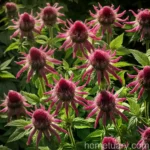
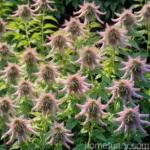
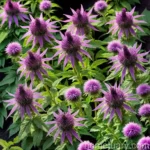
Monarda ‘Fireball’ is a cultivar of Monarda didyma, commonly known as Scarlet Bee Balm. It is a clump-forming herbaceous perennial that is prized for its captivating crimson-red flowers and aromatic foliage. The plant typically reaches a height of 24-36 inches and spreads to about 18-24 inches. Monarda ‘Fireball’ is renowned for its ability to attract pollinators, such as butterflies and hummingbirds, making it a valuable addition to wildlife gardens.
Key Takeaways – Monarda ‘Fireball’ (Bee Balm)
Before we delve into the specifics of Monarda ‘Fireball’, let’s take a quick look at the key takeaways related to this beautiful plant:
- Scientific Name: Monarda didyma ‘Fireball’
- Common Name: Bee Balm
- Plant Type: Perennial
- Height: 24-36 inches
- Spread: 18-24 inches
- Flower Color: Crimson-red
- Attracts: Bees, butterflies, hummingbirds
- Uses: Pollinator gardens, borders, containers
Now that we have an overview of Monarda ‘Fireball’, let’s explore its culture, care requirements, and various aspects of cultivation in detail.
Culture
Uses
Monarda ‘Fireball’ exhibits versatile uses in gardens and landscapes, making it a popular choice for various applications, including:
-
Pollinator Gardens: Due to its attractiveness to bees, butterflies, and hummingbirds, Monarda ‘Fireball’ is often used in pollinator-friendly gardens to support and nurture local wildlife populations.
-
Borders and Edges: Its vibrant and prolific flowers make Monarda ‘Fireball’ an excellent choice for creating colorful borders and defining garden edges, adding visual interest and attracting pollinators to the landscape.
-
Cut Flower Arrangements: The striking crimson-red flowers of Monarda ‘Fireball’ make it a desirable choice for cut flower arrangements, adding a touch of natural beauty to indoor spaces.
-
Container Gardening: This plant’s compact growth habit and eye-catching blooms make it suitable for container gardening, allowing it to be showcased on patios, balconies, and other outdoor spaces.
Water
Monarda ‘Fireball’ thrives in moist, well-draining soil and benefits from consistent moisture, particularly during the active growing season. It is essential to provide regular watering, especially during periods of drought, to ensure the plant’s health and vigor. However, it is equally important to avoid waterlogged conditions, as excessive moisture can lead to root rot and other issues.
Sunlight
This cultivar of Monarda didyma thrives in full sun to partial shade, preferably receiving at least 6-8 hours of direct sunlight daily. Adequate sun exposure encourages robust growth and prolific flowering, contributing to the plant’s overall vigor and visual appeal. However, in regions with intense summer heat, providing afternoon shade can help protect the plant from wilting and stress.
Fertilizer
When it comes to fertilizing Monarda ‘Fireball’, a balanced, slow-release fertilizer applied in early spring can support healthy growth and abundant flowering. Additionally, incorporating organic matter into the soil during planting and top-dressing with compost annually can contribute to the plant’s overall vitality and resilience.
Soil
Monarda ‘Fireball’ thrives in well-draining, fertile soil with a slightly acidic to neutral pH level. Amending the soil with organic matter, such as compost, can enhance its texture and nutrient content, providing an optimal growing medium for the plant. Additionally, ensuring good air circulation around the roots can help prevent issues related to excess moisture and root suffocation.
Pruning
Pruning Monarda ‘Fireball’ primarily involves deadheading spent flowers to encourage continuous blooming and prevent self-seeding. Additionally, removing damaged or diseased foliage can help maintain the plant’s health and appearance. It is essential to conduct any pruning activities with sterilized tools to prevent the spread of diseases.
Propagation
Monarda ‘Fireball’ can be propagated through division or stem cuttings. Division is typically performed in early spring or fall, and it involves separating the plant’s root ball into individual sections, each containing viable roots and growing points. Stem cuttings, taken from healthy, non-flowering shoots, can be rooted in a suitable medium to produce new plants.
Container Popularity
The compact nature and vibrant blooms of Monarda ‘Fireball’ make it well-suited for container gardening. This allows individuals with limited garden space to enjoy the beauty and pollinator-attracting qualities of this plant in various outdoor settings.
Common Diseases
Despite its overall resilience, Monarda ‘Fireball’ is susceptible to a few common diseases, including:
-
Powdery Mildew (Podosphaera xanthii): This fungal disease often manifests as a white, powdery growth on the plant’s foliage. To minimize the risk of powdery mildew, it is advisable to provide good air circulation around the plant, avoid overhead watering, and choose disease-resistant varieties.
-
Leaf Spot: Various fungal pathogens can cause leaf spot, leading to the development of dark, water-soaked lesions on the plant’s leaves. Maintaining good garden sanitation, such as removing and disposing of affected plant debris, can help reduce the incidence of leaf spot.
-
Root Rot: Prolonged periods of soil moisture and poor drainage can contribute to the development of root rot, leading to wilted, discolored foliage and overall decline in plant health. Proper watering practices and soil improvement can aid in preventing this issue.
Disease Diagnosis
Timely diagnosis of diseases affecting Monarda ‘Fireball’ is crucial for implementing appropriate management strategies. Regular inspection of the plant for symptoms such as abnormal leaf discoloration, wilting, or unusual growths can help identify potential issues early on, allowing for prompt intervention and treatment.
Common Pests
While Monarda ‘Fireball’ is relatively resistant to pest infestations, it can occasionally be affected by certain common garden pests, including:
-
Aphids: These small, soft-bodied insects can congregate on the plant’s tender shoots and suck sap from the foliage, potentially causing distortion and yellowing of the leaves. Using a strong blast of water or insecticidal soap can help control aphid populations.
-
Spider Mites: These tiny arachnids can cause stippling and webbing on the plant’s leaves, leading to weakened growth and reduced vigor. Regular monitoring and the application of horticultural oil can aid in managing spider mite infestations.
-
Japanese Beetles: These voracious feeders can skeletonize the foliage of Monarda ‘Fireball’, causing considerable damage if left unchecked. Hand-picking and using pheromone traps can offer some control over Japanese beetle populations.
Botanist’s Tips
To ensure the success and longevity of Monarda ‘Fireball’ in the garden, here are a few valuable tips from botanists and horticultural experts:
-
Companion Planting: Pairing Monarda ‘Fireball’ with companion plants such as echinacea, rudbeckia, and salvia can create visually stunning and ecologically beneficial plant combinations in the garden, attracting a diverse array of pollinators.
-
Regular Monitoring: Conducting regular inspections of the plant for signs of diseases, pests, and nutrient deficiencies can help address potential issues before they escalate, fostering the plant’s overall health and resilience.
-
Mulching: Applying a layer of organic mulch around the base of the plant can help conserve soil moisture, regulate soil temperature, and suppress weed growth, contributing to the plant’s well-being.
Fun Facts
Now, let’s uncover some fascinating and lesser-known facts about Monarda ‘Fireball’:
-
The genus Monarda is named in honor of 16th-century Spanish physician and botanist, Nicolas Monardes.
-
Monarda ‘Fireball’ is often used in herbal medicine for its purported calming and antiseptic properties, earning it the nickname “Oswego tea” due to its historical use by Native American tribes in the Oswego region.
-
In addition to its ornamental and medicinal uses, Monarda ‘Fireball’ can be utilized in culinary applications, with its aromatic leaves adding a unique flavor to teas and salads.
In conclusion, Monarda ‘Fireball’ (Bee Balm) is a captivating and versatile perennial plant that holds immense value in both ornamental and ecological contexts. Its vibrant flowers, attractive fragrance, and pollinator-friendly nature make it a prized addition to gardens, landscapes, and naturalistic plantings. By understanding and implementing the essential cultural practices, care requirements, and pest/disease management strategies outlined in this guide, gardeners can cultivate thriving specimens of Monarda ‘Fireball’, enriching their outdoor spaces with an enduring source of beauty and biodiversity.
We hope this comprehensive guide has provided you with valuable insights into the world of Monarda ‘Fireball’ and has inspired you to explore the endless possibilities of integrating this remarkable plant into your own gardening endeavors.
For further information and detailed resources on Monarda ‘Fireball’, we encourage you to explore the following external links:
- Royal Horticultural Society – Monarda didyma ‘Fireball’
- University of Florida IFAS Extension – Bee Balm for Pollinators
- Missouri Botanical Garden – Monarda didyma ‘Fireball’
We wish you the best of success in your gardening pursuits and the joy of witnessing the splendor of Monarda ‘Fireball’ blossoming in your own green space!