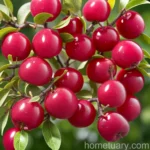
Malus ‘Camelot’ (Crabapple): A Complete Plant Profile
Malus ‘Camelot’, commonly known as Crabapple, is a delightful ornamental tree prized for its showy spring blossoms, vibrant foliage, and decorative fruits. This plant has captured the hearts of gardeners and landscape enthusiasts due to its many attractive features and versatility in various garden settings. In this comprehensive guide, we will delve into the characteristics, cultivation, and care tips for Malus ‘Camelot’ (Crabapple) to help you make the most of this delightful tree in your landscape.
What is Malus ‘Camelot’?
Malus ‘Camelot’ is a variety of Crabapple, which is a member of the Rosaceae family. The genus Malus encompasses a diverse group of small flowering trees and shrubs native to the temperate regions of the Northern Hemisphere. Within this genus, Crabapples are known for their compact size, profuse flowers, and often miniature fruits.
Despite being cultivated largely for ornamental purposes, Crabapples also bear fruit that can be used to make jams, jellies, and even cider. They are often utilized for their ornamental value in gardens, parks, and urban landscapes due to their beautiful spring blossoms, attractive fruits, and captivating fall foliage.
Key Takeaways – Malus ‘Camelot’ (Crabapple)
Characteristics:
- Scientific Name: Malus ‘Camelot’
- Common Name: Crabapple
- Family: Rosaceae
- Origin: Cultivated variety
Plant Type:
- Type: Deciduous tree
- Size: Small to medium-sized, typically 15-25 feet in height and spread
- Shape: Rounded or spreading canopy
Foliage:
- Leaf Color: Green, with potential for variations in fall foliage colors
- Leaf Type: Simple, ovate to elliptical shape
- Leaf Margin: Serrated
Flowers and Fruits:
- Flower Color: Ranging from white to pink to red
- Flower Type: Single or double blossoms, appearing in spring
- Fruit Type: Small pomes (Crabapples), ranging in color from yellow to red
- Fruit Size: Typically less than 2 inches in diameter
Environment and Landscape:
- Hardiness Zones: Typically suited for zones 4-8
- Landscape Use: Ornamental tree for gardens, parks, and urban landscapes
- Wildlife Attraction: Attracts birds and pollinators
With these key characteristics in mind, let’s explore the cultivation and care tips for Malus ‘Camelot’ to ensure it thrives in your landscape.
Culture
Cultivating Malus ‘Camelot’ requires an understanding of its unique cultural needs to ensure it flourishes and exhibits its full ornamental potential. This encompasses its requirements for water, sunlight, fertilizer, soil, and pruning.
Water
Watering Requirements: Like many ornamental trees, Malus ‘Camelot’ benefits from regular watering during its establishment phase and in times of drought. However, it’s important to ensure proper drainage to prevent waterlogging, which can lead to root rot.
Watering Schedule: During the first year after planting, it’s crucial to provide consistent moisture, especially during dry spells. Once established, Crabapples typically have moderate water needs, preferring evenly moist but not waterlogged soil.
Sunlight
Sun Requirements: Malus ‘Camelot’ thrives in full sun to partial shade. It’s best to plant it in a location that receives at least six hours of direct sunlight daily for optimal growth and flowering.
Site Selection: When selecting a site for planting, consider the exposure to sunlight throughout the day and ensure adequate air circulation to promote good health and minimize the risk of foliar diseases.
Fertilizer
Feeding Schedule: Crabapples generally benefit from annual fertilization in early spring, before new growth begins. Using a balanced, slow-release fertilizer formulated for trees and shrubs can provide the necessary nutrients for healthy growth and flowering.
Fertilizer Application: Apply the fertilizer evenly around the drip line of the tree, avoiding direct contact with the trunk. Water the area thoroughly after application to allow the nutrients to penetrate the soil.
Soil
Soil Type: Malus ‘Camelot’ thrives in well-drained, loamy soil with a slightly acidic to neutral pH. Good soil structure and fertility are essential for healthy root development and overall vigor.
Soil Amendment: If the soil is deficient in organic matter, amending it with compost or well-rotted manure can improve its texture, fertility, and moisture-retention capacity.
Pruning
Pruning Needs: Regular pruning is beneficial for maintaining the health and aesthetics of Malus ‘Camelot’. This includes removing dead, damaged, or crossing branches, shaping the canopy, and promoting good air circulation.
Pruning Time: The ideal time for pruning Crabapples is late winter to early spring, before new growth emerges. This helps minimize the risk of disease transmission and ensures the tree’s vigor during the growing season.
Propagation
Propagation Methods:
Seed Propagation:
-
Seed Collection: Collect seeds from ripe Crabapples in the fall, and clean and dry them before stratifying them in the refrigerator for 2-3 months.
-
Sowing Seeds: Plant the stratified seeds in containers or a prepared seedbed in the spring, providing the necessary warmth and moisture for germination.
Grafting:
-
Scion Selection: Select healthy, disease-free branches from the desired variety for grafting onto suitable rootstock.
-
Grafting Technique: Utilize cleft grafting or whip-and-tongue grafting to join the scion and rootstock, ensuring good cambial contact for successful union.
Propagating Malus ‘Camelot’ through either seed or grafting methods can help maintain the desirable traits of the cultivar and expand its presence in your landscape or garden.
Container Popularity
Malus ‘Camelot’ is also suitable for container cultivation, allowing its ornamental beauty to grace patios, balconies, and other outdoor living spaces. When grown in containers, it’s important to consider its specific requirements for soil, watering, and exposure to sunlight.
Container Selection:
-
Choose a large, sturdy container with adequate drainage holes to accommodate the root system and promote good aeration.
-
Consider the visual appeal of the container, as it contributes to the overall display when Malus ‘Camelot’ is grown as a patio or focal point plant.
Soil and Watering:
-
Utilize a well-draining potting mix formulated for trees and shrubs, ensuring proper moisture retention without waterlogging.
-
Water the potted Crabapple regularly, especially during the growing season, and monitor the soil moisture to prevent stress from drying out.
Sunlight Exposure:
-
Position the container in a location that receives ample sunlight, mimicking the plant’s preference for full sun to partial shade.
-
Rotate the container periodically to promote uniform growth and flowering, as well as to prevent excessive leaning towards one direction.
Common Diseases
Despite its ornamental appeal, Malus ‘Camelot’ is susceptible to certain diseases that can impact its overall health and aesthetics. Recognizing the signs and symptoms of these diseases and employing preventive measures are essential for maintaining the vigor of this cultivar.
Disease Diagnosis
Common Diseases:
-
Apple Scab (Venturia inaequalis): Identified by olive-green to black spots on leaves and fruit, along with defoliation in severe cases.
-
Cedar Apple Rust (Gymnosporangium juniperi-virginianae): Manifests as yellow-orange spots or swellings on leaves, often accompanied by abnormal growths on Juniperus species.
-
Fire Blight (Erwinia amylovora): Characterized by wilting, blackened shoots, and cankers on branches, with potential for rapid spread during warm, moist conditions.
-
Powdery Mildew (Podosphaera leucotricha): Evidenced by a powdery white coating on leaves and young shoots, often leading to stunted growth and distortion of foliage.
Disease Prevention Strategies:
-
Select disease-resistant cultivars, such as Malus ‘Camelot’, to minimize the risk of infections and reduce the need for chemical interventions.
-
Maintain good sanitation practices, including the prompt removal and disposal of diseased plant material and the application of preventive fungicides during favorable conditions for disease development.
-
Monitor the tree closely for any signs of disease, and promptly address any symptoms through cultural, biological, or chemical control measures as necessary.
Common Pests
In addition to diseases, Malus ‘Camelot’ may also be vulnerable to insect pests that can affect its growth and overall performance. Familiarizing yourself with the common pests and their control methods is crucial for preserving the health and beauty of this ornamental tree.
Insect Pests:
Common Pests:
-
Aphids: Small, sap-sucking insects that congregate on new growth, causing leaf distortion and honeydew excretion.
-
Caterpillars: Larvae of various moth species that feed on foliage, potentially leading to defoliation if left unchecked.
-
Scale Insects: Immobile pests that cause yellowing of leaves and excrete honeydew, often leading to sooty mold development.
-
Japanese Beetles: Chewing insects that consume foliage and flowers, resulting in significant damage during infestations.
Pest Control Strategies:
-
Encourage natural predators, such as ladybugs and lacewings, to assist in managing aphid populations through biological control.
-
Regularly inspect the tree for signs of pest infestations, and employ targeted control measures, including insecticidal soaps and horticultural oils, to address specific pest issues.
-
Utilize physical barriers and traps for certain pests, such as Japanese beetles, to limit their impact on the Crabapple tree.
By staying vigilant and implementing integrated pest management practices, you can effectively safeguard Malus ‘Camelot’ from damaging pest infestations.
Botanist’s Tips
Best Growing Conditions:
-
Plant Malus ‘Camelot’ in well-drained soil and a location that receives ample sunlight for optimal growth and flowering.
-
Ensure proper airflow and avoid overhead watering to minimize the risk of foliar diseases and promote good overall plant health.
Seasonal Care:
-
Mulch the base of the tree in spring to conserve soil moisture and reduce weed competition, but avoid piling mulch against the trunk to prevent moisture-related issues.
-
Monitor the tree closely during periods of high disease and pest activity, taking proactive measures to maintain its health and vitality.
Aesthetics and Design:
-
Incorporate Malus ‘Camelot’ into mixed plantings and landscape designs to capitalize on its seasonal beauty and ornamental value in the garden.
-
Consider its spring blooms, fall foliage colors, and decorative fruits when integrating it into garden compositions or as a focal point in the landscape.
Fun Facts
-
The fruits of Crabapples are not only ornamental but can also be used in culinary applications, including making preserves, jellies, and even cider.
-
Crabapples contribute to wildlife conservation by attracting birds and pollinators with their flowers and fruits, supporting biodiversity in the garden.
-
Some varieties of Crabapples, including Malus ‘Camelot’, exhibit remarkable drought tolerance, making them suitable for landscapes with challenging environmental conditions.
-
The visual appeal of Crabapples extends beyond their spring blossoms, as many cultivars, including ‘Camelot’, showcase vibrant fall foliage colors.
With these captivating characteristics and valuable insights in mind, it’s clear that Malus ‘Camelot’ (Crabapple) is an exceptional addition to any garden or landscape, offering beauty and functionality throughout the seasons.
Links to External Resources
For more in-depth information and resources on Malus ‘Camelot’ (Crabapple), consider exploring the following reputable sources:
- The American Crabapple – University of Florida
- Crabapples for the Home Landscape – University of Vermont Extension
- Ornamental Crabapples – Iowa State University Extension and Outreach
- Crabapple Selection and Landscape Use – University of Missouri Extension
- Planting and Care of Trees and Shrubs – Virginia Cooperative Extension
These resources offer additional insights on the cultivation, care, and landscape use of Crabapples, enriching your understanding of Malus ‘Camelot’ and its role in horticulture and urban greening.
In conclusion, Malus ‘Camelot’ (Crabapple) stands as a testament to the beauty and resilience of ornamental trees, enriching gardens and landscapes with its captivating blooms, vibrant foliage, and decorative fruits. By embracing its unique characteristics and addressing its specific cultural needs, you can cultivate and enjoy the enduring appeal of this exceptional tree in your outdoor spaces.
For more information or specific queries about Malus ‘Camelot’ (Crabapple), feel free to consult with local horticulturists, botanical gardens, or Cooperative Extension services for personalized guidance and recommendations tailored to your region.
With the completion of this thorough guide, I believe you now have a comprehensive understanding of the wonderful Malus ‘Camelot’ and its prominent place in the world of horticulture. If you need any further detailed information on specific aspects or have particular queries, do not hesitate to reach out. I am more than happy to assist you in any way I can.