Lathyrus Odoratus ‘Spencer Mix’ (Sweet Pea)
Lathyrus odoratus ‘Spencer Mix’, commonly known as Sweet Pea ‘Spencer Mix’, is a highly popular and beloved flowering plant among gardeners. Renowned for.
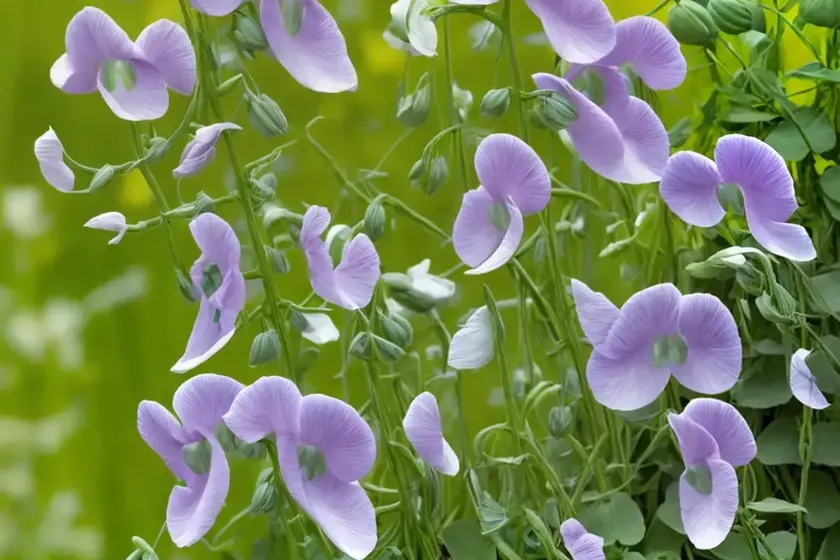
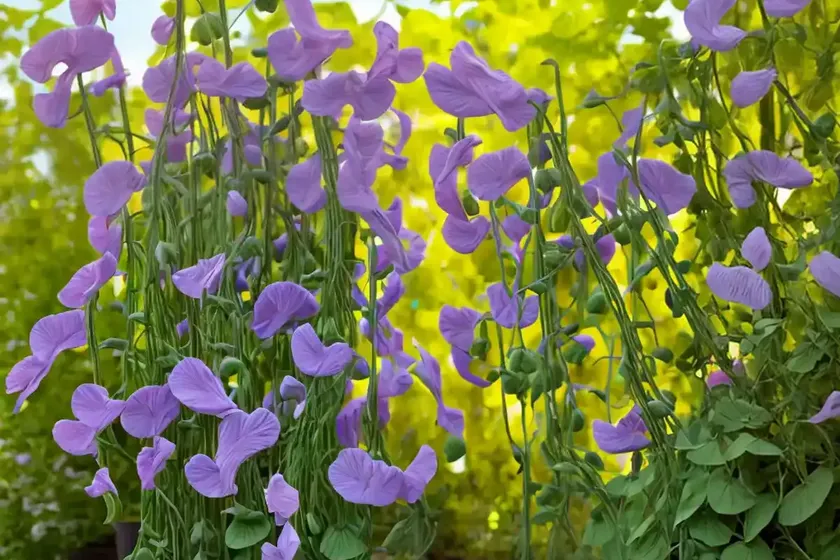
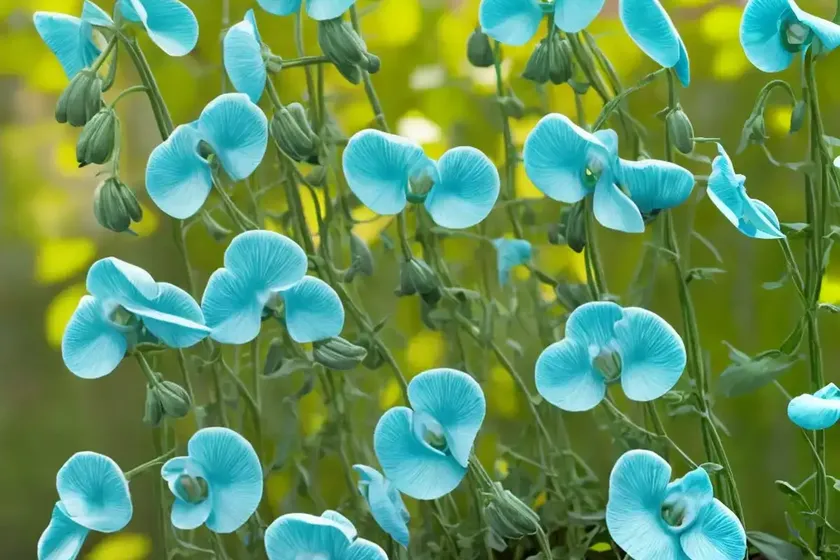
Lathyrus odoratus ‘Spencer Mix’, commonly known as Sweet Pea ‘Spencer Mix’, is a highly popular and beloved flowering plant among gardeners. Renowned for its vibrant and fragrant flowers, this plant offers a myriad of cultivars and variations, making it a versatile and appealing choice for both beginner and experienced gardeners. In this comprehensive guide, we will delve into the various aspects of Sweet Pea ‘Spencer Mix’, including its cultural requirements, uses, propagation, and maintenance, as well as common diseases and pests that may affect it. Additionally, we will explore its historical significance, symbolism, and provide valuable tips from a botanist’s perspective.
What is Lathyrus odoratus ‘Spencer Mix’ (Sweet Pea)?
Lathyrus odoratus ‘Spencer Mix’, a member of the Lathyrus odoratus species, is a flowering plant known for its charming, fragrant blooms. It belongs to the Fabaceae family and is native to Sicily, southern Italy, and the Aegean Islands. The ‘Spencer Mix’ variety of Sweet Pea is particularly cherished for its diverse range of flower colors and its delightful fragrance, making it a popular choice for ornamental purposes.
The Sweet Pea ‘Spencer Mix’ is an annual plant that produces climbing vines, adorned with clusters of delicate, butterfly-shaped flowers. Its enchanting blooms are a sight to behold, and they attract pollinators, adding a touch of natural splendor to gardens and outdoor spaces. With its rich history, versatile uses, and captivating aesthetic appeal, Sweet Pea ‘Spencer Mix’ continues to captivate the hearts of gardening enthusiasts worldwide.
Key Takeaways – Lathyrus odoratus ‘Spencer Mix’ (Sweet Pea)
Before delving into the specifics of cultivating and caring for Sweet Pea ‘Spencer Mix’, let’s first outline the essential key takeaways associated with this charming plant:
- Lathyrus odoratus ‘Spencer Mix’ is a beloved variety of Sweet Pea, renowned for its diverse flower colors and delightful fragrance.
- It is an annual climbing plant that belongs to the Fabaceae family, with origins in southern Europe.
- The ‘Spencer Mix’ cultivar offers a wide range of color variations, making it a versatile and appealing choice for ornamental and aesthetic purposes.
- This plant is known for its fragrant, butterfly-shaped flowers, which attract pollinators and add natural beauty to outdoor spaces.
- The Sweet Pea ‘Spencer Mix’ holds historical significance and evokes symbolism, making it a cherished and meaningful addition to gardens and landscapes.
Now that we have established an overview of Lathyrus odoratus ‘Spencer Mix’, let’s explore the specific cultural and maintenance requirements essential for its successful growth and flourishing.
Culture
Uses
Sweet Pea ‘Spencer Mix’ holds a revered position in the realm of horticulture and gardening, offering versatile uses and applications. Its charming, fragrant blooms make it a popular choice for the following purposes:
- Ornamental Gardening: The vibrant and alluring flowers of the ‘Spencer Mix’ variety make it an excellent addition to ornamental gardens, where it can be showcased in borders, containers, or grown as a climbing vine.
- Cut Flower Production: The long, sturdy stems of the Sweet Pea ‘Spencer Mix’ make it an ideal candidate for cut flower production, serving as a remarkable addition to floral arrangements and bouquets.
- Wildlife Attraction: The fragrant blooms of the ‘Spencer Mix’ variety have the added benefit of attracting pollinators, such as butterflies and bees, contributing to the overall biodiversity of garden spaces.
Water
Proper watering is crucial for the healthy growth and blooming of Sweet Pea ‘Spencer Mix’. It is essential to maintain a consistent watering schedule, ensuring that the soil remains evenly moist without becoming waterlogged. During periods of active growth and flowering, regular watering is vital to support the plant’s vigor and floral abundance.
- Watering Frequency: Sweet Pea ‘Spencer Mix’ generally requires frequent watering, especially during dry spells or hot weather. Aim to water the plant at least once or twice a week, adjusting the frequency based on environmental conditions and soil moisture levels.
- Soil Moisture: While the soil should be consistently moist, it is crucial to avoid waterlogging, as excessively wet conditions can lead to root rot and other detrimental effects on plant health.
Sunlight
Proper sunlight exposure is essential to ensure the robust growth and prolific blooming of Sweet Pea ‘Spencer Mix’. Adequate sunlight is crucial for stimulating flower production and maintaining the plant’s overall vigor.
- Sun Requirements: Lathyrus odoratus ‘Spencer Mix’ thrives in full sun to partial shade, preferring at least 6-8 hours of direct sunlight per day. Positioning the plant in a location with sufficient sunlight exposure is vital for encouraging healthy growth and abundant flowering.
Fertilizer
To support the nutrient requirements of Sweet Pea ‘Spencer Mix’ and enhance its blooming potential, the application of appropriate fertilizers can be beneficial. A balanced approach to fertilization can contribute to the plant’s overall health and vitality.
- Fertilization Schedule: Begin fertilizing Sweet Pea ‘Spencer Mix’ in the early stages of growth, using a balanced, all-purpose fertilizer to provide essential nutrients for the plant’s development. Incorporate a high-phosphorus fertilizer to promote robust flowering and the production of vibrant blooms.
- Application Method: Apply the fertilizer according to the manufacturer’s instructions, and avoid excessive or concentrated applications, as this can lead to fertilizer burn and adverse effects on the plant’s health.
Soil
The selection of suitable soil and the maintenance of optimal soil conditions are pivotal factors in fostering the thriving growth of Sweet Pea ‘Spencer Mix’. Ensuring that the plant is provided with a favorable soil environment is essential for its overall well-being.
- Soil Type: Lathyrus odoratus ‘Spencer Mix’ thrives in well-draining, fertile soil with a slightly acidic to neutral pH. A loamy, nutrient-rich soil provides an ideal medium for the plant’s root development and supports its nutritional requirements.
- Soil Preparation: Prior to planting, ensure that the soil is adequately prepared, with any necessary amendments incorporated to enhance its fertility and drainage capacity.
Pruning
Effective and timely pruning is a valuable practice for maintaining the vigor and promoting the abundant flowering of Sweet Pea ‘Spencer Mix’. By employing proper pruning techniques, gardeners can optimize the plant’s aesthetic appeal and prevent the development of overgrown or tangled growth.
- Pruning Method: Regularly remove spent flowers and seed pods to encourage continuous blooming and prevent the plant from diverting energy into seed production. Additionally, pruning back excessive foliage and leggy growth can help maintain a compact and tidy appearance.
- Pruning Frequency: Engage in routine deadheading and light pruning throughout the growing season to stimulate new growth and prolific flowering.
Propagation
The propagation of Sweet Pea ‘Spencer Mix’ offers an opportunity to expand and share the plant’s beauty, creating additional specimens for enjoyment and ornamental purposes. Various propagation methods can be employed to cultivate new plants and perpetuate the delightful attributes of this beloved variety.
- Seed Propagation: Utilize the seeds of Sweet Pea ‘Spencer Mix’ for propagation, sowing them directly in the desired location in the garden or in containers. Start seeds indoors in the early spring and transplant them into the garden once the risk of frost has passed.
- Division: In some cases, dividing established Sweet Pea ‘Spencer Mix’ plants can be an effective method of propagation, providing an opportunity to create new individuals from existing clumps.
Container Popularity
The ‘Spencer Mix’ variety of Sweet Pea holds significant appeal for container gardening enthusiasts, offering an array of benefits and aesthetic rewards when grown in containers or pots.
- Space Optimization: Container gardening with Sweet Pea ‘Spencer Mix’ allows for the effective utilization of limited space, making it an ideal choice for balconies, patios, and small outdoor areas.
- Aesthetics: The charming, cascading nature of Sweet Pea ‘Spencer Mix’ makes it an enchanting addition to container gardens, providing vertical interest and colorful blooms to enhance outdoor spaces.
Common Diseases
While Sweet Pea ‘Spencer Mix’ is generally resilient, it is not immune to certain diseases that can affect its health and vitality. Understanding the common diseases that may afflict this plant is essential for implementing preventive measures and timely interventions to preserve its well-being.
Disease Diagnosis
Several diseases can potentially impact Sweet Pea ‘Spencer Mix’, manifesting through various symptoms and signs that require accurate diagnosis for effective management and control.
- Powdery Mildew: Powdery mildew can present as a white, powdery growth on the plant’s leaves and stems, potentially leading to decreased vigor and aesthetic decline.
- Root Rot: Excessive moisture and poorly-draining soil can contribute to the development of root rot, characterized by wilting, yellowing foliage, and stunted growth.
- Grey Mold (Botrytis cinerea): Grey mold can manifest as fuzzy, grey growth on affected plant parts, often accompanied by decay and deterioration of flowers and foliage.
Common Pests
Sweet Pea ‘Spencer Mix’ may also be susceptible to infestations by various pests, necessitating vigilant monitoring and proactive pest management strategies to safeguard the plant’s health.
- Aphids: These small, sap-sucking insects can colonize the tender shoots and flower buds of Sweet Pea ‘Spencer Mix’, potentially causing distorted growth and the spread of viral diseases.
- Spider Mites: Infestations by spider mites can lead to the development of webbing and stippling on the plant’s leaves, resulting in diminished photosynthetic capacity and overall decline in health.
Botanist’s Tips
Drawing upon the expertise of botanists and horticultural specialists, the following tips can serve as invaluable guidance for cultivating and caring for Sweet Pea ‘Spencer Mix’ with optimal success.
- Selecting Cultivars: Explore the diverse range of ‘Spencer Mix’ cultivars and variations to incorporate a medley of captivating colors and fragrances into garden displays, fostering a distinctive and enchanting appeal.
- Companion Planting: Pair Sweet Pea ‘Spencer Mix’ with complementary companion plants, such as flowering annuals or perennials, to create visually appealing and harmonious garden ensembles.
- Vertical Supports: Provide sturdy and aesthetically appealing vertical supports, such as trellises or arbors, to guide the climbing growth of Sweet Pea ‘Spencer Mix’ and showcase its charming blooms.
Fun Facts
- Historically, Sweet Peas, including the ‘Spencer Mix’ variety, have been associated with sentiments of gratitude and appreciation, making them fitting additions to floral arrangements and gifts.
- The captivating fragrance of Sweet Pea ‘Spencer Mix’ flowers has inspired poets and artists, perpetuating the plant’s endearing allure and cultural significance.
Links to External Resources
For further information and resources on Lathyrus odoratus ‘Spencer Mix’ (Sweet Pea), explore the following links:
- Royal Horticultural Society: Lathyrus odoratus
- University of Florida Gardening Solutions: Sweet Pea
- American Society for the Prevention of Cruelty to Animals (ASPCA): Plants Toxic to Animals – Sweet Pea
Now armed with a comprehensive understanding of Lathyrus odoratus ‘Spencer Mix’ (Sweet Pea), horticultural enthusiasts are well-equipped to embark on the journey of cultivating this charming and revered plant, harnessing its ornamental beauty and fragrant allure to enrich garden spaces and create lasting natural impressions. Whether adorning trellises, vining along fences, or gracing containers, Sweet Pea ‘Spencer Mix’ is sure to captivate the senses and evoke a sense of enduring charm.


