Malus ‘Adirondack’ (Crabapple) – A Comprehensive Guide
Introduction
Malus ‘Adirondack’, commonly known as Crabapple, is a stunning flowering tree native to North America. It belongs to the Rosaceae family and is renowned for its beautiful blossoms, ornamental fruits, and vibrant foliage. In this comprehensive guide, we will delve into the various aspects of the Malus ‘Adirondack’, including its culture, uses, care requirements, diseases, and pests, along with valuable tips for maintaining and propagating this captivating tree.
What is Malus ‘Adirondack’ (Crabapple)?
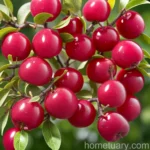
Malus ‘Adirondack’ is a deciduous tree renowned for its captivating display of vibrant blossoms in the spring, followed by striking fruits that persist through fall and, in some cases, even through winter. This tree is also valued for its ornamental foliage, which transitions to rich and fiery hues during the autumn season.
Key Takeaways – Malus ‘Adirondack’ (Crabapple)
Before delving into the specifics of caring for Malus ‘Adirondack’, it’s essential to understand its key attributes and requirements.
1. Culture
Malus ‘Adirondack’ thrives in fertile, well-draining soils and requires regular watering and ample sunlight to flourish.
2. Uses
This tree is highly esteemed for its ornamental value in landscaping and is often used for aesthetic enhancement in gardens, parks, and residential areas.
3. Water
Adequate irrigation, particularly during the initial stages of growth, is crucial for the establishment and sustained vitality of Malus ‘Adirondack’.
4. Sunlight
An abundance of sunlight is essential for the optimal growth and flower production of Crabapple trees.
5. Fertilizer
Proper fertilization enhances the growth and blooming of Malus ‘Adirondack’ and helps maintain its overall health.
6. Soil
Well-draining, fertile soil with a slightly acidic to neutral pH is ideal for the robust development of Crabapple trees.
7. Pruning
Regular pruning is necessary to maintain the tree’s shape, remove dead or diseased branches, and promote vigorous growth and flowering.
8. Propagation
Crabapple trees can be propagated from seeds, cuttings, or grafting techniques to preserve desirable traits and features.
9. Container Popularity
While typically grown in open landscapes, Malus ‘Adirondack’ can thrive in containers, serving as a beautiful addition to patios and urban settings.
10. Common Diseases
The susceptibility of Crabapple trees to certain diseases necessitates attentive monitoring and appropriate measures to prevent and manage infections.
11. Disease Diagnosis
Identifying and promptly addressing diseases affecting Malus ‘Adirondack’ is critical for its long-term health and vitality.
12. Common Pests
Certain pests have the potential to inflict damage on Crabapple trees, necessitating effective pest management strategies for their control.
13. Botanist’s Tips
Valuable insights and guidelines from experienced botanists can significantly contribute to the successful cultivation and maintenance of Malus ‘Adirondack’.
14. Fun Facts
Exploring intriguing and lesser-known aspects of Crabapple trees can enrich your understanding and appreciation of these captivating plants.
15. Links to External Resources
Access to reliable external resources can deepen your knowledge of Malus ‘Adirondack’, its care requirements, and associated aspects.
Now that we have a comprehensive overview of the key takeaways, let’s delve into each of these facets in detail, providing valuable information that can serve as a definitive guide for the cultivation and maintenance of Malus ‘Adirondack’.
Malus ‘Adirondack’ (Crabapple) Care
The care and maintenance of Malus ‘Adirondack’ are essential for ensuring the vigor, resilience, and ornamental appeal of this captivating tree. This section provides an in-depth exploration of the various aspects of caring for Crabapple trees, covering watering, sunlight requirements, fertilization, soil conditions, pruning, propagation, and container cultivation.
Water
Water is a critical component in the growth and sustenance of Malus ‘Adirondack’. Adequate hydration is particularly vital during the initial stages of growth, as it facilitates the establishment of a strong root system. Regular and consistent watering, especially during prolonged dry spells, supports the overall health and vitality of the tree.
Furthermore, it’s imperative to monitor the moisture levels in the soil, ensuring that it remains adequately moist without being waterlogged. Overwatering can lead to root rot and other detrimental conditions, while underwatering can result in stress and diminished growth. Striking a balance and adapting the watering frequency based on environmental conditions and the tree’s specific requirements is key to successful care.
Sunlight
An ample supply of sunlight is imperative for the robust growth and prolific flower production of Malus ‘Adirondack’. When selecting a planting location, prioritize areas that receive full to partial sunlight, as these conditions are conducive to the tree’s overall well-being and the development of its signature blossoms and fruits.
Insufficient sunlight can impede the tree’s growth and lead to diminished flowering, compromising its ornamental allure. Therefore, it’s essential to choose a planting site that receives at least 6-8 hours of direct sunlight daily, providing the ideal conditions for the optimal development of Malus ‘Adirondack’.
Fertilizer
Appropriate fertilization is instrumental in bolstering the growth and blooming of Malus ‘Adirondack’. A balanced and nutrient-rich fertilizer, preferably formulated for flowering trees, can substantially enhance the tree’s vitality and ornamental appeal. In general, a slow-release fertilizer applied in early spring, before the onset of new growth, can provide the necessary nutrients for robust development and vibrant blossoming.
Regular fertilization, in conjunction with proper watering and sunlight exposure, contributes to the sustained health and vigor of Crabapple trees, enabling them to thrive and exhibit their captivating ornamental features.
Soil
The soil composition and quality directly impact the growth and overall health of Malus ‘Adirondack’. Well-draining soil with a slightly acidic to neutral pH is optimal for ensuring the robust development of the tree. Loamy, fertile soils that retain adequate moisture without becoming waterlogged are particularly well-suited for Crabapple trees.
Conducting a soil test to assess its composition and pH levels can provide valuable insights into the necessary amendments or adjustments required to create an optimal growing environment for Malus ‘Adirondack’. Additionally, incorporating organic matter, such as compost or well-rotted manure, into the soil can enhance its fertility, structure, and moisture retention capabilities, further fostering the tree’s sustained vitality and ornamental appeal.
Pruning
Pruning plays a pivotal role in the maintenance and aesthetic enhancement of Malus ‘Adirondack’. Regular pruning, conducted during the dormant season in late winter or early spring, promotes the tree’s structural integrity, removes dead or diseased branches, and stimulates vigorous growth and flowering.
When embarking on the pruning process, it’s essential to employ sharp and sterile pruning tools to minimize the risk of damage or infection. Additionally, adhering to proper pruning techniques, such as making clean and precise cuts at the appropriate angles, contributes to the overall health and visual appeal of the tree.
Furthermore, selective pruning can mitigate overcrowding, improve air circulation, and shape the tree to achieve a desired form and structure. By addressing these key aspects through diligent and strategic pruning, the ornamental value and long-term health of Malus ‘Adirondack’ can be notably enhanced.
Propagation
The propagation of Malus ‘Adirondack’ can be accomplished through various techniques, including seeds, cuttings, and grafting. Each method offers unique advantages and is employed based on specific objectives, such as preserving desirable traits, genetic diversity, and ornamental characteristics.
Propagation from Seeds:
– Extracting seeds from ripe Crabapple fruits and sowing them in a prepared seedbed or container provides a viable method for propagating Malus ‘Adirondack’.
– To enhance germination rates, the seeds can be stratified in a moist, refrigerated environment for a specified duration before being sown.
Propagation from Cuttings:
– Softwood or hardwood cuttings derived from healthy and vigorous branches of Malus ‘Adirondack’ can be rooted to produce genetically identical clones of the parent tree.
– Proper preparation, hormone application, and optimal environmental conditions can facilitate the successful rooting of the cuttings, leading to the establishment of new Crabapple trees.
Grafting Techniques:
– Grafting is a valuable method for preserving specific traits and characteristics of Malus ‘Adirondack’.
– By uniting a selected scion, representing the desired traits, with a compatible rootstock, the resulting plant inherits the distinctive features of the parent tree.
Implementing the appropriate propagation method based on the intended goals and resources can facilitate the expansion and preservation of the striking attributes of Malus ‘Adirondack’, ensuring its long-term presence and ornamental impact.
Container Cultivation
While Malus ‘Adirondack’ is predominantly grown in open landscapes, it can also thrive in containers, serving as a captivating addition to patios, balconies, and urban settings. Cultivating Crabapple trees in containers enables individuals with limited outdoor space to enjoy the aesthetic allure and seasonal variations characteristic of this tree.
When selecting a container for Malus ‘Adirondack’, opt for a sizeable vessel with adequate drainage holes to prevent waterlogging and facilitate root aeration. Utilize a high-quality potting mix that offers good drainage and nutrient retention, promoting the sustained vitality and vigor of the tree.
Regular watering, exposure to sunlight, and balanced fertilization are crucial for ensuring the optimal growth and ornamental appeal of Crabapple trees cultivated in containers. Furthermore, periodic repotting and root pruning, as necessary, contribute to the sustained health and expansion of the tree within the confines of a container.
By incorporating these guidelines and tailoring them to the specific requirements of container cultivation, individuals can relish the visual splendor and seasonal transitions showcased by Malus ‘Adirondack’ in a restricted space, adding a touch of natural beauty to urban environments.
Malus ‘Adirondack’ (Crabapple) Disease and Pest Management
The susceptibility of Malus ‘Adirondack’ to certain diseases and pests necessitates vigilant monitoring and proactive measures to prevent, diagnose, and effectively manage these challenges. This section provides comprehensive insights into the common diseases and pests affecting Crabapple trees, along with valuable disease management and pest control strategies.
Common Diseases
Malus ‘Adirondack’ is vulnerable to various diseases, including fungal infections, bacterial pathogens, and other detrimental conditions that can compromise the tree’s health and ornamental appeal.
1. Cedar-Apple Rust (Gymnosporangium juniperi-virginianae)
– Cedar-apple rust is a prevalent fungal disease that affects Crabapple trees, characterized by the formation of distinctive spore-bearing structures on the tree’s leaves and fruit.
– To manage cedar-apple rust, employing resistant cultivars, removing nearby cedar trees, and employing fungicidal treatments can mitigate the impact of this disease.
2. Apple Scab (Venturia inaequalis)
– Apple scab, caused by the fungal pathogen Venturia inaequalis, presents as dark, scab-like lesions on the leaves and fruits of Malus ‘Adirondack’, potentially leading to defoliation and diminished vigor.
– Implementing proper sanitation practices, utilizing resistant cultivars, and applying fungicidal sprays can aid in the prevention and management of apple scab.
3. Fire Blight (Erwinia amylovora)
– Fire blight, a bacterial disease caused by Erwinia amylovora, can affect Crabapple trees, leading to wilting, cankers, and the characteristic appearance of scorched foliage.
– Mitigating fire blight involves removing infected branches, employing resistant cultivars, and implementing preventative measures, such as appropriate pruning and sanitation practices.
4. Powdery Mildew (Podosphaera leucotricha)
– Powdery mildew is a fungal disease characterized by the development of white, powdery growth on the leaves and shoots of Malus ‘Adirondack’, potentially impairing its overall health and vitality.
– Promoting good air circulation, utilizing resistant cultivars, and applying fungicidal treatments can aid in the prevention and management of powdery mildew.
5. Sooty Blotch and Flyspeck
– Sooty blotch and flyspeck are cosmetic fungal diseases that manifest as dark, blemished spots on the fruits and, to a lesser extent, on the leaves of Crabapple trees.
– Adhering to proper sanitation practices, employing fungicidal treatments, and implementing cultural measures can contribute to the management of sooty blotch and flyspeck.
Disease Diagnosis
The accurate identification of diseases affecting Malus ‘Adirondack’ is crucial for implementing targeted and effective management strategies. Conducting thorough visual inspections, consulting with experienced horticulturists, and utilizing diagnostic resources can aid in the prompt recognition and diagnosis of diseases, enabling the timely deployment of appropriate intervention measures.
Developing a keen understanding of the specific symptoms and manifestations associated with common diseases, along with their respective life cycles and environmental triggers, can facilitate the discernment of disease conditions and the formulation of tailored management approaches.
Common Pests
Various pests have the potential to inflict damage on Crabapple trees, necessitating vigilant monitoring and strategic pest management measures to mitigate their impact on the tree’s health and ornamental appeal.
1. Aphids
– Aphids are small, sap-sucking insects that can infest Malus ‘Adirondack’, leading to stunted growth, distorted leaves, and the secretion of honeydew.
– Implementing natural predators, such as ladybugs and lacewings, employing dormant oil sprays, and practicing regular hosing can aid in controlling aphid populations.
2. Spider Mites
– Spider mites are diminutive arachnids that feed on the foliage of Crabapple trees, causing stippling, discoloration, and diminished vigor.
– Employing predatory mites, introducing natural enemies, and maintaining proper humidity levels can assist in managing spider mite infestations.
3. Caterpillars
– Caterpillars, the larval stage of various moth species, can defoliate Malus ‘Adirondack’ through their voracious feeding habits, potentially impacting the tree’s health and aesthetic appeal.
– Utilizing biological insecticides, such as Bacillus thuringiensis (Bt), and manually removing caterpillars can aid in controlling their populations and minimizing their impact.
4. Scale Insects
– Scale insects, characterized by their immobile, protective shells, can infest Crabapple trees, leading to weakened growth, yellowing foliage, and the secretion of honeydew.
– Applying horticultural oils, introducing natural predators, and pruning infested branches can contribute to the effective management of scale insect infestations.
5. Japanese Beetles
– Japanese beetles, notorious for their voracious appetite and defoliating behavior, can pose a threat to Malus ‘Adirondack’, necessitating prompt intervention measures to prevent substantial damage.
– Implementing pheromone traps, employing insecticidal treatments, and conducting manual removal can aid in managing Japanese beetle populations and minimizing their impact on the tree.
Pest Prevention and Disease Management
Utilizing integrated pest management (IPM) strategies, incorporating cultural practices, and implementing preventative measures are essential components of effective pest prevention and disease management for Malus ‘Adirondack’.
By prioritizing practices such as proper sanitation, promoting natural predators, monitoring pest populations, and employing targeted intervention measures when necessary, individuals can proactively safeguard the health and ornamental appeal of Crabapple trees, minimizing the impact of pests and diseases on their vitality and aesthetic allure.
Botanist’s Tips for Growing Malus ‘Adirondack’
Drawing from the expertise and wisdom of seasoned botanists can provide valuable insights and guidelines for the successful cultivation and maintenance of Malus ‘Adirondack’.
1. Soil Preparation:
– Prior to planting, ensure that the soil is well-draining, fertile, and conducive to the optimal growth of Crabapple trees. Incorporating organic matter, such as compost or well-rotted manure, can enhance the soil’s fertility and structure, establishing a favorable environment for the tree’s vitality.
2. Planting Considerations:
– Select a planting site that receives ample sunlight and offers sufficient space for the mature growth of Malus ‘Adirondack’. Prioritize locations with good air circulation and minimal competition from surrounding vegetation, fostering the tree’s health and vigor.
3. Disease-Resistant Cultivars:
– When choosing Crabapple tree varieties, consider selecting disease-resistant cultivars to mitigate the impact of prevalent diseases and promote the sustained health of the tree.
4. Pruning Best Practices:
– Adhere to proper pruning techniques, ensuring the use of sharp and sterile pruning tools to minimize the risk of injury and infection. Additionally, tailor the pruning approach to remove dead or diseased branches, maintain a balanced structure, and stimulate robust growth and flowering.
5. Pest Monitoring and Identification:
– Regularly monitor the tree for signs of pest infestations and promptly identify the pests impacting its health and vigor. Accurate pest diagnosis facilitates targeted intervention measures and the mitigation of pest populations.
6. Seasonal Maintenance:
– Implement seasonal maintenance practices, such as fertilization, irrigation, and pruning, to support the sustained vitality and ornamental appeal of Malus ‘Adirondack’ throughout the year.
7. Consultation and Collaboration:
– Engage with local horticultural experts, botanists, and nursery professionals to seek personalized advice and insights tailored to the specific growing conditions and requirements of Malus ‘Adirondack’.
Fun Facts about Malus ‘Adirondack’
Exploring intriguing and lesser-known aspects of Malus ‘Adirondack’ can enrich your understanding and appreciation of these captivating trees. Here are some compelling fun facts about Crabapple trees:
1. Ornamental Fruits:
– Crabapple trees produce small, colorful fruits that persist through fall and, in certain cases, even through winter, adding a delightful touch of color to the landscape.
2. Autumn Foliage:
– The foliage of Malus ‘Adirondack’ undergoes a vivid transformation during the autumn season, transitioning to rich and fiery hues that enhance the visual appeal of the tree.
3. Wildlife Attraction:
– The blossoms and fruits of Crabapple trees attract various wildlife, including birds, bees, and butterflies, contributing to the ecological diversity and vibrancy of the surrounding environment.
4. Landscape Versatility:
– Malus ‘Adirondack’ serves as an elegant and versatile addition to landscaping, offering aesthetic appeal, seasonal variations, and ornamental value in a diverse range of settings.
5. Historical Significance:
– Crabapple trees hold historical and cultural significance, with certain varieties having enduring legacies and associations with folklore, art, and culinary traditions.
6. Symbolism and Traditions:
– Throughout history, Crabapple trees