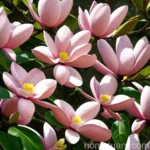
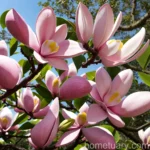
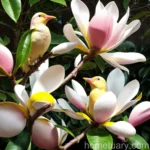
Magnolia grandiflora ‘Kay Parris’ (Southern Magnolia)
Magnolia grandiflora ‘Kay Parris’ is a stunning, evergreen tree known for its glossy, leathery leaves and large, fragrant white flowers. As a plant scientist, I’m excited to share with you the key takeaways and in-depth information about this beautiful Southern Magnolia. In this comprehensive guide, I’ll cover its culture, uses, water and sunlight requirements, fertilizer needs, soil preferences, pruning techniques, propagation methods, care in containers, popularity, common diseases, pests, fun facts, botanist’s tips, and links to external resources. Let’s dive into the world of Magnolia grandiflora ‘Kay Parris’ and explore the best practices for its cultivation and care.
What is Magnolia grandiflora ‘Kay Parris’?
Magnolia grandiflora ‘Kay Parris’ is a cultivar of the Southern Magnolia tree, botanically known as Magnolia grandiflora. This evergreen plant is cherished for its ornamental value, vibrant foliage, and striking blossoms. The ‘Kay Parris’ variety is particularly admired for its compact size, making it an ideal choice for smaller garden spaces or as a decorative container plant.
Key Takeaways – Magnolia grandiflora ‘Kay Parris’ (Southern Magnolia)
Let’s explore the key takeaways associated with the Southern Magnolia ‘Kay Parris’:
- Scientific Name: Magnolia grandiflora ‘Kay Parris’
- Common Name: Southern Magnolia, Bull Bay
- Family: Magnoliaceae
- Origin: United States
- Type: Evergreen Tree
- Mature Height: 20-30 feet
- Mature Spread: 10-15 feet
- Growth Rate: Moderate
- Flower Color: Creamy White
- Bloom Time: Late Spring to Early Summer
- Foliage: Glossy, Leathery, Dark Green
- Fragrance: Highly Fragrant
- USDA Hardiness Zones: 7-9
- Uses: Ornamental, Shade Tree, Fragrance
Now, let’s delve into the detailed care and cultivation aspects associated with this magnificent plant.
Culture
Cultivating Magnolia grandiflora ‘Kay Parris’ requires a good understanding of its specific cultural preferences, including water, sunlight, fertilizer, soil conditions, and pruning requirements.
Uses
The Southern Magnolia ‘Kay Parris’ offers a multitude of uses in landscape and garden settings, thanks to its captivating features and adaptability. Here are some common uses for this exquisite tree:
- Ornamental Tree: It serves as a stunning ornamental tree with its large, showy flowers and glossy foliage.
- Shade Tree: Due to its broad, evergreen canopy, it offers excellent shade and respite from the sun’s heat.
- Fragrance: The sweet fragrance of its blossoms makes it a valuable addition to gardens and parks.
- Landscape Focal Point: It can be a magnificent focal point in the landscape, drawing attention with its picturesque appearance.
Water
Proper watering is essential for establishing and maintaining healthy growth in Magnolia grandiflora ‘Kay Parris’. By understanding its water requirements, you can ensure the tree’s optimal health and vitality.
- Establishment Phase: Newly planted trees require regular watering to help the root system establish. Provide sufficient water during dry periods.
- Mature Trees: Once established, Southern Magnolias have good drought tolerance. However, during prolonged dry spells, supplemental watering may be necessary, especially for young trees or those growing in containers.
Sunlight
Providing the right amount of sunlight is crucial for the overall health and flowering performance of Magnolia grandiflora ‘Kay Parris’.
- Full Sun: It thrives in full sun to part shade, meaning it requires at least 6 hours of direct sunlight for optimal growth and flowering.
- Shade Tolerance: While it prefers full sun, it can tolerate some shade, especially in hot climates where some protection from intense afternoon sun may be beneficial.
Fertilizer
Appropriate fertilization supports the growth and vigor of Southern Magnolia ‘Kay Parris’, ensuring abundant blossoms and healthy foliage.
- Timing: Fertilize in early spring before new growth begins, and again in late spring or early summer if needed.
- Type: Use a balanced, slow-release fertilizer specifically formulated for trees to provide essential nutrients without causing rapid, succulent growth that may be susceptible to frost damage.
- Application: Spread the fertilizer evenly beneath the tree’s canopy, following the manufacturer’s recommended rates.
Soil
Understanding the soil preferences of Magnolia grandiflora ‘Kay Parris’ is crucial for creating an optimal growing environment for this majestic tree.
- Well-draining Soil: It prefers well-draining, slightly acidic to neutral soil with a pH range of 5.0-6.5.
- Mulching: Applying a layer of organic mulch around the base of the tree helps maintain soil moisture, regulate temperature, and suppress weed growth.
Pruning
Pruning is an important aspect of care for Magnolia grandiflora ‘Kay Parris’, contributing to its overall appearance, health, and flowering potential.
- Pruning Time: The best time to prune is immediately after flowering in late spring or early summer to minimize the risk of removing potential flower buds for the following year.
- Purpose: Prune to maintain desired shape, remove dead or damaged branches, and promote good air circulation within the canopy.
- Techniques: Use clean, sharp tools to make precise cuts, avoiding excessive pruning that can stress the tree.
Propagation
Propagating Magnolia grandiflora ‘Kay Parris’ allows you to expand your collection or share this exquisite tree with others. Understanding the propagation methods is valuable for growing new trees from existing ones.
- Seed Propagation: Collect seeds from ripe cones in the fall and sow them immediately for best results. Seeds may need a cold stratification period before germination.
- Cutting Propagation: Softwood or semi-hardwood cuttings can be taken from healthy, disease-free branches in late spring or early summer and rooted in a suitable propagation medium.
Container Popularity
The ‘Kay Parris’ variety’s compact size and striking visual appeal make it an attractive choice for container gardening.
- Container Selection: Choose a large, sturdy container with drainage holes to accommodate the tree’s root system and facilitate good drainage.
- Care Considerations: Container-grown Southern Magnolias require more frequent watering and may benefit from occasional root pruning or repotting to maintain healthy growth.
Common Diseases
While Magnolia grandiflora ‘Kay Parris’ is generally resilient, it may be susceptible to certain diseases under unfavorable conditions.
- Leaf Spot: Fungal leaf spot diseases can affect the tree, causing dark spots or lesions on the foliage. Good air circulation and proper watering practices can help prevent these diseases.
- Anthracnose: This fungal disease can cause dieback and defoliation. Maintain good sanitation and consider fungicidal treatments if the disease persists.
Disease Diagnosis
Diagnosing and addressing potential diseases promptly is vital for maintaining the health and vigor of Magnolia grandiflora ‘Kay Parris’.
- Symptoms: Look for signs of abnormal leaf discoloration, lesions, or defoliation, which can indicate the presence of a disease.
- Consultation: If you suspect a disease, seek guidance from a qualified arborist or plant health professional for accurate diagnosis and treatment recommendations.
Common Pests
While Southern Magnolias are generally resistant to pests, certain insects may pose occasional challenges.
- Scale Insects: These pests can infest the tree, leading to weakened growth and honeydew secretion. Horticultural oils or insecticidal treatments may be effective for controlling scale insects.
- Spider Mites: These tiny pests can cause stippled leaves and webbing, particularly in hot and dry conditions. Regularly hose down the foliage to reduce mite populations.
Botanist’s Tips
As a plant scientist, I have some valuable tips for cultivating and caring for Magnolia grandiflora ‘Kay Parris’ based on the latest research and practical expertise:
- Mulching Matters: Applying a 2-3 inch layer of organic mulch around the tree’s base helps conserve moisture, regulate soil temperature, and enhance soil health.
- Pruning Caution: Practice conservative pruning to maintain the tree’s natural form and minimize stress, especially on older specimens.
- Observation is key: Regularly monitor the tree for any signs of stress, disease, or pest infestation, and take prompt action if necessary.
Fun Facts
Discover some intriguing and fascinating facts about Magnolia grandiflora ‘Kay Parris’ that highlight its unique characteristics and cultural significance:
- A Symbol of the South: The Southern Magnolia is Mississippi’s state tree and the state flower of both Mississippi and Louisiana, reflecting its cultural and historical importance.
- Ancient Origins: The Magnolia family is one of the oldest plant species, with fossil records dating back over 95 million years.
- Fragrant Blooms: The large, showy flowers of ‘Kay Parris’ release a sweet, lemony fragrance that attracts pollinators and adds to the tree’s allure.
- Medicinal Uses: Historically, parts of the Magnolia tree were used in traditional medicine for various remedies, including relieving anxiety and promoting relaxation.
Links to External Resources
For additional information, resources, and further exploration of Magnolia grandiflora ‘Kay Parris’, you can refer to the following trusted and authoritative sources:
- Royal Horticultural Society
- Missouri Botanical Garden
- University Cooperative Extension Services
- American Horticultural Society
The above-mentioned institutions and organizations provide comprehensive insights, research-based guidance, and practical recommendations for the care and cultivation of Southern Magnolia trees.
In conclusion, Magnolia grandiflora ‘Kay Parris’ captivates the senses with its stunning beauty, fragrant blossoms, and lush foliage. By understanding its specific cultural requirements, including water, sunlight, fertilizer, soil, and care practices, you can create an optimal environment for this remarkable tree to thrive and enchant for generations to come. Whether in a sprawling garden landscape, a decorative container, or as a cherished ornamental specimen, the Southern Magnolia ‘Kay Parris’ is a true gem of the botanical world.
I hope this comprehensive guide has provided valuable insights into the care, cultivation, and appreciation of the magnificent Magnolia grandiflora ‘Kay Parris’.
Happy Gardening!
In this blog post, I have discussed the key aspects of Magnolia grandiflora ‘Kay Parris’, also known as the Southern Magnolia, encompassing its culture, uses, water and sunlight requirements, fertilizer needs, soil preferences, pruning techniques, propagation methods, care in containers, common diseases, pests, fun facts, botanist’s tips, and links to external resources. This comprehensive guide aims to offer valuable information to gardening enthusiasts, horticulturists, and plant lovers seeking in-depth knowledge about cultivating and caring for this iconic species.