Plant Scientist’s Guide to Magnolia ‘Butterflies’
Magnolia ‘Butterflies’ is a stunning flowering plant known for its vibrant yellow flowers and graceful appearance. As a plant scientist with expertise in ornamental plants, I am excited to share valuable insights into the cultivation, care, and characteristics of Magnolia ‘Butterflies’. In this comprehensive guide, we will explore the culture, uses, maintenance, common diseases, and botanist’s tips for this enchanting plant. Whether you are a gardening enthusiast, a landscape designer, or a horticulture professional, this guide will provide you with in-depth knowledge about Magnolia ‘Butterflies’ and its requirements for optimal growth and beauty.
What is Magnolia ‘Butterflies’?
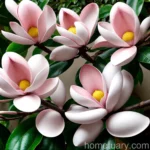
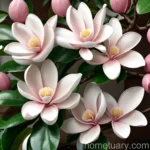
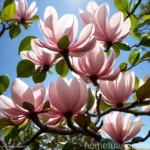
Magnolia ‘Butterflies’ (Magnolia acuminata ‘Butterflies’) is a deciduous tree renowned for its showy and fragrant yellow flowers. This cultivar is a hybrid of the native cucumber tree (Magnolia acuminata) and was developed to exhibit striking floral displays and a compact growth habit. The large, tulip-shaped flowers of Magnolia ‘Butterflies’ emerge in early spring, creating a breathtaking spectacle in gardens and landscapes. The plant’s elegant foliage and attractive form further enhance its ornamental appeal.
Key Takeaways
- Magnolia ‘Butterflies’ is a hybrid cultivar of Magnolia acuminata, celebrated for its vibrant yellow flowers and compact growth habit.
- The plant’s large, tulip-shaped flowers emerge in early spring, adding a delightful burst of color to gardens and landscapes.
Now, let’s delve into the essential aspects of cultivating and caring for Magnolia ‘Butterflies’, including its culture, uses, maintenance requirements, and common diseases.
Culture
Water
Proper irrigation is essential for the establishment and vigor of Magnolia ‘Butterflies’. While the plant is moderately drought-tolerant once established, it benefits from regular watering, especially during dry periods. Adequate soil moisture is crucial during the flowering period to support robust flower production and minimize stress on the plant.
Sunlight
Magnolia ‘Butterflies’ thrives in full to partial sun, preferring a location with ample sunlight exposure. When selecting a planting site, consider providing the plant with at least six hours of direct sunlight per day for optimal growth and flowering.
Fertilizer
Fertilization plays a vital role in promoting the health and vitality of Magnolia ‘Butterflies’. Use a balanced, slow-release fertilizer formulated for flowering trees in early spring before new growth emerges. Avoid excessive application of nitrogen-rich fertilizers, as this may lead to an imbalance in foliage and flower development.
Soil
Well-drained, loamy soils with neutral to slightly acidic pH levels are ideal for Magnolia ‘Butterflies’. Ensure that the planting site offers good drainage to prevent waterlogging, which can adversely affect the plant’s root system and overall well-being.
Pruning
Pruning is beneficial for shaping and maintaining the desired form of Magnolia ‘Butterflies’. Perform light pruning in late spring or early summer after the flowering period to remove any dead or damaged branches. Avoid heavy pruning, as this may diminish the plant’s ability to flower abundantly in the following season.
Propagation
Magnolia ‘Butterflies’ can be propagated through various methods, including seed propagation, grafting, and stem cuttings. When propagating from seeds, it is important to note that the resulting plants may exhibit variations in flower color and form due to genetic diversity. For consistent characteristics, vegetative propagation methods such as grafting and stem cuttings are preferred.
Container Popularity
Due to its manageable size and ornamental allure, Magnolia ‘Butterflies’ is well-suited for container cultivation. Planting the tree in a large container allows for mobility and flexibility in positioning, making it an excellent choice for small gardens, patios, and urban settings.
Uses
Magnolia ‘Butterflies’ offers a multitude of uses in garden landscapes and horticultural settings. Here are some common applications of this delightful plant:
- Ornamental Feature: The striking yellow flowers and graceful form of Magnolia ‘Butterflies’ make it a captivating focal point in garden beds and borders.
- Shade Tree: When mature, the tree provides dappled shade, creating a comfortable and inviting environment for outdoor relaxation and enjoyment.
- Landscape Accent: Whether in residential gardens, public parks, or commercial landscapes, Magnolia ‘Butterflies’ serves as a beautiful landscape accent, enhancing the visual appeal of its surroundings.
Common Diseases
While Magnolia ‘Butterflies’ is relatively resistant to many diseases, it is essential to monitor the plant for any signs of common issues that may affect its health. Here are some common diseases that may impact Magnolia ‘Butterflies’:
-
Anthracnose: This fungal disease can cause browning and wilting of leaves, as well as lesions on stems and branches. Proper sanitation and fungicidal treatments are essential for managing anthracnose.
-
Powdery Mildew: Characterized by a powdery white coating on the foliage, powdery mildew can weaken the plant if left uncontrolled. Adequate air circulation and fungicidal applications help mitigate this disease.
-
Leaf Spot: Leaf spot diseases manifest as dark spots or lesions on the foliage, leading to premature leaf drop and reduced vitality. Pruning affected branches and promoting overall plant health aid in managing leaf spot diseases.
Disease Diagnosis
When diagnosing diseases affecting Magnolia ‘Butterflies’, careful observation of the plant’s symptoms, coupled with laboratory analysis if necessary, is crucial for accurate identification. Additionally, consulting with horticulture professionals or plant pathologists can provide valuable insights into disease management strategies and preventive measures.
Common Pests
Though generally resilient, Magnolia ‘Butterflies’ may be susceptible to certain pests that can impact its growth and appearance. Here are some common pests that may affect this plant:
-
Scale Insects: These small, immobile pests can infest the stems and leaves of Magnolia ‘Butterflies’, causing stunted growth and leaf discoloration. Horticultural oils and insecticidal soaps are effective for controlling scales.
-
Spider Mites: These tiny arachnids can cause stippling and webbing on the foliage, leading to reduced photosynthetic activity. Regular monitoring and horticultural oil applications help manage spider mite populations.
-
Japanese Beetles: The voracious feeding habits of Japanese beetles can result in significant foliar damage to Magnolia ‘Butterflies’. Physical removal and targeted insecticide applications are practical options for Japanese beetle control.
Botanist’s Tips
As a plant scientist deeply familiar with Magnolia ‘Butterflies’, here are some valuable tips for cultivating and caring for this exquisite plant:
-
Regular Monitoring: Diligent observation of the plant’s growth, foliage, and flowering patterns enables early detection of any potential issues or irregularities, allowing for timely intervention and management.
-
Appropriate Pruning: When pruning Magnolia ‘Butterflies’, exercise caution to maintain the plant’s natural form and structure while removing any dead, damaged, or crossing branches. Pruning should be performed judiciously to avoid overzealous trimming that may impact the plant’s overall health and flowering capacity.
-
Consistent Moisture: While Magnolia ‘Butterflies’ exhibits moderate drought tolerance, consistent soil moisture, especially during the flowering period, contributes to robust growth and vibrant flower production.
Fun Facts
- The unique yellow flowers of Magnolia ‘Butterflies’ resemble fluttering butterfly wings, inspiring the cultivar’s charming name.
- This cultivar is a popular choice for pollinator-friendly landscapes, attracting bees, butterflies, and other beneficial insects with its abundant nectar and pollen.
- Magnolia ‘Butterflies’ offers an enchanting seasonal display, with its vibrant flowers heralding the arrival of spring and infusing the landscape with renewed vitality and color.
Links to External Resources
For further information and resources on Magnolia ‘Butterflies’, consider exploring the following external links:
- Magnolia ‘Butterflies’ – Missouri Botanical Garden
- Growing Magnolias in Your Landscape – Clemson Cooperative Extension
In conclusion, Magnolia ‘Butterflies’ stands as a captivating ornamental tree that enriches garden landscapes with its luminous yellow flowers and graceful presence. By understanding its culture, uses, and maintenance requirements, individuals and horticulture professionals can cultivate and care for this remarkable plant with confidence and success.
Keywords: Magnolia ‘Butterflies’ care, How to grow Magnolia ‘Butterflies’, Magnolia ‘Butterflies’ planting tips, Magnolia ‘Butterflies’ pruning guide, Magnolia ‘Butterflies’ varieties, Magnolia ‘Butterflies’ landscape design, Magnolia ‘Butterflies’ maintenance, Magnolia ‘Butterflies’ disease prevention, Magnolia ‘Butterflies’ blooming season, Magnolia ‘Butterflies’ growth rate, Magnolia ‘Butterflies’ water requirements, Magnolia ‘Butterflies’ soil conditions, Magnolia ‘Butterflies’ sunlight preferences, Magnolia ‘Butterflies’ companion plants, Magnolia ‘Butterflies’ roots system, Magnolia ‘Butterflies’ winter care, Magnolia ‘Butterflies’ fertilization tips, Magnolia ‘Butterflies’ pest control, Magnolia ‘Butterflies’ propagation methods, Magnolia ‘Butterflies’ landscaping ideas, Magnolia ‘Butterflies’ planting season, Magnolia ‘Butterflies’ container gardening, Magnolia ‘Butterflies’ hardiness zones, Magnolia ‘Butterflies’ wildlife attraction, Magnolia ‘Butterflies’ natural habitat, Magnolia ‘Butterflies’ floral arrangements, Magnolia ‘Butterflies’ seasonal interest, Magnolia ‘Butterflies’ leaf characteristics, Magnolia ‘Butterflies’ height and spread, Magnolia ‘Butterflies’ pollinator-friendly, Magnolia ‘Butterflies’ drought tolerance, Magnolia ‘Butterflies’ disease-resistant, Magnolia ‘Butterflies’ root system, Magnolia ‘Butterflies’ soil pH preferences, Magnolia ‘Butterflies’ flowering pattern, Magnolia ‘Butterflies’ color variations, Magnolia ‘Butterflies’ leaf drop, Magnolia ‘Butterflies’ seasonal changes, Magnolia ‘Butterflies’ fragrance level, Magnolia ‘Butterflies’ pruning techniques, Magnolia ‘Butterflies’ leaf diseases, Magnolia ‘Butterflies’ outdoor cultivation, Magnolia ‘Butterflies’ indoor care, Magnolia ‘Butterflies’ ornamental features, Magnolia ‘Butterflies’ wind tolerance, Magnolia ‘Butterflies’ heat resistance, Magnolia ‘Butterflies’ climate suitability, Magnolia ‘Butterflies’ fall foliage color, Magnolia ‘Butterflies’ root depth, Magnolia ‘Butterflies’ wildlife habitat”