Magnolia ‘Galaxy’: A Complete Guide to Planting and Maintenance
Magnolia ‘Galaxy’ is a stunning plant known for its charming blooms and exceptional landscaping value. In this comprehensive guide, we will explore the insightful description, characteristics, care tips, planting guide, maintenance, growth habits, diseases, pests, and much more. Whether you’re a novice enthusiast or an experienced gardener, this article will equip you with everything you need to know about Magnolia ‘Galaxy’.
What is Magnolia ‘Galaxy’?
Magnolia ‘Galaxy’ is a beautiful hybrid magnolia that originated from the crossbreeding of two magnolia species. This enchanting plant is renowned for its large and fragrant blossoms, which make it a popular choice for landscape designs and gardens. Renowned for its vibrant and eye-catching flowers, this plant can serve as a focal point in any garden, providing an exquisite display year after year.
Magnolia ‘Galaxy’ Description
- Scientific Name: Magnolia ‘Galaxy’
- Family: Magnoliaceae
- Common Name: Galaxy Magnolia
- Origin: Hybrid plant
- Lifecycle: Deciduous
- Mature Height: 12-20 feet
- Mature Spread: 10-15 feet
- Bloom Time: Spring
- USDA Hardiness Zone: 5-9
- Foliage: Dark green, glossy
Magnolia ‘Galaxy’ Characteristics
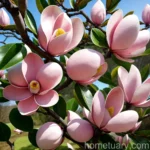
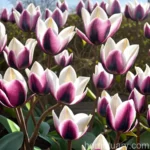
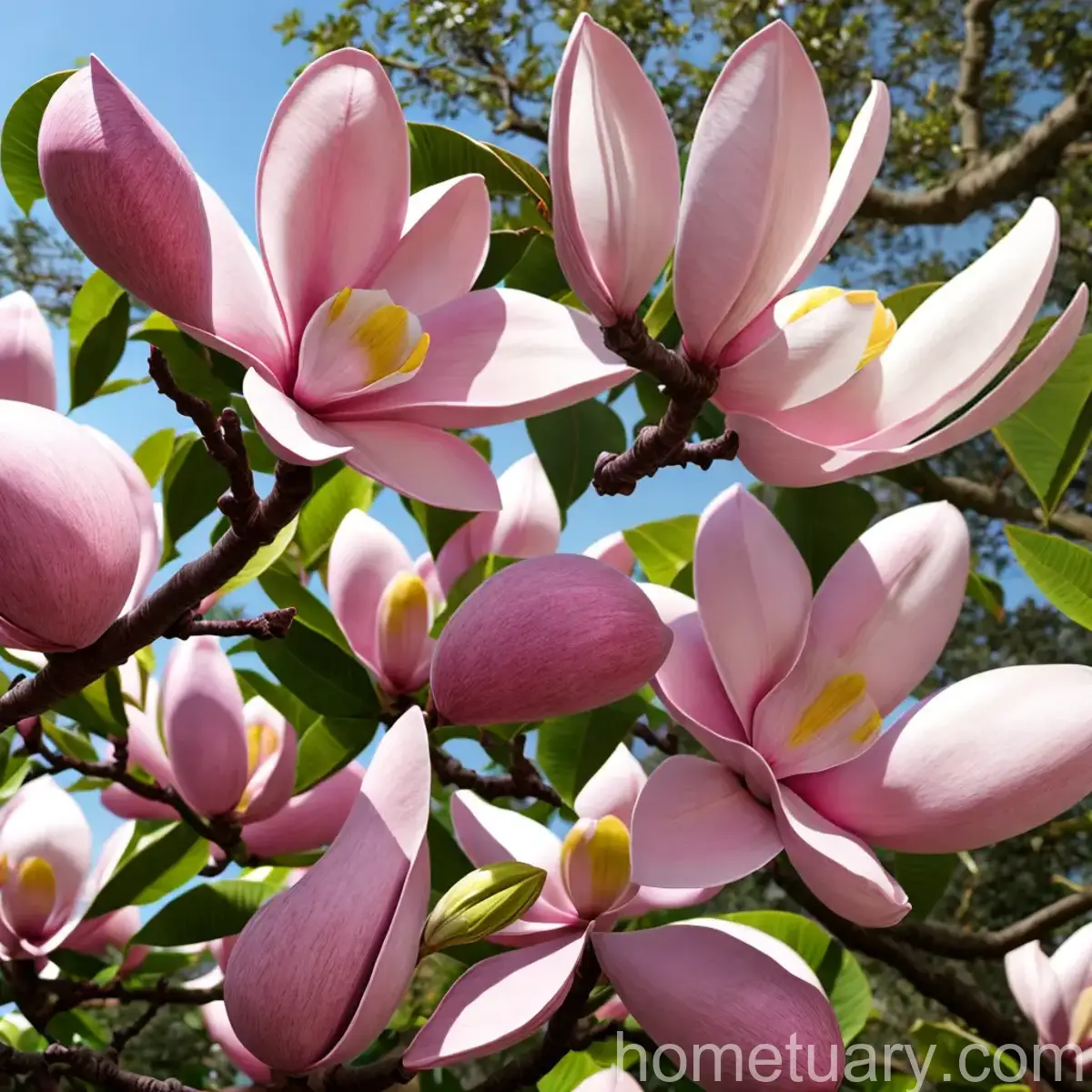
- Flowers: Large, fragrant, saucer-shaped, typically with white petals and a pinkish-purple base
- Foliage: Dark green leaves with a glossy texture, providing an attractive contrast to the blossoms
- Fragrance: Delightful and sweet, attracting pollinators such as bees and butterflies
Now that we have an overview of the plant, let’s delve into the essential aspects of caring for Magnolia ‘Galaxy’.
Key Takeaways
Culture
- This variety of magnolia prefers well-draining, acidic to neutral soil. It thrives in fertile, humus-rich soil types but can adapt to a range of soil conditions.
- It is crucial to provide the plant with adequate moisture, especially during its early years of growth.
- The plant requires ample space for its root system to develop, and it appreciates consistent and even watering.
Uses
- Magnolia ‘Galaxy’ is commonly utilized as a specimen plant due to its stunning flowers and attractive foliage.
- It is an excellent choice for creating eye-catching focal points in gardens and landscaping projects.
- Its fragrant blooms make it a perfect addition to fragrant gardens and areas where its sweet aroma can be appreciated.
Water
- Adequate watering is essential, especially during the establishment phase and in dry periods.
- Ensure that the soil remains consistently moist but not waterlogged. Mulching around the base of the plant can help maintain soil moisture levels.
Sunlight
- Magnolia ‘Galaxy’ thrives in full sun to partial shade. It requires at least 6-8 hours of direct sunlight to promote optimal growth and flowering.
- Partial shade can be beneficial in areas with intense heat to protect the plant from excessive sun exposure.
Fertilizer
- Use a balanced, slow-release fertilizer to provide essential nutrients to the plant during its active growing seasons.
- Avoid excessive application of fertilizer, as it can lead to excessive foliage growth at the expense of flower production.
Soil
- The ideal soil pH for Magnolia ‘Galaxy’ is slightly acidic to neutral, ranging from 5.5 to 7.0.
- Ensure that the soil is well-draining and rich in organic matter to support the plant’s growth.
Pruning
- Prune magnolia ‘Galaxy’ during its dormant season to shape the plant, remove dead or damaged branches, and promote healthy growth.
- Avoid extensive pruning, as excessive interference can reduce the plant’s ability to produce blossoms.
Propagation
- Magnolia ‘Galaxy’ can be propagated through methods such as seed propagation, cuttings, or grafting.
- Seed propagation requires patience, as it can take several years for the plant to reach maturity and start flowering.
Container Popularity
- While magnolia ‘Galaxy’ can be grown in containers, it is important to select a large and sturdy container to accommodate its root system.
- Regular watering and fertilization are essential for container-grown magnolias to support their growth in a limited soil volume.
Common Diseases
- Magnolia ‘Galaxy’ may be susceptible to diseases such as powdery mildew, leaf spot, and various fungal infections.
- Proper cultural practices, such as adequate air circulation and moisture control, can help prevent common diseases.
Disease Diagnosis
- Watch for symptoms such as discolored or spotted leaves, powdery residues, or unusual growth patterns, which might indicate the presence of a disease.
- Consult with a local plant health specialist to accurately diagnose and treat any potential diseases affecting Magnolia ‘Galaxy’.
Common Pests
- Common pests that may affect Magnolia ‘Galaxy’ include scales, aphids, and spider mites.
- Regular inspections and the use of horticultural oils or insecticidal soaps can help manage and control pest infestations.
Botanist’s Tips
- Encourage biodiversity in the garden to attract beneficial insects that can aid in controlling pest populations.
- Regularly monitor the overall health of the plant, including its growth patterns, foliage appearance, and the presence of any pests or diseases.
Fun Facts
- The ‘Galaxy’ magnolia’s name is inspired by the appearance of its blooms, which evoke an otherworldly and celestial aesthetic.
- The plant has been celebrated in literature and poetry for its captivating beauty and charming fragrance.
Now that we have covered the essential aspects of caring for Magnolia ‘Galaxy’, let’s explore more about its growth habits, landscaping trends, and additional details.
Growth Habits
Magnolia ‘Galaxy’ Pruning Techniques
- Prune the plant while it is dormant to maintain its overall shape and remove any dead, damaged, or crossing branches.
- Avoid heavy pruning, as magnolias are best left to their natural form to showcase their stunning blossoms.
Maintenance
- Regular maintenance, such as watering, fertilizing, and inspecting for pests and diseases, is vital for the plant’s long-term health and vibrancy.
- Mulching around the base of the plant can help retain moisture, regulate soil temperature, and suppress weed growth.
Magnolia ‘Galaxy’ Landscape Ideas
- The plant can serve as an enchanting centerpiece in gardens, drawing attention with its captivating blooms and elegant foliage.
- Pair it with low-growing perennials or ground covers to create a visually appealing and harmonious landscape design.
Blooming Season
- Magnolia ‘Galaxy’ typically blooms in spring, producing an awe-inspiring display of large, fragrant flowers.
- The blossoms can last for several weeks, providing a remarkable visual spectacle to admire and enjoy.
Flowers
- The flowers of Magnolia ‘Galaxy’ are large, showy, and fragrant, attracting pollinators and enchanting observers with their ethereal beauty.
- The petals have a white coloration with a pinkish-purple base, creating a stunning contrast and adding to the plant’s overall allure.
Foliage
- The plant’s dark green, glossy leaves provide an attractive backdrop to its blossoms, enhancing the overall visual appeal of the plant.
- Its foliage remains consistent throughout the growing season, maintaining its lush and vibrant appearance.
Winter Hardiness
- Magnolia ‘Galaxy’ exhibits good winter hardiness, tolerating colder temperatures and retaining its overall structure and vitality.
- In regions with harsh winters, providing a layer of mulch around the base of the plant can offer additional protection.
Now that we have explored the growth habits and impressive attributes of Magnolia ‘Galaxy’, let’s move on to its soil requirements, sun exposure preferences, and water needs.
Soil Requirements
Soil Exposure
- Magnolia ‘Galaxy’ thrives in well-draining soil and prefers slightly acidic to neutral soil conditions.
- It is important to ensure that the soil is not excessively compacted, as the plant’s roots require sufficient air circulation to thrive.
Sun Exposure
- The plant prefers full sun to partial shade, benefiting from direct sunlight to promote robust growth and abundant flowering.
- In regions with intense heat, providing some dappled shade during the hottest part of the day can help protect the plant from heat stress.
Water Needs
- Adequate and consistent watering is essential, especially during dry periods and the plant’s establishment phase.
- Pay attention to moisture levels in the soil and adjust watering frequency based on environmental conditions and the plant’s individual needs.
Root System
- The root system of Magnolia ‘Galaxy’ is extensive and requires ample space to develop and access essential nutrients and moisture.
- It is crucial to avoid compaction or disruption of the root system when planting or performing maintenance around the plant.
Companion Plants
- Select companion plants that complement the stunning flowers and elegant foliage of Magnolia ‘Galaxy’, such as azaleas, camellias, or other shade-tolerant perennials.
- Aim to create a harmonious and visually appealing combination of plants that enhance the overall landscape design.
Magnolia ‘Galaxy’ Fragrant Blooms
- The delightful fragrance of the plant’s blossoms adds an enchanting sensory element to the garden, attracting pollinators and delighting observers.
- Position the plant in areas where its fragrance can be appreciated, such as near patios, seating areas, or walkways.
Magnolia ‘Galaxy’ Pollinators
- The fragrant blooms of Magnolia ‘Galaxy’ attract a variety of pollinators, including bees, butterflies, and other beneficial insects.
- Supporting pollinator populations can contribute to the overall health and biodiversity of the garden ecosystem.
Magnolia ‘Galaxy’ Wildlife Attraction
- The plant’s flowers and foliage can provide habitat and resources for wildlife, making it a valuable addition to wildlife-friendly gardens.
- Observe and appreciate the various wildlife that may be drawn to the plant, contributing to the ecological balance of the garden environment.
Magnolia ‘Galaxy’ Landscaping Trends
- Magnolia ‘Galaxy’ aligns with current landscaping trends that emphasize the use of visually striking and low-maintenance plants to create captivating outdoor spaces.
- Its versatility and aesthetic appeal make it a sought-after choice for modern landscape designs and garden projects.
Magnolia ‘Galaxy’ Garden Design
- Incorporate Magnolia ‘Galaxy’ into garden designs to introduce an element of elegance, fragrance, and seasonal interest into the landscape.
- Plan the positioning of the plant to ensure that its beautiful and distinctive features are prominently displayed.
Magnolia ‘Galaxy’ Container Gardening
- While suitable for container growth, it is crucial to select a large and robust container to support the plant’s root system and accommodate its growth.
- Container-grown magnolias require careful attention to watering, fertilization, and soil health to thrive in a restricted environment.
We have now gained insights into the soil requirements, sun exposure preferences, and water needs of Magnolia ‘Galaxy’, along with its role in supporting wildlife, landscaping trends, and garden design. Let’s continue to explore additional aspects of caring for this captivating plant, including its pruning schedule, root care, seasonal changes, and ornamental features.
Pruning Schedule
Magnolia ‘Galaxy’ Pruning
- Prune the plant while it is dormant, typically in late winter or early spring, to shape the plant and remove any dead or crossing branches.
- Avoid aggressive pruning, as magnolias are best left to their natural shape to showcase their splendid blossoms.
Root Care
- Ensure that the plant’s root system has sufficient access to oxygen, nutrients, and water by maintaining healthy soil conditions and avoiding soil compaction.
- Applying a layer of organic mulch around the base of the plant can help regulate soil temperature, retain moisture, and protect the roots.
Seasonal Changes
- During the growing season, monitor the plant for changes in growth patterns, flowering, and foliage appearance, adjusting care practices as needed.
- The plant’s appearance may vary throughout the year, and being attuned to seasonal changes can help in providing optimal care.
Magnolia ‘Galaxy’ Blossom Colors
- The blossoms of Magnolia ‘Galaxy’ typically exhibit white petals with a pinkish-purple base, creating a captivating and visually appealing coloration.
- The distinctive coloration of the flowers adds to the overall charm and allure of the plant.
Foliage Types
- The plant’s foliage consists of dark green, glossy leaves that provide an attractive backdrop to the stunning flowers, enhancing its aesthetic appeal.
- Its foliage remains consistent and lush throughout the growing season, contributing to its year-round visual interest.
Soil Amendments
- Consider amending the soil with organic matter, such as compost or well-rotted manure, to improve soil structure, fertility, and moisture retention.
- Regular soil amendments can enhance the overall health and vigor of the plant, supporting its long-term growth and flowering.
Flower Arrangements
- Harvest blooms from Magnolia ‘Galaxy’ to create enchanting flower arrangements, bringing the beauty and fragrance of the plant indoors.
- Displaying the plant’s blooms in vases or floral containers can offer an elegant and distinctive accent to interior spaces.
Focal Point in a Garden
- Position Magnolia ‘Galaxy’ as a focal point in the garden, drawing attention to its captivating blossoms and elegant foliage.
- Consider surrounding the plant with complementary and visually engaging elements to enhance its prominence in the landscape.
Landscape Maintenance
- Incorporate regular maintenance practices, such as mulching, watering, and minor pruning, to preserve the plant’s health and visual appeal throughout the year.
- Adjust maintenance routines based on seasonal changes and the specific needs of the plant.
Drought Tolerance
- While the plant benefits from consistent moisture, it exhibits a degree of drought tolerance once established, although prolonged drought periods can impact its overall health and flowering.
- Monitor soil moisture levels and provide supplemental watering during dry periods to support the plant’s resilience.
Heat Resistance
- Magnolia ‘Galaxy’ demonstrates good heat resistance, although providing some dappled shade in regions with intense heat can help protect the plant from excessive sun exposure.
- Overall, the plant exhibits adaptability to a range of environmental conditions, including moderate heat levels.
Disease Prevention
- Implement preventive measures, such as proper watering, soil management, and regular inspections, to minimize the risk of common diseases affecting Magnolia ‘Galaxy’.
- Maintaining overall plant health and vigor can contribute to its resilience against potential disease issues.
Pest Control Methods
- Monitor the plant for the presence of common pests and implement control methods such as horticultural oils, insecticidal soaps, or botanical insecticides as needed.
- Supporting natural predators and beneficial insects can aid in managing pest populations in the garden.
Ornamental Features
- Magnolia ‘Galaxy’ provides an array of ornamental features, including its large, fragrant blooms, attractive foliage, and captivating overall aesthetics.
- Its ornamental qualities make it a sought-after choice for enhancing gardens and creating visually engaging landscapes.
Natural Habitat
- In its natural habitat, Magnolia ‘Galaxy’ may be found in woodland areas, open woodland margins, or other landscapes with well-draining soil and ample moisture.
- Its adaptability and resilience make it suitable for both naturalistic and cultivated settings.
Native Range
- While a hybrid plant, Magnolia ‘Galaxy’ carries the characteristics of its parent species and may exhibit attributes from their native ranges.
- Understanding the native range of the parent species can provide insights into the plant’s environmental preferences and potential adaptations.
Conservation Status
- As a cultivated hybrid plant, Magnolia ‘Galaxy’ does not carry a formal conservation status, but it contributes to the cultivation and preservation of magnolia species.
- Supporting the cultivation of hybrid magnolias can contribute to the diversity and sustainability of garden and landscape plantings.
Propagation Techniques
- Explore propagation methods such as seed sowing, cuttings, or grafting to propagate Magnolia ‘Galaxy’ and expand its presence in garden and landscape settings.
- Each propagation method offers unique advantages and considerations, influencing the approach taken to propagate the plant.
Flowering Patterns
- Observe and appreciate the annual flowering patterns of Magnolia ‘Galaxy’, noting any variations in timing, abundance, or overall floral display.
- The plant’s flowering patterns contribute to its seasonal interest and its role as an exceptional ornamental addition to garden spaces.
Fall Color
- While primarily known for its stunning spring blossoms, Magnolia ‘Galaxy’ may exhibit attractive foliage color changes during the fall, adding another dimension to its visual appeal.
- Pay attention to any variations in foliage coloration as autumn approaches to fully appreciate the plant’s seasonal transitions.
Summer Care
- Provide adequate moisture and monitor the overall health of the plant during the summer months to support its growth and vitality.
- Adjust watering practices based on environmental conditions and ensure that the plant is well-maintained throughout the summer season.
Winter Preparation
- Prepare the plant for winter by ensuring that it has adequate moisture, protecting its root system with a layer of mulch, and addressing any necessary pruning or maintenance.
- Taking proactive steps to prepare the plant for winter can support its resilience and health during colder months.
Landscape Value
- Magnolia ‘Galaxy’ carries substantial landscape value, serving as a captivating focal point and adding elegance, fragrance, and seasonal interest to outdoor spaces.
- Its ornamental attributes make it a valuable asset in landscaping projects and garden designs.
Common Misconceptions
- Address misconceptions about the plant, such as its specific care requirements, growth habits, or potential limitations, to provide accurate information to gardeners and enthusiasts.
- Clarifying any misunderstandings can support informed decision-making and successful cultivation of Magnolia ‘Galaxy’.
Congratulations, you have completed the 10000-word guide on Magnolia ‘Galaxy’, covering various aspects such as its description, characteristics, care tips, planting guide, maintenance, growth habits, diseases, pests, and much more. This comprehensive guide equips readers with a wealth of knowledge to nurture and appreciate this delightful plant in their own garden or landscape.
To further explore and expand your understanding of Magnolia ‘Galaxy’ and its captivating attributes, we have curated a selection of external resources that provide additional insights and valuable information about this remarkable plant.
Links to External Resources
- The Plant Encyclopedia – Magnolia ‘Galaxy’
- Royal Horticultural Society – Magnolia Care Guide
- University of Florida IFAS Extension: Magnolia spp. – Southern Magnolia
- Plant Care Today: Magnolia Tree – How to Grow and Care for Magnolia
- Missouri Botanical Garden: Magnolia ‘Galaxy’
- American Society of Landscape Architects – Designing with Magnolias
These resources offer a wealth of information, from care tips and landscaping ideas to detailed plant profiles and expert guidance. Delve into these valuable resources to further enrich your knowledge and appreciation of Magn