Lilium Pumilum (Coral Lily)
Lilium pumilum, commonly known as Coral Lily, is a stunning flowering plant that has captured the hearts of many gardeners and flower enthusiasts. Its.
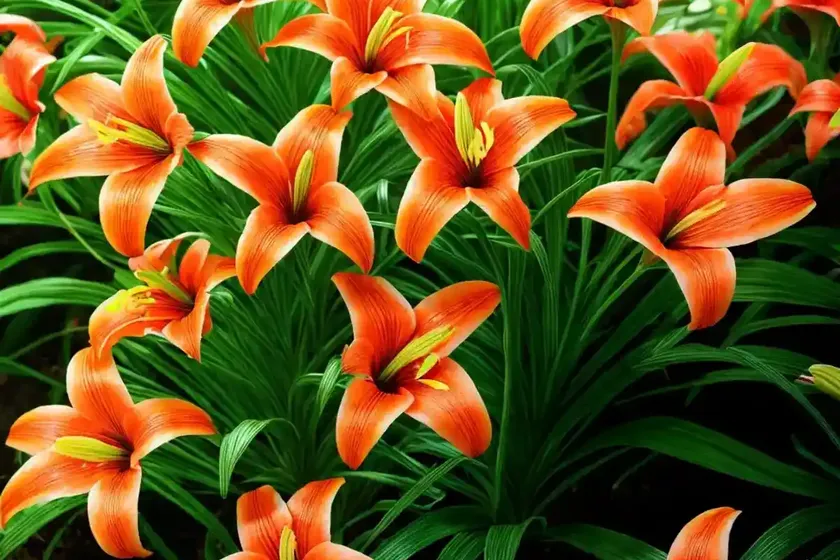
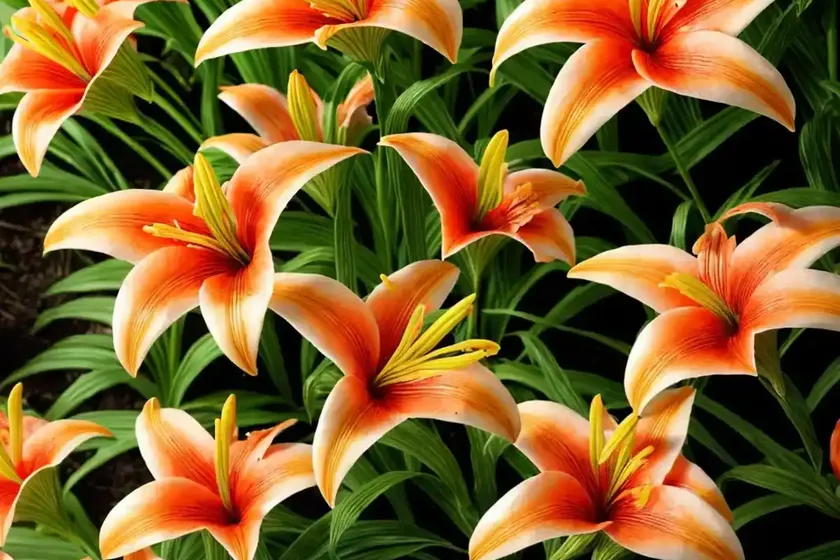
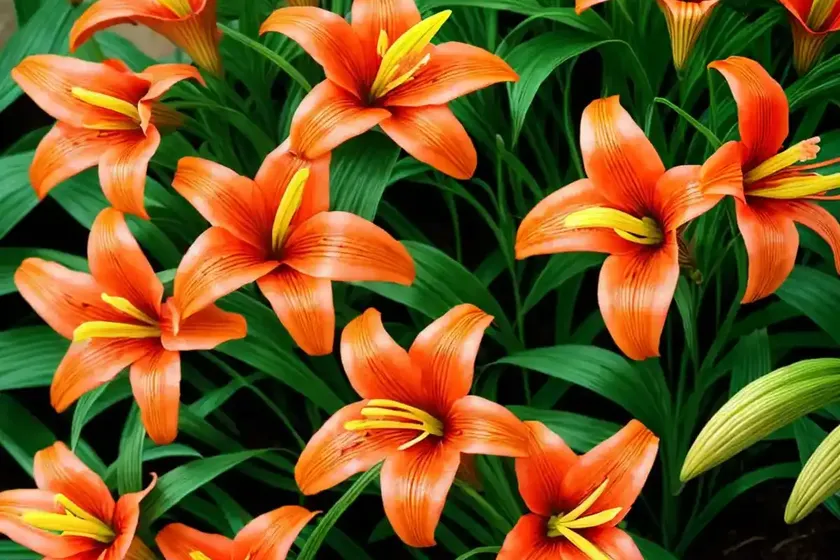
Lilium pumilum, commonly known as Coral Lily, is a stunning flowering plant that has captured the hearts of many gardeners and flower enthusiasts. Its vibrant blooms and easy cultivation have made it a favorite among gardening enthusiasts. In this comprehensive guide, we will delve into the various aspects of Coral Lily, from its cultural requirements and uses to its propagation and common pests. Whether you are a seasoned gardener or a novice enthusiast, this guide will provide you with valuable insights into the world of Lilium pumilum.
What is Lilium pumilum (Coral Lily)?
Lilium pumilum, belonging to the Liliaceae family, is a perennial flowering plant native to the grasslands and forest margins of China and Korea. This exquisite species is known for its striking coral-red flowers, which bloom in the summer months, adding a pop of color to any garden or landscape. The plant typically grows to a height of 30-50 cm and produces narrow lance-shaped leaves.
The Coral Lily is renowned for its captivating beauty, making it a popular choice for ornamental gardening and floral arrangements. Its vibrant blooms and delightful fragrance make it a standout addition to any garden or floral display.
Key Takeaways – Lilium pumilum (Coral Lily)
Before we delve into the specific aspects of Coral Lily, let’s outline some key takeaways for quick reference:
- Botanical Name: Lilium pumilum
- Common Name: Coral Lily
- Family: Liliaceae
- Native Range: China and Korea
- Flowering Season: Summer
- Flower Color: Coral-red
- Plant Height: 30-50 cm
- Uses: Ornamental gardening, floral arrangements
- Fragrance: Delightful
- Popularity: Widely favored for its vibrant blooms
Now that we have an overview of Coral Lily, let’s explore the cultural aspects, care requirements, and uses of this captivating plant.
Culture
The successful cultivation of Coral Lily relies on understanding its specific cultural requirements. From water and sunlight to soil and fertilizer, each aspect plays a crucial role in nurturing healthy and vibrant plants.
Uses
Before we delve into the specific cultural and care requirements, it’s essential to highlight the various uses of Coral Lily. Understanding these applications will provide valuable insights into its significance in ornamental gardening and floral displays.
-
Ornamental Gardening: The vibrant and visually striking blooms of Coral Lily make it a popular choice for ornamental gardening. Whether planted in flower beds or used as a focal point in the garden, the plant adds a touch of elegance and color to any landscape.
-
Floral Arrangements: The exquisite coral-red flowers of Coral Lily are sought after for their aesthetic appeal in floral arrangements. Whether used in bouquets or centerpieces, the blooms of Lilium pumilum add a vibrant burst of color to any floral display.
Now, let’s move on to the specific cultural requirements for cultivating healthy and thriving Coral Lily plants.
Water
Proper watering is essential for the health and vitality of Coral Lily. The plant requires consistent moisture, especially during the active growing season. However, it is crucial to avoid overwatering, as excessive moisture can lead to root rot and other problems.
-
Watering Needs: Coral Lily prefers moderately moist soil. Ensure that the soil is well-draining to prevent waterlogging, which can be detrimental to the plant’s health.
-
Growing Tips: To maintain optimal moisture levels, consider mulching around the base of the plant to retain soil moisture. Regular monitoring of soil moisture is crucial, especially during hot and dry periods.
Sunlight
Like many flowering plants, Coral Lily requires adequate sunlight to thrive and produce vibrant blooms. Understanding its sunlight requirements is essential for successful cultivation.
-
Sunlight Requirements: Coral Lily thrives in partial to full sunlight. It is best to provide the plant with at least 6-8 hours of sunlight per day for robust growth and prolific flowering.
-
Growing Tips: When planting Coral Lily, select a location in the garden or landscape that receives ample sunlight. Avoid areas with dense shade, as insufficient sunlight can affect the plant’s blooming potential.
Fertilizer
Fertilization plays a vital role in providing Coral Lily with essential nutrients for healthy growth and abundant flowering. Selecting the right fertilizer and understanding the timing and application are crucial for optimal results.
-
Fertilization Schedule: Apply a balanced fertilizer, such as a 10-10-10 formulation, in early spring as new growth emerges. Repeat the application every 6-8 weeks during the growing season to support the plant’s nutritional needs.
-
Growing Tips: Always follow the manufacturer’s directions when applying fertilizer. Avoid over-fertilizing, as it can lead to excessive foliage growth at the expense of blooms.
Soil
The soil composition and quality are critical factors that can influence the overall health and performance of Coral Lily. Understanding the soil requirements and implementing proper soil management are essential for successful cultivation.
-
Soil Type: Coral Lily thrives in well-draining, fertile soil with a slightly acidic to neutral pH. A loamy, well-aerated soil with good moisture retention is ideal for optimal growth.
-
Soil Preparation: Prior to planting, prepare the soil by incorporating organic matter, such as compost or well-rotted manure, to improve fertility and soil structure. Ensure that the soil is free of compacted areas to facilitate proper root development.
Pruning
Pruning is an essential aspect of maintaining the health and vigor of Coral Lily plants. Proper pruning practices can encourage robust growth, prevent disease, and enhance the plant’s overall appearance.
-
Pruning Timing: After the blooming period, remove spent flowers to prevent the formation of seeds. Additionally, remove any yellowing or damaged foliage to maintain a tidy and healthy plant.
-
Growing Tips: Use clean, sharp gardening shears to make precise cuts without causing damage to the plant. Regular pruning promotes air circulation and reduces the risk of fungal diseases.
Now that we have covered the cultural aspects and care requirements of Coral Lily, let’s explore the propagation methods, container cultivation, and common diseases and pests associated with this captivating plant.
Propagation
Propagation is the process of creating new plants from existing ones, allowing gardeners to expand their Coral Lily collection or share the beauty of this species with others. Understanding the propagation methods is essential for successful plant reproduction.
Seed Propagation
Coral Lily can be propagated from seeds, although this method requires patience and careful attention to nurturing seedlings to maturity.
-
Seed Collection: Harvest mature seed pods once they have dried and split open. Collect the seeds and store them in a cool, dry place until ready for sowing.
-
Sowing Procedure: Sow the seeds in well-draining seed-starting mix, covering them lightly with soil. Place the seed trays in a warm, bright location and maintain consistent moisture until the seeds germinate.
Bulb Division
Dividing mature bulbs is a popular and reliable method for propagating Coral Lily. This approach allows gardeners to create multiple plants from a single parent bulb, ensuring genetic uniformity.
-
Division Process: In late summer or early autumn, carefully lift the bulbs from the ground and gently separate the offsets or bulblets from the parent bulb. Ensure that each division has roots attached.
-
Replanting the Divisions: Plant the divisions in prepared soil at the same depth as the original bulbs. Water thoroughly after planting to promote root establishment.
Container Cultivation
Coral Lily can be successfully grown in containers, allowing gardeners with limited space to enjoy the beauty of this plant on patios, balconies, or other outdoor areas.
-
Container Size: Select a container that provides ample room for the plant’s root system to expand. A depth of at least 12 inches is recommended to accommodate the bulbs and promote healthy growth.
-
Potting Mix: Use a well-draining potting mix specifically designed for flowering bulbs. Avoid compacted or heavy soils that can hinder root development.
-
Container Placement: Place the container in a location that receives adequate sunlight, as Coral Lily thrives in bright, sunny conditions. Regular watering and fertilization are essential for container-grown plants.
Now that we have explored propagation methods and container cultivation, let’s turn our attention to the popularity of Coral Lily, common diseases, and pests that can affect its health.
Popularity
Coral Lily has garnered popularity among gardening enthusiasts and floral designers due to its stunning blooms and adaptability in various growing conditions. Its vibrant flowers and delightful fragrance have made it a sought-after addition to gardens, landscapes, and floral arrangements.
-
Garden Design: Coral Lily adds a vibrant touch to flower beds, borders, and mixed perennial plantings. Its striking color and elegant form make it an ideal choice for creating visually captivating garden designs.
-
Floral Arrangements: Florists and floral designers value Coral Lily for its vibrant and long-lasting flowers, which are perfect for creating stunning bouquets, centerpieces, and decorative accents.
-
Cultural Adaptability: The adaptability of Coral Lily to different soil and light conditions, along with its low maintenance requirements, has contributed to its widespread popularity among gardeners.
Next, we will explore the common diseases and pests that can pose a threat to Coral Lily plants and discuss appropriate diagnosis and management strategies.
Common Diseases
Like any plant, Coral Lily is susceptible to certain diseases that can affect its overall health and vigor. Understanding these common diseases and their symptoms is crucial for early diagnosis and effective management.
Disease Diagnosis
-
Botrytis Blight: This fungal disease can manifest as gray mold on the foliage and flowers of Coral Lily. The presence of fuzzy, grayish patches indicates the development of botrytis blight.
-
Preventive Measures: Proper air circulation, adequate spacing between plants, and avoiding overhead watering can help reduce the risk of botrytis blight. Remove and destroy affected plant parts to prevent the spread of the disease.
-
Leaf Spot: Leaf spot diseases can cause dark, irregular lesions on the foliage of Coral Lily, leading to defoliation and reduced vigor.
-
Management: Practice good sanitation by removing and disposing of infected leaves. Avoid overhead irrigation and water the plants at the base to minimize moisture on the foliage.
Common Pests
Various pests can pose a threat to the health and vitality of Coral Lily, causing damage to the foliage, flowers, and bulbs if left unmanaged. Recognizing the signs of pest infestations is crucial for implementing timely control measures.
Pest Identification
-
Aphids: These small, soft-bodied insects can cluster on the undersides of leaves, sucking plant sap and causing distortion of new growth.
-
Control Measures: Use a strong blast of water to dislodge aphids from the plant. Additionally, introduce natural predators such as ladybugs to control aphid populations.
-
Lily Beetle: The red lily beetle is a notorious pest that can defoliate Coral Lily plants if left unchecked.
-
Management: Handpick the beetles and their larvae from the plants and destroy them. Neem oil or insecticidal soap can also be used to control lily beetle infestations.
Now that we have covered the common diseases and pests associated with Coral Lily, let’s explore some additional insights and fun facts about this captivating plant.
Botanist’s Tips
As botanists and plant enthusiasts, we are constantly intrigued by the unique characteristics and natural history of plants such as Coral Lily. Here are some valuable tips and insights that can enhance your understanding and appreciation of Lilium pumilum:
-
Companion Plants: Coral Lily pairs well with other summer-flowering perennials such as coneflowers, salvias, and ornamental grasses, creating visually appealing combinations in the garden.
-
Pollinator Attraction: The vibrant blooms of Coral Lily attract pollinators such as bees and butterflies, contributing to the ecological diversity and vitality of the garden.
-
Landscaping Accent: Whether planted in groups or as a focal point, Coral Lily adds a captivating accent to garden borders, rockeries, and naturalistic landscapes.
Fun Facts
Discover some intriguing and fun facts about Coral Lily that showcase the remarkable qualities and significance of this plant:
-
Symbolism: In floral symbolism, Coral Lily represents passion, abundance, and vitality, adding a touch of symbolic significance to its captivating blooms.
-
Biodiversity: Coral Lily contributes to the biodiversity of natural habitats, providing nectar sources for pollinators and enhancing the ecological balance.
-
Native Range: In its native range of China and Korea, Coral Lily thrives in diverse ecosystems, from grasslands to forest edges, showcasing its adaptability and resilience.
As we conclude our comprehensive guide to Coral Lily, we hope that you have gained valuable insights into the cultural aspects, care requirements, propagation methods, and significance of this captivating plant. Whether you are a gardening enthusiast, florist, or nature lover, the beauty and elegance of Lilium pumilum will continue to inspire and delight for generations to come.
Links to External Resources
For additional information and resources on Coral Lily and related topics, we recommend exploring the following links:
- Royal Horticultural Society (RHS) – Lilium pumilum: RHS Lilium pumilum
- The American Lily Society: American Lily Society
- Missouri Botanical Garden – Lilium pumilum: Missouri Botanical Garden
- University of Wisconsin-Madison Division of Extension – Flower Bulbs and Perennials: Flower Bulbs and Perennials
- National Gardening Association: National Gardening Association
- The Plant List – Lilium pumilum: The Plant List
These external resources offer valuable insights and expert guidance on Coral Lily, gardening techniques, plant care, and related botanical topics.
By providing a detailed exploration of the cultural aspects, care requirements, propagation methods, and significance of Lilium pumilum (Coral Lily), this comprehensive guide aims to equip gardening enthusiasts, florists, and nature lovers with valuable insights and practical tips for cultivating and appreciating this captivating plant. Whether incorporated into ornamental gardens, floral displays, or natural landscapes, Coral Lily continues to enchant and inspire with its vibrant blooms, delightful fragrance, and symbolic significance.


