Magnolia Grandiflora ‘Exmouth’ (Southern Magnolia)
Welcome to this comprehensive guide to the Magnolia grandiflora ‘Exmouth’, commonly known as the Southern Magnolia. This iconic evergreen tree is loved for.
Introduction
Welcome to this comprehensive guide to the Magnolia grandiflora ‘Exmouth’, commonly known as the Southern Magnolia. This iconic evergreen tree is loved for its striking presence, fragrant flowers, and glossy leaves, making it a garden favorite across the world. In this article, we will delve into the various aspects of the Magnolia grandiflora ‘Exmouth’, from its cultural requirements and uses to its propagation and common diseases. So, let’s embark on a journey to uncover the beauty and intricacies of this remarkable tree.
What is Magnolia grandiflora ‘Exmouth’ (Southern Magnolia)?
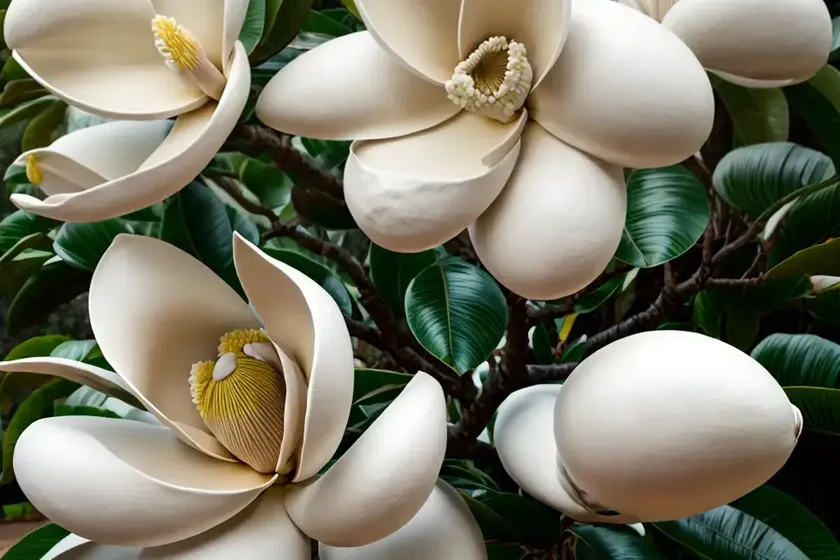
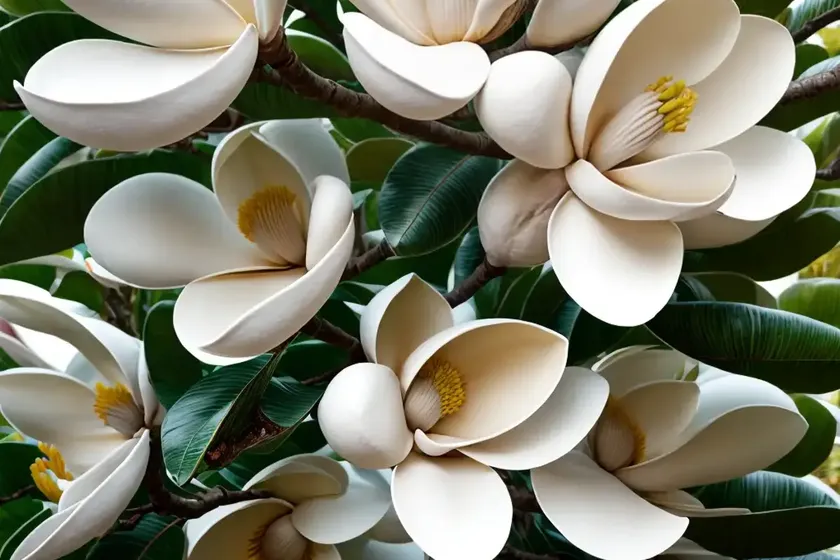
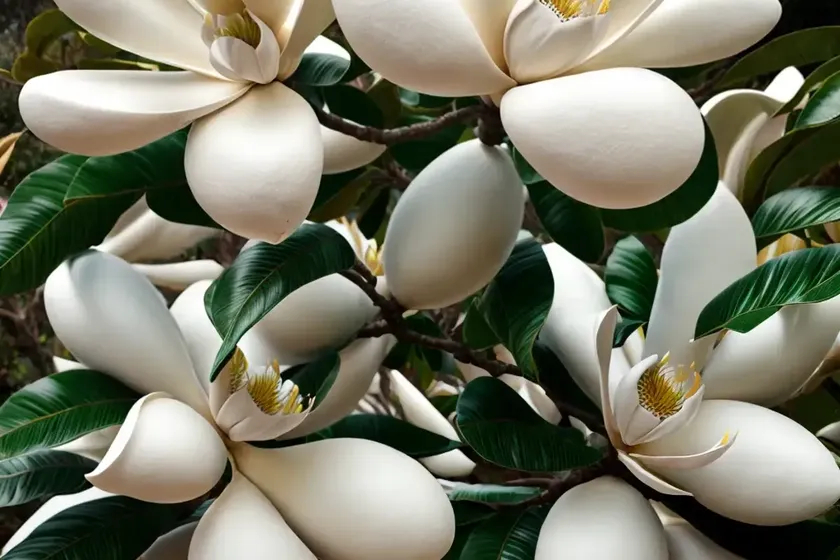
The Magnolia grandiflora is a species of flowering plant that belongs to the family Magnoliaceae. It is native to the southeastern United States, specifically the coastal areas from North Carolina to Florida and west to Texas. This majestic tree is renowned for its large, fragrant flowers and glossy leaves, which make it a popular choice for landscape beautification and ornamental gardening.
The ‘Exmouth’ variety of Magnolia grandiflora is particularly esteemed for its impressive attributes, including its robust growth and stunning floral display. The cultivar name ‘Exmouth’ is derived from the town of Exmouth in England, underscoring the global appeal and recognition of this magnificent magnolia variety.
Key Takeaways – Magnolia grandiflora ‘Exmouth’ (Southern Magnolia)
Before delving into the specific aspects of this extraordinary tree, let’s have a quick overview of the key takeaways regarding the Magnolia grandiflora ‘Exmouth’:
- Scientific Name: Magnolia grandiflora ‘Exmouth’
- Common Name: Southern Magnolia
- Variety: ‘Exmouth’
- Family: Magnoliaceae
- Native Range: Southeastern United States
- Attributes: Large, fragrant flowers and glossy leaves
- Cultivar Recognition: Named after Exmouth, England
Now, let’s explore the various dimensions of this remarkable tree.
Culture
Understanding the cultural requirements of the Magnolia grandiflora ‘Exmouth’ is essential for cultivating and nurturing this impressive tree. Proper attention to its cultural needs ensures healthy growth and an abundance of its renowned flowers.
Water
The Southern Magnolia typically prefers moist, well-drained soil. While it can tolerate brief periods of drought once established, it thrives best when provided with regular moisture, especially during its initial establishment phase. Adequate watering, particularly in the early stages of growth, aids in promoting strong root development and robust foliage.
Sunlight
Magnolia grandiflora ‘Exmouth’ thrives in full sun to partial shade. Ideally, it should be planted in a location that receives at least six hours of direct sunlight daily, which facilitates optimal flower production and overall vigor of the tree. However, it is also capable of tolerating some shade, making it a versatile choice for various garden settings.
Soil
As mentioned earlier, well-drained soil is crucial for the Magnolia grandiflora ‘Exmouth’. It prefers slightly acidic to neutral soil with good drainage capabilities. Amending the soil with organic matter such as compost can enhance its growing conditions, promoting healthier growth and abundant flowering.
Fertilizer
When it comes to fertilization, the Southern Magnolia benefits from a balanced slow-release fertilizer. It is advisable to apply the fertilizer in early spring to support active growth and flower development. A fertilizer with a balanced NPK ratio, along with micronutrients, can contribute to the overall vitality of the tree.
Uses
The Magnolia grandiflora ‘Exmouth’ holds immense value in various applications, ranging from ornamental landscaping to cultural symbolism. Its versatility and aesthetic appeal make it a cherished addition to gardens, parks, and urban landscapes.
Ornamental Landscaping
One of the primary uses of the Southern Magnolia is its role as an ornamental tree in landscaping. Its large, showy flowers and lustrous foliage make it a striking focal point in any garden or natural setting. Whether planted as a single specimen or in groups, the beauty of the ‘Exmouth’ variety adds elegance and charm to its surroundings.
Cultural Symbolism
In addition to its ornamental value, the Southern Magnolia holds cultural significance, especially in the southern United States. It is often associated with traits such as nobility, endurance, and beauty, making it a symbol of pride and heritage in the region. Its flowers are also used in various cultural ceremonies and events, further emphasizing its importance in local traditions.
Pruning
Pruning is an essential aspect of maintaining the health and visual appeal of the Magnolia grandiflora ‘Exmouth’. Proper pruning helps shape the tree, remove dead or damaged branches, and promote overall vigor.
Pruning Tips
When pruning the Southern Magnolia, it is crucial to follow certain guidelines to ensure optimal results. Here are some essential pruning tips for the ‘Exmouth’ variety:
- Prune during the late winter or early spring to minimize stress on the tree.
- Remove any dead or damaged branches, ensuring clean cuts to promote healing.
- Minimize the pruning of healthy branches, as excessive pruning can lead to stress and reduced flowering.
- Aim to maintain the natural form and structure of the tree, avoiding drastic or unnecessary pruning.
Adhering to these pruning tips can contribute to the long-term health and visual appeal of the Magnolia grandiflora ‘Exmouth’.
Propagation
Propagation of the Southern Magnolia can be achieved through various methods, each offering distinct advantages and considerations. Whether through seeds, cuttings, or grafting, understanding the propagation techniques is valuable for expanding the presence of this exceptional tree.
Propagation Methods
Seeds
Propagation from seeds is a viable option for the Magnolia grandiflora ‘Exmouth’. However, it requires patience and specific conditions for successful germination. The seeds should be collected from mature cones and sown in a well-draining seed starting mix. It is essential to provide consistent moisture and warmth to facilitate the germination process.
Cuttings
Using stem cuttings is another common method for propagating the Southern Magnolia. Semi-hardwood cuttings taken from the current season’s growth can be treated with a rooting hormone and placed in a suitable rooting medium. With proper care and favorable environmental conditions, the cuttings can develop roots and transition into independent plants.
Grafting
Grafting is a technique that involves joining a cutting or bud from the ‘Exmouth’ variety onto a compatible rootstock. This method offers the advantage of preserving specific traits of the desired cultivar while utilizing the vigor and disease resistance of the rootstock. Grafting provides a reliable means of reproducing the Southern Magnolia while maintaining its unique characteristics.
Container Popularity
While the Magnolia grandiflora ‘Exmouth’ is often associated with landscapes and gardens, it is also suitable for container cultivation. Its adaptability to container growth presents an opportunity for enthusiasts with limited space or those seeking to showcase the tree in a patio or urban setting.
Container Gardening Tips
When cultivating the ‘Exmouth’ variety in a container, several tips can optimize its growth and overall well-being:
- Select a large and sturdy container with adequate drainage holes to prevent waterlogging.
- Use a well-draining potting mix with added organic matter to support healthy root development.
- Provide regular watering to ensure consistent moisture levels, especially during the active growth periods.
- Position the container in a location that receives ample sunlight while offering protection from strong winds and extreme temperatures.
By adhering to these container gardening tips, the Southern Magnolia can thrive and manifest its captivating beauty in a confined space.
Common Diseases
While the Magnolia grandiflora ‘Exmouth’ is relatively resilient, it is susceptible to certain diseases that can affect its health and appearance. Awareness of these common diseases is essential for prompt diagnosis and effective management.
Disease Diagnosis
Here are some common diseases that may affect the Southern Magnolia, along with their symptoms:
- Anthracnose: Identified by the appearance of dark, irregular spots on the leaves, which can lead to defoliation if severe.
- Sooty Mold: Manifests as a black, powdery coating on the leaves due to the presence of honeydew-secreting insects such as scales or aphids.
- Root Rot: Resulting from excessive soil moisture or poor drainage, leading to wilting, yellowing, and overall decline of the tree.
Prompt identification and intervention are crucial in managing these diseases and preserving the health of the ‘Exmouth’ variety.
Common Pests
In addition to diseases, the Southern Magnolia can also fall prey to certain pests that threaten its vitality and aesthetics. Familiarizing oneself with these common pests enables proactive measures to mitigate their impact.
Pest Infestation
The following pests are known to affect the Magnolia grandiflora ‘Exmouth’:
- Scale Insects: These pests appear as small, immobile bumps on the stems and leaves, feeding on the sap and secreting honeydew that attracts sooty mold.
- Spider Mites: Exhibiting webbing and stippling on the leaves, spider mites can cause discoloration and reduced vigor in the tree.
- Magnolia Scale: These armored scale insects infest the stems and branches, leading to weakened growth and dieback if left uncontrolled.
Vigilance and timely intervention, such as horticultural oil applications and natural predators, can effectively manage the presence of these pests and safeguard the Southern Magnolia.
Botanist’s Tips
As a plant scientist, I have a few additional tips and considerations for cultivating and appreciating the Magnolia grandiflora ‘Exmouth’:
- Companion Plants: Pair the Southern Magnolia with understory plants such as azaleas, camellias, and ferns to create a visually appealing and harmonious landscape.
- Mulching: Apply a layer of organic mulch around the base of the tree to conserve moisture, suppress weeds, and improve soil structure.
- Winter Protection: In colder regions, consider providing winter protection, such as burlap wrapping, to shield the tree from harsh winds and temperature fluctuations.
By integrating these botanist’s tips into the care and management of the Southern Magnolia, enthusiasts can enhance its growth and overall presence in their garden or landscape.
Fun Facts
To further enrich your knowledge and appreciation of the Magnolia grandiflora ‘Exmouth’, here are some intriguing fun facts about this remarkable tree:
- The Southern Magnolia is the state flower of both Mississippi and Louisiana, reflecting its cultural significance in the southern United States.
- Its large, waxy flowers are not only visually stunning but also emit a captivating fragrance, attracting pollinators and delighting human observers.
- The durable and lustrous leaves of the ‘Exmouth’ variety are often used in ornamental arrangements, adding a touch of elegance to floral displays.
These fun facts underscore the captivating allure and multifaceted appeal of the Southern Magnolia, making it a compelling choice for gardeners and plant aficionados.
Links to External Resources
For those seeking additional information and resources on the Magnolia grandiflora ‘Exmouth’, here are some valuable external links to explore:
- Royal Horticultural Society – Magnolia grandiflora ‘Exmouth’
- University of Florida IFAS Extension – Southern Magnolia
- Missouri Botanical Garden – Magnolia grandiflora
- North Carolina State Extension – Magnolia grandiflora Cultivars and Varieties
These resources offer in-depth insights, cultivation guidelines, and historical perspectives on the Southern Magnolia, enriching the understanding of this captivating tree.
Conclusion
In conclusion, the Magnolia grandiflora ‘Exmouth’ stands as a true testament to the beauty and resilience of nature. From its opulent flowers and glossy foliage to its timeless cultural significance, this iconic tree continues to captivate and inspire generations of enthusiasts and admirers. By embracing the knowledge and insights shared in this comprehensive guide, gardeners and plant lovers can nurture and celebrate the enduring splendor of the Southern Magnolia, ensuring its legacy for years to come.
As I conclude this blog post, I urge you to take a moment and appreciate the majestic presence of the ‘Exmouth’ variety, a beacon of natural grandeur and enchantment in the world of horticulture and botany.
Happy gardening and may the Southern Magnolia grace your life with its timeless elegance and fragrant blooms.
References
- Royal Horticultural Society – Magnolia grandiflora ‘Exmouth’. Available at: https://www.rhs.org.uk/Plants/108993/Magnolia-grandiflora-Exmouth/Details
- University of Florida IFAS Extension – Southern Magnolia. Available at: http://edis.ifas.ufl.edu/publication/ST230
- Missouri Botanical Garden – Magnolia grandiflora. Available at: https://www.missouribotanicalgarden.org/PlantFinder/PlantFinderDetails.aspx?kempercode=c210
- North Carolina State Extension – Magnolia grandiflora Cultivars and Varieties. Available at: https://content.ces.ncsu.edu/magnolia-grandiflora-cultivars-and-varieties


