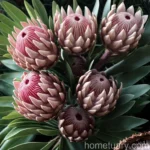
Leucospermum ‘Scarlet Ribbon’ (Pincushion): A Botanist’s Guide
Leucospermum ‘Scarlet Ribbon’, commonly known as Pincushion, is a striking and unique plant that belongs to the Proteaceae family. With its vibrant, fiery-colored flowers, this South African native has become increasingly popular in gardens and landscapes around the world. As a plant scientist specializing in the study of Leucospermum ‘Scarlet Ribbon’, I’m excited to share insights into its culture, uses, care requirements, and much more.
In this comprehensive guide, we’ll delve into the key aspects of Leucospermum ‘Scarlet Ribbon’, covering everything from its preferred growing conditions to common pests and diseases. Whether you’re a seasoned horticulturist or an enthusiastic beginner, this article aims to provide a wealth of valuable information about this captivating plant.
What is Leucospermum ‘Scarlet Ribbon’ (Pincushion)?
Leucospermum ‘Scarlet Ribbon’ is a species of flowering evergreen shrub that is indigenous to the Western Cape of South Africa. It is renowned for its striking inflorescences, which closely resemble pincushions, hence the common name. The plant typically grows to a height of 4 to 6 feet and spreads about 6 to 8 feet wide, forming a dense, rounded shrub.
The elongated, lance-shaped leaves of Leucospermum ‘Scarlet Ribbon’ provide an attractive backdrop to its vibrant flowers. The plant’s most distinctive feature is its large, showy flower heads, which are composed of numerous tiny florets and can range in color from deep crimson to fiery orange, creating a captivating display in gardens and landscapes.
Key Takeaways – Leucospermum ‘Scarlet Ribbon’ (Pincushion)
Before we dive deeper into the specific aspects of Leucospermum ‘Scarlet Ribbon’, let’s summarize the key takeaways about this plant.
- Scientific Name: Leucospermum ‘Scarlet Ribbon’
- Common Name: Pincushion
- Family: Proteaceae
- Native Habitat: Western Cape, South Africa
- Growth Form: Evergreen shrub
- Flower Color: Deep crimson to fiery orange
- Height: 4 to 6 feet
- Spread: 6 to 8 feet
- Characteristics: Striking pincushion-like flowers, lance-shaped leaves, dense rounded growth habit
Now that we have an overview of Leucospermum ‘Scarlet Ribbon’, let’s explore the specific aspects of its culture, uses, and care requirements.
Culture
Understanding the cultural requirements of Leucospermum ‘Scarlet Ribbon’ is essential for successfully growing and maintaining this unique plant. From its preferred soil conditions to its exposure to sunlight, careful attention to these cultural factors can significantly impact the health and vigor of the Pincushion plant.
Uses
Leucospermum ‘Scarlet Ribbon’ offers a range of uses in gardens and landscapes, adding both aesthetic and ecological value to outdoor spaces. Here are some of its common uses:
- Ornamental Display: The vibrant and distinctive flowers of Leucospermum ‘Scarlet Ribbon’ make it a prized ornamental plant, often used as a focal point in garden beds, borders, and containers.
- Wildlife Attraction: The nectar-rich flowers of Pincushion plants attract a variety of pollinators, including bees and birds, contributing to the biodiversity of the surrounding ecosystem.
- Cut Flowers: The long-lasting cut flowers of Leucospermum ‘Scarlet Ribbon’ are popular in floral arrangements, adding a touch of exotic elegance to bouquets and displays.
The uses of Leucospermum ‘Scarlet Ribbon’ extend beyond mere visual appeal, integrating with the broader ecological and horticultural tapestry of outdoor environments.
Water
Proper watering is crucial for the health and vitality of Leucospermum ‘Scarlet Ribbon’. While it is vital to ensure an adequate water supply, it is equally important to avoid overwatering, which can lead to root rot and other issues. Here are some key considerations for watering the Pincushion plant:
- Well-Draining Soil: Leucospermum ‘Scarlet Ribbon’ thrives in well-draining, slightly acidic soil. This type of soil structure supports healthy root growth and prevents waterlogging, which can be detrimental to the plant’s health.
- Moderate Watering: During the growing season, it is advisable to water the plant deeply but infrequently, allowing the soil to partially dry out between watering sessions. This encourages the development of a robust root system.
- Mulching: Applying a layer of organic mulch around the base of the plant helps to conserve soil moisture and regulate soil temperature, reducing the frequency of watering while promoting overall plant health.
Understanding the water requirements of Leucospermum ‘Scarlet Ribbon’ is pivotal to establishing an effective irrigation regimen that supports its growth and blooming cycles.
Sunlight
As with many flowering plants, adequate sunlight is essential for the optimal growth and flower production of Leucospermum ‘Scarlet Ribbon’. Understanding its sunlight requirements can guide the placement of the plant in the garden or landscape. Here’s what you need to know about sunlight exposure for Pincushion plants:
- Full Sun: Leucospermum ‘Scarlet Ribbon’ thrives in full sun conditions, requiring at least 6 to 8 hours of direct sunlight each day to promote abundant flowering and sturdy growth.
- Southern Exposure: In regions with hot, sunny climates, providing some protection from the intense midday sun can help prevent leaf scorch and ensure the plant’s vitality.
- Optimal Positioning: When selecting a planting site, choose a location that receives ample sunlight throughout the day, ideally with southern exposure to maximize light exposure.
Understanding and accommodating the sunlight requirements of Leucospermum ‘Scarlet Ribbon’ lays the foundation for its flourishing in outdoor environments.
Fertilizer
Appropriate fertilization practices play a vital role in promoting healthy growth and prolific flowering in Leucospermum ‘Scarlet Ribbon’. By providing essential nutrients in balanced proportions, fertilizers support the plant’s overall vigor and resilience. Consider the following fertilizer-related aspects when caring for Pincushion plants:
- Nutrient Requirements: Leucospermum ‘Scarlet Ribbon’ benefits from a slow-release, balanced fertilizer formulated for acid-loving plants. The fertilizer should contain a blend of macronutrients and micronutrients to support overall plant health and flower production.
- Application Timing: For established plants, applying fertilizer in early spring, just before the active growth period, can help stimulate robust vegetative growth and support the development of flower buds.
- Prudent Application: Care should be taken to avoid over-fertilization, which can lead to excessive vegetative growth at the expense of flowering. Following the manufacturer’s recommendations regarding application rates is advisable.
Properly timed and balanced fertilization can significantly enhance the vitality and blooming capacity of Leucospermum ‘Scarlet Ribbon’.
Soil
The soil composition and quality directly influence the growth, vigor, and overall health of Leucospermum ‘Scarlet Ribbon’. Understanding the specific soil preferences of the plant is crucial for creating an optimal growing environment. Consider the following soil-related factors when cultivating Pincushion plants:
- Acidic pH: Leucospermum ‘Scarlet Ribbon’ thrives in slightly acidic soil with a pH range of 5.5 to 6.5. Acidic soil conditions facilitate the uptake of essential nutrients, supporting healthy growth and flowering.
- Well-Draining Medium: The plant prefers loamy, well-draining soil with good aeration. Avoid heavy, compacted soils and those with poor drainage, as they can lead to root rot and other moisture-related issues.
- Organic Matter: Amending the soil with organic matter, such as well-rotted compost or leaf mold, can improve its texture and fertility, enhancing the overall quality of the growing medium.
Creating an ideal soil environment for Leucospermum ‘Scarlet Ribbon’ sets the stage for robust growth, abundant flowering, and long-term vitality.
Pruning
Pruning plays a crucial role in shaping the growth habit, promoting flowering, and rejuvenating older wood in Leucospermum ‘Scarlet Ribbon’. Understanding the principles and techniques of pruning is essential for effectively managing the plant’s structure and overall appearance. Consider the following key aspects of pruning Pincushion plants:
- Deadheading: Removing spent flower heads encourages the development of new flower buds and prolongs the overall blooming period, enhancing the ornamental appeal of the plant.
- Selective Pruning: Regular, selective pruning can help control the size and shape of the plant, prevent overcrowding, and promote better air circulation within the canopy, reducing the risk of disease.
- Timing: Pruning is best carried out after the blooming period to avoid compromising the next season’s flower production. It is essential to use sharp, sterile pruning tools when working on the plant.
By employing proper pruning techniques, gardeners can harness the full ornamental potential of Leucospermum ‘Scarlet Ribbon’ and ensure its long-term health and vigor.
Propagation
Propagation methods enable gardeners to expand their collection of Leucospermum ‘Scarlet Ribbon’ and introduce new plants to their gardens and landscapes. Understanding the various propagation techniques is key to successfully multiplying the plant. Explore the following propagation options for Pincushion plants:
- Seed Propagation: While it may take several years for plants grown from seed to reach maturity and begin flowering, seed propagation remains a viable option for obtaining new Leucospermum ‘Scarlet Ribbon’ specimens.
- Cutting Propagation: Semi-hardwood stem cuttings taken from healthy, disease-free plants offer a reliable and efficient means of propagation. The cuttings should be treated with a rooting hormone and placed in a well-draining propagation medium.
- Division: Dividing mature plants at the root level can be an effective way to obtain multiple specimens, especially when rejuvenating overgrown clumps or addressing the needs of the plant’s growth habit.
By mastering the art of propagation, enthusiasts can propagate and share the beauty of Leucospermum ‘Scarlet Ribbon’ with others, contributing to its widespread cultivation and appreciation.
Container Popularity
Leucospermum ‘Scarlet Ribbon’ has gained popularity as a container plant, adorning patios, decks, and other outdoor living spaces with its vibrant and exotic presence. The compact growth habit and striking flowers of the Pincushion plant make it well-suited for container cultivation, provided that certain considerations are taken into account. Explore the following insights on the popularity of Leucospermum ‘Scarlet Ribbon’ in container gardening:
- Space Efficiency: The plant’s moderate size and rounded growth habit make it an ideal candidate for container gardening, allowing gardeners to enjoy its beauty even in limited spaces.
- Visual Impact: The vivid colors of the flowers and the evergreen foliage of Leucospermum ‘Scarlet Ribbon’ make it a captivating focal point in container arrangements, whether displayed solo or combined with other complementary plants.
- Portability: The mobility of container-grown Pincushion plants enables gardeners to optimize their placement, providing flexibility in creating dynamic outdoor settings.
The versatility and visual appeal of Leucospermum ‘Scarlet Ribbon’ as a container plant make it a desirable choice for both novice and experienced gardeners looking to enhance their outdoor living spaces.
Common Diseases
Leucospermum ‘Scarlet Ribbon’ is generally resilient to many common pests and diseases, but it can still be susceptible to certain issues under unfavorable growing conditions. Familiarizing oneself with potential diseases and their management is essential for safeguarding the health and beauty of the plant. Consider the following common diseases associated with the Pincushion plant:
- Root Rot: Excessive soil moisture or poorly draining soil can lead to root rot, manifesting as wilting, yellowing leaves, and a general decline in plant vigor. Maintaining well-draining soil and avoiding overwatering is crucial for preventing this issue.
- Powdery Mildew: Humid environments and poor air circulation can promote the development of powdery mildew on the plant’s foliage, characterized by a white, powdery growth. Increasing air movement and avoiding overhead watering can help mitigate this problem.
- Fungal Leaf Spots: Certain fungal pathogens can cause dark, irregular spots on the leaves, potentially leading to defoliation and reduced aesthetic appeal. Pruning to improve air circulation and ensuring proper spacing between plants can aid in disease prevention.
Vigilance, prompt intervention, and preemptive cultural practices are vital for minimizing the impact of diseases on the overall health and appearance of Leucospermum ‘Scarlet Ribbon’.
Disease Diagnosis
Accurately diagnosing diseases affecting Leucospermum ‘Scarlet Ribbon’ is essential for devising effective treatment and management strategies. Recognizing the symptoms and signs of common diseases enables early intervention, reducing the risk of severe damage to the plant. Consider the following diagnostic considerations for diseases in Pincushion plants:
- Observation: Regularly inspecting the plant for changes in foliage color, texture, and overall vigor can help detect early signs of disease.
- Symptom Recognition: Understanding the specific symptoms associated with common diseases, such as wilting, leaf discoloration, or unusual growths, can aid in accurate diagnosis.
- Sample Submission: In cases of uncertainty or severe symptoms, seeking professional diagnosis through a plant pathology lab can provide definitive insights and guide appropriate management measures.
By honing the skill of disease diagnosis, gardeners can respond proactively to potential issues, preserving the health and beauty of Leucospermum ‘Scarlet Ribbon’ in the landscape.
Common Pests
While generally robust, Leucospermum ‘Scarlet Ribbon’ can still be vulnerable to pest infestations under certain conditions. Being aware of common pests that may affect the plant enables gardeners to implement timely and effective pest management strategies. The following are some of the notable pests associated with the Pincushion plant:
- Aphids: These small, sap-sucking insects can cluster on the undersides of leaves, causing wilting, deformities, and the development of sooty mold. Regular monitoring and the application of horticultural oils or insecticidal soaps can help control aphid populations.
- Thrips: Thrips are slender, winged insects that feed on plant tissues, leading to distorted growth and silvery stippling on the foliage. Biological controls and insecticidal treatments can aid in managing thrips infestations.
- Snails and Slugs: These mollusks can feed on the leaves and stems of Leucospermum ‘Scarlet Ribbon’, leaving behind irregular holes and damage. Employing physical barriers and handpicking, along with the use of iron phosphate-based baits, can help keep snails and slugs in check.
By adopting integrated pest management practices and staying vigilant, gardeners can protect Leucospermum ‘Scarlet Ribbon’ from the damaging effects of pest infestations.
Botanist’s Tips
To cultivate Leucospermum ‘Scarlet Ribbon’ successfully and maximize its ornamental potential, consider the following botanist’s tips:
- Selecting a Planting Site: Choose a well-drained location with ample sunlight exposure to promote strong growth and prolific flowering.
- Careful Watering: Strike a balance between providing adequate moisture and preventing waterlogging, ensuring healthy root development and flowering.
- Prudent Pruning: Regular deadheading and selective pruning can enhance the aesthetic appeal and long-term health of the plant.
- Feeding Schedule: Apply a balanced, slow-release fertilizer at the onset of the growing season to support robust growth and abundant flowering.
- Pest and Disease Monitoring: Regularly inspect the plant for signs of pests and diseases, intervening promptly if issues arise to maintain the plant’s vitality.
By implementing these tips, gardeners can create an optimal environment for Leucospermum ‘Scarlet Ribbon’, fostering its beauty and resilience in outdoor settings.
Fun Facts
- The genus name Leucospermum is derived from the Greek words “leukos,” meaning white, and “spermum,” meaning seed, referencing the white-tipped seeds of certain species within the genus.
- Leucospermum ‘Scarlet Ribbon’ is valued not only for its visual appeal but also for its ecological significance in supporting pollinators and contributing to biodiversity in natural and landscaped environments.
- The unique inflorescences of the Pincushion plant have inspired floral artists and designers, gracing a variety of floral arrangements and adding a touch of exotic elegance to bouquets.
Links to External Resources
For further information, here are some valuable external resources related to Leucospermum ‘Scarlet Ribbon’:
- Royal Botanic Gardens, Kew – Leucospermum ‘Scarlet Ribbon’
- Australian National Botanic Gardens – Growing Proteaceae
- University of California, Davis – Leucospermum Propagation
This information, combined with the insights provided in this guide, offers a wealth of knowledge for enthusiasts and horticultural professionals interested in the cultivation and appreciation of Leucospermum ‘Scarlet Ribbon’.
In conclusion, Leucospermum ‘Scarlet Ribbon’, with its captivating flowers and versatile uses, holds a special place in the realm of ornamental plants. By understanding its cultural requirements, embracing its ecological contributions, and employing effective care practices, gardeners can elevate the beauty of outdoor spaces with the vibrant presence of the Pincushion plant. Whether it graces garden beds, containers, or floral arrangements, this remarkable species continues to inspire and enchant enthusiasts around the world.
Remember to share your thoughts or experiences with Leucospermum ‘Scarlet Ribbon’ in the comments below. Happy gardening!