Grevillea Rosmarinifolia (Rosemary Grevillea)
Grevillea rosmarinifolia, commonly known as Rosemary Grevillea, is an evergreen shrub native to the coastal regions of New South Wales and Queensland in.
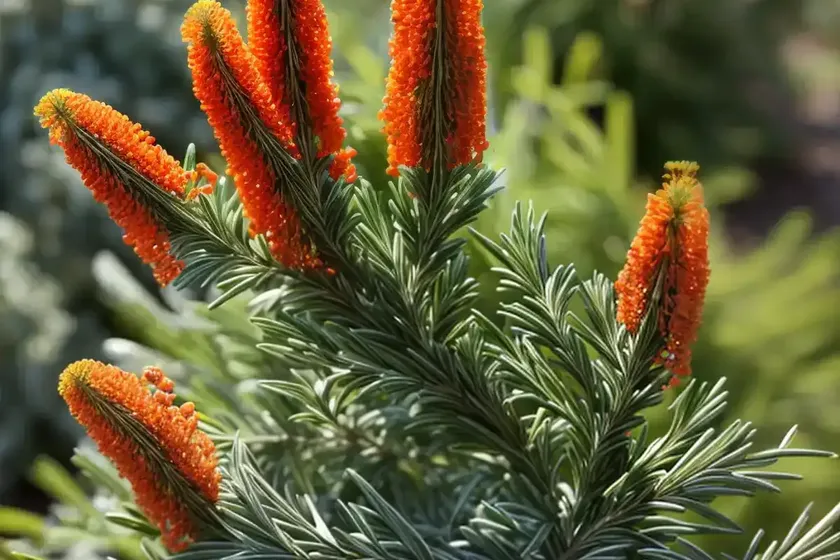
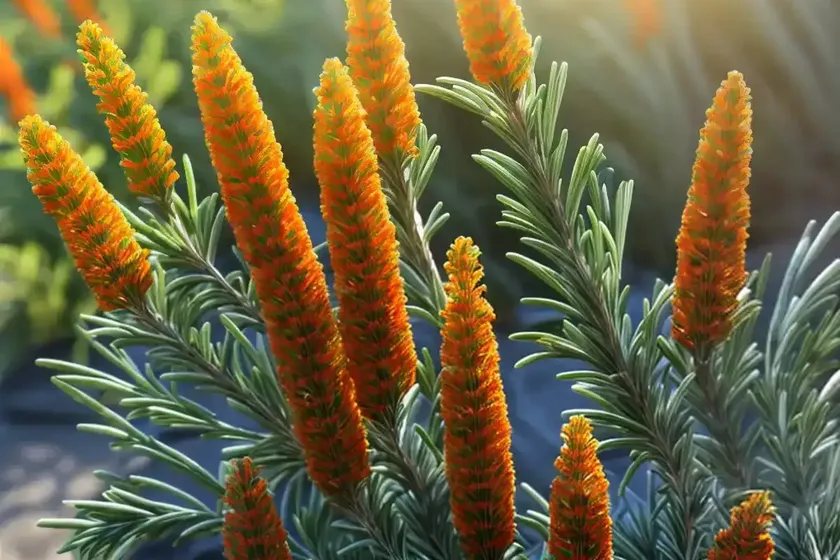
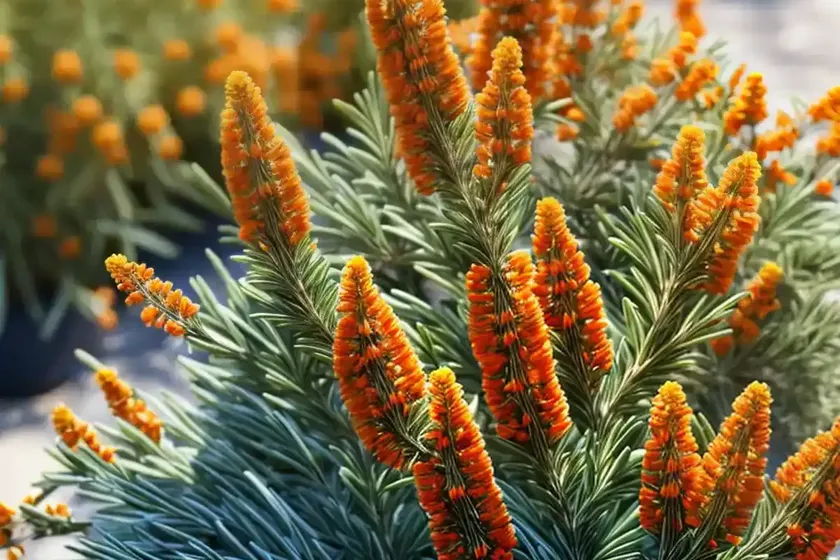
Grevillea rosmarinifolia, commonly known as Rosemary Grevillea, is an evergreen shrub native to the coastal regions of New South Wales and Queensland in Australia. This hardy plant is prized for its attractive foliage, vibrant flowers, and its ability to attract wildlife, making it a popular choice for gardens and landscaping projects. In this comprehensive guide, we will delve into the key characteristics, cultivation requirements, uses, and maintenance of Grevillea rosmarinifolia, providing valuable insights for both novice and experienced gardeners.
What is Grevillea rosmarinifolia (Rosemary Grevillea)?
Grevillea rosmarinifolia belongs to the Proteaceae family and is characterized by its narrow, needle-like leaves and clusters of rosy-pink to red flowers. This species typically grows to a height of 1-2 meters and spreads to around 1.5-3 meters, forming a dense and bushy habit. The flowers, which bloom in winter and spring, are a rich source of nectar, attracting birds, bees, and other pollinators to the garden.
Key Takeaways – Grevillea rosmarinifolia (Rosemary Grevillea)
Before diving into the specifics of its cultivation and care, let’s highlight the key takeaways for Grevillea rosmarinifolia:
- Botanical Name: Grevillea rosmarinifolia
- Common Name: Rosemary Grevillea
- Family: Proteaceae
- Native Habitat: Coastal regions of New South Wales and Queensland, Australia
- Growth Habit: Evergreen shrub with narrow, needle-like leaves
- Flowers: Clusters of rosy-pink to red flowers in winter and spring
- Wildlife Attraction: Attracts birds, bees, and other pollinators
- Uses: Garden ornamental, wildlife garden, and landscaping
Culture
Understanding the cultural requirements of Grevillea rosmarinifolia is essential for successfully nurturing this plant in a home garden or landscape setting. Let’s explore the key elements of its cultural preferences.
Water
Grevillea rosmarinifolia is known for its drought tolerance once established, making it well-suited to dry and arid environments. However, during its establishment phase, regular watering is essential to encourage healthy root development and overall growth. After the initial establishment period, it is recommended to gradually taper off the watering frequency, allowing the plant to adapt to natural rainfall patterns.
- Establishment Period: Water deeply once or twice a week during the first 6-12 months after planting.
- Mature Plants: Once established, Grevillea rosmarinifolia generally requires minimal supplemental watering, relying on natural rainfall.
Sunlight
As a sun-loving species, Grevillea rosmarinifolia thrives in full sun to partial shade. To ensure optimal flowering and foliage development, it is advisable to position the plant in a location that receives ample sunlight for the majority of the day. In hotter climates, providing some afternoon shade can prevent excessive stress on the plant.
- Preferred Sun Exposure: Full sun to partial shade.
- Optimal Location: Select a site that receives direct sunlight for at least 6-8 hours a day.
Soil
Grevillea rosmarinifolia flourishes in well-draining, sandy, or loamy soil with a slightly acidic to neutral pH. Soil with poor drainage should be amended with organic matter to enhance its structure and moisture retention capabilities.
- Soil Type: Well-draining sandy or loamy soil.
- pH Level: Slightly acidic to neutral (pH 6.0-7.0).
- Amendments: Incorporate organic matter to improve soil drainage and fertility.
Fertilizer
The nutritional requirements of Grevillea rosmarinifolia are relatively modest, and excessive fertilization can lead to adverse effects on its growth and flowering. A balanced, slow-release fertilizer formulated for native plants or low-phosphorus fertilizer can be applied sparingly in the spring to support healthy growth and flowering.
Fertilization Guidelines:
- Timing: Apply fertilizer in early spring before the onset of new growth.
- Type: Balanced, slow-release fertilizer for native plants or low-phosphorus fertilizer.
- Application: Follow the manufacturer’s recommendations for the specific fertilizer product used.
- Frequency: Fertilize once a year, avoiding excessive applications.
Pruning
Pruning plays a crucial role in shaping the growth habit of Grevillea rosmarinifolia, promoting flowering, and maintaining its overall health and vigor. Regular pruning helps to remove dead or damaged growth, encourages a compact and bushy form, and stimulates the production of new flowering wood.
Pruning Techniques:
- Deadheading: Remove spent flowers to encourage continuous blooming and prevent the formation of seed pods.
- Selective Pruning: Trim back leggy or straggly growth to maintain a dense and tidy appearance.
- Renovation Pruning: In late winter or early spring, consider hard pruning to rejuvenate overgrown specimens, removing up to one-third of the overall growth.
Propagation
Grevillea rosmarinifolia can be propagated through several methods, including seed propagation, cuttings, and grafting. Each propagation technique offers unique advantages and challenges, providing flexibility for gardeners and horticulturists to propagate and multiply their favorite cultivars.
Propagation Methods:
- Seed Propagation: Collect and sow fresh seeds in a well-draining seed-raising mix, providing warmth and consistent moisture for germination.
- Cuttings: Take semi-hardwood or hardwood cuttings from healthy, disease-free plants, and root them in a propagation medium with bottom heat for optimal rooting.
- Grafting: Utilize compatible rootstock to graft desirable cultivars, enhancing vigor and disease resistance.
Container Popularity
Due to its compact growth habit and ornamental appeal, Grevillea rosmarinifolia is well-suited for container cultivation. Container-grown specimens can grace patios, balconies, and small urban gardens, bringing a touch of native charm to urban landscapes. When grown in containers, it is essential to provide appropriate care to ensure the plant’s well-being and longevity.
Container Care Tips:
- Container Size: Select a container with adequate drainage holes and ample room for root development.
- Potting Mix: Use a well-draining potting mix formulated for native plants or a blend of sand, perlite, and organic matter.
- Watering: Monitor the moisture levels closely, allowing the soil to dry slightly between watering sessions.
- Sun Exposure: Position the container in a location that receives ample sunlight, adjusting for afternoon shade in hotter climates.
Common Diseases
While generally resilient, Grevillea rosmarinifolia is susceptible to certain diseases, particularly in conditions of poor air circulation, excessive moisture, or nutrient deficiencies. Recognizing the symptoms of common diseases and implementing preventive measures is crucial for maintaining plant health and vitality.
Disease Prevention:
- Phytophthora Root Rot: Avoid overwatering and ensure proper soil drainage to prevent the development of this fungal disease.
- Botrytis Blight: Promote good air circulation and avoid overhead watering to minimize the risk of Botrytis infection.
- Leaf Spot Diseases: Monitor for signs of leaf spot diseases and provide balanced nutrition to support plant immunity.
Disease Diagnosis
Diagnosing plant diseases can be a challenging task, requiring a keen eye for symptoms and an understanding of the potential causal agents. When observing unusual symptoms or signs of decline in Grevillea rosmarinifolia, it is advisable to promptly assess the plant’s condition and seek professional guidance if necessary.
Common Disease Symptoms:
- Leaf Discoloration: Yellowing, browning, or spotting of leaves.
- Wilting or Drooping: Sudden wilting or decline in overall turgidity.
- Stunted Growth: Reduced vigor and growth compared to normal development.
- Abnormal Lesions: Unusual lesions or markings on leaves, stems, or flowers.
Common Pests
As with many ornamental plants, Grevillea rosmarinifolia may face occasional pest pressures, including scale insects, aphids, and spider mites. Identification of pest infestations and implementing appropriate control measures is essential to safeguard the plant from damage and stress.
Pest Control Measures:
- Manual Removal: Gently remove pests from the plant using a steady stream of water or by wiping with a damp cloth.
- Horticultural Oils: Apply horticultural oils to suffocate soft-bodied pests such as aphids and spider mites.
- Natural Predators: Encourage beneficial predators such as ladybugs and lacewings to control pest populations in the garden.
Botanist’s Tips
To enhance the success of cultivating and caring for Grevillea rosmarinifolia, consider the following tips and recommendations provided by experienced botanists and horticulturists:
- Mulching: Apply a layer of organic mulch around the base of the plant to conserve soil moisture and suppress weed growth.
- Wildlife-friendly Garden: Incorporate Grevillea rosmarinifolia into wildlife-friendly garden designs to attract birds, bees, and other pollinators.
- Companion Planting: Pair Grevillea rosmarinifolia with compatible native plants to create visually appealing and ecologically diverse landscapes.
Fun Facts
Uncover some captivating and lesser-known facts about Grevillea rosmarinifolia, shedding light on its ecological significance, cultural uses, and unique traits:
- Medicinal Properties: Certain Indigenous Australian tribes utilized Grevillea rosmarinifolia for its medicinal properties, employing its leaves and flowers to prepare therapeutic infusions.
- Pollinator Attraction: The nectar-rich flowers of Grevillea rosmarinifolia are a vital food source for numerous native bird species, contributing to the ecological balance of its native habitat.
- Fire-adapted Species: Grevillea species, including G. rosmarinifolia, have developed adaptations to survive and regenerate after bushfires, further establishing their significance in Australian ecosystems.
Links to External Resources
To further enrich your knowledge and understanding of Grevillea rosmarinifolia, explore the following external resources and publications offering valuable insights and practical advice:
- Australian National Botanic Gardens – Grevillea rosmarinifolia
- PlantNet – New South Wales Flora Online: Grevillea rosmarinifolia
- Gardening Australia – Grevilleas
In conclusion, Grevillea rosmarinifolia, or Rosemary Grevillea, stands as a captivating and resilient addition to gardens, native plant landscapes, and urban green spaces. By embracing its cultural preferences, learning its distinctive characteristics, and implementing thoughtful care practices, gardeners and enthusiasts can celebrate the beauty and ecological value of this remarkable Australian native. Whether adorning a wildlife-friendly garden or adorning a container on a sunny balcony, Grevillea rosmarinifolia invites us to appreciate and conserve the rich tapestry of native flora.
Through a combination of thoughtful care, curiosity, and conservation efforts, we can uphold the legacy of Grevillea rosmarinifolia and cherish its contributions to biodiversity, horticulture, and cultural heritage.
By willingly stepping into the immersive world of Grevillea rosmarinifolia, we embrace its presence and foster a deeper connection to the natural wonders that enrich our lives and landscapes.


